
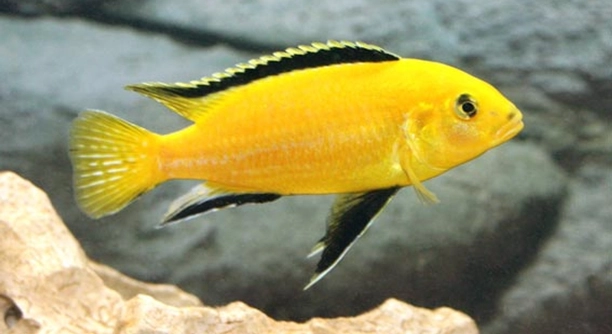
Do you ever notice your electric yellow cichlid rubbing or flashing against rocks in the tank? This behavior can catch your attention and leave you wondering whether it is normal or a sign of stress or irritation.
Flashing against rocks is typically a response to skin irritation caused by parasites, poor water quality, or minor injuries. It is a common defensive or self-soothing behavior observed in cichlids, helping them alleviate discomfort and protect vulnerable areas.
Observing these behaviors carefully can help you ensure your cichlid remains healthy and comfortable in its environment.
Understanding Flashing Behavior
Electric yellow cichlids often flash against rocks due to skin irritation or stress. This behavior is most common when the tank conditions are not ideal or when parasites are present. Flashing helps relieve discomfort by rubbing the affected area against a hard surface. While it may look playful or curious, repeated flashing signals that the fish may be experiencing an underlying problem. Stress can come from overcrowding, aggressive tank mates, or sudden changes in water parameters. Poor water quality, especially high levels of ammonia or nitrites, can also irritate the skin and gills. Observing your cichlid’s behavior over several days will help determine whether this is occasional or chronic. Occasional flashing may be harmless, but persistent rubbing is a sign that action is needed to protect your fish’s health. Keeping a clean tank and monitoring water quality regularly is essential for preventing issues and ensuring the fish remain comfortable and healthy in their environment.
Flashing is a natural coping mechanism for cichlids to manage irritation or stress in their tank environment.
Regular monitoring, water changes, and proper tank maintenance are key to minimizing flashing behavior and promoting overall health in electric yellow cichlids. A healthy environment can reduce stress, prevent disease, and support the fish’s natural behaviors without causing harm.
Water Quality and Tank Conditions
Maintaining proper water quality is essential for preventing skin irritation. Poor conditions often lead to flashing and increased stress levels in cichlids.
High ammonia, nitrite, or nitrate levels can irritate the delicate skin of electric yellow cichlids. Sudden changes in temperature or pH also contribute to discomfort, encouraging the fish to rub against surfaces. Tank cleanliness, proper filtration, and routine water changes are critical for a stable environment. Overcrowding can increase aggression and stress, making flashing more frequent. Choosing compatible tank mates helps reduce conflict and injury, which can further contribute to rubbing behavior. Additionally, providing smooth rocks, hiding spots, and adequate swimming space allows fish to manage stress naturally. Testing water regularly and addressing imbalances quickly prevents prolonged irritation. Even minor issues can cause noticeable flashing, so maintaining consistent water parameters is essential. A stable, well-maintained tank promotes both physical health and normal behavioral patterns, ensuring electric yellow cichlids remain active, vibrant, and less prone to discomfort caused by environmental stressors.
Parasites and Skin Irritation
Parasites are a common reason for flashing. Even a small infestation can make your cichlid rub against rocks frequently. Early detection is important to prevent serious health issues.
Parasites such as ich or flukes attach to the fish’s skin and gills, causing irritation. This irritation triggers the flashing behavior as the fish tries to relieve discomfort. Symptoms may include small white spots, rapid gill movement, or lethargy. Treating the tank promptly with the appropriate medication can stop the problem from spreading and help the fish recover. Maintaining proper quarantine procedures for new fish also reduces the risk of introducing parasites. Monitoring behavior alongside water conditions ensures early detection and treatment of these skin irritations.
Minor injuries or abrasions can also lead to flashing. Even rough rocks, decorations, or aggressive tank mates can create small wounds. These irritations prompt the fish to rub themselves to soothe discomfort. Treating injuries with clean water and isolating aggressive fish can help minimize repeated flashing. Consistent observation and care can reduce the risk of infection and support healthy skin recovery.
Stress and Environmental Factors
Stress increases flashing behavior in electric yellow cichlids. Overcrowded tanks, sudden changes, or aggressive fish amplify irritation and discomfort.
Environmental stressors disrupt normal behavior, making cichlids more prone to rubbing against rocks. Noise, strong currents, or insufficient hiding spaces can all trigger stress responses. Cichlids thrive in stable conditions with ample space, moderate water flow, and secure hiding areas. Regular observation helps identify stress triggers early, allowing for quick adjustments. Adjusting tank layout or separating aggressive fish reduces tension. Over time, a calm, stable environment decreases flashing and improves overall health, ensuring that the cichlid can focus on feeding, swimming, and interacting naturally. Consistent care and attention to environmental factors prevent unnecessary stress-related behaviors.
Diet and Nutrition
Poor nutrition can contribute to flashing. A diet lacking essential vitamins and minerals may weaken the skin, making it more sensitive to irritation.
Feeding a balanced diet with high-quality flakes, pellets, and occasional live or frozen foods helps maintain healthy skin and vibrant colors. Consistent nutrition supports the immune system, reducing vulnerability to parasites or minor injuries.
Aggressive Tank Mates
Aggressive or territorial fish can cause your cichlid to flash more frequently. Constant chasing or nipping creates stress and minor injuries.
Providing compatible tank mates and enough space for each fish reduces conflicts. Observing interactions allows you to identify and separate aggressive individuals, preventing repeated rubbing and promoting a safer environment.
Observation and Intervention
Careful observation is key to identifying why your cichlid is flashing. Noticing patterns in behavior and environment helps pinpoint causes.
Early intervention, whether adjusting water conditions, treating parasites, or separating aggressive tank mates, ensures the fish recovers quickly and avoids long-term stress or health problems.
Tank Maintenance
Regular tank cleaning prevents flashing caused by poor water quality. Removing waste, debris, and performing water changes keeps the environment safe.
FAQ
Why is my electric yellow cichlid flashing against rocks?
Flashing usually happens because of irritation on the skin or gills. Parasites, minor injuries, or poor water quality often trigger this behavior. The fish rubs against rocks to relieve discomfort. Observing the fish carefully helps determine if flashing is occasional or a recurring issue.
Can flashing damage my cichlid?
Repeated flashing can cause abrasions or worsen existing injuries. Continuous rubbing may lead to open wounds or secondary infections. Ensuring water quality is stable and reducing stressors like aggressive tank mates minimizes the risk of serious damage.
How can I tell if parasites are causing flashing?
Look for visible signs like white spots, redness, or unusual swimming patterns. Rapid gill movement, lethargy, or decreased appetite may also indicate parasites. Early detection allows for prompt treatment and prevents spreading to other fish.
Does tank size affect flashing behavior?
Yes. Overcrowded tanks increase stress and conflict, causing fish to rub against surfaces more often. Providing enough space, hiding spots, and compatible tank mates reduces stress-induced flashing. Proper layout helps each fish feel secure and minimizes irritation.
Can water parameters cause my cichlid to flash?
Absolutely. High ammonia, nitrites, or sudden pH and temperature fluctuations irritate skin and gills. Regular testing and gradual adjustments prevent prolonged discomfort. Stable water parameters are essential for healthy behavior and vibrant coloration.
How often should I perform water changes?
Weekly partial water changes of 20–30% are recommended for most cichlid tanks. Frequent maintenance keeps ammonia and nitrate levels low, reducing skin irritation and the likelihood of flashing. It also supports general fish health.
Will diet impact flashing behavior?
Yes. Nutritional deficiencies weaken skin and make fish more prone to irritation. Feeding high-quality flakes, pellets, and occasional live or frozen foods provides essential vitamins and minerals. Balanced nutrition strengthens the immune system and reduces stress.
Is flashing a sign of stress or illness?
Flashing can indicate both. Minor stress may cause occasional rubbing, while consistent flashing suggests health issues like parasites, infections, or environmental problems. Monitoring behavior and water conditions helps differentiate between stress and illness.
Should I isolate a flashing cichlid?
Isolation may help if aggressive tank mates are causing injuries or stress. Quarantining a fish with visible parasites or open wounds prevents spreading disease and allows for focused treatment. Always provide proper hiding spots in the tank during isolation.
Can decorations or rocks contribute to flashing?
Yes. Rough or sharp surfaces can cause abrasions, especially if fish are already stressed or irritated. Smoother rocks and carefully placed decorations reduce accidental injuries while still allowing natural rubbing behavior.
How long will flashing last?
Flashing often stops once the underlying issue is addressed, whether it’s water quality, parasites, or stress. Minor temporary flashing may last a few days, while persistent irritation requires treatment and careful monitoring. Recovery time varies depending on the severity of the problem.
Are some cichlids more prone to flashing than others?
Yes. Electric yellow cichlids and other Malawi cichlids display flashing more frequently due to their active nature and sensitivity to environmental changes. Proper tank setup and attentive care reduce the frequency and intensity of this behavior.
What immediate steps can I take if my cichlid is flashing?
Check water parameters, inspect for injuries or parasites, and observe tank dynamics. Adjusting water quality, treating parasites, or separating aggressive fish can stop excessive flashing. Providing a calm, clean, and well-maintained environment supports quick recovery.
Can flashing indicate fin or scale damage?
Yes. Flashing can worsen existing fin tears or scale loss. Monitoring the fish daily allows early detection, while prompt treatment prevents infections. Keeping the tank clean and reducing stressors helps the skin heal faster.
Is flashing always a problem?
Not always. Occasional rubbing can be normal, especially during exploration or minor irritation. Persistent or repetitive flashing is a concern and should be addressed to prevent health issues and maintain overall well-being.
How do I prevent future flashing?
Maintain stable water quality, feed a balanced diet, monitor tank mates, and provide adequate space and hiding spots. Regular observation and proactive care prevent stress, parasites, and minor injuries that often cause flashing.
Can stress from handling cause flashing?
Yes. Moving fish or introducing them to new tanks can trigger temporary flashing. Minimizing handling and giving the fish time to acclimate helps reduce stress-related rubbing.
Are there treatments specifically for flashing behavior?
There’s no direct treatment for flashing itself. Addressing the underlying cause, such as parasites, water quality issues, or injuries, stops the behavior. Providing proper care and environmental adjustments resolves flashing over time.
How do I know if flashing has become serious?
If flashing is constant, paired with visible sores, lethargy, loss of appetite, or abnormal gill movement, the issue is serious. Immediate water testing, observation, and possible treatment are necessary to prevent long-term damage.
Does flashing affect other fish in the tank?
Yes. If caused by parasites or stress, it can spread to other fish. Aggression or overcrowding may also create a tense environment, increasing irritation and flashing among multiple tank inhabitants.
Can supplements help reduce flashing?
Vitamin and mineral supplements can support skin health and immunity. Including high-quality foods with added nutrients reduces susceptibility to irritation, helping prevent frequent flashing behavior in electric yellow cichlids.
Is flashing more common in newly introduced fish?
Yes. New fish may flash as they adjust to water parameters, tank layout, or social dynamics. Monitoring closely during the first days and ensuring a calm environment minimizes stress and skin irritation.
How often should I observe my cichlid for flashing?
Daily observation is recommended. Noticing changes early allows you to identify stress, parasites, or injuries before they worsen. Quick intervention ensures the fish remains healthy and reduces the risk of prolonged irritation.
Are there signs that flashing is harmless?
Occasional, brief rubbing without visible wounds or behavioral changes is usually harmless. Normal exploration or minor irritation that stops quickly does not require intervention but should still be monitored.
Can flashing indicate water temperature issues?
Yes. Rapid fluctuations or extreme temperatures can irritate skin and gills, causing rubbing. Maintaining a stable, species-appropriate temperature is crucial for minimizing flashing and supporting overall health.
Should I consult a veterinarian for flashing?
If flashing persists, worsens, or is accompanied by visible health problems, consulting a veterinarian experienced with fish is advisable. Professional guidance ensures proper diagnosis and treatment.
Can flashing be seasonal or occasional?
Some cichlids flash more during breeding periods or after changes in the environment. While occasional flashing may be natural, persistent behavior should still be checked for underlying causes.
What role do hiding spots play in reducing flashing?
Providing rocks, caves, or decorations allows fish to retreat and feel safe. A secure environment reduces stress, limits aggressive encounters, and decreases the need for rubbing behavior.
How can I safely introduce new tank mates to reduce flashing?
Quarantine new fish, observe interactions, and gradually introduce them to prevent aggression. Ensuring compatibility reduces stress and prevents injuries that trigger flashing behavior.
Does lighting affect flashing?
Bright or sudden lighting changes can stress cichlids, prompting rubbing behavior. Gradual light adjustments and consistent lighting cycles help maintain calm and reduce flashing frequency.
Are there natural remedies to reduce flashing?
Salt baths, herbal treatments, and maintaining clean water can help with minor irritations. These methods should complement proper tank management and not replace professional treatments for serious issues.
How long should I monitor my cichlid after treatment?
Monitor daily for at least a week to ensure flashing decreases and the fish is healing. Persistent behavior may indicate a need for further intervention.
Can flashing indicate social hierarchy issues?
Yes. Dominant or territorial fish can cause stress or injuries in others. Observing tank interactions and adjusting the social structure reduces conflict and related rubbing behavior.
Is flashing more common in certain tank setups?
High-flow tanks, sharp decorations, or crowded aquariums increase the risk of irritation. A balanced layout with moderate water flow, smooth surfaces, and adequate space minimizes flashing.
What is the best long-term strategy to prevent flashing?
Maintain stable water conditions, provide balanced nutrition, ensure compatible tank mates, and observe fish behavior regularly. Preventative care addresses most causes, keeping cichlids healthy, stress-free, and less likely to rub against rocks.
Can flashing indicate fungal or bacterial infections?
Yes. Persistent flashing accompanied by discoloration, fuzz, or sores may indicate infection. Early treatment with appropriate medication prevents serious health consequences and promotes recovery.
Are there behavioral signs that predict flashing?
Restlessness, hiding, reduced feeding, or aggression may precede flashing. Observing these behaviors helps anticipate and prevent irritation or stress that could trigger rubbing.
How do I distinguish normal flashing from harmful behavior?
Brief, occasional rubbing without other symptoms is usually harmless. Persistent flashing, paired with visible health changes or behavioral shifts, indicates a problem that requires intervention.
Can stress from moving the tank or changing water cause flashing?
Yes. Sudden changes in environment or water composition can irritate skin and gills. Gradual adjustments and careful handling minimize stress-related flashing.
Does age affect flashing behavior?
Younger or more active cichlids may flash more frequently. Older fish with weakened immune systems may also be more sensitive to environmental stress, injuries, or parasites. Monitoring across life stages helps manage flashing effectively.
Can flashing behavior return after treatment?
It can, especially if the underlying cause reappears, such as poor water quality, aggression, or parasites. Maintaining proper care prevents recurrence and ensures long-term health.
Are there visual cues that indicate flashing severity?
Visible wounds, redness, scale loss, or repeated rubbing are signs of severe flashing. These cues help determine whether immediate action is required to prevent further damage.
Does feeding schedule affect flashing?
Regular feeding supports energy and immune health. Irregular schedules can increase stress, indirectly contributing to irritation and rubbing behaviors in cichlids.
Can flashing affect breeding behavior?
Excessive stress or irritation from flashing may reduce breeding activity. Ensuring a comfortable environment and addressing flashing behavior supports natural reproductive behavior.
Are there long-term health risks from ignoring flashing?
Yes. Persistent flashing can cause chronic injuries, infections, or weakened immunity. Prompt intervention and ongoing care prevent long-term health issues and ensure the fish thrives.
How important is water filtration in preventing flashing?
Proper filtration removes waste, toxins, and debris, maintaining stable water conditions. Efficient filtration minimizes skin irritation and reduces the frequency of flashing behavior in cichlids.
Can temperature fluctuations at night cause flashing?
Yes. Sudden drops or spikes in temperature can irritate fish. Using a reliable heater and monitoring nightly temperatures helps prevent stress-related rubbing.
Does tank location affect flashing behavior?
High-traffic areas, direct sunlight, or vibration-prone surfaces can stress cichlids, triggering flashing. Placing the tank in a quiet, stable location reduces environmental stress.
Are certain water additives helpful in reducing flashing?
Additives like aquarium salt or water conditioners can soothe minor skin irritations. These should complement proper maintenance and not replace treatment for serious issues.
How long does it take for flashing to stop after correcting the cause?
Depending on the issue, flashing may stop within a few days to a week. Severe irritation or infection may require longer recovery and consistent monitoring.
Can flashing indicate internal parasites?
Yes. Internal parasites may cause discomfort, prompting rubbing behavior. Symptoms include weight loss, lethargy, or unusual feces. Proper treatment targets both internal and external parasites to reduce flashing.
Should I change the tank setup if flashing persists?
Reevaluating tank layout, decorations, and hiding spots can reduce stress and irritation. Smooth surfaces, adequate space, and well-placed caves encourage natural behavior and minimize rubbing.
Do water hardness and pH impact flashing?
Yes. Sudden or extreme changes in hardness or pH can irritate skin and gills. Maintaining stable parameters suitable for cichlids prevents flashing caused by environmental stress.
Can flashing affect tank mates?
Yes. If caused by parasites, stress, or aggression, other fish may also flash or become stressed. Addressing the root cause protects all tank inhabitants.
Are there behavioral therapies for flashing?
No formal therapies exist, but providing hiding spots, compatible mates, and a calm environment reduces stress and prevents rubbing behavior.
Does lighting intensity influence flashing?
Bright or inconsistent lighting can stress cichlids. Moderate, stable lighting helps maintain calm and minimizes irritation-induced flashing.
Is flashing more common in certain water types?
Hard or alkaline water may increase skin sensitivity. Ensuring water parameters match species requirements reduces the likelihood of irritation and rubbing behavior.
Can tank decorations cause long-term flashing issues?
Sharp or rough decorations can repeatedly injure fish, leading to chronic flashing. Choosing smooth, safe materials prevents ongoing irritation and supports healthy skin recovery.
Should I test for diseases if flashing continues?
Yes. Persistent flashing may indicate bacterial, fungal, or parasitic infections. Testing water and inspecting fish helps identify and treat underlying health problems.
How can I differentiate normal exploration from harmful flashing?
Normal exploration involves brief, occasional rubbing without visible wounds. Harmful flashing is repeated, intense, or paired with skin damage or behavioral changes, signaling a need for intervention.
Are stress-reducing products effective?
Stress-reducing products can help in minor cases but are not a substitute for proper tank maintenance, water quality, or treatment for parasites and injuries.
Can flashing cause permanent damage?
Chronic flashing may lead to permanent scale loss, scarring, or weakened immune response. Early intervention prevents long-term effects and ensures healthy growth and behavior.
Does flashing ever indicate reproductive stress?
During breeding, cichlids may flash more due to territorial behavior or nest cleaning. This is generally temporary if environmental and social conditions are stable.
Can flashing indicate aggression between siblings?
Yes. Territorial disputes between fish of similar size or age may cause repeated rubbing. Separating aggressive individuals reduces stress and prevents injuries.
How frequently should I monitor for flashing in a multi-species tank?
Daily observation is ideal. Monitoring multiple species helps detect early signs of irritation, stress, or aggression that can trigger flashing in any tank inhabitant.
Does flashing correlate with molting or growth?
Not directly. Flashes are usually caused by irritation or stress rather than normal growth, but young, actively growing fish may be slightly more sensitive to environmental factors.
Are there seasonal factors affecting flashing?
Temperature or light fluctuations during seasonal changes can increase stress and irritation, triggering flashing. Maintaining consistent conditions year-round minimizes these effects.
Can flashing indicate overcrowding?
Yes. Overcrowded tanks increase aggression, stress, and skin irritation, all of which lead to flashing. Reducing population density and ensuring proper space reduces incidents.
Should I document flashing behavior?
Yes. Keeping notes on frequency, duration, and triggers helps identify patterns and evaluate treatment effectiveness. Documentation supports better long-term care decisions.
Is flashing more likely during feeding times?
Sometimes. Competition for food or heightened activity can stress fish, causing temporary rubbing behavior. Ensuring adequate food and fair distribution minimizes this issue.
Can flashing indicate an allergic reaction to water additives?
Yes. Some fish may react to medications, conditioners, or fertilizers. Monitoring for increased flashing after adding substances helps identify and remove irritants.
Do certain species combinations increase flashing?
Aggressive or territorial species paired with electric yellow cichlids increase stress and rubbing. Choosing compatible fish reduces aggression and prevents skin irritation.
How do I know if flashing is linked to illness?
Persistent rubbing combined with visible health changes like discoloration, lesions, abnormal swimming, or appetite loss usually indicates illness rather than normal behavior.
Can tank vibration or noise cause flashing?
Yes. Vibrations from nearby appliances or constant loud noise can stress fish, increasing rubbing behavior. Placing the tank in a quiet, stable area reduces environmental stress.
Are there preventive measures for flashing when adding new fish?
Quarantine new fish, acclimate slowly, and observe interactions. Proper introduction reduces stress, aggression, and the risk of parasites or injury-induced flashing.
Does flashing indicate gill issues?
Flashing may signal irritation in gills caused by parasites, poor water quality, or oxygen deficiencies. Monitoring breathing patterns and water conditions helps identify gill-related problems.
Can lighting cycles help reduce flashing?
Consistent, moderate lighting with gradual transitions prevents stress-induced rubbing. Sudden changes can trigger irritation and increase flashing frequency.
Are there indicators that flashing has resolved?
Decreased rubbing frequency, improved appetite, normal swimming, and healthy skin indicate that the underlying cause has been addressed and the fish is recovering.
Does tank depth influence flashing?
Shallow or cramped tanks may increase stress and cause frequent rubbing. Providing adequate depth and space supports natural behavior and reduces irritation.
Can flashing indicate a reaction to temperature shock?
Yes. Sudden drops or spikes in temperature irritate skin and gills. Gradual adjustments help minimize stress-related flashing.
Are cichlids more prone to flashing than other species?
Certain cichlids, including electric yellow varieties, are more sensitive to environmental changes and stress, making them more likely to flash compared to hardier fish.
Should I consult a professional if flashing persists?
Yes. Persistent flashing may indicate serious health issues, parasites, or environmental problems. Professional advice ensures proper diagnosis and treatment.
Can flashing indicate poor circulation or oxygen levels?
Flashing may be linked to low oxygen levels or poor circulation caused by water quality issues. Proper aeration and filtration improve overall health and reduce rubbing.
How do I track flashing effectively?
Keep a daily log of frequency, timing, and tank conditions. Documentation helps identify patterns and evaluate whether interventions are successful.
Can frequent flashing affect growth?
Yes. Chronic stress or injury from flashing may reduce appetite and energy, potentially slowing growth and affecting overall health.
Are there signs of recovery from flashing?
Reduced rubbing, normalized swimming, improved appetite, and healthy skin indicate recovery. Consistent monitoring ensures long-term success.
Do certain decorations reduce flashing?
Smooth rocks, caves, and well-placed hiding spots allow natural rubbing without injury. Safe decorations help prevent abrasions while supporting normal behavior.
Can flashing indicate water contamination?
Yes. High levels of ammonia, nitrites, or toxins irritate skin and gills, causing repeated rubbing. Regular testing and maintenance prevent contamination-related flashing.
Is flashing linked to oxygenation issues?
Low oxygen levels can irritate gills, prompting rubbing. Aeration, circulation, and surface agitation reduce stress and prevent flashing.
Are there signs that flashing is due to aggression?
Visible chasing, fin nipping, or territorial disputes often accompany flashing caused by
Flashing in electric yellow cichlids is a behavior that many aquarium owners notice at some point. It can be surprising to see your fish rubbing against rocks repeatedly, and it often raises concern about its health and well-being. While occasional flashing may be normal, frequent or intense rubbing usually indicates an underlying issue that needs attention. Common causes include skin irritation from minor injuries, parasite infestations, or poor water quality. Stress from overcrowding, aggressive tank mates, or sudden environmental changes can also lead to increased flashing. By understanding the reasons behind this behavior, you can take steps to ensure your cichlid remains healthy and comfortable in its environment. Observing the fish closely and noting any changes in behavior is essential for identifying patterns and potential problems early.
Addressing the root causes of flashing often involves a combination of environmental management and health care. Regular water testing and maintenance are key to keeping parameters stable and preventing irritation. Ensuring proper filtration, performing weekly water changes, and maintaining consistent temperature and pH levels create a stable environment that reduces stress. Nutrition is another important factor. Feeding a balanced diet of high-quality flakes, pellets, and occasional live or frozen foods provides essential vitamins and minerals, supporting skin health and immune function. If parasites or minor infections are present, appropriate treatments can resolve the irritation and help your fish recover. Separating aggressive or overly territorial tank mates can also prevent injuries and reduce stress-related flashing.
Consistent observation and careful care are the best ways to manage flashing behavior in your electric yellow cichlid. Minor rubbing is not always a cause for concern, but persistent or intense flashing should be addressed promptly to prevent long-term damage or infections. By providing a well-maintained, stable environment, balanced nutrition, and monitoring interactions with other fish, you can minimize the likelihood of flashing and promote overall well-being. Understanding the behavior, its causes, and the steps to address it helps ensure your cichlid stays healthy, comfortable, and able to display its natural, vibrant colors in the tank. Regular attention and preventive care are key to keeping your fish happy and reducing stress-related behaviors.

Hello,
If you enjoy the content that we create, please consider saying a "Thank You!" by leaving a tip.
Every little bit helps us continue crafting quality advice that supports the health, happiness, and well-being of pets around the world, for pets of all shapes, sizes, and species.
We really appreciate the kindness and support that you show us!