
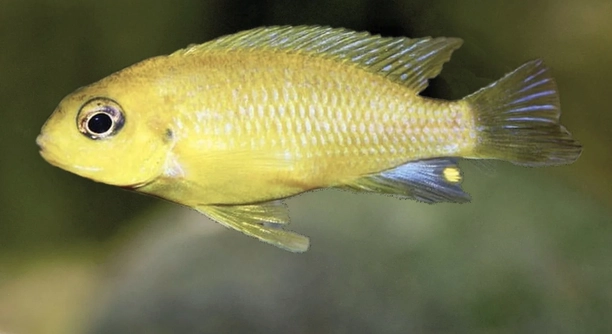
Keeping an Electric Yellow Cichlid can be a rewarding experience for fish enthusiasts who enjoy bright colors and active pets. These fish are known for their vibrant yellow hues and lively swimming behavior. Observing them can be very satisfying.
Yes, a single Electric Yellow Cichlid can be kept alone in a properly maintained tank. Adequate space, consistent water conditions, and proper diet are essential to ensure the fish’s health and reduce stress. Single cichlids thrive under these controlled conditions.
Learning the best setup for your tank will help maintain your fish’s vivid color and overall well-being. Proper care routines make a noticeable difference in a cichlid’s activity and happiness.
Tank Setup and Size
A single Electric Yellow Cichlid needs a tank that is spacious enough to allow free swimming and reduce stress. A 30-gallon tank is usually the minimum for one adult fish. Providing hiding spots like rocks, caves, or driftwood is important. These areas give the fish places to retreat and feel secure. Proper substrate, such as sand or fine gravel, can help mimic their natural environment. Consistent water conditions, including a stable pH between 7.8 and 8.6 and temperatures around 74–80°F, are essential. A quality filtration system ensures water remains clear and free from toxins. Regular water changes of about 20–25% weekly help maintain ideal conditions. Lighting should be moderate to show off their bright yellow color without causing stress. Avoid overcrowding and aggressive tankmates, as this can lead to injury or prolonged stress. Monitoring water parameters frequently allows you to catch issues before they affect your fish.
A well-planned tank with enough space and hiding spots supports the cichlid’s health and active behavior.
Observing a cichlid in a carefully arranged tank shows how much the right environment influences its color, activity, and overall mood. Proper setup makes it easier to notice when the fish is healthy, eating well, and exploring. Providing adequate filtration, hiding spots, and regular water changes reduces stress and minimizes potential aggression. Even a single fish can display natural behaviors when the tank is stable and enriched, making maintenance a more enjoyable process. The right balance of substrate, rocks, and caves allows for exploration while keeping the fish confident and secure. Tank size is also crucial—small tanks lead to limited movement, increased aggression, and poor water quality. Lighting and water parameters directly affect the vibrancy of their yellow coloration and the fish’s immune system. Regular observation helps catch early signs of illness or stress. Overall, investing in proper tank setup ensures a healthier and more lively cichlid.
Diet and Feeding
Electric Yellow Cichlids require a balanced diet that includes high-quality pellets, occasional frozen or live food, and vegetables.
Feeding once or twice a day in small portions ensures they receive nutrients without overfeeding.
A mix of protein-rich foods like brine shrimp, bloodworms, and specialized cichlid pellets supports growth and bright coloration. Adding blanched vegetables, such as spinach or zucchini, provides fiber and promotes digestive health. Avoid feeding excessive flakes or human food, which can lead to obesity or water pollution. Observing how much the fish eats in a few minutes prevents leftover food from decaying in the tank. It is also helpful to vary food types to stimulate natural foraging behaviors. Over time, consistent feeding routines help establish trust and allow the fish to become comfortable with its caretaker. Proper diet impacts not just growth, but also immune system strength, energy levels, and color intensity. Paying attention to nutrition will result in a more active, healthy, and visually striking Electric Yellow Cichlid.
Water Quality and Maintenance
Regular water changes are essential to keep ammonia, nitrite, and nitrate levels low. Testing water weekly ensures a stable environment and helps prevent health issues. Proper filtration supports a clean tank and maintains oxygen levels.
Maintaining water quality is one of the most important aspects of keeping an Electric Yellow Cichlid. Even a single fish produces waste that can quickly affect water parameters if not addressed. Weekly partial water changes, usually around 20–25%, help remove toxins while preserving beneficial bacteria. Using a reliable test kit allows you to monitor pH, hardness, ammonia, nitrite, and nitrate levels. Adjusting these parameters carefully keeps the fish comfortable and stress-free. Cleaning the filter monthly, rinsing it in tank water instead of tap water, preserves helpful bacteria.
Temperature and pH stability are crucial for cichlid health. Sudden changes can stress the fish and lead to illness. A heater with a thermostat helps maintain a consistent temperature, while careful pH adjustments prevent swings that can cause fin damage or lethargy. Monitoring these factors makes a visible difference in behavior and coloration, ensuring a healthier, more vibrant fish over time.
Social Behavior and Interaction
Even alone, Electric Yellow Cichlids display natural behaviors like exploring, digging, and showing territorial instincts. Observing these actions helps understand their needs and moods.
They are generally peaceful but can become territorial over time, especially around hiding spots or feeding areas. Even in a single-fish setup, they show curiosity and interact with their environment. Providing a variety of structures encourages activity and reduces boredom. Watching them claim a preferred cave or rearrange substrate can be fascinating, reflecting natural instincts. Interacting by gently approaching the tank or offering food at consistent times allows them to recognize your presence, adding a personal connection. Over time, these small routines build a comfortable environment where the fish feels secure, active, and visually vibrant.
Lighting and Tank Decor
Moderate lighting highlights the Electric Yellow Cichlid’s vibrant color without causing stress. Natural-looking decor, such as rocks and caves, gives them places to hide and explore.
Arranging the tank thoughtfully allows the fish to feel secure. Overly bright lights or open spaces can make them skittish.
Health Monitoring
Regularly observing your cichlid helps catch signs of illness early. Watch for changes in appetite, color, or activity. Stress, poor water quality, or improper diet can affect their health. Prompt attention to any issues prevents complications and keeps the fish lively and thriving.
Breeding Considerations
Even a single cichlid may show spawning behavior, such as digging or cleaning flat surfaces. Providing appropriate structures allows them to display natural instincts safely. Careful observation prevents stress and maintains a healthy, well-adjusted fish in a solo setup.
Compatibility with Other Fish
While a single Electric Yellow Cichlid can thrive alone, adding tankmates requires careful selection. Peaceful, similar-sized fish reduce aggression risk, but always monitor interactions closely.
FAQ
Can a single Electric Yellow Cichlid get lonely?
Electric Yellow Cichlids are naturally territorial but not social in large groups. A single fish can thrive alone as long as the tank environment is stimulating with hiding spots, rocks, and caves. Interaction with the surroundings, feeding routines, and observing their behaviors keeps them engaged and reduces stress.
How often should I feed my cichlid?
Feeding once or twice a day in small portions is ideal. Overfeeding can lead to poor water quality and health issues. A balanced diet including pellets, occasional frozen or live foods, and vegetables ensures proper growth, vibrant color, and good digestion. Monitor how much the fish eats in a few minutes to avoid leftovers.
What tank size is best for one fish?
A minimum of 30 gallons is recommended for a single adult. More space allows for natural movement, reduces stress, and supports stable water conditions. Additional hiding spots or decorations give the fish confidence and allow natural exploration, which improves activity and overall well-being.
How do I maintain proper water conditions?
Regular water changes of 20–25% weekly, testing pH, hardness, ammonia, nitrite, and nitrate levels, and maintaining temperature around 74–80°F are essential. Proper filtration and careful monitoring help prevent sudden changes that can stress the fish or lead to illness. Using a heater with a thermostat stabilizes temperature.
Can a single cichlid show aggressive behavior?
Even alone, they may display territorial behaviors like digging or guarding a favorite cave. These actions are natural and do not indicate a problem. Ensuring adequate space and enrichment helps prevent destructive or overly anxious behavior while keeping the fish confident and active.
What signs indicate health problems?
Changes in appetite, faded coloration, lethargy, clamped fins, or unusual swimming patterns are early warning signs. Stress, poor water quality, or improper diet are often the cause. Addressing these issues promptly with water adjustments, diet correction, or consulting a professional helps prevent serious illness.
Can I keep other fish with my Electric Yellow Cichlid?
Yes, but carefully. Peaceful, similar-sized species are best. Avoid overly aggressive or much smaller fish, which may get bullied or stressed. Monitor interactions closely, provide multiple hiding spots, and maintain sufficient space to reduce potential aggression.
How do I encourage vibrant coloration?
A proper diet with protein-rich foods and occasional vegetables, stable water conditions, and moderate lighting support bright yellow coloration. Avoid sudden water changes or stressors, as these can dull color. Regular observation ensures you notice changes in vibrancy quickly.
What are common mistakes to avoid?
Overcrowding, overfeeding, ignoring water parameters, and lack of enrichment are the most frequent mistakes. Each can lead to stress, illness, or behavioral issues. Following proper tank setup, feeding routines, and consistent monitoring helps the fish thrive and maintain a healthy, lively appearance.
How long do Electric Yellow Cichlids live?
With proper care, they can live 8–10 years or longer. Longevity depends on stable water conditions, balanced diet, and stress-free environment. Regular maintenance, careful observation, and a well-planned tank setup significantly contribute to their lifespan and overall health.
Can a single fish breed?
Yes, a single cichlid may show spawning behavior like cleaning surfaces or digging. Actual breeding requires a compatible mate, but observing these natural behaviors is normal and shows the fish is comfortable and healthy. Providing flat surfaces or caves allows these instincts to be expressed safely.
What equipment is essential for a solo setup?
A heater with a thermostat, quality filtration, water testing kits, substrate, hiding spots, and moderate lighting are essential. Each piece contributes to stable conditions, comfort, and natural behavior expression, ensuring your single cichlid remains active, healthy, and visually striking.
How can I reduce stress in a single cichlid?
Maintaining stable water parameters, providing hiding spots, avoiding sudden changes, and following consistent feeding schedules all reduce stress. Even alone, they benefit from a structured and enriched environment that allows natural behaviors and provides a sense of security.
Is it necessary to rearrange the tank?
Occasional rearrangement can stimulate exploration, but drastic changes may stress the fish. Gradual adjustments, such as moving one rock or cave at a time, allow the cichlid to adapt while keeping their territory recognizable and secure.
How do I monitor behavior effectively?
Spend a few minutes each day observing swimming patterns, appetite, color, and interaction with tank features. Consistent observation helps detect stress, illness, or boredom early and allows for timely adjustments to care or environment, ensuring a happy, healthy fish.
Keeping a single Electric Yellow Cichlid can be a very satisfying experience if the tank is properly set up and maintained. These fish are vibrant and active, and they show a lot of personality even when alone. With the right tank size, hiding spots, and decorations, they can explore and feel secure. Providing a stable environment with proper lighting, substrate, and water conditions allows the fish to display its natural behaviors like digging, exploring, and showing territorial instincts. Even without companions, a single cichlid can remain active and curious, interacting with its surroundings in ways that are interesting to observe. By setting up the tank thoughtfully, you are not only keeping the fish healthy but also giving it an environment where it feels safe and confident.
Diet and feeding are also important parts of keeping a single Electric Yellow Cichlid. Feeding once or twice a day in small portions helps prevent overfeeding and maintains water quality. A mix of high-quality pellets, occasional live or frozen foods, and vegetables ensures that the fish receives all the necessary nutrients. This balanced diet helps maintain vibrant coloration, strong growth, and good overall health. Observing how much your fish eats at each feeding helps prevent leftover food from fouling the tank. Over time, following a regular feeding routine not only keeps the fish healthy but also allows it to become comfortable with your presence, as it begins to recognize you during feeding times.
Water quality, maintenance, and careful observation are essential for long-term success. Regular water changes, monitoring pH, hardness, and temperature, and keeping the filter clean all help maintain a stable environment. Even small changes in water conditions can affect the cichlid’s health, so attention to detail is necessary. Observing behavior, coloration, and appetite daily allows you to detect early signs of stress or illness and make adjustments before problems escalate. Overall, keeping a single Electric Yellow Cichlid requires consistency and care, but it is rewarding. With proper setup, nutrition, and maintenance, these fish thrive alone, remaining active, colorful, and healthy for many years. A well-cared-for cichlid can bring satisfaction and a sense of connection, showing that even a solitary fish can live a full and lively life in a thoughtfully prepared home.

Hello,
If you enjoy the content that we create, please consider saying a "Thank You!" by leaving a tip.
Every little bit helps us continue crafting quality advice that supports the health, happiness, and well-being of pets around the world, for pets of all shapes, sizes, and species.
We really appreciate the kindness and support that you show us!