
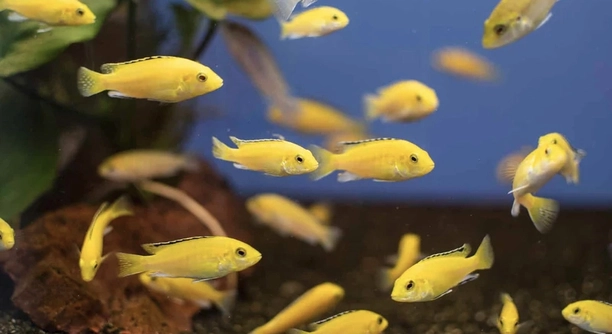
Electric Yellow Cichlids are vibrant fish that bring life to any aquarium. Choosing the right substrate is important, as it affects their behavior, comfort, and overall health in a home environment.
Electric Yellow Cichlids instinctively prefer substrates that mimic their natural habitat. Sand, fine gravel, and crushed coral are commonly favored. These substrates support natural digging, reduce stress, and maintain proper water chemistry, promoting their overall wellbeing in captivity.
Selecting the correct substrate can transform your aquarium into a more natural and comfortable space for your fish. Proper choices enhance both their behavior and the tank’s aesthetic appeal.
Sand Substrates
Sand is one of the most popular choices for Electric Yellow Cichlids. Its fine texture allows the fish to dig naturally without hurting themselves. Many cichlids use sand to sift for food, which encourages natural behavior. Light-colored sand is preferred because it highlights their bright yellow color and creates a calm environment. Sand also prevents debris from becoming trapped as easily as gravel might, which helps maintain cleaner water. When selecting sand, avoid sharp or coarse grains that could damage delicate fins or mouths. It’s important to rinse sand thoroughly before adding it to the tank to prevent cloudiness. Over time, sand can compact, so occasional gentle stirring helps maintain oxygenation. While sand may require more cleaning effort, it provides an ideal surface for digging, breeding, and resting. Proper layering with a depth of two to three inches is recommended for these active fish to thrive naturally.
Sand provides a natural, soft surface that encourages digging and reduces stress, enhancing the fish’s comfort and overall behavior in the aquarium.
Maintaining sand is manageable with regular vacuuming and monitoring. A thin layer of sand allows proper filtration, while deeper areas give cichlids room to dig and create small depressions. Combining sand with hiding spots, rocks, and plants creates a balanced environment that supports territorial behavior. Sand also stabilizes water chemistry by allowing beneficial bacteria to thrive, aiding in ammonia breakdown. Regular observation ensures that the sand remains free from compacted areas or buildup that could impact water flow. Its natural look complements bright cichlid colors and makes the tank visually appealing. Choosing the right sand enhances both the fish’s well-being and the tank’s aesthetic without requiring excessive maintenance. With consistent care, sand substrates provide a safe, stimulating, and attractive home for Electric Yellow Cichlids.
Fine Gravel
Fine gravel is another suitable substrate for Electric Yellow Cichlids. Its smooth texture prevents injury while still allowing digging and sifting behaviors. Gravel supports plant roots and offers stable surfaces for rock formations, enhancing the tank’s structure and appearance.
Fine gravel balances natural behavior with ease of maintenance, providing a safe and supportive base for cichlid activity.
Selecting fine gravel requires attention to grain size and smoothness. Small, rounded pieces prevent harm and allow fish to move comfortably while exploring. Gravel facilitates water circulation at the tank bottom, reducing the risk of trapped debris and creating a healthier environment. It is versatile and pairs well with both live and artificial plants, offering hiding spaces and territory markers for cichlids. Maintaining gravel involves gentle vacuuming to remove waste without disturbing the layer significantly. Unlike sand, gravel is less prone to compaction and supports varied tank decorations, giving a more structured look. Choosing the right type ensures the fish can display natural behaviors while the tank remains visually balanced. Proper care and regular cleaning of fine gravel maintain water quality, allowing Electric Yellow Cichlids to thrive in a well-designed habitat.
Crushed Coral
Crushed coral is ideal for maintaining stable water hardness and pH levels for Electric Yellow Cichlids. Its coarse texture allows digging without compacting, and it supports natural behavior while enhancing tank aesthetics.
Crushed coral slowly releases calcium carbonate, helping to buffer pH and maintain slightly alkaline conditions preferred by these cichlids. Its coarse grains create a textured surface for fish to explore, dig, and rearrange during territorial displays. While it can accumulate debris, regular rinsing and vacuuming prevent excessive buildup. Combining crushed coral with rocks or sand can create varied environments, offering both digging areas and resting spots. This substrate supports healthy behavior while keeping water chemistry stable, which is essential for the long-term well-being of Electric Yellow Cichlids.
Besides maintaining pH, crushed coral provides a natural appearance that complements bright yellow coloration. Its ability to prevent compaction allows for easier cleaning and reduces stress, as the fish can dig freely. This substrate also encourages egg-laying behaviors, as cichlids often create shallow depressions for breeding. By carefully layering and monitoring crushed coral, it becomes both functional and decorative, giving the tank a balanced look. Regular maintenance ensures it remains effective in buffering water, providing a safe and stimulating environment for these active, territorial fish.
Aquarium Sand Mix
A sand mix combines fine sand and small gravel to offer both comfort and structure. It encourages natural digging while supporting plants and décor placement.
Sand mixes provide a balanced substrate that promotes natural cichlid behaviors. The fine particles allow digging and sifting, while the small gravel pieces prevent compacting and improve water circulation. This combination supports root growth for plants, creating a more stable tank environment. Mixing sand and gravel also adds visual depth, highlighting fish colors and tank features. It can reduce stress by giving cichlids both soft and structured surfaces to explore and interact with.
The sand mix’s versatility makes it practical for various tank setups. Fish can dig comfortably without harming themselves, and the mixture accommodates decorations and hiding spots. Gravel pieces aid in filtration, preventing debris accumulation while maintaining water flow. Plants rooted in the mix thrive more easily than in pure sand, and the mix’s layered texture encourages natural territorial behaviors. Properly maintained, it provides both functionality and aesthetics, keeping water quality stable. Electric Yellow Cichlids benefit from a dynamic substrate that supports activity, breeding behaviors, and overall well-being.
Silica Sand
Silica sand is soft and smooth, making it gentle on Electric Yellow Cichlids’ fins and mouths. It allows natural digging and sifting behaviors while maintaining a clean, visually appealing tank bottom.
This substrate is chemically stable and does not alter water parameters. Its neutral color highlights bright fish colors and blends well with decorations.
River Pebbles
River pebbles add texture and depth to the tank while providing stable surfaces for fish to explore. Their smooth, rounded shapes prevent injury during digging or territorial behavior.
Calcareous Substrate
Calcareous substrate helps maintain slightly alkaline water and supplies essential minerals. It supports natural behaviors and improves water stability, which is important for Electric Yellow Cichlids’ health and activity.
Bare Bottom
A bare bottom tank is easy to clean and reduces debris buildup. It allows for monitoring waste and maintains high water quality while providing an uncluttered environment for cichlid activity.
FAQ
What is the best substrate for Electric Yellow Cichlids?
The best substrates are sand, fine gravel, and crushed coral. These options allow natural digging, support territorial behavior, and maintain stable water parameters. Sand is gentle on their mouths and fins, gravel provides structure for decorations, and crushed coral helps maintain pH levels. Mixing sand with small gravel can create a balanced environment that promotes digging while also supporting plants and decorations. Choosing the right substrate ensures fish comfort, reduces stress, and encourages natural activity. Regular maintenance, including rinsing and occasional vacuuming, keeps the substrate clean and functional.
Can Electric Yellow Cichlids live without substrate?
Yes, a bare bottom tank can work for Electric Yellow Cichlids. It makes cleaning easier and allows for better monitoring of waste. However, it removes natural digging opportunities, which are important for their behavior. Many aquarists add decorations, rocks, or flat surfaces to compensate, helping fish establish territories. Bare bottom setups still require proper filtration and water changes to maintain health, but they are practical for breeders or quarantine tanks where ease of maintenance is a priority.
How deep should the substrate be for these cichlids?
A depth of two to three inches is usually sufficient for digging and resting. Sand or fine gravel allows cichlids to create shallow depressions, which they often use for breeding or territory marking. Deeper layers may compact over time, so occasional stirring is helpful. Crushed coral layers can also be two inches deep to maintain proper water chemistry while still supporting natural behaviors. A consistent substrate depth helps the fish feel secure and encourages activity, reducing stress and promoting overall well-being.
Do different substrates affect water chemistry?
Yes, substrates like crushed coral or calcareous materials can increase water hardness and buffer pH, creating slightly alkaline conditions. Sand and fine gravel are more neutral and do not significantly change water parameters. Mixing substrates can balance aesthetics and chemical stability. Monitoring pH and hardness regularly ensures the water remains within the ideal range for Electric Yellow Cichlids. Maintaining water quality is crucial, as abrupt changes can stress the fish, impact health, and reduce activity levels. Proper substrate selection works hand in hand with filtration to keep the tank stable.
Can I use natural river sand from outside?
Using river sand from outdoors is not recommended. It can carry contaminants, bacteria, or parasites harmful to fish. Store-bought aquarium sand is cleaned and safe for cichlids. Pre-rinsing is still necessary to remove dust or fine particles. Safe sand protects fish health and prevents water cloudiness, ensuring a clean, stable environment. It also avoids introducing unknown chemicals or minerals that could affect water parameters.
How often should I clean the substrate?
Substrate maintenance depends on its type. Sand and gravel benefit from occasional vacuuming to remove debris. Crushed coral may need rinsing to prevent buildup of organic material. Regular cleaning keeps water quality high, reduces ammonia spikes, and maintains a healthy environment for digging and sifting behaviors. Avoid over-cleaning, which can disturb beneficial bacteria and affect water chemistry. Light stirring or spot cleaning is often sufficient for keeping the substrate functional and fish-safe.
Can substrates affect breeding behavior?
Yes, Electric Yellow Cichlids often use substrates to create shallow pits or depressions for egg-laying. Sand and fine gravel are ideal because they are easy to move and provide secure areas for eggs. Crushed coral and calcareous substrates can also support breeding, especially if flat surfaces are available. Bare bottom tanks may require artificial pits or rocks to encourage natural breeding behaviors. Proper substrate selection enhances reproductive success by giving fish a familiar and comfortable environment.
Is substrate color important for Electric Yellow Cichlids?
Yes, light-colored sand or gravel highlights their bright yellow coloration and creates a calming environment. Dark substrates can make colors appear muted. Choosing a neutral or pale substrate improves tank aesthetics and reduces stress, as cichlids feel more secure in environments that resemble their natural habitats. The right color also complements decorations and plants without overwhelming the tank visually.
Can I mix different substrates in one tank?
Mixing substrates is possible and often beneficial. Combining sand with fine gravel or crushed coral creates varied textures, supports plants, and maintains chemical stability. Layers should be carefully arranged to prevent excessive compaction or uneven settling. Mixed substrates encourage natural behaviors, provide digging areas, and allow decorative flexibility. Properly layered mixtures support both aesthetics and fish health, creating a balanced environment for Electric Yellow Cichlids to thrive.
How does substrate impact stress levels in cichlids?
A comfortable, familiar substrate reduces stress and encourages natural activity. Sand and gravel allow digging, sifting, and territory marking. Unfamiliar or inappropriate substrates can lead to hiding, aggression, or decreased feeding. Proper selection, depth, and maintenance of substrate improve well-being, creating a more active, healthy, and visually appealing aquarium.
The FAQ covers the most common concerns about substrate choices, depth, maintenance, and effects on behavior, ensuring Electric Yellow Cichlids live in a safe and stimulating environment.
Choosing the right substrate for Electric Yellow Cichlids is an essential part of creating a healthy and comfortable aquarium. These fish have natural behaviors such as digging, sifting, and establishing territories that are influenced by the type of substrate in their tank. Sand, fine gravel, and crushed coral are among the most popular choices because they provide surfaces that are safe for digging and help maintain stable water conditions. Sand is gentle on their fins and mouths, encouraging natural sifting behavior, while fine gravel provides structure for decorations and plants. Crushed coral contributes to maintaining slightly alkaline water, which these cichlids prefer. A careful combination of these substrates can create a balanced environment, supporting both the fish’s physical health and their behavioral needs. Observing the fish and noting their interaction with the substrate can also help adjust the tank setup for maximum comfort and activity.
Substrate maintenance is another important factor to consider. Regular cleaning prevents debris buildup and helps maintain water quality. Sand and gravel may require occasional vacuuming, while crushed coral can be rinsed to avoid excess accumulation of waste. Mixed substrates, such as sand layered with small gravel or crushed coral, can provide both digging areas and structural support for plants and decorations, but they may need more careful monitoring to prevent compaction or uneven settling. Proper maintenance ensures that the tank remains visually appealing while supporting a safe environment for the cichlids. Additionally, paying attention to substrate depth is important. A two- to three-inch layer generally allows enough space for digging and breeding behaviors without becoming overly compacted, which can affect water circulation and oxygenation. Regular observation of the fish and the substrate can help identify any issues early, keeping the habitat both functional and aesthetically pleasing.
The choice of substrate also plays a role in the overall well-being and stress levels of Electric Yellow Cichlids. Natural substrates that allow digging and sifting reduce stress and encourage active behavior. Substrate color can also influence how vibrant the fish appear and how comfortable they feel in their environment. Light-colored sand or gravel highlights their yellow coloration, while darker substrates may provide contrast but could alter the perception of their colors. Bare bottom tanks are an option for easier cleaning but remove opportunities for natural behaviors, which can affect activity and breeding. Considering these factors carefully will help create a tank that meets both the physical and behavioral needs of the fish. By choosing the right substrate, maintaining it properly, and observing the fish, aquarists can provide a balanced, healthy, and stimulating environment for Electric Yellow Cichlids that encourages their natural behaviors and enhances the beauty of the aquarium.

Hello,
If you enjoy the content that we create, please consider saying a "Thank You!" by leaving a tip.
Every little bit helps us continue crafting quality advice that supports the health, happiness, and well-being of pets around the world, for pets of all shapes, sizes, and species.
We really appreciate the kindness and support that you show us!