
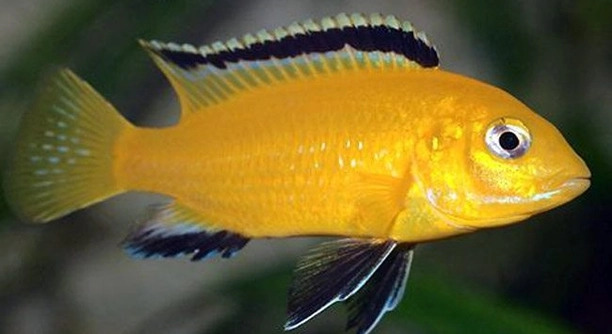
Cichlids are colorful and active fish that bring life to any aquarium. Their natural aggression, however, can lead to fights that may injure them or disturb the tank’s harmony. Understanding their behavior is essential for a safe environment.
Preventing injury from cichlid fights requires proper tank management, careful selection of compatible species, and monitoring territorial behavior. Providing hiding spaces, maintaining adequate tank size, and minimizing stressors are effective strategies to reduce aggression and promote the overall well-being of the fish.
Learning how to manage cichlid behavior can make your aquarium safer and more enjoyable for both you and your fish. Proper care ensures healthier, less aggressive interactions over time.
Understanding Cichlid Aggression
Cichlids are naturally territorial, and their aggression often stems from instincts rather than malice. Different species have varying levels of dominance, which can influence how they interact in a shared tank. Territorial disputes often occur around feeding areas, hiding spots, or breeding spaces. Observing your fish regularly helps identify patterns of aggression before serious injuries occur. Younger cichlids may display playful sparring, but older or larger fish can cause real harm. Tank size and environment play crucial roles in reducing confrontations. Overcrowding often leads to increased stress, making fights more frequent and intense. Providing visual barriers or separate territories can help limit conflict. Certain decorations, rocks, and plants allow fish to claim space without direct contact. Water quality also affects mood and behavior; poor conditions can amplify irritability. Feeding routines and diet balance influence energy levels, indirectly impacting aggression. Consistent care and attention allow you to maintain harmony while respecting the natural instincts of these lively fish.
Observing behavior closely is key to preventing injuries. Small adjustments in environment can make a big difference in reducing stress.
Proper planning and understanding of cichlid behavior allows for a safer tank. Implementing barriers, adjusting tank layout, and monitoring interactions create an environment where fish can thrive with minimal conflict. Regular maintenance and attentive care are essential to maintain balance.
Tank Setup and Space Management
Providing adequate space is critical for reducing aggression in cichlids. A larger tank allows each fish to establish its own territory without constant confrontation.
Choosing the right tank size depends on the species and number of fish. Overcrowding increases competition for territory and resources, which can escalate fights quickly. Including plenty of hiding spots, rocks, and plants gives fish options to retreat when tensions rise. Vertical and horizontal space are equally important, as some cichlids prefer different levels of the tank. Creating separate zones helps prevent dominant individuals from monopolizing key areas, reducing stress for less aggressive fish. Regularly observing fish behavior lets you adjust decorations and layouts as needed. When introducing new fish, gradual acclimation and monitoring help avoid immediate clashes. Water flow and filtration can also influence aggression; strong currents may stress some species, while gentle movement can keep the tank calm. Proper feeding strategies prevent competition at mealtimes. Combining all these measures ensures a healthier, more balanced environment where cichlids can coexist with minimal injury risk.
Understanding Cichlid Aggression
Cichlids are naturally territorial, and their aggression often stems from instincts rather than malice. Different species have varying levels of dominance, which can influence how they interact in a shared tank. Territorial disputes often occur around feeding areas, hiding spots, or breeding spaces. Observing your fish regularly helps identify patterns of aggression before serious injuries occur. Younger cichlids may display playful sparring, but older or larger fish can cause real harm. Tank size and environment play crucial roles in reducing confrontations. Overcrowding often leads to increased stress, making fights more frequent and intense. Providing visual barriers or separate territories can help limit conflict. Certain decorations, rocks, and plants allow fish to claim space without direct contact. Water quality also affects mood and behavior; poor conditions can amplify irritability. Feeding routines and diet balance influence energy levels, indirectly impacting aggression. Consistent care and attention allow you to maintain harmony while respecting the natural instincts of these lively fish.
Observing behavior closely is key to preventing injuries. Small adjustments in environment can make a big difference in reducing stress.
Proper planning and understanding of cichlid behavior allows for a safer tank. Implementing barriers, adjusting tank layout, and monitoring interactions create an environment where fish can thrive with minimal conflict. Regular maintenance and attentive care are essential to maintain balance.
Tank Setup and Space Management
Providing adequate space is critical for reducing aggression in cichlids. A larger tank allows each fish to establish its own territory without constant confrontation.
Choosing the right tank size depends on the species and number of fish. Overcrowding increases competition for territory and resources, which can escalate fights quickly. Including plenty of hiding spots, rocks, and plants gives fish options to retreat when tensions rise. Vertical and horizontal space are equally important, as some cichlids prefer different levels of the tank. Creating separate zones helps prevent dominant individuals from monopolizing key areas, reducing stress for less aggressive fish. Regularly observing fish behavior lets you adjust decorations and layouts as needed. When introducing new fish, gradual acclimation and monitoring help avoid immediate clashes. Water flow and filtration can also influence aggression; strong currents may stress some species, while gentle movement can keep the tank calm. Proper feeding strategies prevent competition at mealtimes. Combining all these measures ensures a healthier, more balanced environment where cichlids can coexist with minimal injury risk.
Understanding Cichlid Aggression
Cichlids are naturally territorial, and their aggression often stems from instincts rather than malice. Different species have varying levels of dominance, which can influence how they interact in a shared tank. Territorial disputes often occur around feeding areas, hiding spots, or breeding spaces. Observing your fish regularly helps identify patterns of aggression before serious injuries occur. Younger cichlids may display playful sparring, but older or larger fish can cause real harm. Tank size and environment play crucial roles in reducing confrontations. Overcrowding often leads to increased stress, making fights more frequent and intense. Providing visual barriers or separate territories can help limit conflict. Certain decorations, rocks, and plants allow fish to claim space without direct contact. Water quality also affects mood and behavior; poor conditions can amplify irritability. Feeding routines and diet balance influence energy levels, indirectly impacting aggression. Consistent care and attention allow you to maintain harmony while respecting the natural instincts of these lively fish.
Observing behavior closely is key to preventing injuries. Small adjustments in environment can make a big difference in reducing stress.
Proper planning and understanding of cichlid behavior allows for a safer tank. Implementing barriers, adjusting tank layout, and monitoring interactions create an environment where fish can thrive with minimal conflict. Regular maintenance and attentive care are essential to maintain balance.
Tank Setup and Space Management
Providing adequate space is critical for reducing aggression in cichlids. A larger tank allows each fish to establish its own territory without constant confrontation.
Choosing the right tank size depends on the species and number of fish. Overcrowding increases competition for territory and resources, which can escalate fights quickly. Including plenty of hiding spots, rocks, and plants gives fish options to retreat when tensions rise. Vertical and horizontal space are equally important, as some cichlids prefer different levels of the tank. Creating separate zones helps prevent dominant individuals from monopolizing key areas, reducing stress for less aggressive fish. Regularly observing fish behavior lets you adjust decorations and layouts as needed. When introducing new fish, gradual acclimation and monitoring help avoid immediate clashes. Water flow and filtration can also influence aggression; strong currents may stress some species, while gentle movement can keep the tank calm. Proper feeding strategies prevent competition at mealtimes. Combining all these measures ensures a healthier, more balanced environment where cichlids can coexist with minimal injury risk.
FAQ
How can I tell if my cichlid is injured after a fight?
Signs of injury include torn fins, scratches, missing scales, or unusual swimming patterns. Fish may hide more than usual or show reduced appetite. Swollen areas or redness along the body indicate stress or damage. Immediate observation is important, as untreated injuries can lead to infections. Keeping a close eye on their behavior allows you to act quickly and provide appropriate care. Minor injuries can heal on their own in a clean, stable environment, but serious wounds may require isolation and treatment. Water quality plays a major role in recovery. Stress from continued aggression can worsen even minor injuries.
What should I do if two cichlids keep fighting?
Separating the aggressive individuals is often necessary to prevent further harm. Rearranging tank decorations or adding visual barriers can reduce confrontation. Sometimes, moving a new or aggressive fish to a quarantine tank temporarily helps reestablish peace. Increasing the number of hiding spots or plants gives less dominant fish space to retreat. Avoid feeding in the same area to reduce competition. Observing interactions regularly helps identify persistent aggressors. In some cases, changing the tank’s layout entirely breaks established territories and lowers tension. Adding compatible species may also diffuse aggression, as long as space allows. Consistency and patience are key to managing recurring fights.
Can tank size affect cichlid aggression?
Yes, tank size directly impacts aggression levels. Smaller tanks force fish into closer quarters, increasing territorial disputes. Larger tanks provide more space for fish to claim individual territories, reducing constant confrontations. Overcrowding amplifies stress, making aggressive behavior more frequent and severe. A general rule is to allow sufficient space for each species based on their adult size. Vertical and horizontal space distribution matters, as some species prefer different levels in the tank. Providing extra room for hiding and swimming minimizes competition for territory. Proper tank dimensions are a preventative measure that significantly lowers the risk of injuries.
What role do hiding spots play in preventing fights?
Hiding spots offer fish a retreat from dominant or aggressive individuals. Rocks, caves, plants, and decorations create territories where fish can feel safe. They reduce stress and help maintain social balance, especially in mixed-species tanks. Hiding spots also prevent constant visual contact, which can trigger fights. Multiple retreats ensure that weaker or smaller fish are not cornered. Positioning these spots strategically across the tank allows equal access. Overcrowding hiding areas is unnecessary; a few well-placed structures suffice. The presence of shelters helps in breeding scenarios, giving fish separate spaces to care for eggs or fry without interference. Regularly assessing and adjusting hiding spots supports a calmer environment and fewer injuries over time.
How should I treat injuries caused by cichlid fights?
Minor injuries can heal in a clean, well-maintained tank with stable water parameters. Salt baths may help reduce stress and prevent infections. For more severe wounds, isolating the injured fish in a hospital tank is recommended. Antibacterial or antifungal treatments may be necessary depending on the type of injury. Monitor the fish daily for signs of improvement or worsening conditions. Avoid placing aggressive fish back into the same environment until full recovery occurs. Maintaining optimal water temperature, pH, and cleanliness supports faster healing. Nutrition also plays a role; high-quality food strengthens immune response. Quick attention to injuries ensures minimal complications and better long-term health.
Can diet influence aggression in cichlids?
Yes, diet affects energy levels and behavior. Overfeeding or low-quality food can increase irritability. A balanced diet tailored to the species supports calm behavior and overall health. Protein-rich diets help maintain strength, while fiber and vegetable matter aid digestion and reduce stress. Feeding multiple smaller portions rather than one large meal can prevent competition and fighting. Ensuring all fish have equal access to food avoids dominance struggles. Avoid sudden diet changes, as they may trigger stress-related aggression. Supplements or vitamins may help during recovery from injuries. Proper feeding routines contribute to a more harmonious tank environment and reduced injury risk.
Is it better to keep similar cichlid species together?
Keeping similar species together often reduces aggression because they share comparable behavior patterns. Different species with contrasting temperaments are more likely to fight over territory and resources. Compatibility should consider size, dominance, and natural behavior. Observing fish before permanent placement allows adjustments based on actual interactions. Some hybrids or highly aggressive species may require separate tanks regardless of similarity. Choosing compatible species minimizes stress and creates a more stable community tank. Even with similar species, providing adequate space and hiding spots is essential. Careful selection and monitoring prevent prolonged conflicts and injuries.
How can I introduce new cichlids safely?
Introduce new fish gradually to prevent aggression. Use a quarantine or acclimation tank to monitor health and behavior before adding them to the main tank. Rearranging decorations temporarily can disrupt established territories and reduce conflict. Adding multiple fish at once can sometimes diffuse aggression, as no single fish dominates immediately. Feeding strategies should be adjusted to minimize competition. Monitor all interactions closely for the first few days. Remove any overly aggressive individuals if necessary. Gradual introductions, along with proper tank adjustments, help integrate new fish without causing injuries or long-term stress.
What environmental factors increase fighting?
Stressors like poor water quality, incorrect temperature, or sudden changes in lighting can trigger aggression. Overcrowding or insufficient hiding spaces also escalate conflicts. Inconsistent feeding schedules increase competition among fish. Territorial disputes rise when decorations or substrate are rearranged frequently. Noise or vibrations near the tank can startle fish, provoking fights. Understanding these triggers allows proactive measures to reduce aggression. Stabilizing water conditions and maintaining a consistent routine promotes calmer behavior. A well-structured environment with predictable conditions keeps fish less stressed and less likely to injure each other.
Are some cichlids naturally more aggressive than others?
Yes, aggression varies widely among species. African cichlids like Mbunas are typically more territorial than South American species. Size, maturity, and sex also influence dominance. Male cichlids are usually more aggressive, especially during breeding. Knowing the specific temperament of each species helps plan compatible communities. Aggressive individuals within a species may still exist, requiring observation and potential separation. Choosing species with known social behaviors minimizes conflicts and injuries. Matching temperament and providing proper space reduces unnecessary fights and ensures a healthier tank environment for all fish.
Final Thoughts
Cichlids are fascinating fish with unique behaviors that make them both rewarding and challenging to keep. Their natural territorial instincts mean that conflicts are almost inevitable, especially when multiple fish share the same space. Understanding their behavior is the first step toward preventing injuries and maintaining a calm aquarium. Observing fish regularly helps identify early signs of stress or aggression, allowing adjustments before problems escalate. Small actions, like rearranging decorations or adding hiding spots, can make a significant difference in reducing tension. Choosing compatible species and providing adequate space is equally important. Overcrowding or mixing incompatible types often leads to serious fights that can result in injury or long-term stress for the fish. A well-planned tank not only minimizes physical harm but also creates a more balanced social environment.
Maintaining water quality and proper feeding routines also plays a key role in keeping cichlids healthy and less aggressive. Poor water conditions, sudden temperature shifts, or irregular feeding can increase stress, which often triggers unnecessary fighting. Providing a balanced diet tailored to the species’ needs helps support strong immune systems and reduces irritability. Feeding smaller, frequent portions instead of large meals limits competition, which also reduces the chance of conflict. Hiding spots and visual barriers are essential for giving each fish its own space and helping them feel secure. Decorations, rocks, and plants can create multiple territories within the tank, ensuring that weaker or less dominant fish have areas to retreat without being chased. Paying attention to these details allows you to maintain both physical and mental well-being for your fish, creating a healthier and more peaceful environment over time.
Consistency, patience, and careful planning are the most important factors in preventing injuries from cichlid fights. Monitoring behavior, making gradual adjustments to the tank, and responding quickly to signs of aggression all contribute to a safer aquarium. Even with careful preparation, occasional minor disputes may occur, but proactive management can prevent serious injuries. Understanding the unique characteristics of each species, providing appropriate space, and maintaining stable environmental conditions create the foundation for a balanced and harmonious tank. With thoughtful care, cichlids can thrive without constant injury, allowing you to enjoy their vibrant colors and active behavior. Over time, these measures not only improve the health and longevity of the fish but also enhance the overall enjoyment and satisfaction of maintaining a lively and peaceful aquarium.

Hello,
If you enjoy the content that we create, please consider saying a "Thank You!" by leaving a tip.
Every little bit helps us continue crafting quality advice that supports the health, happiness, and well-being of pets around the world, for pets of all shapes, sizes, and species.
We really appreciate the kindness and support that you show us!