
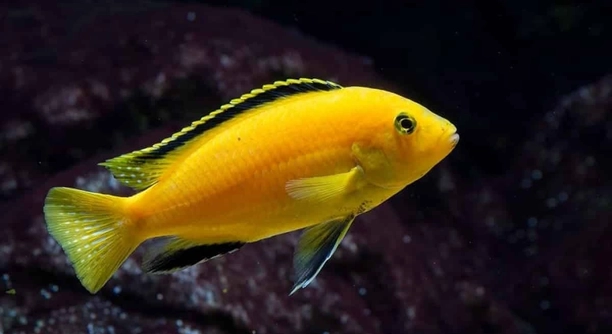
Are your electric yellow cichlids staying small despite your efforts? Many aquarists face this issue, noticing that even healthy-looking fish sometimes fail to reach their expected size over time. Growth can be slower than anticipated for various reasons.
The primary causes of stunted growth in electric yellow cichlids include improper diet, inadequate tank size, poor water quality, insufficient lighting, stress from tank mates, underlying illness, and genetics. Addressing these factors systematically can promote healthy development.
Learning how to adjust feeding, tank conditions, and care routines can greatly improve your cichlid’s growth and overall wellbeing. These steps are essential for achieving a thriving and vibrant aquarium environment.
Improper Diet
Electric yellow cichlids need a balanced diet to grow properly. Feeding only flakes or low-quality pellets can limit their development. They require a mix of protein, vegetables, and occasional live or frozen foods. Overfeeding can also cause digestive issues and slow growth, while underfeeding prevents them from gaining necessary nutrients. Foods rich in vitamins and minerals, such as spirulina, brine shrimp, and high-quality cichlid pellets, support vibrant color and steady growth. Rotating foods keeps them interested in eating and ensures they receive a wider range of nutrients. Additionally, feeding small portions multiple times a day is better than one large feeding. Maintaining a consistent feeding schedule helps them absorb nutrients efficiently. Avoid feeding them human foods or items not made for fish, as this can damage their digestive system. Proper nutrition is one of the easiest ways to encourage healthy size and energy in your electric yellow cichlids.
Proper feeding affects growth significantly and keeps your fish healthy and active in the tank.
Small changes in diet can lead to noticeable growth improvements over a few weeks. Regularly observing eating habits helps identify what works best for your fish.
Tank Size and Environment
A small tank can restrict growth and increase stress.
Electric yellow cichlids thrive in tanks that provide at least 30 gallons for a few fish. A cramped environment limits movement and can stunt growth. They also need hiding spots and rocks to reduce stress and establish territories. Proper water temperature, between 74–80°F, and stable pH levels promote healthy metabolic function. Sudden changes in water conditions can shock fish and slow development. Adequate filtration and regular water changes maintain clean water, preventing buildup of harmful chemicals. Using plants or decorations that mimic their natural habitat encourages natural behavior and reduces tension among tank mates. Avoid overstocking, as overcrowding increases competition for food and space, which directly impacts growth. Monitoring the tank regularly ensures conditions remain optimal. Even small adjustments to temperature, décor, and water flow can have a major impact on your cichlids’ growth rate. Creating a stable, spacious, and natural-feeling environment supports overall health and helps your fish reach their full potential.
Poor Water Quality
Dirty or unstable water can stunt growth and cause stress. Electric yellow cichlids need clean water with proper filtration and regular maintenance to thrive.
Regular water changes and testing are essential. Ammonia, nitrite, and nitrate levels must remain low. Using a reliable filter and cleaning it periodically prevents debris buildup. Avoid overfeeding, as uneaten food decomposes and pollutes water. Temperature and pH stability are equally important. Even small fluctuations can weaken the fish, making them more prone to illness and slowing growth. Maintaining optimal water conditions ensures that your cichlids can digest food efficiently, absorb nutrients, and grow steadily over time. Monitoring water parameters weekly allows for quick corrections, keeping the environment safe and supportive for your fish.
Even if your fish appear healthy, poor water conditions silently affect their growth. Investing time in tank maintenance pays off with stronger, larger, and more vibrant cichlids.
Stress from Tank Mates
Aggressive or overly dominant tank mates can limit growth in electric yellow cichlids.
Stress affects appetite, behavior, and overall health. Cichlids exposed to constant bullying may hide, eat less, or develop weaker immune systems. Choosing compatible species and arranging hiding spaces reduces tension. Separate aggressive fish if necessary, especially during feeding times. Observing interactions helps identify which fish are causing stress. Providing sufficient space for territories and avoiding overcrowding minimizes conflicts. Stress also increases vulnerability to disease, further slowing growth. Regularly monitoring fish behavior allows you to intervene before serious problems arise. Stress management is as important as diet or water quality for proper development, ensuring that your electric yellow cichlids can grow in a safe and stable environment.
Inadequate Lighting
Electric yellow cichlids need consistent lighting for healthy growth. Poor or irregular light can affect their metabolism and reduce appetite, slowing development. Maintaining a regular day-night cycle supports natural behavior and overall wellbeing.
Proper lighting also enhances coloration and activity. Using full-spectrum aquarium lights for 8–10 hours daily ensures your fish stay active and eat properly, promoting steady growth.
Underlying Illness
Illnesses can stunt growth even when diet and environment are adequate. Parasites, bacterial infections, or internal issues prevent nutrient absorption, affecting size and energy levels. Early detection through observation of appetite, swimming patterns, and appearance is crucial.
Treating illnesses promptly helps restore growth potential. Quarantining sick fish, using appropriate medications, and maintaining water quality reduce stress and prevent spread. Ignoring symptoms can lead to prolonged stunting and even mortality. Regular health checks and preventive measures, such as keeping the tank clean and providing a balanced diet, minimize risks. A healthy fish is more likely to reach its expected size and display vibrant color.
Genetics
Some electric yellow cichlids naturally grow slower due to genetic factors. Size potential varies among individual fish, and selective breeding can influence growth rates.
How fast should my electric yellow cichlid grow?
Electric yellow cichlids typically grow about one to two inches per month during their first year if conditions are ideal. Growth slows after the first year, and they usually reach their full size between six and eight inches. Tank size, diet, and water quality all influence growth rates. Even healthy fish may grow slower if stressed or overcrowded. Monitoring their size and activity can help determine if growth is on track.
Why is my cichlid still small after months?
If your fish isn’t growing as expected, several factors could be involved. Poor nutrition, inconsistent feeding, water quality issues, stress from tank mates, and underlying illnesses all contribute to stunted growth. Genetics can also play a role; some fish are naturally smaller. Reviewing tank conditions, diet, and behavior is essential to identify causes. Adjusting these factors can help your cichlid gain size steadily. Regularly observing eating habits and activity ensures they are getting enough nutrients to grow.
Can tank size really affect growth?
Yes, tank size significantly impacts growth. Electric yellow cichlids need space to swim freely, establish territories, and reduce stress. A small tank limits movement, increases aggression, and can stunt development. Providing at least 30 gallons for a small group allows them to grow optimally. Adding rocks, caves, and hiding spots helps reduce tension and mimic natural conditions. Proper tank maintenance in a larger environment also helps maintain stable water quality, which is crucial for healthy growth.
What is the best diet for growth?
A balanced diet is critical for size and health. High-quality cichlid pellets, supplemented with protein-rich foods like brine shrimp or bloodworms, promote muscle development. Vegetables like spinach or spirulina add vitamins and minerals. Feeding small portions two to three times daily prevents overfeeding and ensures nutrients are absorbed efficiently. Avoid feeding only flakes or human food, as they lack essential nutrients and can harm digestion. Rotating foods keeps your fish interested in eating and helps prevent dietary deficiencies that slow growth.
How often should I change the water?
Frequent water changes are key for growth. Replacing 20–30% of the water weekly keeps ammonia, nitrite, and nitrate at safe levels. Clean water supports digestion, reduces stress, and prevents disease. Using a reliable filter, monitoring pH and temperature, and avoiding sudden changes maintain stability. Even healthy-looking fish are affected by subtle water quality issues. Consistent maintenance creates an environment where your electric yellow cichlid can absorb nutrients effectively and grow steadily.
Can stress really stop growth?
Stress has a direct effect on growth. Aggressive tank mates, overcrowding, and insufficient hiding spaces can reduce appetite and weaken the immune system. Stressed fish may eat less or hide constantly, limiting nutrient intake. Observing interactions and providing appropriate territories, caves, and rocks can reduce tension. In some cases, separating aggressive fish or adjusting the tank layout is necessary. Reducing stress allows your cichlid to focus on feeding, metabolism, and growth rather than survival.
How do I know if my fish is sick?
Signs of illness include lethargy, loss of appetite, unusual swimming patterns, discoloration, and fin damage. Parasites, bacterial infections, or internal problems can slow growth even when diet and environment are adequate. Quarantining sick fish and using proper medications helps restore health. Maintaining water quality, a balanced diet, and minimal stress reduces the risk of illness. Early detection ensures growth isn’t permanently affected and supports long-term wellbeing.
Is genetics a major factor in size?
Genetics determine maximum size potential. Some electric yellow cichlids naturally grow smaller or larger, even under ideal conditions. While tank conditions, diet, and care influence growth, genetics set limits. Breeding from smaller fish may produce offspring with slower growth rates. Understanding this helps set realistic expectations and avoids frustration. Focus on providing optimal conditions to help each fish reach its full potential within its genetic limits.
How long will it take to see growth improvements?
When adjustments are made to diet, water quality, and tank conditions, noticeable growth can appear within a few weeks to a couple of months. Patience is important, as fish metabolism and development take time. Consistent care, monitoring, and gradual improvements yield the best results. Even small changes in environment or nutrition can have a measurable impact on growth over time.
Electric yellow cichlids are beautiful and vibrant fish that bring life to any aquarium, but their growth depends on consistent care and attention. Many factors affect how quickly they grow, including diet, tank size, water quality, stress, illness, and genetics. By focusing on each of these areas, you can give your cichlids the best chance to reach their full potential. Feeding a balanced diet with high-quality pellets, occasional protein-rich foods, and vegetables provides the nutrients they need for proper development. Overfeeding or underfeeding can slow growth, so paying attention to portions and feeding schedules is essential. Small, frequent meals are often better than one large feeding, and rotating food types ensures they get a wide range of nutrients.
Maintaining a stable and clean environment is just as important as diet. Water quality has a direct impact on metabolism, digestion, and overall health. Regular water changes, a reliable filtration system, and monitoring of pH and temperature are key steps in creating a healthy tank. Stress from overcrowding or aggressive tank mates can reduce appetite and stunt growth, so providing hiding spots and adequate space is critical. Even small adjustments to tank layout, lighting, or decorations can make a noticeable difference in how comfortable your cichlids feel. Reducing stress allows them to eat properly, stay active, and grow steadily. Regular observation of behavior and interactions also helps identify potential issues before they affect growth significantly.
It is also important to recognize that genetics play a role in size and growth rates. Some electric yellow cichlids may grow slower or remain smaller even under ideal conditions. While care and environment can maximize growth potential, genetics set natural limits for each individual. Monitoring their health, making gradual improvements to their diet and tank conditions, and managing stress will help your cichlids reach the best size possible. Growth may not always be immediate, but with patience, consistency, and attention to detail, you will see steady progress. Supporting your fish in these ways not only encourages proper growth but also helps them stay healthy and vibrant, creating a thriving aquarium environment.

Hello,
If you enjoy the content that we create, please consider saying a "Thank You!" by leaving a tip.
Every little bit helps us continue crafting quality advice that supports the health, happiness, and well-being of pets around the world, for pets of all shapes, sizes, and species.
We really appreciate the kindness and support that you show us!