
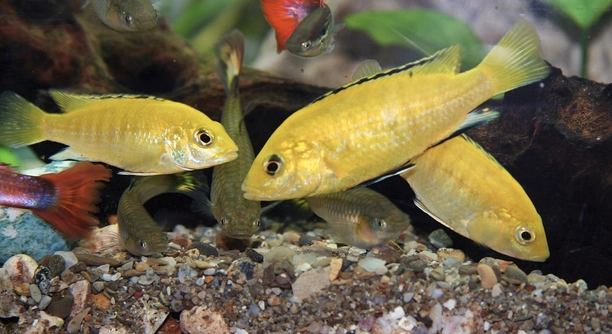
Raising cichlid fry can feel overwhelming for many aquarium enthusiasts, especially when breeding nets are not available. These tiny fish are delicate, and providing the right environment and care is essential for their survival and growth.
Caring for cichlid fry without a breeding net requires careful management of tank conditions, selective feeding, and monitoring their development. Proper water quality, separation from aggressive tankmates, and gradual acclimation to food sources ensure higher survival rates and healthy growth.
With attention to detail and consistent care, these strategies can help your fry thrive. The following tips outline practical methods for nurturing them safely.
Preparing the Tank for Fry
Before introducing cichlid fry to your tank, it’s important to create a safe and stable environment. Remove any aggressive adult fish or provide hiding spaces using plants, rocks, or small caves. Maintaining consistent water temperature and quality is critical, as fry are highly sensitive to changes. Use a gentle filtration system to avoid sucking in the fry while still keeping the water clean. Adding a layer of fine substrate can give them a secure area to explore and graze. Monitor pH and hardness levels to match the species’ natural habitat. Frequent, small water changes help reduce toxins and maintain stable conditions. Avoid overcrowding, as it can increase stress and competition for food. Soft lighting can reduce stress and encourage fry to explore their surroundings. Observing their behavior will help you adjust the environment as needed. Keeping these factors in mind will significantly increase the fry’s chances of survival and healthy growth.
Creating a safe habitat requires attention to temperature, water quality, and hiding spaces. Proper setup reduces stress and promotes healthy fry development.
Once the tank is ready, feed the fry small, frequent meals. Newly hatched fry benefit from infusoria or finely crushed flake food, gradually moving to larger foods as they grow. Ensure food is small enough for them to eat without wasting excess, which can degrade water quality. Separate any fry that show signs of aggression from others to prevent injury. Consistent observation helps you identify any issues early, such as slow growth or abnormal behavior. Adjust feeding schedules according to growth and tank conditions, and always remove leftover food. Maintaining stable water parameters, including temperature, pH, and ammonia levels, is equally important. A gentle filtration system prevents harm while keeping the environment clean. Providing plants and small hiding spots encourages exploration and reduces stress. Patience is key, as fry develop differently depending on species and tank setup. Over time, proper care will lead to robust and active juvenile cichlids ready to thrive in the main tank.
Feeding Techniques for Fry
Small, frequent meals are essential for healthy growth. Start with microscopic foods that suit their tiny mouths.
Feed infusoria, finely crushed flakes, or baby brine shrimp. Avoid overfeeding to maintain clean water. Rotate food types gradually, introducing protein-rich options as fry grow to encourage strong development and reduce stunted growth. Monitor how much they eat in a few minutes and remove uneaten portions. Proper nutrition at this stage shapes their long-term health and coloration. Regular feeding also strengthens immune systems, helping fry resist common diseases. Including live or frozen foods stimulates natural foraging behavior and enhances survival instincts. Make sure to provide balanced meals with vitamins and minerals suitable for cichlid species. Observing how fry respond to each type of food allows you to adjust portions and frequency. Some species may prefer certain textures or movement patterns, so variety can be beneficial. Keeping water quality high while feeding is crucial, as leftover food can quickly degrade the tank environment. Over time, consistent feeding routines lead to more active, healthy, and visually vibrant fry ready for their next growth stage.
Monitoring Water Quality
Regular testing is essential to keep fry healthy. Check ammonia, nitrite, nitrate, pH, and temperature levels frequently to prevent harmful spikes that can stress or kill fry.
Even small fluctuations in water parameters can have serious effects on young cichlids. Maintain a consistent temperature and avoid rapid changes. Conduct partial water changes regularly to keep ammonia and nitrite at zero. Use a gentle filter to avoid disturbing fry while still removing waste. Observing water clarity and clarity of the substrate can also indicate if additional cleaning is necessary. Stabilizing water parameters reduces stress, supports growth, and prevents disease. Consistency is more important than perfection, as fry tolerate gradual adjustments better than sudden shifts.
Over time, carefully monitoring water quality allows you to catch issues before they become dangerous. Use test kits daily at first, then adjust frequency as fry grow. Track readings to understand patterns, especially after feeding or water changes. Avoid chemicals that may harm fry and rinse any new equipment before use. Maintaining stable water conditions combined with proper feeding ensures healthy development, reduces mortality rates, and creates a thriving tank environment. Observation and patience are critical during these early stages to ensure fry survive and grow properly.
Separating Aggressive Fry
Aggression can arise early, especially in certain cichlid species. Keep an eye on nipping, chasing, or bullying among fry.
Separating aggressive fry prevents injuries and allows all juveniles to feed properly. Small dividers or separate tanks can be used for particularly hostile individuals. Aggressive behavior often emerges during feeding or when space is limited, so adjusting tank layout or increasing hiding spots may reduce conflicts. Watch interactions closely and remove fry that are consistently harming others to prevent long-term damage. Separation helps maintain overall health, growth rates, and reduces stress among the group. Properly managing aggression ensures a balanced and peaceful environment for all fry.
Dividing fry may require temporary adjustments, but it ensures stronger, healthier juveniles. Monitor separated fry for feeding efficiency and growth. Reintroduce them gradually once aggression decreases, ensuring they can coexist without injury. Avoid overcrowding, which intensifies conflicts. Use visual barriers to reduce stress while still allowing observation. Keeping aggressive fry apart until size or maturity differences lessen prevents injury and loss. Consistent monitoring, combined with proper tank arrangement and hiding spaces, supports a safer environment. Managing aggression effectively increases survival rates and helps maintain a harmonious community for the fry as they develop.
Gradual Weaning from Live Foods
Start transitioning fry slowly from live foods to prepared options. Introduce finely crushed flakes or micro pellets alongside live foods to encourage adaptation.
Observe how quickly fry accept new foods. Remove uneaten portions to maintain water quality and prevent stress. Gradual changes reduce digestive issues and support consistent growth.
Maintaining Cleanliness
Regular cleaning is vital for fry health. Remove leftover food and debris daily, using a gentle siphon to avoid disturbing fry.
Consistent maintenance reduces harmful bacteria and prevents spikes in ammonia or nitrite. A clean environment ensures fry grow strong and reduces the risk of illness. Monitor water clarity and filter performance to maintain optimal conditions.
Encouraging Natural Behavior
Provide small plants, rocks, and hiding spots to simulate a natural environment. Fry use these areas to explore and practice survival instincts.
Observing interactions in a structured space helps you understand feeding patterns, growth progress, and any early signs of aggression or stress, ensuring a balanced tank environment.
FAQ
How often should I feed cichlid fry without a breeding net?
Cichlid fry need small, frequent meals throughout the day. Feeding 3–5 times daily is ideal for the first few weeks. Start with microscopic foods such as infusoria or finely crushed flakes, gradually introducing baby brine shrimp or other protein-rich foods as they grow. Avoid overfeeding, as leftover food can pollute the water and stress fry. Watch how much they consume in a few minutes and remove excess. Consistent feeding supports steady growth, helps develop strong immune systems, and reduces the risk of stunted development.
When is it safe to introduce fry to a main tank?
Fry should only be introduced to the main tank when they are large enough to avoid being eaten by adult fish. Size and swimming ability are key indicators. Usually, this occurs several weeks after hatching, depending on species and care. Ensure the main tank has hiding spots and stable water conditions. Acclimate fry slowly to new water parameters to minimize stress. Separating them until they are robust improves survival rates and reduces the risk of disease transmission from older fish. Proper timing ensures healthier, more active juveniles.
What is the best way to handle aggressive fry?
Aggression can start early in cichlid fry. Monitor nipping, chasing, or stress behaviors and separate aggressive individuals if necessary. Use small dividers or temporary tanks to isolate fry that harm others consistently. Adding plants, rocks, or visual barriers can reduce conflict. Overcrowding worsens aggression, so maintain proper space per fry. Gradual reintroduction after fry have grown or settled reduces injuries and ensures all juveniles have access to food. Managing aggression early prevents long-term stress, uneven growth, and injury, supporting a healthier tank overall.
How can I maintain water quality without stressing fry?
Regular water testing is essential. Check ammonia, nitrite, nitrate, pH, and temperature frequently. Conduct small, frequent water changes to keep parameters stable without shocking fry. Use a gentle filter to remove waste without sucking up fry. Avoid chemicals that can harm young fish. Consistency in temperature and water quality is more important than perfection. Remove uneaten food daily to prevent bacterial buildup. Observing fry behavior and water clarity helps identify potential problems early. Stable water conditions reduce stress, support growth, and prevent disease outbreaks.
What foods are best for transitioning fry from live foods to prepared foods?
Start by mixing finely crushed flake foods or micro pellets with live foods. Gradually increase the proportion of prepared food while reducing live food over several days or weeks. Monitor feeding behavior and adjust portions to prevent uneaten food. Protein-rich options like baby brine shrimp can still be offered occasionally to encourage healthy growth. Avoid large or hard foods too early, as fry may struggle to eat them. A gradual transition minimizes digestive issues and ensures fry receive balanced nutrition. Observation and patience are key to a smooth dietary change.
How do I know if fry are healthy and growing properly?
Healthy fry are active, swim freely, and respond to food. Growth should be gradual but steady. Signs of poor health include lethargy, loss of appetite, abnormal swimming, or discoloration. Monitor their interactions for excessive aggression or stress. Keeping water clean, providing proper nutrition, and maintaining stable tank conditions all contribute to healthy growth. Tracking size and development over time helps identify any issues early. Quick action can prevent illness or death, ensuring fry reach the juvenile stage strong and active.
Can fry survive without a breeding net if tankmates are present?
Yes, fry can survive without a breeding net, but precautions are necessary. Remove aggressive adults or provide ample hiding spaces to protect fry. Plants, rocks, and small caves reduce stress and allow fry to avoid predators. Careful monitoring and separation of aggressive fry are crucial. Maintaining high water quality and proper feeding schedules further improves survival rates. While challenging, proper tank management allows fry to thrive in community setups without specialized equipment.
Raising cichlid fry without a breeding net can seem intimidating at first, but it is manageable with careful attention and consistent care. The key is creating a stable and safe environment for the fry. Proper tank setup, including hiding spots like plants, rocks, and small caves, helps protect them from aggression and reduces stress. Monitoring water quality is equally important, as even small fluctuations in temperature, pH, or ammonia levels can impact their health. Gentle filtration and regular partial water changes maintain clean conditions without disturbing the fry, supporting healthy growth. Observing the fry closely allows you to detect any signs of stress, disease, or improper feeding habits early, making timely adjustments easier. Overcrowding should be avoided, as it increases competition for food and space, leading to higher mortality rates. Consistency in care, rather than perfection, is what ensures the fry grow into strong juvenile cichlids.
Feeding plays a major role in the survival and growth of fry. They require small, frequent meals to meet their nutritional needs. Start with microscopic foods, such as infusoria or finely crushed flakes, and gradually introduce protein-rich options like baby brine shrimp as they grow. Watching how quickly the fry consume their food helps determine the correct portion sizes, while removing uneaten food prevents water contamination. Gradually transitioning them from live foods to prepared foods helps strengthen their digestive systems and encourages consistent growth. Rotating different food types ensures balanced nutrition, while avoiding overfeeding keeps the tank environment stable. Observing individual fry for signs of slow growth or difficulty feeding allows for adjustments in diet and feeding techniques, ensuring all fry develop evenly. Proper nutrition, combined with a clean, stable tank, forms the foundation for healthy, active cichlids.
Managing aggression and maintaining a peaceful environment are also crucial for fry without a breeding net. Certain cichlid species are naturally more territorial, and even small fry can display nipping or chasing behaviors. Separating aggressive individuals when necessary, adding visual barriers, and providing ample hiding spots can prevent injuries and ensure fair access to food. As the fry grow, careful reintroduction or adjustment of tank layout helps maintain balance and reduces stress for all individuals. Patience and observation are essential throughout this process. By consistently monitoring water quality, feeding properly, and managing behavior, raising cichlid fry without a breeding net becomes a practical and successful approach. Following these strategies allows the fry to thrive and develop into strong, healthy adult fish, providing a rewarding and manageable experience.

Hello,
If you enjoy the content that we create, please consider saying a "Thank You!" by leaving a tip.
Every little bit helps us continue crafting quality advice that supports the health, happiness, and well-being of pets around the world, for pets of all shapes, sizes, and species.
We really appreciate the kindness and support that you show us!