
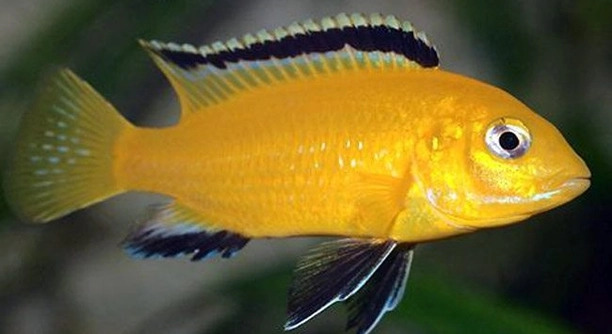
Electric Yellow Cichlids are known for their vibrant color and active nature. Many owners notice these fish seem to recognize them, reacting differently when they approach the tank or feed them daily. Their behavior suggests a level of familiarity.
Electric Yellow Cichlids can remember their owners through learned recognition and association with feeding routines. Their brains form simple memories, allowing them to distinguish familiar people from strangers, which influences their social behavior, stress levels, and interaction patterns in captivity.
Understanding why these fish remember you adds depth to your care routine and strengthens the connection between owner and cichlid in everyday aquarium life.
Recognizing Faces and Movements
Electric Yellow Cichlids have the ability to notice familiar shapes and motions near their tank. Over time, they learn to identify the people who care for them. This recognition is based on repeated interactions, particularly during feeding. When you approach the tank, your cichlid may swim toward you or show excitement because it has learned that your presence is linked to food or comfort. Their memory may seem simple, but it is effective enough to distinguish between regular caretakers and strangers. Daily routines, like consistent feeding times or hand movements, reinforce this recognition. Even subtle gestures, such as tapping the glass or moving a net, can become signals they associate with certain outcomes. The more predictable your actions are, the easier it is for the cichlid to remember and respond positively. This learning process is a combination of instinct and experience, showing that these fish are more perceptive than they appear.
This recognition helps reduce stress and allows your cichlid to feel safer in its environment.
By observing these behaviors, you can adjust your approach to interactions. For instance, approaching slowly rather than suddenly entering the room can prevent startling them. Using consistent hand motions while feeding strengthens their recognition skills. Over weeks, your cichlid may start swimming closer when it sees you, waiting patiently for food. They may also follow familiar movements around the tank or hide less frequently when you are near. This behavior is a direct result of associative learning, where repeated patterns lead to predictable responses. Environmental cues like lighting, tank layout, and even sounds can influence how well they remember you. Providing a calm and consistent environment improves the bond, as the fish begins to connect specific actions with positive outcomes. Observing and responding appropriately to these behaviors enhances their well-being and your overall interaction experience, making your aquarium a more engaging and controlled habitat for them.
Feeding Patterns Strengthen Memory
Electric Yellow Cichlids associate certain people with feeding, which reinforces memory and recognition patterns.
Regular feeding schedules create predictability, helping the fish form stronger memories. Each interaction during feeding provides a learning opportunity. The cichlid starts linking visual and auditory cues, like your shadow or footsteps, with food availability. Over time, this association becomes part of their daily routine. The memory formed is practical, guiding their behavior, reducing stress, and promoting confidence in their surroundings. Observing their reaction during feeding can provide insight into their memory capacity and learning speed. Positive reinforcement through consistent care strengthens these associations. Their brains may be small, but the neural pathways responsible for recognition and routine are well-developed. This predictable behavior demonstrates that cichlids are more cognitively capable than they seem, showing noticeable responses that reward consistent and attentive care. Keeping track of these feeding patterns can help owners identify which cues are most effective, enhancing the relationship and overall health of the fish.
Social Interaction and Curiosity
Electric Yellow Cichlids naturally observe and respond to movements around their tank. They learn to identify who is present and may approach out of curiosity or interest. This social recognition helps them feel secure and engaged in their environment.
These cichlids are not just passive observers. They actively watch daily activity near the tank, noting routines and patterns. Over time, they begin to distinguish familiar people from strangers based on behavior, movement, and timing. Their curiosity drives them to investigate objects, shadows, or reflections, and this investigative nature strengthens their memory. When they anticipate feeding or interaction, their behavior becomes predictable, showing a level of intelligence that is often underestimated. They may swim closer, follow movements, or even display excitement when they recognize a caretaker approaching.
Their memory and curiosity also affect how they interact with other tank inhabitants. Recognizing consistent behaviors reduces stress, improves social dynamics, and allows them to respond confidently. By observing reactions, you can learn how they perceive their environment. Their ability to remember interactions shows that even small fish can build meaningful patterns and recognize individuals over time. This understanding can improve care practices, feeding routines, and overall tank harmony.
Environmental Cues Influence Recognition
Changes in the tank’s environment can signal familiar routines and help cichlids remember daily events.
Electric Yellow Cichlids rely heavily on environmental cues such as light, decorations, and feeding tools to associate with certain people. They quickly link these cues with outcomes like feeding or social interaction, which strengthens memory. Consistent placement of objects, timing, and predictable patterns makes it easier for the fish to recognize you and respond positively. Their brain encodes these repetitive cues into memory, enabling recognition even after short absences. They may react differently if a routine is altered, demonstrating sensitivity to environmental consistency.
Observing these responses can improve your interaction with them. For example, maintaining consistent lighting, feeding tools, and tank arrangements reinforces their recognition skills. When cues are repeated reliably, the cichlids form stronger memories of who interacts with them and when. Subtle signals like your shadow moving across the tank or your footsteps near the room can trigger anticipation and excitement. Environmental stability reduces stress and creates a sense of security, allowing the fish to focus on routine behaviors and social engagement. Recognizing this influence makes it easier to foster trust, predict reactions, and support healthy cognitive development in your cichlids over time.
Consistent Feeding Signals
Electric Yellow Cichlids respond strongly to repeated feeding cues. They notice familiar movements, sounds, and times linked to being fed, which reinforces memory and recognition.
These consistent feeding signals help the fish distinguish between caretakers and strangers. They learn quickly which behaviors lead to food, making them more attentive and responsive during feeding times.
Interaction Shapes Behavior
Daily interaction with your cichlid shapes how it behaves around you. Positive engagement encourages trust, while repeated handling or presence reinforces recognition and attentiveness. Their responses improve over time with regular, gentle interaction.
Visual Recognition
Cichlids can remember and respond to faces and body shapes. Visual cues help them identify familiar people and differentiate them from strangers, guiding their approach and behavior in the tank.
FAQ
How do Electric Yellow Cichlids recognize their owners?
They recognize owners primarily through repeated routines and visual cues. Daily feeding schedules, hand movements, and body presence are all linked to positive experiences. Over time, the fish forms simple memories, associating these cues with food or attention, allowing them to respond differently to familiar people compared to strangers.
Can cichlids remember people for a long time?
Yes, Electric Yellow Cichlids can retain memory of familiar people for weeks or months. Their memory is reinforced through consistent interactions, like feeding or gentle handling. Even after short breaks, they may respond eagerly to familiar owners, showing that recognition is long-lasting when reinforced with regular routines.
Why does my cichlid swim toward me when I enter the room?
This behavior is linked to associative learning. The cichlid associates your presence with feeding or positive interaction. Over time, approaching movements, shadows, or even footsteps signal a familiar routine, prompting the fish to swim closer in anticipation of food or engagement.
Do cichlids recognize strangers?
Yes, they can distinguish between familiar people and strangers. New or unfamiliar movements may cause hesitation, hiding, or avoidance. This ability is linked to their survival instincts in nature, where recognizing unfamiliar entities helps them respond cautiously to potential threats.
Can their memory improve with training?
Electric Yellow Cichlids can strengthen memory through repetition and consistent routines. Feeding at predictable times, using the same gestures, or performing gentle handling regularly enhances their ability to remember people and anticipate interactions. Reinforcement helps them associate humans with positive outcomes more effectively.
Does the tank environment affect their memory?
Absolutely. Consistency in tank setup, lighting, and feeding tools helps reinforce memory. Changes in the environment can confuse them, while predictable cues support recognition of owners. Environmental stability reduces stress and allows them to focus on learned behaviors and routines more effectively.
Why do they follow my movements around the tank?
Following movements is a sign of recognition and curiosity. Your cichlid associates specific gestures or approaches with feeding or interaction. By observing your movements, they anticipate actions and prepare for engagement, which demonstrates their ability to connect visual cues with learned outcomes.
How can I strengthen my cichlid’s recognition of me?
Consistency is key. Approach the tank calmly, feed at predictable times, and use the same gestures when interacting. Repeated positive interactions create strong associations, helping the fish remember you more clearly. Over time, they may show excitement or approach confidently when they recognize you.
Do cichlids remember negative experiences?
Yes, they can associate stressful or harmful experiences with certain actions or people. Sudden movements, tapping the glass, or rough handling can create negative memories, making them wary. Gentle and consistent care helps counteract this and builds positive recognition over time.
Are younger cichlids easier to train or recognize people?
Younger cichlids are often more receptive to learning routines and recognizing consistent cues. Early exposure to predictable feeding and interaction patterns helps them form lasting memories. Older fish can learn as well, but it may take longer for recognition to develop due to established habits.
Do cichlids react differently to each person?
Yes, they can differentiate between people based on consistent actions, feeding habits, and presence. They may approach some more readily than others, showing excitement or hesitation depending on past interactions. This indicates their ability to form individual memories and make distinctions in their environment.
How can I tell if my cichlid remembers me?
Signs include swimming closer when you approach, following hand movements, anticipating feeding, and reduced hiding behavior. Consistent positive responses over time indicate recognition. They may also react more quickly or eagerly than to unfamiliar people, showing that memory and familiarity influence their behavior.
Does social interaction with other fish affect memory?
Yes, interactions with tank mates can influence learning and recognition. Observing other fish’s reactions or participating in social hierarchies helps cichlids understand environmental cues. Strong social bonds and clear routines within the tank reinforce their memory of both humans and other fish consistently.
Can cichlids learn from visual cues alone?
They can. Visual recognition is powerful for them. Movements, shadows, and hand gestures are all cues linked to feeding or interaction. Repetition strengthens these associations, allowing cichlids to react appropriately even without sound or other sensory input, showing the effectiveness of visual learning in their daily behavior.
Do they recognize feeding tools or objects?
Yes, feeding tools like nets, scoops, or containers become associated with positive experiences. Cichlids can anticipate food based on these objects alone. Consistent use of tools during feeding reinforces memory, helping the fish link objects with rewards, making recognition more reliable and predictable.
Can cichlids show affection or attachment?
While not in the same way as mammals, they show attachment through excitement, following, and approaching behavior. Recognition of owners, positive interactions, and routine exposure create patterns of trust and anticipation, which can appear as a form of attachment in their daily responses.
What if my cichlid seems to forget me?
Memory can weaken if routines change or interactions become inconsistent. Short absences may cause hesitation initially, but consistent reintroduction through feeding and gentle interaction helps reestablish recognition. Patience and predictable patterns restore familiarity over time, reinforcing positive associations and memory retention.
How much can cichlids remember about their environment?
They remember key cues like feeding spots, hiding areas, and the location of other fish. Memory helps them navigate their environment, reduce stress, and recognize both humans and tank mates. Strong spatial and routine memory supports overall well-being and confidence in their daily behavior.
Can multiple owners confuse them?
It can, especially if interactions are inconsistent. Multiple people feeding or handling differently may create mixed associations. Using consistent gestures, schedules, and approaches across all caretakers helps maintain clear recognition patterns, reducing stress and supporting memory retention.
Is recognition more about sight or smell?
Electric Yellow Cichlids rely mostly on visual cues for recognition, though smell may play a minor role. They respond strongly to movements, body shapes, and shadows. Predictable visual patterns help them distinguish familiar individuals, guiding behavior, feeding responses, and social interactions effectively.
Electric Yellow Cichlids are more perceptive than many people realize. Their ability to remember and recognize the people who care for them is a combination of instinct, routine, and learned behavior. Over time, consistent interactions such as feeding, gentle handling, and observing daily activity allow these fish to form simple memories. They can distinguish between familiar caretakers and strangers, responding differently based on previous experiences. This recognition is not limited to humans but extends to their environment and other fish in the tank. Cichlids notice patterns in movement, light, and sound, and they use these cues to navigate their surroundings. The memory they develop is practical and helps them feel secure, reducing stress and encouraging confident behavior.
These fish respond to consistent routines more than anything else. Daily feeding schedules, repeated gestures, and environmental stability all strengthen recognition. When you approach the tank at a predictable time and use the same hand movements or tools, your cichlid quickly learns to associate these cues with positive outcomes. Over weeks and months, they may begin to anticipate your presence, swim toward you, and show excitement when they see you approaching. This behavior demonstrates that even small fish can form meaningful associations and respond with intentional actions. Observing these responses closely can guide caretakers in refining their interactions, making the tank experience more predictable and enjoyable for the fish. Positive reinforcement through routine and gentle interaction builds trust and comfort, which is essential for maintaining a healthy aquarium environment.
Recognition and memory in Electric Yellow Cichlids highlight the importance of consistency, observation, and attentiveness in fish care. By understanding their capacity to remember, owners can provide more engaging and secure environments. Maintaining predictable feeding schedules, consistent visual and environmental cues, and careful interaction supports both cognitive development and emotional well-being. These fish respond to repetition, clarity, and calm presence, which can be integrated into everyday aquarium routines. Awareness of their memory and recognition abilities also allows caretakers to notice changes in behavior more easily, indicating potential stress or health concerns. Ultimately, recognizing that cichlids can remember and respond to humans emphasizes that attentive care and consistent routines are not only beneficial but essential for fostering a strong and positive connection between the fish and their owner. This understanding enriches the aquarium experience and ensures that Electric Yellow Cichlids thrive in their environment.

Hello,
If you enjoy the content that we create, please consider saying a "Thank You!" by leaving a tip.
Every little bit helps us continue crafting quality advice that supports the health, happiness, and well-being of pets around the world, for pets of all shapes, sizes, and species.
We really appreciate the kindness and support that you show us!