
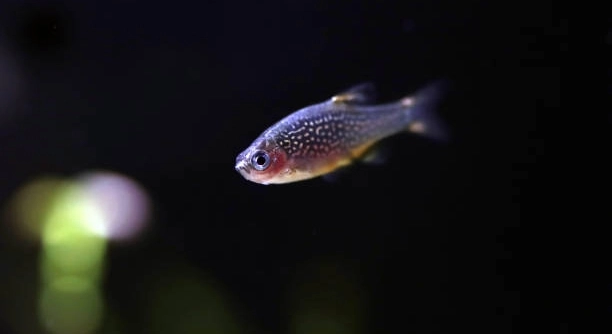
Danios are small, lively fish that often show surprising behavior in their tanks. Many aquarists notice them acting differently around specific areas, hinting at ways they manage their own little spaces and boundaries.
Danios mark territory through subtle behaviors such as chasing intruders, flaring fins, changing coloration, nibbling plants, rearranging tank elements, swimming in specific patterns, and emitting pheromones. These actions communicate dominance and personal space to other fish in their environment.
Learning to spot these behaviors can help you create a more harmonious aquarium and better understand your danios’ social dynamics.
Chasing Intruders
Danios often chase other fish that come too close to their preferred spots. This behavior is subtle at first, with quick darts and gentle nudges, but it can become more pronounced when they feel their territory is threatened. Watching them, I noticed how they tend to focus on specific areas of the tank, like corners or near decorations, and they will repeatedly swim toward any intruding fish. The chasing is not always aggressive; it’s more a method of signaling, letting others know, “This is my space.” Over time, patterns emerge. Some danios are more territorial than others, and the intensity of their chases can vary depending on the size of the tank, the number of fish, and the layout of hiding places. Recognizing this behavior helps in arranging the tank to minimize conflicts. Observing them closely, it’s clear that chasing is as much about communication as it is about space control, showing that even small fish have complex social signals and boundaries.
Chasing is primarily a method of establishing dominance and boundaries. It prevents overcrowding and reduces stress, promoting a more balanced and structured tank environment.
Noticing these subtle chases allows you to adjust decorations or hideouts, helping your danios coexist more peacefully and reducing constant tension in the aquarium.
Flared Fins
Danios will flare their fins when feeling territorial. This behavior makes them look larger and more intimidating to other fish. Flared fins often happen near the tank bottom or around favorite hiding spots.
Flared fins serve as a visual warning. It communicates a clear message without physical confrontation. This display is often accompanied by slight body shaking or rapid movements, showing confidence and asserting presence. In smaller tanks, this behavior is more noticeable because the fish have limited space to express dominance. Flared fins can also indicate excitement or readiness to defend a specific area, particularly during feeding times. Understanding these subtle cues is helpful, especially when introducing new fish to the aquarium, because it allows for careful observation of interactions. By watching which fish flare most often and where, you can predict potential conflicts and rearrange the tank or provide additional shelters to maintain harmony. Over time, recognizing these patterns becomes easier, letting you manage your aquarium with minimal stress for the fish.
Changing Color
Danios often change their coloration when marking territory. Darker shades signal dominance, while paler tones show submission. These shifts help maintain order without constant fighting.
Color changes can be subtle but noticeable if you watch closely. A danio near a preferred plant or decoration may darken its stripes, letting others know it is asserting control. This signaling reduces physical conflicts because other fish recognize the dominance hierarchy. The intensity of the color shift depends on stress levels, the number of tank mates, and available hiding spots. Over time, these changes become predictable, letting you anticipate when conflicts might arise. I’ve found that observing these color variations makes managing a small tank much easier, helping ensure that each danio has space without unnecessary tension or stress.
Color changes are not always permanent. Danios will gradually return to their normal hues when they feel secure. Watching these shifts can help you understand their comfort zones and adjust tank arrangements to minimize stress, especially in crowded environments.
Nibbling Plants
Nibbling plants is a common way danios stake territory. It keeps others away while marking their preferred areas.
Danios use this behavior to establish boundaries without direct aggression. The act of nibbling releases subtle scents and leaves visible marks, signaling ownership to other fish. This can be more frequent when plants are limited or concentrated in one area. Observing which plants are frequently nibbled shows the favored zones of each fish. In my experience, arranging multiple plants throughout the tank helps reduce this behavior, distributing territory and minimizing conflicts. Fish often revisit these spots, maintaining a familiar pattern of ownership. Understanding nibbling behavior allows for better tank planning and helps keep danios calmer.
Rearranging Tank Elements
Danios often move small decorations or plants while exploring. This behavior helps them mark preferred areas and create familiar zones within the tank.
By shifting objects, they leave visual cues that indicate where they feel most comfortable. This subtle rearranging establishes personal space and reduces conflict with other fish, especially in shared areas.
Swimming Patterns
Danios use specific swimming routes to define territory. Circling near favorite spots or repeatedly passing the same area communicates ownership. Over time, these patterns become predictable, showing which areas belong to which fish. I’ve noticed that some danios stick to a particular corner or plant cluster, signaling their domain. Swimming routines also help maintain familiarity with surroundings, allowing them to patrol efficiently. When new fish are introduced, observing these established paths can prevent unnecessary confrontations. Following and understanding these patterns gives insight into social hierarchies and tank dynamics.
Pheromone Release
Danios release chemical signals in water to mark territory. These pheromones communicate boundaries to others without visible confrontation.
How can I tell if my danios are marking territory?
You can often spot territorial behavior through subtle signs like chasing, flaring fins, or nibbling on plants. Danios tend to focus on specific areas, often corners or near decorations. Observing repeated patterns over time makes it easier to identify which fish are asserting control. Changes in color or behavior near certain spots are also good indicators. For example, if one fish swims along the same route every day or repeatedly circles a particular plant, it’s likely marking that area. Even minor rearrangements of tank elements or gentle nudges toward other fish can indicate territory assertion. Recognizing these signs helps in managing tank layout and preventing conflicts before they escalate.
Do danios become aggressive when marking territory?
Territorial behavior is not always aggressive. Often, it is a series of signals meant to communicate boundaries. Chasing may appear threatening but is usually short and non-injurious. Flared fins, darkened colors, and nibbling plants serve as warnings rather than acts of harm. I noticed in my tank that most conflicts are brief, with the dominant fish retreating after asserting its presence. Aggression is more likely in overcrowded tanks or when hiding spots are limited. By ensuring adequate space, multiple shelters, and clear separation between favorite areas, these minor displays of dominance rarely escalate. Observing the dynamics over time gives a clear understanding of which behaviors are normal and which may need intervention.
What tank setup helps minimize territorial disputes?
A well-structured tank reduces tension between danios. Include multiple plants, decorations, and hiding spots to divide space naturally. Open swimming areas allow fish to patrol without constant overlap. I arrange plants in clusters so each danio has access to a preferred area while still maintaining visual contact with others. Floating plants or tall decorations create vertical zones, helping fish feel secure without frequent confrontations. Avoid overcrowding by keeping the number of fish appropriate for tank size. Observation is key: noticing which areas are most contested allows for small adjustments to maintain balance. Maintaining water quality and providing regular feeding routines also reduce stress, which can otherwise amplify territorial behavior.
How do color changes relate to territorial behavior?
Danios often change shades to communicate dominance. Darker stripes signal control, while lighter tones indicate submission. I’ve seen my fish darken near plants they favor, which lets others know to keep distance. These subtle shifts reduce the need for physical confrontations and help establish social hierarchies. Color intensity can fluctuate depending on stress, tank conditions, or social interactions. By paying attention to these cues, you can understand which fish are dominant and which are more submissive, allowing for better management of tank space and interactions.
Is nibbling on plants harmful to the tank?
Nibbling itself is generally harmless if plants are healthy and abundant. It acts as a territorial marker rather than a feeding habit. I’ve observed my danios lightly nibble certain plants repeatedly without causing permanent damage. The key is to provide enough vegetation so each fish can mark its preferred zone without depleting resources. Hardier plants withstand nibbling better, and having multiple clusters ensures everyone has a space to claim. Monitoring plant health and replacing damaged greenery when needed keeps the tank balanced and reduces stress-related conflicts.
Do all danios show the same level of territorial behavior?
Not all danios are equally territorial. Some are naturally more dominant, while others are passive. I’ve noticed that certain individuals consistently patrol the same area, while others swim freely without marking specific spots. Tank composition, personality, and age influence behavior. Younger fish may be more playful, and dominant older fish often establish clear zones early. Observing interactions over weeks reveals patterns, allowing adjustments to tank layout or grouping to minimize disputes. Recognizing these individual differences helps maintain harmony and reduces unnecessary stress in the aquarium.
Can adding new fish affect established territories?
Introducing new fish can disrupt established boundaries. Territorial danios may chase newcomers or flare fins to assert control. In my experience, gradual introductions work best. Using a temporary divider or rearranging tank elements gives all fish time to adjust. Providing multiple hiding spots helps new arrivals settle without constant harassment. Over time, most fish accept the newcomers, and territories stabilize. Observing behavior closely during the first days is crucial, as it allows for intervention if aggressive displays become excessive. Proper acclimation ensures smoother integration and reduces prolonged stress for everyone in the tank.
Do pheromones play a role in territorial marking?
Yes, pheromones are an important, invisible signal. Danios release chemical cues that communicate dominance or presence in specific areas. I’ve found that even without direct confrontation, fish recognize these signals and avoid contested zones. This chemical communication helps maintain order and reduces physical aggression. It’s subtle, but combined with chasing, color changes, and fin displays, it forms a complete system for marking territory. Understanding this behavior emphasizes that much of their social interaction happens beyond visible actions, reinforcing the importance of observing patterns over time to keep a balanced tank.
Danios are small but surprisingly complex fish. Their behavior in the tank shows that even tiny creatures have ways of managing their surroundings and relationships. Watching them mark territory through chasing, flaring fins, changing color, nibbling plants, rearranging objects, swimming patterns, and pheromone release reveals a lot about their instincts. Each action has a purpose, whether it is maintaining personal space, communicating with other fish, or asserting dominance. Observing these behaviors over time makes it easier to understand how your fish interact and how to manage the tank environment in a way that keeps stress low and allows every danio to feel secure.
Understanding territorial behavior also helps in designing and maintaining an aquarium. Providing plenty of plants, decorations, and open swimming spaces gives each fish options to claim a zone without constant conflict. It also reduces stress-related behavior, which can affect health and appetite. In my experience, even small adjustments, like moving a plant cluster or adding a floating decoration, can have a noticeable impact on harmony in the tank. Being aware of individual differences among fish is important as well, since some danios are naturally more dominant while others are more passive. By paying attention to each fish’s behavior and preferences, you can create a tank that feels balanced and allows everyone to thrive.
Finally, paying attention to these subtle signs of territory marking can make fishkeeping more rewarding. It’s satisfying to recognize the patterns of your danios, understand their preferences, and anticipate their needs. Observing color changes, swimming routines, or slight movements of plants and decorations gives insight into their comfort and social structure. Even behaviors that seem minor, like nibbling or rearranging objects, have meaning and can guide how you care for the tank. Overall, learning to notice and respect these territorial behaviors improves the well-being of your fish and makes the aquarium a calmer, more organized space. It shows that even simple creatures communicate in complex ways, and being attentive to them allows for a more peaceful and healthy environment for everyone.

Hello,
If you enjoy the content that we create, please consider saying a "Thank You!" by leaving a tip.
Every little bit helps us continue crafting quality advice that supports the health, happiness, and well-being of pets around the world, for pets of all shapes, sizes, and species.
We really appreciate the kindness and support that you show us!