
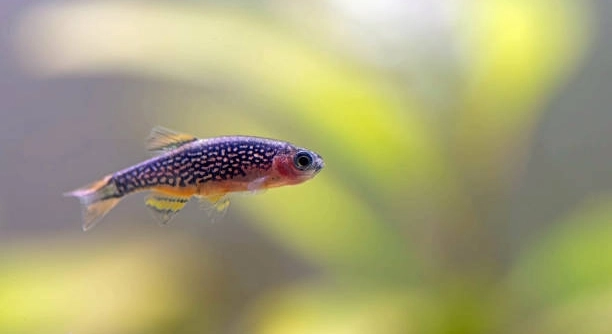
Observing Celestial Pearl Danios during spawning can be both fascinating and rewarding. These small, colorful fish display delicate behaviors that reveal their reproductive cycles. Understanding these patterns helps hobbyists create the best environment for successful breeding.
During spawning, it is important to observe courtship behaviors, egg-laying patterns, water conditions, the interaction between males and females, the distribution of eggs, parental influence, and any signs of stress. Careful monitoring of these factors ensures optimal breeding outcomes.
Knowing what to watch during this process can improve breeding success and enhance the overall health of your aquarium environment. Proper observation supports both fish welfare and reproductive efficiency.
Courtship Behaviors
Celestial Pearl Danios display a unique courtship ritual that is important to observe. Males often flare their fins and swim in quick, darting motions around the female, attempting to attract her attention. Their colors become more vivid during this period, signaling readiness to mate. Females respond by slowing their movements and positioning themselves in areas with appropriate spawning substrate. Watching these interactions helps identify which pairs are compatible and ready to spawn. Courtship behaviors can last several hours, and consistency in water temperature and quality plays a role in encouraging natural behavior. Subtle signs like the male nudging the female or chasing her gently indicate the start of mating, while overly aggressive behavior can stress the fish. Maintaining a calm, stable environment ensures these behaviors are more pronounced and easier to monitor. Observing these patterns allows you to anticipate egg-laying and take steps to protect the spawning area from disturbance.
Courtship often occurs in early morning or late evening, with males becoming increasingly active before spawning.
These behaviors not only reveal readiness but also help you select suitable pairs for breeding. Observing the subtle differences in interaction ensures that males and females are compatible, reducing stress and maximizing successful egg fertilization. Regular monitoring can also indicate if adjustments to water quality or tank setup are needed, as environmental factors greatly influence courtship intensity. By noting which males display consistent, non-aggressive courtship and which females respond positively, you can plan spawning sessions more effectively. This attention to detail supports both the health of the fish and the efficiency of breeding attempts, making each observation meaningful.
Egg-Laying Patterns
Egg-laying typically begins once the female is receptive and the environment is stable.
Celestial Pearl Danios scatter eggs over plants or fine substrate. It’s important to note where eggs accumulate, as females may return to deposit more in the same area. Males often hover nearby, fertilizing the eggs immediately after deposition. Timing, frequency, and location of egg-laying can vary, and observing these patterns helps determine the best method for egg collection or protection. Consistent monitoring ensures eggs are safe from being eaten and allows for better management of water conditions to support hatching success. By understanding these patterns, you can create an environment that promotes healthy development and reduces stress for both males and females. Adjustments to lighting, feeding schedules, and tank arrangement may influence egg distribution and density. Paying attention to these small details can greatly improve the overall outcomes of spawning.
Would you like me to continue with the next headers following the same format?
Water Conditions
Maintaining stable water conditions is essential during spawning. Temperature, pH, and hardness should remain consistent, as fluctuations can stress Celestial Pearl Danios and disrupt breeding. Clear, clean water encourages natural behavior and improves egg survival rates.
Optimal water conditions for spawning include a temperature range of 24–26°C, slightly acidic to neutral pH between 6.5 and 7.0, and soft to moderately hard water. Filtration should be gentle to prevent eggs from being disturbed, and water changes must be small but frequent to maintain quality without causing shock. Observing the fish daily helps identify any signs of stress or discomfort, allowing timely adjustments. Stable conditions also reduce aggression among males and support proper courtship and fertilization. Light levels and tank cover can influence activity, and consistent routines promote natural behavior. Paying attention to these details maximizes reproductive success and overall fish health.
Water clarity and flow directly impact egg placement. Avoid strong currents, and ensure plants or spawning mops remain intact to provide secure surfaces. Consistency in conditions encourages females to lay more eggs while minimizing the risk of disturbance or egg loss.
Interaction Between Males and Females
Males often chase and display to females, while females respond with subtle movements indicating readiness. Observing these interactions helps identify compatible pairs for spawning success.
During spawning, males may become more territorial, but gentle, persistent displays usually attract females without causing stress. Females’ responses, such as lingering near specific plants or substrate, signal acceptance. Noticing these dynamics allows you to anticipate egg-laying and plan protective measures for the eggs. Interactions may include nudging, circling, or synchronized swimming patterns, all of which indicate reproductive readiness. Frequent observation ensures that aggression does not escalate, and adjustments to tank layout or male numbers can be made if necessary. Healthy, compatible interactions increase the likelihood of fertilized eggs and reduce stress-related health issues.
Proper monitoring of male-female interactions ensures eggs are fertilized efficiently. Observing pair dynamics allows timely intervention if aggressive behavior arises and supports a harmonious environment that encourages repeated spawning.
Distribution of Eggs
Eggs are usually scattered across plants or fine substrate. Observing where females deposit them helps in collecting or protecting them efficiently.
Some areas may have higher egg concentration. Noting these spots ensures eggs are safe from being eaten and allows proper monitoring until hatching occurs.
Parental Influence
Celestial Pearl Danios do not care for their eggs. Adults may eat unprotected eggs, so separating or providing dense plant cover is crucial. Spawning success increases when eggs are shielded from adult interaction.
Signs of Stress
Rapid swimming, clamped fins, or erratic behavior indicate stress. Monitoring these signs helps prevent unsuccessful spawning and ensures fish remain healthy.
FAQ
How often do Celestial Pearl Danios spawn?
Celestial Pearl Danios can spawn regularly under stable conditions. With proper water temperature, clean environment, and consistent feeding, they may reproduce every few weeks. Observing their courtship and egg-laying behaviors helps predict when spawning is likely to occur.
Can eggs survive if left with adults?
Most adults will eat their eggs if left together. Providing dense plant cover or moving eggs to a separate tank increases survival rates. Careful monitoring ensures eggs are not disturbed and improves the chance of successful hatching.
What is the ideal water temperature for spawning?
The best temperature range is between 24–26°C. Consistency is crucial, as sudden changes can stress the fish and reduce breeding success. Regular monitoring helps maintain a stable environment for both adults and eggs.
Do males fight during spawning?
Males may show territorial behavior but are generally not harmful if the tank has enough space. Observing interactions ensures aggression does not escalate, allowing females to spawn without stress.
How long does it take for eggs to hatch?
Eggs usually hatch within 24–36 hours under ideal conditions. Maintaining stable water quality and temperature during this period is essential for proper development. Monitoring closely ensures timely intervention if issues arise.
Should I feed the adults differently during spawning?
High-quality live or frozen foods support energy levels during breeding. Increased feeding encourages courtship behaviors and helps females produce more eggs. Regular, small feedings are preferable to large, infrequent ones.
What kind of substrate is best for egg-laying?
Fine-leaved plants or spawning mops provide surfaces for eggs. Dense plants not only give eggs a place to attach but also protect them from being eaten by adults. Observing where females prefer to lay helps optimize setup.
Can I breed multiple pairs in one tank?
It is possible, but overcrowding may increase stress and reduce success. Each pair needs space to display courtship behaviors and for eggs to remain safe. Monitoring interactions is essential when multiple pairs are present.
How do I tell if eggs are fertilized?
Fertilized eggs are usually clear or slightly opaque, while unfertilized eggs may turn white and become cloudy. Separating and observing eggs helps identify which are viable for hatching.
What signs indicate a female is ready to spawn?
Females become fuller in the abdomen and move more slowly. They may linger near preferred egg-laying surfaces. Observing these subtle cues ensures timely preparation for spawning and increases the likelihood of successful reproduction.
How can I reduce egg loss after spawning?
Removing adults or providing dense cover minimizes egg predation. Consistent water conditions, gentle filtration, and careful observation during the first 24–48 hours help ensure the highest survival rates.
Is it necessary to simulate natural light cycles?
A stable light cycle helps regulate spawning behavior. Approximately 12 hours of light and 12 hours of darkness supports natural activity patterns and encourages courtship. Sudden changes in lighting can stress the fish and disrupt breeding.
What is the best method for raising fry?
Once eggs hatch, providing infusoria, baby brine shrimp, or finely crushed high-quality food supports early growth. Frequent water changes without disturbing fry are essential. Observing feeding behavior ensures fry develop properly and remain healthy.
How can I tell if males are healthy breeders?
Healthy males show vibrant colors, active courtship behaviors, and steady fin displays. Lack of aggression combined with consistent interest in females indicates suitability for breeding. Monitoring males over time helps select the most effective breeders.
Are there signs that a female is stressed or not ready?
Clamped fins, erratic swimming, or hiding may indicate stress. A stressed female may refuse to spawn or produce fewer eggs. Reducing disturbances, maintaining water quality, and providing calm surroundings help her regain readiness.
Can water hardness affect spawning?
Yes, soft to moderately hard water is preferred. Excessively hard or fluctuating water can reduce spawning frequency and egg viability. Regular testing ensures optimal conditions for both adults and eggs.
How long should I wait between spawning cycles?
Allowing at least a few weeks between cycles gives females time to recover and produce healthy eggs. Monitoring behavior and abdominal fullness helps determine when they are ready again.
Is it necessary to separate fry from adults immediately?
Yes, adults may eat fry if left together. Transferring them to a rearing tank or providing dense cover ensures higher survival rates. Careful observation during the first days is critical to prevent loss.
How can I improve the chances of successful fertilization?
Ensuring compatible pairs, stable water conditions, proper nutrition, and minimal stress all contribute. Observing courtship closely allows timely adjustments and promotes higher fertilization rates.
Do Celestial Pearl Danios spawn year-round?
Under controlled conditions, they can spawn year-round. Consistency in water temperature, lighting, and feeding helps maintain reproductive activity regardless of external seasonal changes.
Final Thoughts
Observing Celestial Pearl Danios during spawning requires patience and attention to detail. These small fish display delicate behaviors that can be easy to miss without careful monitoring. Each aspect of the process, from courtship to egg-laying, provides insight into their reproductive health and overall well-being. Paying attention to how males interact with females, where eggs are deposited, and how water conditions are maintained allows you to create an environment that supports successful breeding. Consistent observation not only improves outcomes but also strengthens your understanding of their natural behaviors. It is important to remember that even small changes in the tank, such as temperature fluctuations or light disturbances, can affect their behavior. By maintaining stable conditions and minimizing stress, you allow the fish to perform natural behaviors that are essential for reproduction. Watching these patterns over time provides valuable information that can guide future spawning attempts and help ensure the health of both adults and fry.
Providing proper care during the spawning process is essential for the survival of eggs and fry. Celestial Pearl Danios do not provide parental care, which means eggs and newly hatched fry are vulnerable to being eaten by adults or affected by poor water quality. Dense plant cover, spawning mops, or a separate breeding tank are important tools to protect eggs. Monitoring water parameters, including temperature, pH, and hardness, is critical, as even minor fluctuations can reduce hatching success. Feeding adults high-quality foods before and during spawning ensures they have the energy needed for courtship and egg production. Observing their interactions helps identify compatible pairs, reduce aggression, and improve fertilization rates. Once the eggs hatch, providing appropriate food for fry, such as infusoria or finely crushed high-quality feed, supports healthy growth. Regular observation and care throughout this period directly impact the survival and development of the fry, making consistent attention a key part of the process.
Successful breeding of Celestial Pearl Danios depends on a combination of stable environmental conditions, careful observation, and attentive care. Each stage of spawning offers important information, and understanding these details allows you to make informed decisions to support the fish. Maintaining a calm and stable tank, monitoring water quality, and observing behaviors ensures that courtship, egg-laying, and fry development proceed smoothly. Over time, careful attention to these factors allows for repeated spawning attempts and a higher overall survival rate. The process may require patience and practice, but observing the full reproductive cycle provides a deeper connection to the species and greater satisfaction in maintaining a thriving aquarium. By focusing on stability, observation, and protection of eggs and fry, you can successfully support Celestial Pearl Danios through each stage of spawning while ensuring their long-term health and well-being.

Hello,
If you enjoy the content that we create, please consider saying a "Thank You!" by leaving a tip.
Every little bit helps us continue crafting quality advice that supports the health, happiness, and well-being of pets around the world, for pets of all shapes, sizes, and species.
We really appreciate the kindness and support that you show us!