
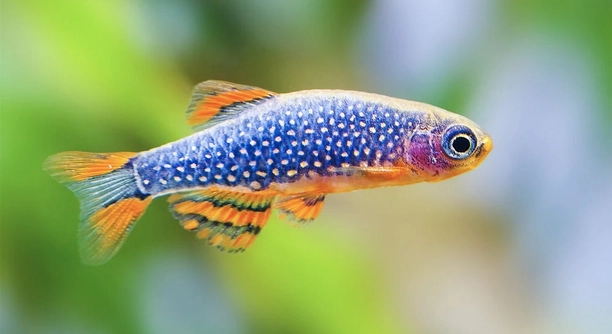
Introducing new fish to a planted tank can be exciting but also a bit stressful. Danios are active and social, and giving them the right start helps them thrive. Proper preparation ensures a healthy, balanced aquarium environment.
When introducing Danios to a planted tank, it is essential to acclimate them slowly, monitor water conditions, maintain stable temperature, provide adequate hiding spaces, avoid overcrowding, and ensure proper diet. These steps minimize stress and promote long-term health.
Following these guidelines will make the transition smoother and help your fish adjust comfortably to their new home. Proper care now prevents problems later in the tank.
Prepare the Tank Properly
Before introducing Danios, make sure your planted tank is fully cycled. Check that ammonia, nitrite, and nitrate levels are stable. Remove any dead plant matter or debris and clean the substrate gently. Arrange plants to provide hiding spots, especially among tall or bushy species. Filtration should be functioning efficiently to maintain water clarity and oxygenation. Temperature and pH must match the Danios’ needs, usually between 22–26°C and slightly acidic to neutral water. Lighting should mimic natural conditions without being too harsh. Avoid adding chemicals right before introducing the fish. Observe the tank for at least a few days to ensure all equipment is stable. A stable environment reduces stress and encourages healthy behavior in the new fish. Even small fluctuations in water parameters can affect their appetite and activity levels, so preparation is key. Taking the time to organize the tank properly sets the stage for a smooth transition.
A properly prepared tank provides a safe, stable environment for Danios, reducing stress and supporting their health from the moment they arrive.
Checking and arranging plants and equipment carefully ensures the tank is ready for the Danios. This step prevents potential issues and makes acclimation easier.
Acclimate the Fish Slowly
Acclimation should be done gradually to avoid shocking the Danios. Start by floating the sealed bag in the tank for 15–20 minutes to equalize temperature. Slowly add small amounts of tank water to the bag every five minutes over the next hour. This helps the fish adjust to water chemistry differences. Avoid pouring the bag water directly into the tank to prevent contamination. Keep lights dimmed to reduce stress during this period. Watch the fish closely for signs of distress or lethargy, such as rapid gill movement or clumping at the bottom. Once they seem calm, release them gently using a net. This method allows their bodies to adapt gradually, minimizing the risk of shock or disease. Proper acclimation is crucial for long-term survival, especially in a densely planted tank where competition for territory may occur. Consistency and patience during this step pay off with healthier, more active fish.
Acclimating slowly helps Danios adjust to their new environment without stress.
Taking time to float the bag, gradually mixing tank water, and monitoring their behavior ensures they settle comfortably. Overlooking these steps can lead to illness or unusual behavior.
Maintain Stable Water Conditions
Consistent water quality is essential for Danios to thrive. Regular testing of ammonia, nitrite, nitrate, and pH helps detect issues early. Temperature should remain stable, avoiding sudden shifts that stress the fish. Small, frequent water changes are preferable to large, infrequent ones.
Keeping the tank stable requires attention to both chemical and physical parameters. Ammonia and nitrite should always read zero, while nitrates remain low through routine partial water changes. Using a reliable thermometer ensures the temperature stays within the ideal range. Filters must be cleaned carefully to avoid disrupting beneficial bacteria. Adding new decorations or plants should be done gradually to prevent sudden changes in water chemistry. Observing fish behavior can also signal changes in water quality; sluggish movement or gasping at the surface may indicate a problem. Maintaining this stability encourages natural feeding, swimming, and schooling behaviors, making the tank more harmonious.
Adjusting water slowly and monitoring chemical levels supports long-term health. Sudden changes can lead to stress, illness, and even death, so consistency is key.
Provide Hiding Spaces
Hiding spaces reduce stress for Danios, especially in planted tanks where they may feel exposed. Rocks, driftwood, and dense plant clusters offer shelter and mimic natural habitats, encouraging exploration and resting behavior. Proper placement also prevents territorial conflicts.
Dense planting or decorative structures give Danios areas to retreat when feeling threatened. Even active species need safe spots to rest or hide from stronger tankmates. Floating plants can create shaded areas, while mid-height plants allow fish to swim through naturally. Providing multiple hiding spots helps distribute the fish evenly across the tank, reducing crowding in one area. It also supports healthier interactions and prevents dominant individuals from harassing others. Observing how the fish use these areas can guide future decoration choices, ensuring all Danios feel secure. Properly arranged spaces enhance overall tank harmony and allow the plants and fish to coexist effectively.
Creating well-placed shelters and clusters of plants balances activity and safety. Fish are more confident, less stressed, and more likely to display natural behavior in a well-structured environment.
Monitor Feeding
Feed Danios small amounts two to three times a day. Overfeeding can pollute the water and stress the fish. Remove uneaten food promptly to maintain water quality and prevent algae growth.
Offer a varied diet of flakes, pellets, and occasional live or frozen foods. Observing how quickly they eat helps gauge portion size. Consistent feeding schedules support healthy growth and active behavior, while avoiding excess maintains a clean tank environment.
Avoid Overcrowding
Maintaining the right number of fish prevents stress and aggression. Overcrowding can lead to poor water quality and increased disease risk. Space allows Danios to swim freely and establish natural social structures.
Observe Behavior
Watch for signs of stress, illness, or unusual activity. Early detection allows prompt intervention.
Keep Equipment Functional
Regularly check filters, heaters, and lights. Proper equipment ensures stable water conditions and a healthy environment for the Danios.
FAQ
How many Danios can I keep in a planted tank?
The number of Danios depends on tank size and filtration. A common guideline is one inch of fish per gallon, but schooling behavior matters too. Danios thrive in groups of at least five to six. Keeping too many in a small tank increases stress, aggression, and water quality problems. Plants and hiding spots can help reduce tension, but adequate swimming space is essential. Observing the group allows you to notice dominant individuals or bullying behavior. Gradually adding fish rather than all at once gives the tank time to adjust and maintains stability.
What should I feed my Danios?
Danios do well on a varied diet. High-quality flakes or micro pellets are suitable staples. Supplementing with frozen or live foods such as brine shrimp, daphnia, or bloodworms improves health and coloration. Feed small amounts two to three times daily, only as much as they can consume in a few minutes. Uneaten food should be removed to prevent water contamination and algae growth. Rotating foods keeps them interested and supports optimal growth. Fresh vegetables like blanched spinach or zucchini can occasionally be offered for variety and fiber. Observing appetite helps determine proper portion size.
Can Danios live with other fish?
Yes, but choose tankmates carefully. Danios are active and fast swimmers, so slower or timid species may be stressed. Compatible tankmates include other small, peaceful fish like tetras, rasboras, or small gouramis. Avoid aggressive or very large species that may harass or eat Danios. Providing dense planting and hiding spots further reduces conflict. Schooling Danios feel more secure with their own kind, which can help prevent stress-related illness. Observe interactions after introducing new fish to ensure harmony.
How do I prevent disease in a new tank?
Quarantine new fish for at least two weeks before adding them to the main tank. Monitor for unusual behavior, spots, or clamped fins. Maintain stable water parameters, avoid sudden temperature swings, and perform regular water changes. Avoid overfeeding and overcrowding, as both increase the risk of disease. Clean equipment without harsh chemicals, and rinse decorations thoroughly before adding them. Observing fish daily allows early detection of issues, which improves treatment success.
Do Danios need special lighting in a planted tank?
Lighting should support plant growth without stressing the fish. Moderate light for 8–10 hours a day is sufficient for most planted tanks. Too much light can encourage algae growth, while too little can affect plant health. Floating plants or shaded areas help Danios feel secure. A timer can maintain consistent light cycles. Observing both fish and plants ensures the lighting is balanced.
How long do Danios live?
Danios generally live 3–5 years with proper care. Factors affecting lifespan include water quality, diet, tank conditions, and stress levels. Keeping them in a stable, well-maintained planted tank with a balanced diet maximizes longevity. Regular observation and preventive care, like monitoring water parameters and avoiding overcrowding, support a longer, healthier life.
Is it necessary to trim plants for Danios?
Yes, periodic trimming prevents overgrowth that can limit swimming space. It also improves water circulation and light penetration, keeping plants healthy. Dense areas provide shelter, but overly thick plants may trap debris or reduce oxygen levels. Trimming allows Danios to explore freely while maintaining a balanced, clean environment.
Can I mix different types of Danios?
Yes, but stick to species with similar size and temperament. Mixing small, active Danios like zebra and leopard varieties generally works well. Avoid very large or aggressive species, which can stress smaller ones. Keeping a cohesive group ensures schooling behavior and reduces aggression. Gradual introductions and monitoring help maintain harmony in the tank.
How do I know if my Danios are stressed?
Signs of stress include clamped fins, erratic swimming, loss of appetite, hiding constantly, or rubbing against objects. Water quality, overcrowding, or incompatible tankmates are common causes. Checking parameters and observing fish behavior regularly helps identify and fix stressors early, improving overall health.
Can Danios breed in a planted tank?
Yes, Danios may spawn if conditions are suitable. Dense plants or spawning mops provide surfaces for eggs. Remove adults after spawning if you want to raise fry, as Danios may eat their eggs. Maintaining clean water, proper temperature, and a healthy diet increases breeding success. Observation allows you to intervene as needed to protect eggs and fry.
How often should I clean the tank with Danios?
Partial water changes of 20–30% weekly are recommended. Avoid deep cleaning that disturbs substrate or plants excessively. Cleaning should maintain water quality without stressing the fish. Filters should be rinsed gently to preserve beneficial bacteria. Regular observation and removal of debris prevent algae buildup and ensure a healthy environment.
What temperature is best for Danios?
Danios prefer 22–26°C (72–79°F). Sudden fluctuations cause stress and increase disease risk. Consistent temperature with a reliable heater or stable room conditions ensures comfort and activity. Monitor regularly with a thermometer and adjust gradually if needed. Stable temperatures support feeding, swimming, and breeding behaviors.
Are Danios compatible with shrimp or snails?
Small shrimp and snails usually coexist well, but young or tiny shrimp may be eaten. Snails help with algae and debris management. Ensure hiding spots for shrimp and avoid aggressive snails. Observing interactions ensures all species remain safe and reduces potential stress in a mixed community.
How do I reduce algae in a planted tank with Danios?
Algae control depends on balance: proper lighting, nutrient management, and plant growth. Avoid overfeeding and perform regular water changes. Fast-growing plants compete with algae for nutrients. Snails or algae-eating fish can assist. Observing growth patterns helps identify triggers and maintain a clean, healthy tank.
Can I keep Danios in a small tank?
Small tanks are possible but challenging. Danios need swimming space and schooling partners. Overcrowding leads to stress and health issues. Ensure filtration is strong, plants provide hiding spots, and water parameters remain stable. Frequent monitoring and maintenance are essential in smaller setups.
What signs indicate water quality problems?
Cloudy water, algae spikes, lethargic fish, gasping at the surface, or unusual coloration signal issues. Test for ammonia, nitrite, nitrate, and pH. Prompt water changes and parameter adjustments prevent illness and maintain a stable environment for Danios. Regular observation is the simplest way to catch problems early.
How often should I test water parameters?
Weekly testing is recommended for stable tanks. After changes, such as adding new fish or plants, test more frequently. Keeping records helps track trends, detect problems early, and maintain optimal conditions for Danios and plants. Consistent monitoring is key to preventing stress and illness.
Can Danios tolerate slightly different pH levels?
They are flexible within slightly acidic to neutral range (6.5–7.5). Sudden shifts, however, are stressful. Gradual adjustments over days minimize shock. Stable pH combined with proper filtration and regular water changes ensures comfort and reduces the risk of disease.
Do Danios need aeration in a planted tank?
If the tank is well-planted with good surface movement from the filter, extra aeration may not be necessary. However, additional air stones or gentle water flow can improve oxygenation, especially in heavily stocked tanks or warmer water conditions. Observation will indicate if oxygen levels are sufficient.
How can I encourage natural behavior in Danios?
Provide plants, hiding spots, open swimming areas, and consistent lighting. Feed a varied diet and maintain stable water conditions. Observing their schooling, exploring, and feeding behavior ensures they are active and healthy. Adjust the environment as needed to support natural habits.
Can I rearrange plants after introducing Danios?
Yes, but do so gradually to avoid stress. Danios may become disoriented or stressed with sudden changes. Move one section at a time and monitor behavior to ensure comfort. Gradual adjustments allow the fish to adapt while maintaining tank stability.
How do I prevent bullying among Danios?
Keep groups of at least five to six to distribute social interaction. Provide multiple hiding spots and open swimming areas. Avoid overcrowding and introduce new fish gradually. Observing behavior allows intervention if dominant fish harass others. Proper group dynamics reduce stress and promote harmony.
What is the best substrate for a planted tank with Danios?
Fine gravel or sand works well for both plants and Danios. Avoid sharp substrates that could injure them while foraging or swimming. Nutrient-rich substrates support plant growth, creating a balanced environment. Layering with root tabs or planting media ensures healthy roots.
Do Danios jump, and do I need a lid?
Yes, Danios are known jumpers, especially when startled. A secure lid or tightly fitting cover prevents escapes. Ensure there is adequate airflow while keeping the tank closed. Monitoring behavior and providing hiding spots reduces stress-related jumping.
How long should I wait after introducing Danios before adding new fish?
Wait at least two weeks while monitoring water parameters and observing behavior. This period allows the Danios to acclimate and ensures the tank is stable. Gradual additions prevent stress, aggression, and sudden changes in water chemistry.
Can Danios survive without plants?
Yes, but plants provide hiding spots, oxygenation, and water quality benefits. A bare tank requires more careful attention to filtration, aeration, and hiding options to maintain fish health and reduce stress. Plants enhance both the environment and fish behavior.
Is it normal for Danios to nip fins?
Minor fin nipping can occur during schooling or establishing hierarchy. Ensure group size is adequate and provide hiding spaces. Excessive nipping may indicate stress, overcrowding, or incompatible tankmates. Observation helps identify and correct the cause.
What is the ideal tank size for a small group of Danios?
A minimum of 20 gallons is recommended for five to six Danios. This provides room to swim and maintain a social hierarchy. Larger tanks are preferable, especially with other fish. Adequate space reduces stress, supports natural behavior, and allows proper filtration.
How do I introduce Danios to a planted tank with existing fish?
Float the bag to equalize temperature, gradually mix tank water, and release gently with a net. Monitor interactions closely for the first few hours. Ensure hiding spots are available to reduce stress. Gradual introduction prevents aggression and allows all fish to acclimate smoothly.
Can Danios adapt to different water hardness levels?
Yes, they tolerate a range of soft to moderately hard water. Sudden shifts should be avoided. Gradual adaptation over several days reduces stress. Maintaining consistent parameters ensures health and promotes active behavior.
Do Danios require supplemental vitamins or minerals?
A varied diet usually provides sufficient nutrients. Occasional supplements can support color, growth, or breeding, but overuse is unnecessary. Observe fish health and activity to determine if additional nutrition is needed. Balance is more important than extra supplementation.
Are Danios sensitive to noise or vibrations?
Yes, sudden loud noises or frequent vibrations can startle them, causing jumping or stress. Place the tank in a quiet, stable area away from heavy foot traffic or appliances. Consistent surroundings help them feel secure.
How do I handle sick Danios?
Quarantine the affected fish, identify symptoms, and treat with appropriate medication. Maintain clean water, correct temperature, and monitor closely. Early intervention improves recovery. Avoid introducing sick fish into a healthy tank.
Can Danios live in a tank without a heater?
They tolerate room temperature if it remains within 22–26°C. In cooler climates, a heater is recommended to prevent stress. Sudden drops in temperature can cause illness. Monitoring and maintaining stable conditions is more important than constant heating.
Do Danios need a specific water flow?
Moderate flow is ideal, mimicking natural streams. Too strong a current can exhaust them, while stagnant water reduces oxygenation. Filter output should be adjusted to provide gentle circulation without creating stressful currents.
How do I remove carbon dioxide buildup in a planted tank?
Ensure proper surface agitation and circulation. Avoid excessive CO2 injection unless using advanced planted setups. Monitor fish for signs of distress, such as gasping. Adjust equipment to maintain a healthy balance for both plants and Danios.
What plants are best for Danios?
Hardy species like Java fern, Anubias, and Vallisneria work well. Floating plants provide shade, while bushy plants offer hiding spaces. Avoid delicate plants that may be uprooted by active swimming. A mix of heights creates natural zones for activity and rest.
Can Danios live in a community tank with bettas?
Caution is needed. Male bettas can be aggressive toward active fish like Danios. Female bettas are usually more tolerant. Providing hiding spots and monitoring interactions is essential to prevent fights. Gradual introductions and ample space help maintain peace.
How do I prevent fin rot in Danios?
Maintain clean water, avoid overcrowding, and provide a balanced diet. Quarantine new fish to prevent infection. Monitor fins for fraying or discoloration and treat promptly. Proper conditions and stress reduction are the best preventive measures.
What is the best way to introduce live plants to a Danio tank?
Rinse thoroughly to remove pests or chemicals. Plant securely in substrate to prevent uprooting. Arrange to provide both open swimming space and hiding spots. Gradual addition allows the fish to adjust without sudden environmental changes. Observation ensures plants and fish coexist peacefully.
Can Danios tolerate other temperature-sensitive species?
They adapt to a moderate range, but extreme differences may stress one or both species. Choose tankmates with overlapping temperature requirements to maintain health and activity. Gradual acclimation reduces the risk of shock.
How do I handle algae in a Danio tank?
Control nutrients, avoid overfeeding, and maintain proper lighting. Introduce algae-eating species or manually remove growth. Healthy plants compete with algae and reduce spread. Observation helps identify problem areas early.
Do Danios prefer planted or bare tanks?
They are adaptable but feel safer and exhibit natural behavior in planted tanks. Plants provide shelter, shade, and activity zones. Bare tanks require extra attention to hiding spots and water quality.
How long should I quarantine new Danios?
At least two weeks is recommended. Monitor for disease, unusual behavior, or stress. Quarantine prevents introducing illness to the main tank and ensures new fish acclimate safely.
Can Danios tolerate slightly higher nitrate levels?
Short-term tolerance exists, but prolonged exposure above 20–40 ppm stresses fish. Regular water changes keep nitrates low. Stable conditions support health, color, and activity.
What is the best way to clean the substrate with Danios?
Use gentle siphoning during partial water changes. Avoid disturbing plants or stressing fish. Removing debris prevents waste buildup, improves water quality, and maintains a healthy environment.
Can Danios live with Corydoras?
Yes, Corydoras are bottom dwellers and peaceful, making them compatible. Both species occupy different tank zones, reducing competition. Providing plants and open swimming space ensures comfort for all.
Do Danios need special water conditioners?
A dechlorinator is essential for tap water. Other additives are optional unless addressing specific deficiencies. Regular monitoring and proper maintenance reduce the need for extra chemicals.
How do I prevent stress during water changes?
Perform gradual, partial changes using matched temperature water. Avoid sudden fluctuations in parameters. Maintain calm surroundings and consistent routines to reduce stress for Danios.
Can Danios live in cold water tanks?
They tolerate cooler water moderately, but extremes below 20°C can cause lethargy or illness. Maintaining stable conditions above 22°C is preferable for active behavior and health.
How do I introduce Danios to an established planted tank?
Float the bag for temperature adjustment, slowly mix tank water, then release gently. Provide hiding spots and monitor for aggression. Gradual introduction helps fish acclimate while minimizing stress.
What is the ideal light schedule for Danios and plants?
8–10 hours daily is sufficient. Consistent cycles support plant growth and regulate fish activity. Too much light encourages algae, while too little affects plant health. Use timers for stability.
How do I know if my Danios are happy?
Active swimming, schooling behavior, healthy appetite, bright coloration, and exploration indicate comfort. Lethargy, hiding, or fin clamping may suggest stress or water issues. Observation is key to maintaining a healthy, thriving tank.
Can Danios adapt to different tank decorations?
Yes, they adjust if changes are gradual. Avoid sudden rearrangements that may stress the fish. Providing familiar hiding spots and open swimming areas eases adaptation.
Are Danios sensitive to lighting changes?
Sudden changes can startle them. Gradual transitions, dimmed lights, or floating plants reduce stress. Consistent cycles support natural activity and feeding.
Do Danios need a strong current?
Moderate flow is ideal. Too strong tires them, while stagnant water reduces oxygen. Filter adjustment and observation ensure comfort.
How often should I prune plants in a Danio tank?
Regular trimming every few weeks prevents overgrowth, maintains swimming space, and improves circulation. Observing plant health guides pruning frequency.
Can Danios live with gouramis?
Peaceful gourami species may be compatible. Avoid large or aggressive types that could bully Danios. Providing hiding spots and monitoring interactions is essential.
How do I prevent fin damage in active Danios?
Use smooth substrate and secure decorations. Avoid aggressive tankmates and overstocking. Observing behavior helps identify potential hazards.
Are Danios compatible with small shrimp species?
Yes, but very small shrimp may be eaten. Hiding spots reduce predation. Observing interactions ensures safety for all tank inhabitants.
How do I maintain water clarity with Danios?
Regular water changes, proper filtration, and controlled feeding prevent cloudiness. Removing debris and managing algae improves visibility and overall tank health.
Do Danios need aeration with heavy planting?
If plants create oxygen-rich areas, extra aeration may not be required. Gentle surface agitation or air stones can support oxygen levels in densely planted or warmer tanks.
Can Danios tolerate tap water?
Yes, after dechlorination and stabilizing temperature and pH. Testing for nitrates, hardness, and other parameters ensures a safe environment. Gradual acclimation prevents shock.
How long do Danios take to settle in a new tank?
They usually adjust within a few hours to days. Observing behavior, feeding patterns, and interaction with plants helps gauge comfort levels. Stability and hiding spots accelerate settling.
Can Danios live with bettas in the same tank?
Caution is needed. Male bettas may attack, while females are usually more tolerant. Adequate hiding spots and monitoring reduce conflicts. Gradual introductions are recommended.
Do Danios prefer bright or dim lighting?
Moderate lighting is best. Too bright causes stress, while too dim may affect plant growth. Floating plants or shaded areas provide balance and comfort.
Introducing Danios to a planted tank requires attention to detail and consistent care. These small, active fish thrive when water conditions are stable, hiding spots are available, and they are gradually acclimated. Taking the time to prepare the tank properly ensures a smoother transition and reduces stress for the fish. Even simple steps, like testing water parameters, arranging plants, and monitoring temperature, can have a significant impact on their health. Danios are resilient but sensitive to sudden changes, so patience during the first days is important. Observing their behavior closely allows you to notice early signs of stress or illness, which can be addressed before problems escalate. This proactive approach helps maintain a balanced tank and supports the well-being of both the fish and the plants.
Feeding is another key aspect to consider when keeping Danios. A varied diet that includes high-quality flakes, pellets, and occasional live or frozen foods supports growth, coloration, and activity. Overfeeding can lead to water quality issues and algae growth, so small, measured portions given two to three times a day are ideal. Removing uneaten food promptly keeps the tank clean and reduces the risk of disease. Providing both open swimming areas and shaded or planted sections allows Danios to explore and retreat comfortably while feeding. This balance of nutrition and environment encourages natural behavior, helping them school, explore, and rest as they would in their natural habitat. Maintaining a structured feeding routine also allows you to track appetite and health, which are important indicators of the tank’s overall condition.
Regular maintenance and careful observation remain essential throughout the life of the tank. Partial water changes, monitoring chemical levels, trimming plants, and ensuring equipment like filters and heaters are working properly help sustain a healthy environment. Providing hiding spots and avoiding overcrowding reduces stress and supports harmonious interactions among the fish. Over time, these small actions contribute to long-term health and vitality. Danios are active and social, and they respond well to stable conditions and consistent care. By paying attention to water quality, diet, tank layout, and behavior, it is possible to create a planted tank where Danios thrive naturally. Taking a careful, steady approach benefits both the fish and the plants, creating a balanced, engaging aquarium. A well-maintained planted tank not only supports healthy Danios but also encourages natural behavior, bright coloration, and a lively, interactive community.

Hello,
If you enjoy the content that we create, please consider saying a "Thank You!" by leaving a tip.
Every little bit helps us continue crafting quality advice that supports the health, happiness, and well-being of pets around the world, for pets of all shapes, sizes, and species.
We really appreciate the kindness and support that you show us!