
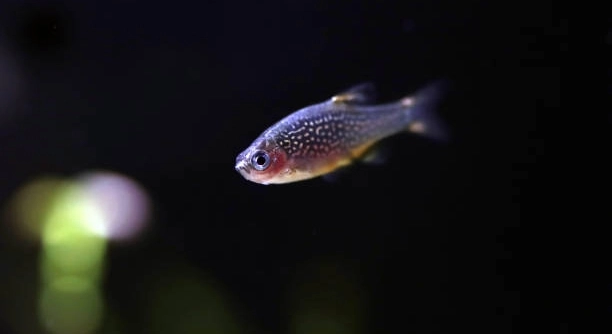
Male and female danios often behave differently in home aquariums, showing unique patterns in swimming, feeding, and social interactions. Observing these differences can help hobbyists better understand their fish and create a harmonious environment.
Male and female danios exhibit distinct behavioral traits, including varying activity levels, territorial tendencies, schooling behaviors, and mating displays. These differences are influenced by hormonal variations and reproductive roles, which result in observable contrasts in movement, aggression, and interaction patterns.
Recognizing these subtle behaviors can improve care and enrich the overall experience of keeping danios in a home aquarium.
Swimming Patterns
Male danios are usually more active swimmers than females. They tend to move quickly throughout the tank, exploring every corner and often displaying sudden bursts of speed. Females swim more steadily and often stay in the middle or lower areas of the tank. Observing these patterns helps in understanding the balance of energy in the aquarium. Male danios may dart around to assert dominance or attract attention, while females maintain a calmer presence. This difference is noticeable during feeding, as males may rush to the food while females approach more slowly. The contrast in movement also affects how they interact in groups. Males sometimes chase each other, creating small temporary clusters, whereas females form tighter, consistent schools. These patterns are influenced by hormones and natural behaviors, reflecting reproductive and social roles. Adjusting tank decorations and hiding spots can help manage these activity levels and prevent unnecessary stress. By noticing their swimming differences, you can create a more peaceful and well-organized aquarium.
Swimming differences also influence tank layout and feeding schedules. Recognizing this can improve care.
Understanding swimming patterns lets you predict interactions and maintain harmony in the aquarium, reducing stress and supporting healthy growth in both males and females.
Feeding Behavior
Males are generally more aggressive during feeding, quickly grabbing food and sometimes nudging females aside.
Feeding behavior in danios varies due to metabolism and reproductive energy demands. Males often feed rapidly and frequently, consuming more in small bursts, while females approach food with patience and steadiness. This difference becomes obvious during group feeding times. Males may hover near the surface, striking at floating flakes or pellets with quick, precise movements. Females, on the other hand, move more deliberately, ensuring they get enough food without competing aggressively. Monitoring these behaviors allows owners to provide adequate portions and reduce stress from competition. Dividing feeding areas or using multiple feeding spots helps both sexes access food comfortably. Over time, recognizing these patterns ensures balanced nutrition, maintains energy levels, and supports healthy breeding if desired. Adjusting feeding routines based on behavior also prevents overeating and minimizes waste accumulation in the tank. A clear understanding of feeding dynamics makes tank management smoother and keeps danios healthy and active.
Social Interaction
Male danios are more likely to engage in chasing and playful sparring with other males.
These interactions are part of establishing hierarchy and can appear aggressive but usually do not cause harm. Males often display brighter colors and fin flares during these encounters to assert dominance. Females, however, tend to avoid conflicts and stay closer together, forming tighter groups for safety. The difference in social behavior affects how danios organize themselves in the tank. Males may temporarily separate from the school during interactions but return once the display ends. Observing these behaviors helps in arranging tank mates and preventing unnecessary stress, especially in smaller tanks. Providing hiding spots or plants allows females to retreat, while males benefit from open swimming areas to express natural behaviors. Understanding these social dynamics ensures a balanced and peaceful aquarium environment for both sexes, reducing tension and supporting overall health.
Male social behavior is more active and territorial, while females prioritize group cohesion and safety.
Watching social interactions carefully helps predict conflicts and ensures males and females coexist with minimal stress, improving tank harmony.
Reproductive Displays
Males perform quick, repetitive movements near females to show readiness for mating.
These displays include circling, nudging, and fin spreading to attract female attention. Females respond more subtly, often adjusting position or swimming away to indicate readiness. Reproductive behavior is highly influenced by water conditions, diet, and tank size. Male displays can be frequent, especially in mixed-sex groups, while females react selectively. Observing these patterns allows owners to separate aggressive males or provide sufficient space. Timing feeding and maintaining clean water support healthy reproductive activity.
Female danios may appear less noticeable during mating, but their responses are key to successful pairing. Monitoring interactions prevents stress and supports natural breeding cycles.
Environmental factors such as tank layout, lighting, and plant coverage influence how reproductive behaviors manifest. By adjusting conditions, males can display comfortably without overwhelming females, and females can respond without feeling cornered. Creating areas for retreat and clear swimming paths improves mating success while maintaining peaceful coexistence. Observing these cues ensures reproductive health and reduces unnecessary aggression, making breeding management more predictable and manageable.
Aggression Levels
Male danios show higher aggression toward tank mates, especially other males.
Females are generally peaceful and rarely engage in chasing or nipping. Their calmer nature helps maintain stability in the aquarium.
Schooling Behavior
Females tend to form tighter, more cohesive schools, swimming closely together for safety and social comfort. Males often break away from the group to explore or display dominance. Observing schooling behavior can guide tank arrangement and group sizes. Mixed groups balance activity and reduce stress, supporting a healthier environment for both sexes.
Resting Patterns
Females usually rest near the bottom or in sheltered areas, while males remain more active.
Color Intensity
Male danios display brighter colors, particularly during interactions or mating periods, whereas females have softer, subtler hues that help them blend with the group.
FAQ
How can I tell male and female danios apart?
Males are usually slimmer, smaller, and more colorful, while females are rounder with a softer coloration. Observing swimming patterns, schooling behavior, and aggression also helps differentiate them. Males are more active and often chase each other, while females prefer group cohesion.
Do males always chase females?
Not constantly, but males may chase females during mating periods. Outside reproductive behavior, males may chase other males more than females. Chasing is part of natural dominance and reproductive display. Providing space and hiding spots reduces stress for females.
Why do males look brighter than females?
Males display brighter colors to attract females and assert dominance. Hormonal differences influence pigmentation, especially during breeding periods. Females retain subtler hues for camouflage and protection within the school.
Can aggressive males harm females?
Severe aggression is rare, but overly dominant males can stress females. Ensuring adequate tank size, hiding areas, and multiple feeding spots minimizes stress. Observation is important to prevent bullying.
Do females need different food than males?
Diet is generally the same, but females benefit from slightly more nutrient-rich food to support egg production. Males often eat faster and may need food spread across the tank to prevent competition.
How many males and females should be kept together?
A ratio of two or three females per male reduces stress and excessive chasing. Balanced groups promote peaceful schooling behavior and minimize conflict, especially in smaller tanks.
Do males and females rest differently?
Females often rest near the bottom or among plants, while males remain more active, occasionally taking short pauses. Providing shaded or planted areas accommodates natural resting preferences.
Do danios breed easily in home aquariums?
Yes, under proper water conditions, clean tanks, and balanced diets. Males perform mating displays, and females respond selectively. Providing shallow areas with plants or spawning mops supports egg-laying and fry survival.
Can color intensity indicate health?
Yes, bright colors usually signal good health in males. Dull or faded coloration may indicate stress, poor diet, or illness. Females’ subtle colors make this less obvious, but overall activity and appetite are key indicators.
Do males and females interact differently with other fish species?
Males are more likely to show curiosity or territorial behavior, while females tend to avoid conflict and remain within their school. Understanding these tendencies helps prevent issues in community tanks.
How can I reduce male aggression in a mixed tank?
Adding plants, hiding spots, and sufficient swimming space helps males expend energy without stressing females. Keeping an appropriate male-to-female ratio and monitoring feeding reduces competition. Temporary separation of overly aggressive males may be necessary.
Is it normal for females to hide more than males?
Yes, females naturally seek safety in numbers or shelter, especially if males display frequent chasing behavior. Observing and adjusting the environment ensures females feel secure while males remain active.
Do water conditions affect behavior?
Absolutely. Stable temperature, clean water, and proper filtration influence activity, aggression, feeding, and reproductive behavior. Poor conditions can make both males and females lethargic or overly stressed. Monitoring water quality is essential for healthy dynamics.
Can I tell behavior differences at a young age?
Some differences appear early, such as activity level and schooling tendencies, but coloration and reproductive behaviors are more noticeable as fish mature. Observing young danios over time helps identify males and females accurately.
Do males and females live equally long?
Yes, with proper care, both sexes generally have similar lifespans. Health, diet, tank conditions, and stress levels are more influential than sex in determining longevity.
Can I keep only males or only females?
Yes, but behavior differs. Male-only groups may display more sparring, while female-only groups are calmer and form tighter schools. Mixed groups provide natural dynamics but require careful management.
Do males fight more during breeding season?
Yes, increased activity and aggression are common when males display for females. Providing extra space and monitoring interactions prevents harm and keeps the tank balanced.
How do I know if a female is ready to spawn?
A rounded belly and calm response to male displays indicate readiness. Females may swim slower and stay near plants or spawning areas when preparing to lay eggs.
Can males show aggression even without females?
Yes, males may assert dominance over each other even in female-free tanks. This behavior is natural but can be moderated with space, hiding spots, and group size management.
Do males and females respond differently to stress?
Males may become hyperactive or chase more aggressively, while females may hide or reduce activity. Recognizing these signs allows timely adjustments to water conditions, feeding, or tank layout to minimize stress.
Male and female danios show many differences in behavior, appearance, and social interaction, and understanding these differences helps in maintaining a balanced aquarium. Observing their swimming patterns, feeding habits, and resting spots gives clear signs of each fish’s natural tendencies. Males tend to be more active, colorful, and sometimes aggressive, while females are calmer, form tighter schools, and maintain subtler colors. These distinctions are not just about appearance but also about energy levels, social structure, and reproductive roles. Paying attention to these details allows you to arrange the tank in a way that reduces stress for both sexes and supports healthier interactions. Even small changes in tank setup, such as adding plants, hiding areas, or multiple feeding spots, can significantly improve the comfort and well-being of both males and females.
Proper care for male and female danios also involves understanding their feeding and reproductive behaviors. Males often eat quickly and compete for food, while females eat more steadily, sometimes needing more nutrients to support egg production. Adjusting feeding techniques, like spreading food across the tank or providing extra portions for females, ensures all fish get enough without conflict. Reproductive displays in males are natural and important but can be stressful for females if the environment is cramped or lacks hiding places. Observing and managing these interactions carefully prevents injury, stress, and unnecessary aggression. Creating areas for retreat, maintaining clean water, and monitoring tank conditions all contribute to healthier reproductive behavior and overall activity levels. These steps help both males and females thrive, making the aquarium a more stable and enjoyable place to watch.
Understanding social dynamics is equally important for long-term care. Male danios show dominance through chasing or brief sparring, while females focus on schooling and safety. Mixed groups require balance to prevent excessive aggression and ensure both sexes can behave naturally. The right male-to-female ratio, proper tank size, and environmental enrichment reduce stress and promote peaceful coexistence. Noticing subtle cues, like changes in activity, coloration, or hiding patterns, provides insight into fish health and emotional state. By paying attention to these behaviors and adapting the environment accordingly, owners can support natural interactions and prevent problems before they arise. Overall, recognizing and respecting the differences between male and female danios is essential for maintaining a harmonious aquarium where both can flourish.

Hello,
If you enjoy the content that we create, please consider saying a "Thank You!" by leaving a tip.
Every little bit helps us continue crafting quality advice that supports the health, happiness, and well-being of pets around the world, for pets of all shapes, sizes, and species.
We really appreciate the kindness and support that you show us!