
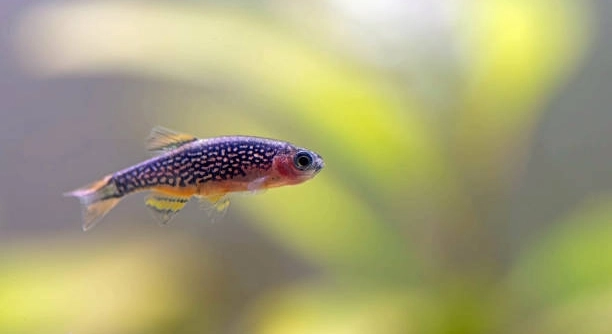
Are your danios showing new behaviors that leave you wondering if they might be preparing for a breeding event in your aquarium, creating subtle signs that suggest something important is happening beneath the surface day.
Identifying egg laying in danios relies on observing distinct behavioral shifts, including heightened activity, close pairing, and a visibly fuller abdomen. These indicators provide consistent biological evidence that the fish are entering a reproductive phase suitable for confirming imminent spawning.
These small changes create a clearer picture of their breeding cycle, helping you follow each stage with confidence and curiosity.
Understanding Early Spawning Signs
Pacing the tank and observing your danios closely helps you notice the subtle shifts that come before egg laying. When you watch them move with extra energy, especially in groups or tight pairs, it signals a change in their usual rhythm. Their colors may look brighter, their bodies slightly rounder, and their actions more focused on certain spots of the aquarium. These behaviors show that they are preparing for an important stage that needs steady conditions and calm surroundings. You might also see them exploring plants more than usual, slipping through leaves or hovering near shaded areas. These small details give you a sense of how ready they are, guiding you toward offering the right support at the right time. Paying attention to these signs keeps the process smooth and helps your danios feel safe while they move through each part of their breeding cycle with calm care from you.
These shifts in movement and body shape give you a clear sense of their breeding readiness, helping you understand when to support them more closely. Watching these details keeps the environment balanced and lets your danios settle into their natural rhythm without stress or unnecessary changes in your aquarium today.
Supporting their behavior during this time means keeping the tank stable and peaceful. Stable temperature, gentle filtration, and low disturbance help your danios stay comfortable while preparing for egg laying. You can also offer fine plants or spawning mops to give them secure places to scatter their eggs. Staying consistent with feeding and lighting helps maintain their routine, which can improve their breeding success. When you make these adjustments with care, your danios respond with healthier behaviors, activity patterns, and smoother interactions. These practical steps make the experience feel easier and help you guide them through this stage with confidence.
Supporting Healthy Danio Spawning
Maintaining steady water quality keeps your danios relaxed and focused on their natural breeding behaviors. Clean water, safe filtration, and minimal disruptions provide a supportive space where they can pair, explore plants, and release eggs comfortably while staying healthy throughout the entire process without unnecessary interruptions or stress each day.
Creating an environment that supports healthy spawning requires steady care and attention to the elements your danios rely on most. A clean substrate, gentle lighting, and consistent temperature help them remain calm while entering their breeding phase. Adding fine leaved plants or soft artificial materials gives them places to scatter their eggs safely, reducing the chance of disturbance or predation. Feeding high quality foods in small amounts maintains their strength without overwhelming the water. Regular maintenance, such as careful water changes and filter checks, keeps the tank balanced so the breeding process can continue without stress. Observing their movements helps you understand when to adjust conditions or add small comforts that help them settle. With these steps in place, your danios stay active, healthy, and ready to complete this stage smoothly. Maintaining predictable routines supports their comfort by helping them recognize the tank as a stable space suitable for laying eggs, encouraging steady behaviors that keep the spawning process moving forward with steady support across their breeding.
Recognizing Behavioral Changes
Sudden bursts of activity and close swimming patterns often appear when your danios prepare to lay eggs. Their focus shifts toward specific areas of the tank, and their movements become more intentional, giving you early clues that the breeding process is already progressing.
These behaviors become clearer as your danios settle into a more structured pattern. They may chase gently, hover around plants, and stick close to chosen partners. Their colors can appear slightly more intense, giving them a brighter look that signals increased readiness. These changes reflect natural instincts that rise during this stage, helping you understand how their environment affects each step. When you watch them closely, these moments stand out more, allowing you to respond in quiet, helpful ways that keep the tank calm and steady.
It helps to reduce disturbances so their behaviors continue naturally. Avoid sudden rearrangements or loud activity around the aquarium. These small adjustments let your danios maintain focus while moving through each phase with less stress. They often return to the same preferred spots, giving you hints about where spawning may occur. Keeping the tank stable and familiar gives them confidence, making each behavior easier to recognize and support.
Spotting Physical Indicators
Fuller bellies and brighter coloration serve as strong physical signs that your danios are preparing to lay eggs. These shifts often appear gradually, giving you time to notice how their bodies respond to stable care and consistent conditions in your tank.
Their abdomen becomes more rounded as eggs develop, creating a noticeable difference in shape compared to their regular appearance. Female danios often look slightly wider, while males may show sharper colors and increased eagerness to interact. These differences help you distinguish which fish are leading the process and which are responding to the changes. Keeping the water stable and clean supports these developments, helping them feel secure as their bodies progress toward egg laying. Watching these subtle shifts gives you insight into the right moment to ease disturbances and maintain a peaceful, predictable routine that supports their breeding behavior without overwhelming the tank.
Observing Tank Interaction
Close interaction between your danios becomes more noticeable as they prepare for egg laying. They may circle each other, linger near plants, and repeat small movements that look more focused than usual. These patterns often appear early, giving you helpful clues about their growing readiness inside the tank each day.
They often return to the same spots, creating a predictable rhythm that helps you understand their intentions. Subtle nudges, gentle chasing, and longer pauses near shaded areas reveal their comfort with the environment. These movements help you recognize the steady progress toward egg laying without disrupting their calm routine today.
Monitoring Environmental Factors
Stable conditions play a key role in helping your danios stay comfortable while preparing to lay eggs. Clean water, steady temperature, and gentle filtration support their natural behavior and reduce unnecessary stress. When the tank remains predictable, they respond with more confident movements and clearer patterns that reveal their breeding readiness. Adding plants or soft materials gives them safe areas to explore, letting you see when they begin focusing on specific spots. Keeping the lighting consistent also helps maintain their rhythm, allowing you to observe their changes without overwhelming the tank. With quiet care, these signs become easier to notice.
Noticing Subtle Shifts
Small changes in movement or posture help you understand when your danios are nearing the moment of egg laying. They may glide more slowly, linger near comfortable spaces, and show calm focus. These soft signals guide you toward providing steady support without interrupting their natural pattern inside the tank today.
FAQ
How can I tell if my danios are about to lay eggs?
Danios show several clear signs before spawning. Look for changes in behavior, such as swimming closely together, lingering near plants, or chasing gently. Their colors may become brighter, and females often develop a fuller abdomen. Paying attention to these patterns gives you early clues about breeding readiness. Observing them in a calm environment helps these behaviors stand out.
What kind of tank setup encourages egg laying?
A stable tank with clean water, gentle filtration, and consistent temperature is crucial. Adding fine-leaved plants or spawning mops gives fish safe areas to deposit eggs. Consistent lighting and minimal disturbances reduce stress and let natural behaviors emerge. Keeping food quality high while maintaining routine feeding supports their health during this stage.
Do I need separate breeding tanks for danios?
While not strictly required, a dedicated breeding tank makes it easier to manage eggs and fry. It reduces competition and predation from other fish, ensuring more eggs survive. The tank should replicate stable conditions with soft substrates or plants for egg scattering. Observation is simpler, and water maintenance is easier in a smaller, controlled space.
How often do danios lay eggs?
Danios can lay eggs frequently if conditions are ideal. Typically, females release eggs multiple times during breeding cycles, often a few days apart. Tracking their behavior helps predict when the next batch may occur. Regular observation ensures the tank remains supportive and safe for both adults and eggs.
What should I feed my danios during breeding?
High-quality, protein-rich foods help prepare danios for spawning. Live or frozen options like brine shrimp or daphnia encourage healthy development and energy. Small, frequent feedings prevent overfeeding and maintain water quality. Balanced nutrition supports reproductive health and overall vitality during egg-laying periods.
How do I care for the eggs after they are laid?
Danio eggs are delicate and need clean, oxygen-rich water. Removing adults may prevent egg predation. Gentle aeration and stable temperature improve survival rates. Avoid strong currents that could dislodge eggs, and keep the environment quiet to minimize stress. Observing eggs daily helps you track progress and detect potential issues early.
Can danios lay eggs without a male present?
No, fertilization requires a male. Females may release eggs alone, but these eggs will not develop. A male is needed to fertilize the eggs immediately after they are laid. Observing pairing behaviors ensures successful reproduction and improves the likelihood of healthy fry.
How long does it take for danio eggs to hatch?
Hatching usually occurs within 2 to 3 days under ideal conditions. Temperature, water quality, and oxygen levels affect timing. After hatching, fry remain near safe surfaces for feeding. Providing suitable micro-foods and maintaining stable conditions promotes survival and healthy growth in the early days.
What signs indicate fertilized eggs versus unfertilized ones?
Fertilized eggs appear clear with a small dark spot inside and may develop a slight swelling over time. Unfertilized eggs often turn cloudy or white and can become prone to fungus. Removing unfertilized eggs promptly helps prevent contamination and supports the survival of healthy embryos.
Is it normal for danios to eat their own eggs?
Yes, it can happen. Danios sometimes eat eggs if stressed, overcrowded, or lacking food. Providing plants, spawning mops, or a separate breeding tank reduces this behavior. Observing them closely and maintaining proper feeding routines helps improve egg survival and keeps adult fish calm during the breeding period.
How can I encourage repeat spawning?
Maintaining stable water conditions, consistent feeding, and calm surroundings helps promote repeated egg laying. Removing eggs promptly and providing appropriate hiding spots encourages females to lay more eggs. Keeping the tank predictable and minimizing stress allows the cycle to continue naturally over time.
What should I do if my eggs aren’t hatching?
Check water temperature, cleanliness, and oxygen levels. Eggs may fail to hatch due to poor conditions, unfertilized status, or fungal infection. Adjusting the environment, separating adults, and gently cleaning or treating eggs can improve survival. Careful observation ensures you can intervene without causing harm.
Can I tell the difference between male and female danios before breeding?
Females tend to have fuller abdomens and slightly rounder bodies, while males are often slimmer with brighter coloration. Observing behavior, such as chasing and pairing, also helps distinguish sexes. Recognizing these differences helps predict which fish are ready to lay and fertilize eggs successfully.
Are there any signs of stress that affect egg laying?
Stress can disrupt spawning. Signs include erratic swimming, hiding, or lack of interest in plants and partners. Overcrowding, sudden temperature changes, or poor water quality often cause stress. Reducing disturbances and maintaining stable tank conditions supports natural behaviors and increases the chances of successful egg laying and fertilization.
How long should I wait before adding eggs back to the main tank?
Wait until fry are strong enough to swim and feed independently, usually several days after hatching. Gradually acclimate them to the main tank to reduce shock. Ensuring water parameters match prevents stress and supports healthy growth, allowing fry to thrive alongside adult danios safely.
What are the most common mistakes in danio breeding?
Overcrowding, poor water quality, and inconsistent feeding are common problems. Disturbing eggs or adult fish can also reduce survival. Providing plants, maintaining stable conditions, and monitoring behavior closely helps prevent these mistakes. Careful attention increases success rates while keeping fish healthy and calm during breeding.
Can environmental changes trigger spawning?
Yes, subtle changes like temperature adjustments or slightly increased light can encourage egg laying. Simulating seasonal variations may prompt natural breeding cycles. Ensuring these changes are gradual and controlled prevents stress while signaling to the fish that conditions are suitable for reproduction.
How can I tell when fry are ready to eat?
Fry become active and swim freely a few days after hatching, indicating readiness to feed. Offering tiny, high-protein foods like infusoria or microworms supports early growth. Observing swimming patterns and behavior ensures feeding is timely and helps fry develop healthily without overfeeding or water contamination.
What precautions should I take for water changes during breeding?
Perform gentle, partial water changes to maintain quality without disturbing eggs or fry. Avoid sudden temperature shifts or strong currents. Using clean, dechlorinated water preserves delicate eggs and encourages healthy development. Regular, careful maintenance ensures a stable environment that supports all stages of breeding.
How important is observation during spawning?
Close observation helps identify readiness, pairing behaviors, egg laying, and potential issues. Watching subtle shifts allows timely adjustments to care, feeding, or tank conditions. Regular monitoring supports higher survival rates and reduces stress for both adults and fry, ensuring a smoother breeding process overall.
Final Thoughts
Observing your danios as they prepare to lay eggs can feel rewarding and informative. Each small behavior, from hovering near plants to chasing gently, gives insight into their natural breeding cycle. Paying attention to these details allows you to create a calm, stable environment that supports their readiness and encourages natural behavior. The subtle changes in movement, color, and interaction are all signs of a healthy reproductive process. Watching them in a steady, quiet tank helps you recognize the right moments to provide support and avoid unnecessary stress. Even small adjustments, such as adding fine-leaved plants or creating shaded spots, can make a big difference in how your fish behave and how successful the egg-laying process will be. By staying consistent with water quality, temperature, and feeding routines, you help your danios maintain their energy levels and overall health, which directly affects breeding success. These early observations form the foundation for understanding their patterns and anticipating each stage, making it easier to care for both the adults and the eggs.
Supporting your danios through the egg-laying process requires attention to detail and careful management of the aquarium environment. A stable tank with gentle filtration, consistent lighting, and minimal disturbances ensures that the fish can move through each step of the breeding cycle without unnecessary stress. Providing proper nutrition through high-quality food helps maintain their strength and encourages healthy reproductive behaviors. Using spawning mops, fine-leaved plants, or other materials for egg scattering creates secure spaces for eggs and reduces the risk of predation or damage. Observing where the fish focus their activity allows you to make small adjustments that improve comfort and safety, such as adjusting water flow or ensuring hiding spots are easily accessible. These measures, while simple, create an environment that aligns with the natural instincts of your danios, allowing them to reproduce with minimal interference. Over time, these practices support both the survival of eggs and the well-being of the adult fish, creating a balanced, thriving aquarium.
Paying close attention to both behavioral and physical indicators provides a complete picture of your danios’ readiness to lay eggs. Fuller bellies, brighter colors, repeated hovering in certain areas, and close pair interactions all signal that the breeding process is progressing. By observing these signs in a calm, predictable environment, you can respond in ways that help maintain comfort and health for your fish. This includes gentle water maintenance, monitoring temperature, offering safe egg-laying sites, and minimizing sudden changes or disturbances. Supporting their natural cycle through these practical steps improves the chances of successful spawning while keeping stress low. Over time, careful observation, consistent care, and small environmental adjustments allow you to manage the breeding process confidently, providing the best conditions for both the adult danios and their developing eggs. Consistency, patience, and attention to detail form the basis of responsible care and ensure that your aquarium remains a healthy, productive space for these active, lively fish.

Hello,
If you enjoy the content that we create, please consider saying a "Thank You!" by leaving a tip.
Every little bit helps us continue crafting quality advice that supports the health, happiness, and well-being of pets around the world, for pets of all shapes, sizes, and species.
We really appreciate the kindness and support that you show us!