
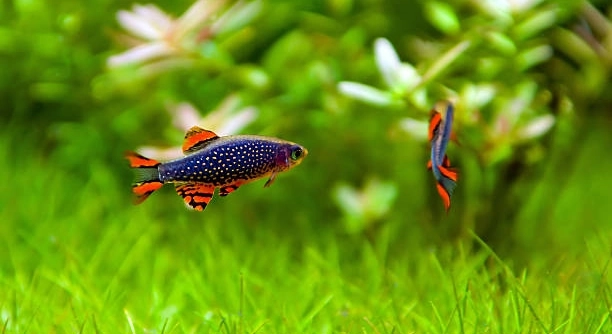
Danios are active, small fish that bring energy to any tank. They adapt well to different environments, making them a favorite for both beginners and experienced aquarists. Their playful nature adds life to the aquarium setting.
Danios tolerate a variety of tank cycles, including established, newly cycled, planted, low-maintenance, community, heavily stocked, and lightly filtered tanks. Their hardy physiology allows them to adjust to moderate changes in water chemistry and biological conditions efficiently.
Learning which tank setups best support danios can help you maintain healthy, vibrant fish and a stable aquarium environment. This guide will highlight the cycles they handle best.
Established Tanks
An established tank is one where the biological filter has matured and ammonia, nitrite, and nitrate levels are stable. Danios thrive in these tanks because the water chemistry is consistent, and beneficial bacteria have fully developed. Regular water changes and routine maintenance keep the environment healthy. Adding danios to an established tank reduces stress since the conditions are predictable, and the risk of sudden ammonia spikes is minimal. They can swim freely and explore without the danger of harmful toxins, and the stable ecosystem supports their active behavior. Plants, decorations, and other fish already in place create a natural and engaging habitat for them. Over time, danios in these tanks tend to show stronger coloration and more energetic movement. Monitoring parameters like pH, temperature, and hardness ensures their long-term well-being. An established tank is generally considered the safest and most adaptable option for introducing these fish. Their adaptability shines best under these stable conditions.
Established tanks provide a stable, low-stress environment for danios, allowing them to display healthy behavior and consistent activity patterns.
Adding danios to an established tank is easier and less risky than a newly cycled tank. The bacterial colonies handle waste efficiently, and sudden changes in water quality are unlikely. Observing their natural schooling behavior is more predictable, and the fish settle quickly. Regular maintenance is still necessary, but it requires less frequent adjustments. Experienced aquarists often recommend starting with an established tank because it ensures survival and reduces the stress of adaptation. With plants, hiding spots, and moderate filtration, danios feel comfortable exploring, and their social interactions are more visible. Keeping an eye on nitrate levels is important, as even stable tanks accumulate waste over time. Feeding routines can remain consistent, and fish display healthy growth without interruptions. By maintaining proper water parameters and monitoring the tank regularly, danios remain lively, colorful, and active. Their hardiness, combined with a mature environment, makes established tanks one of the best choices for this species.
Newly Cycled Tanks
Newly cycled tanks are tanks that have recently gone through the nitrogen cycle, establishing bacteria colonies to process waste.
Danios can adapt to newly cycled tanks if ammonia and nitrite levels are zero and nitrate is controlled. Careful monitoring and smaller school sizes reduce stress. Frequent water testing ensures early detection of any imbalance. While not as stable as fully established tanks, a recently cycled tank can support healthy danios if maintenance is consistent. Avoid overfeeding, as excess waste may overwhelm the bacteria temporarily. Slowly introducing other fish after the initial adaptation period allows danios to acclimate comfortably. Plants or sponge filters help stabilize conditions and provide hiding spots. Patience during the first few weeks is key, as the tank continues to mature biologically. Even though these tanks require more attention, danios’ hardiness allows them to cope with minor fluctuations. With proper care and observation, they can flourish, display active schooling, and integrate smoothly into the growing aquarium ecosystem without long-term issues.
Planted Tanks
Planted tanks provide natural hiding spots and swimming areas. Danios enjoy exploring among plants, which also help maintain water quality by absorbing nitrates and offering oxygen.
Plants reduce stress for danios by giving them shelter from bright lights or more active tankmates. They create a more natural environment where the fish can exhibit normal behaviors like schooling and darting. Rooted and floating plants both work well, but floating plants can offer shaded areas for calmer periods. Maintaining plant health is important because decaying leaves can affect water quality, so regular trimming and care are necessary. Filtration and gentle water flow help support both plants and fish. Danios thrive when plants are spaced to allow free swimming while still providing cover, creating a balance between activity and security.
Adding plants also encourages natural feeding habits. Danios often nibble at microfauna living on plant surfaces, which supplements their diet. Plants contribute to stable water parameters, and their presence can reduce sudden nitrate spikes. By combining plants with moderate filtration and proper maintenance, a planted tank becomes a supportive environment where danios display energetic behavior, vivid coloration, and social interaction, all while benefiting from the ecological balance plants provide.
Low-Maintenance Tanks
Low-maintenance tanks require minimal daily upkeep while still keeping water conditions stable. Danios tolerate these tanks well because of their hardiness and adaptability.
A low-maintenance tank often relies on established filtration and fewer frequent water changes, making it easier to manage. Danios in these tanks benefit from their resilient nature, which allows them to handle minor fluctuations in water chemistry. Choosing hardy plants or decorations that do not decay quickly supports water quality. Avoid overstocking, as excessive waste can overwhelm filtration, and maintain a consistent feeding schedule. Even with reduced care, monitoring parameters occasionally ensures the tank remains healthy for danios. Their active schooling behavior is supported as long as space and water quality are adequate.
These tanks suit busy aquarists or those who prefer simplicity without sacrificing fish health. Danios adapt well to stable yet minimally managed environments, making them ideal for low-maintenance setups. Choosing proper filtration, moderate feeding, and hardy plants ensures both fish and tank remain in balance. Their natural activity and social behavior continue to shine, demonstrating that even a less hands-on approach can provide a thriving home for these energetic fish.
Community Tanks
Danios adapt well to community tanks because they are active but generally peaceful. They coexist with other small, non-aggressive fish and enjoy swimming in groups without dominating space.
Schooling behavior is natural for danios, which helps them feel secure among other species. Proper spacing and hiding spots reduce stress, ensuring harmony in the tank.
Heavily Stocked Tanks
Heavily stocked tanks can support danios if filtration is strong and water quality is monitored regularly. Danios’ tolerance for minor fluctuations allows them to thrive alongside many other fish. Maintaining water flow and performing regular partial water changes helps prevent buildup of toxins.
Lightly Filtered Tanks
Danios can handle lightly filtered tanks due to their hardy nature and high activity levels. Gentle water flow and frequent observation help keep conditions suitable.
How many danios should be kept together?
Danios are schooling fish and feel safest in groups. Keeping at least six together ensures they display natural behavior, swim actively, and reduce stress. Smaller groups can lead to aggression or anxiety, as they rely on social interaction for security. Schools allow them to dart and explore, which makes observing their energetic behavior more enjoyable. A larger group may require more space and stronger filtration, but it enhances their overall activity and coloration. Space, tank size, and other fish must be considered to prevent overcrowding, keeping the environment balanced and healthy.
Can danios live in a tank with fluctuating temperatures?
Danios are fairly hardy and can tolerate moderate temperature changes, but sudden shifts can be stressful. They thrive best in a stable range, usually between 68°F and 75°F. Sudden drops or spikes may compromise their immune system and lead to disease. Using a reliable heater and thermometer helps maintain consistency. Even small daily fluctuations can affect feeding habits, activity, and breeding behavior. It is important to acclimate them slowly if transferring between tanks or during seasonal changes. Their adaptability does not replace the need for stable conditions, as consistent water quality ensures long-term health and vibrant activity in the tank.
What kind of diet do danios need?
Danios are omnivores and benefit from a varied diet including flakes, pellets, frozen, and live foods. High-quality flakes or pellets provide essential nutrients, while frozen or live foods like brine shrimp or daphnia add protein. Occasional vegetable matter supports digestion and overall health. Overfeeding can lead to poor water quality and obesity, so small, frequent feedings are recommended. Observing their feeding behavior ensures all fish are eating properly and helps prevent aggression during meals. A balanced diet contributes to strong coloration, high energy levels, and proper growth. Supplementing with occasional treats also encourages natural foraging behavior, keeping the fish active and engaged.
Are danios compatible with other fish species?
Danios are generally peaceful and compatible with other non-aggressive, small to medium-sized fish. Avoid keeping them with slow-moving or long-finned species, as danios’ active swimming can stress tankmates. Community tanks with tetras, rasboras, and small catfish usually work well. Providing hiding spots reduces potential conflicts. Monitoring interactions is important, as overcrowding or incompatible species can trigger aggression. Their schooling nature helps them feel secure and decreases territorial behavior. By choosing compatible tankmates, danios remain lively and social, enhancing the dynamic of a shared aquarium environment while minimizing stress for all inhabitants.
How often should water be changed in a danio tank?
Regular water changes are essential to maintain water quality and remove toxins. Typically, 25–30% weekly is sufficient for a moderately stocked tank. In heavily stocked or smaller tanks, more frequent changes may be necessary. Testing water parameters regularly helps determine the exact frequency. Even in low-maintenance setups, partial water changes prevent nitrate buildup and maintain stable conditions. Danios are hardy, but clean water supports healthy activity, growth, and coloration. Avoid changing all the water at once, as sudden shifts can stress fish and disrupt beneficial bacteria. Consistency is key to a thriving tank.
Can danios breed in a home aquarium?
Danios can breed in a home tank if conditions are right. Providing a separate breeding tank with fine-leaved plants or a spawning mop encourages egg laying. They scatter eggs, and adults may eat them, so removing adults after spawning increases survival. Maintaining slightly cooler water and a varied diet can stimulate breeding. Eggs hatch in one to two days, and fry require infusoria or finely crushed food initially. Careful monitoring of water quality, gentle aeration, and proper feeding are essential for fry development. Breeding danios is straightforward, but it requires attention to detail to ensure a healthy, growing population.
What signs indicate stress in danios?
Stress in danios can be identified by erratic swimming, hiding excessively, loss of appetite, or faded coloration. Prolonged stress may lead to illness or weakened immunity. Common causes include poor water quality, aggressive tankmates, overcrowding, or sudden environmental changes. Regular observation helps detect early signs, allowing corrective action before health deteriorates. Adjusting tank conditions, maintaining stable water parameters, and providing proper social structure reduce stress. Ensuring sufficient swimming space and hiding areas allows danios to feel secure and express natural behaviors, keeping them energetic, vibrant, and healthy over time.
Do danios need a special type of filtration?
Danios thrive in tanks with moderate to strong filtration that maintains water quality without creating excessive current. They are active swimmers and prefer gentle to moderate water flow, which mimics natural streams. Filters that provide biological, mechanical, and chemical filtration help sustain stable water parameters. Sponge filters or canisters work well, depending on tank size. Regular maintenance and cleaning of the filter prevent clogging and maintain efficiency. A proper filtration system ensures ammonia, nitrite, and nitrate levels remain safe, reducing stress and supporting long-term health. Combining filtration with consistent water changes creates an ideal environment for danios to flourish.
Danios are small, hardy fish that adapt well to a variety of tank conditions. They are active swimmers, which makes them enjoyable to watch and keeps aquariums lively. Because of their resilience, they are suitable for both new and experienced fishkeepers. Danios thrive in different tank setups, including established, newly cycled, planted, and community tanks. Their ability to handle moderate fluctuations in water quality makes them forgiving for those still learning about aquarium maintenance. Observing their schooling behavior adds a dynamic element to any tank. They interact with their environment, exploring decorations, plants, and other tankmates, which helps maintain a natural rhythm within the aquarium. Even when kept in lightly filtered or low-maintenance tanks, their hardy nature allows them to remain active and healthy, provided that water changes and basic care are maintained.
Feeding and social structure play a significant role in keeping danios healthy. A varied diet including flakes, pellets, and occasional live or frozen foods ensures they get the nutrients they need. Overfeeding can negatively impact water quality, so moderation is important. Danios are social fish and do best in groups of at least six. Keeping them in schools reduces stress and encourages natural behavior, such as darting and synchronized swimming. Their social needs make them ideal for community tanks with compatible species. Providing hiding spots and plants helps balance their activity and offers areas to retreat if necessary. Careful attention to tank size, stocking levels, and water conditions ensures that danios remain vibrant and energetic over time.
Tank maintenance and monitoring are essential to long-term success with danios. Regular water testing, partial water changes, and proper filtration help maintain a stable environment. Plants and decorations support water quality while giving the fish room to explore. Even hardy fish like danios benefit from consistent care, as sudden changes or overcrowding can lead to stress or illness. By selecting the right tank setup, maintaining a proper feeding routine, and monitoring water conditions, danios can thrive for years. Their energetic personality, hardiness, and schooling behavior make them a rewarding addition to almost any freshwater aquarium. Proper planning and care provide a balanced environment where these lively fish can grow, interact, and maintain their natural beauty, making them a dependable and enjoyable choice for aquarists.

Hello,
If you enjoy the content that we create, please consider saying a "Thank You!" by leaving a tip.
Every little bit helps us continue crafting quality advice that supports the health, happiness, and well-being of pets around the world, for pets of all shapes, sizes, and species.
We really appreciate the kindness and support that you show us!