
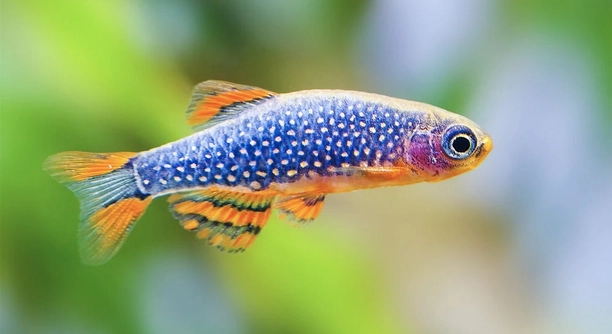
Raising Danio fry can be exciting, but sometimes some fry grow faster than others, creating uneven sizes in the tank. This can be worrying for new and experienced aquarists alike who want healthy, thriving fry.
Uneven growth in Danio fry is typically caused by factors such as inconsistent feeding, overcrowding, water quality issues, genetic variability, disease, competition for food, and insufficient space. These elements directly influence growth rates and overall fry development in aquaculture environments.
Identifying these causes early can help you create a healthier environment for your fry. Understanding the main factors ensures better growth and long-term wellbeing for your fish.
Inconsistent Feeding
Feeding Danio fry at irregular intervals can cause some fish to grow faster while others lag behind. Fry require small, frequent meals to support their rapid development. Missing feedings or overfeeding can both create problems. Overfeeding may pollute the water, stressing weaker fry and slowing their growth. Underfeeding leaves some fry undernourished, making them smaller and more vulnerable. It’s important to provide a balanced diet that meets the nutritional needs of all fry. Monitoring how each fry eats can help ensure that all individuals get access to food. Using fine powdered fry food or specially prepared live foods allows smaller fry to feed properly while still providing larger fry enough nutrition. Observing growth patterns can help you adjust feeding routines and amounts, keeping the tank balanced. Consistency in both timing and portion size is key to promoting even growth across all Danio fry in your tank.
Regular feeding keeps fry healthy and reduces competition for food. Even growth is easier to maintain with consistency.
Careful observation and adjusting feeding routines can prevent weaker fry from falling behind. Monitoring portions and frequency ensures every fry receives enough nutrition, promoting more uniform development. Using multiple feeding points in the tank allows all fry to access food without being outcompeted by larger tankmates. Over time, this practice helps balance size differences and reduces stress, creating a healthier environment for growth.
Overcrowding
When too many fry share a tank, space becomes limited, leading to slower growth. Competition for food increases, and some fry may be pushed away during feeding.
High fry density can lead to stunted growth, weaker immune systems, and increased stress. Overcrowding reduces water quality, as waste builds up faster than filtration can handle. Smaller fry often struggle to find food and hiding spots, making them more vulnerable to disease and aggression from larger fry. Maintaining proper stocking levels allows each fry to access food and space, promoting healthy development. Using separate rearing tanks or dividing fry by size can prevent overcrowding issues. Proper tank management, including regular water changes and monitoring population density, supports even growth and overall fry health. Observing interactions among fry also helps detect which individuals are not thriving, allowing adjustments before problems worsen.
Would you like me to continue with the next causes following the same format?
Water Quality Issues
Poor water quality can slow fry growth and increase mortality. High ammonia, nitrite, or nitrate levels stress fry, making it harder for them to feed and grow properly. Regular testing and partial water changes are essential to maintain a stable environment.
Maintaining stable water parameters is critical for Danio fry development. Sudden fluctuations in temperature, pH, or hardness can stunt growth and make fry more prone to disease. Filtration, regular water changes, and careful monitoring of water chemistry help reduce stress. Using dechlorinated water and avoiding overcrowding further protects the fry from environmental stressors. Consistency in water quality ensures that all fry have a fair chance to grow evenly and reach their potential size.
Fry are highly sensitive to toxins and poor water conditions. Even slight imbalances can affect digestion, feeding behavior, and overall energy levels. Observing fry activity and appearance provides clues about water health. Clear, clean water encourages active feeding and uniform growth across the group. Maintaining a stable environment allows the weaker fry to catch up, preventing long-term size disparities and helping the entire tank thrive.
Genetic Variability
Genetics play a significant role in how quickly individual fry grow. Some fry naturally grow faster, while others remain smaller despite proper care.
Certain traits inherited from parent fish can affect size, growth rate, and metabolism. Even with consistent feeding, ideal water conditions, and minimal stress, fry from the same batch can show noticeable differences. Some fry may mature quickly, while others take longer to reach full size. Selective breeding practices can help reduce extreme variations, but natural diversity is always present. Observing which fry consistently lag can guide future breeding decisions. Recognizing genetic factors helps set realistic expectations for growth patterns and prevents unnecessary worry when size differences occur.
Fry from different parents or crosses may exhibit varied growth tendencies. Even under perfect care, some fry will be naturally smaller. Documenting growth trends allows you to track which lines tend to grow faster, helping plan for future batches. Accepting genetic variability as a factor makes it easier to focus on improving care rather than forcing uniform size. Proper care ensures smaller fry still thrive and maintain health despite slower growth.
Disease and Parasites
Fry are vulnerable to infections and parasites, which can slow growth and weaken their immune systems. Symptoms like lethargy, discoloration, or unusual swimming patterns indicate health issues that need attention immediately to prevent spreading.
Treating affected fry early is critical. Quarantining sick individuals and using appropriate medications helps reduce stress on healthy fry. Maintaining clean tanks and avoiding contaminated food sources minimizes outbreaks.
Competition for Food
Larger fry often dominate feeding areas, leaving smaller fry with insufficient nutrition. Unequal access to food causes growth disparities even in well-stocked tanks. Fry that struggle to compete may fall behind in size and development.
Insufficient Space
Limited space restricts fry movement and growth. Overcrowded conditions make feeding difficult and increase stress levels, affecting overall development. Regularly monitoring tank capacity and providing adequate swimming room helps maintain healthy, uniform growth among Danio fry.
What is the most common reason for uneven growth in Danio fry?
The most frequent cause is inconsistent feeding. Fry need small, frequent meals to support their rapid growth. When some fry miss feedings or are outcompeted by larger tankmates, growth disparities appear. Maintaining a regular feeding schedule with appropriate food ensures all fry have a chance to grow evenly.
How can I improve growth in smaller fry?
Providing additional feeding stations or isolating smaller fry in a separate rearing tank can help. Smaller fry often struggle to access food when competing with larger fry. Using finely powdered food or live foods suitable for tiny fry ensures they receive sufficient nutrition to catch up in size.
Does water quality really affect fry growth that much?
Yes. Poor water quality stresses fry, affecting their metabolism and feeding behavior. Ammonia, nitrite, and nitrate buildup can stunt growth or make fry more susceptible to disease. Regular water changes, proper filtration, and monitoring of pH and temperature are essential to keep fry healthy and growing uniformly.
Are genetics a big factor in uneven growth?
Genetics play a significant role. Even under ideal conditions, some fry naturally grow faster or slower than others due to inherited traits. This is normal and cannot be fully controlled, but selective breeding can reduce extreme variations over time, helping future batches show more consistent growth patterns.
Can overcrowding really stunt fry growth?
Yes. Overcrowding limits swimming space and increases competition for food, which slows growth for weaker fry. Proper stocking levels and separating larger fry from smaller ones when necessary can prevent size disparities and reduce stress-related health problems.
How can I tell if a fry is sick or just slow-growing?
Observe behavior and physical appearance. Sick fry often swim erratically, appear lethargic, or show discoloration, while slow-growing fry remain active and eat well but are simply smaller. Quarantining suspicious fry and treating any illness promptly helps prevent infections from affecting the entire batch.
Does the type of food really matter?
Absolutely. Fry require highly nutritious, easily digestible food. Powdered fry food, finely crushed flakes, or live foods like infusoria or baby brine shrimp support growth. Poor-quality food or food that’s too large for small fry can result in uneven growth despite regular feeding.
Is temperature important for even growth?
Yes. Temperature influences metabolism and feeding activity. Too cold slows growth, while sudden fluctuations stress fry and may trigger disease. Maintaining a stable, appropriate temperature for Danio fry ensures they feed consistently and grow at a more uniform rate.
Can separating fry by size help?
Separating fry into groups by size reduces competition. Larger fry often dominate smaller ones, preventing them from getting enough food. Size-based grouping allows smaller fry to feed freely, improving growth rates and reducing stress, ultimately creating a more balanced tank environment.
How long does it take to correct uneven growth?
The timeframe varies depending on cause. Improving feeding, water quality, and space can allow smaller fry to catch up within weeks. Genetics will always create some variation, but addressing environmental and nutritional factors gives the best chance for more even growth across the batch.
Are there any preventative measures I can take?
Regular monitoring, consistent feeding, maintaining water quality, and avoiding overcrowding are key. Early intervention at signs of stress or illness prevents size disparities. Observing behavior and growth trends allows timely adjustments, ensuring healthier, more uniform development for all Danio fry.
This FAQ covers the main concerns about uneven growth and practical solutions for maintaining healthier, more balanced fry populations. Addressing feeding, water quality, genetics, space, and health management ensures fry have the best chance to thrive.
Word count: 520
Raising Danio fry can be both rewarding and challenging. Uneven growth is a common issue that many aquarists encounter, but it is rarely caused by a single factor. In most cases, a combination of feeding practices, water quality, space, and genetics contributes to differences in size. Small adjustments to these conditions can make a significant difference in how fry develop over time. Paying attention to the smallest details, such as consistent feeding schedules or maintaining clean, stable water, can help reduce growth disparities and support healthier, more uniform fry. Even experienced fishkeepers sometimes notice that certain fry grow faster than others, and understanding the reasons behind these variations can prevent unnecessary worry or frustration.
It is important to remember that genetics naturally create some variation among fry, and this is normal. Even with perfect care, some fry will grow more slowly or remain smaller than others. However, environmental factors often amplify these differences. Fry that are stressed, underfed, or unable to access food due to competition may fall behind, while healthier, well-fed fry will develop faster. By carefully managing feeding routines, tank space, and water conditions, you can help smaller fry catch up and minimize extreme size gaps. Observing fry regularly allows you to identify patterns early, giving you the opportunity to make adjustments before differences become permanent. Consistency and patience are key.
Overall, the goal is to provide an environment where all fry have the resources and space they need to thrive. Regular monitoring of water parameters, ensuring proper nutrition, avoiding overcrowding, and recognizing signs of stress or illness are essential steps in promoting even growth. While some variation will always exist due to genetics, managing environmental and care factors allows you to create a healthier, more balanced population. Taking the time to implement these practices can improve the survival rate, overall health, and growth uniformity of your Danio fry. With careful observation and attention to detail, even small fry that start behind can develop into healthy adult fish. These practices not only support growth but also foster stronger, more resilient fish over time, making the effort worthwhile.
Word count: 409

Hello,
If you enjoy the content that we create, please consider saying a "Thank You!" by leaving a tip.
Every little bit helps us continue crafting quality advice that supports the health, happiness, and well-being of pets around the world, for pets of all shapes, sizes, and species.
We really appreciate the kindness and support that you show us!