
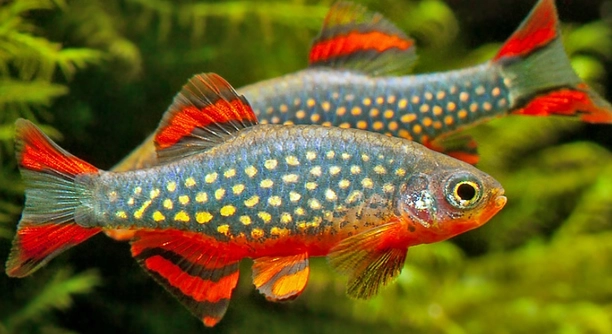
Mature Danio groups often display behaviors that are easy to miss in a busy aquarium. Observing them closely can reveal subtle patterns that hint at their social structure, mood, and interactions within their environment.
In mature Danio groups, seven rare behaviors have been documented, including synchronized swimming, hierarchical positioning, fin flicking, and unique feeding interactions. These behaviors reflect social dynamics, stress responses, and environmental adaptation, providing insight into their complex communal life.
Recognizing these uncommon behaviors can deepen your understanding of Danios and enhance the care you provide in their aquatic habitat.
Synchronized Swimming
Danios often move together in coordinated patterns that seem almost choreographed. This synchronized swimming is more than just movement; it reflects social bonds and group cohesion. Watching a group glide through the water, changing directions almost simultaneously, demonstrates their awareness of each other and environmental stimuli. This behavior helps reduce stress because being in a well-coordinated group makes individuals feel safer. It also aids in feeding, as they can herd smaller prey or avoid larger predators efficiently. In captivity, observing this behavior can indicate that the group is comfortable and the tank environment supports natural social interactions. Water quality, space, and consistent feeding all contribute to these patterns. Even minor changes, like rearranging plants or decorations, can alter their swimming formations. Recording or noting these patterns over time helps understand the subtle changes in group dynamics, which can be insightful for anyone managing a mature Danio community.
Synchronized swimming often signals a healthy, well-adjusted group. It shows they recognize each other and maintain strong social bonds.
When conditions are optimal, this behavior becomes more frequent and precise. Any stressors or overcrowding can disrupt the coordination, leading to sporadic or erratic movements. Careful observation can reveal when adjustments in the tank environment are needed. Maintaining consistent feeding schedules and water conditions helps preserve this behavior. It’s a quiet but meaningful indicator of group stability and comfort, giving insight into how Danios interact and respond to their surroundings.
Hierarchical Positioning
Hierarchical positioning is common in mature Danio groups. Some individuals naturally take leading or dominant positions during swimming or feeding, while others follow or stay at the edges.
This hierarchy ensures order and reduces conflict. Dominant Danios often guide the group, while submissive ones adapt to their movements.
The hierarchy is fluid, sometimes shifting based on age, health, or environmental changes. Leaders typically get first access to food and central swimming areas, while others maintain peripheral positions for safety. Observing these roles provides insight into social balance and stress levels within the group. Hierarchical positioning also influences mating behavior, as dominant males may be more likely to display or court females. Changes in this structure, such as the introduction of new fish or a sick individual, can temporarily disrupt the balance. Understanding and respecting these dynamics allows for better tank management, minimizing aggression while supporting natural social interactions. Monitoring these patterns regularly helps maintain a peaceful and stable aquarium environment, keeping mature Danios healthy and active.
Fin Flicking
Fin flicking is a subtle but noticeable behavior in mature Danios. They rapidly flick their fins while swimming or when pausing, often during feeding or when noticing changes in their environment. This action communicates alertness and signals social or territorial boundaries.
Fin flicking can indicate excitement, mild stress, or attempts to communicate with group members. It often occurs when a dominant fish approaches or when food is introduced. Observing the frequency and context of these flicks provides clues about individual comfort levels and social interactions. In a stable environment, flicking is brief and sporadic. Excessive flicking may signal overcrowding, poor water conditions, or sudden disturbances. Tracking these behaviors helps identify when adjustments are needed. Even slight variations in tank lighting or decoration placement can influence the frequency, making it a useful measure of environmental impact.
Flicking also plays a role in coordination during group swimming. It can signal a turn, a sudden stop, or alert others to a perceived threat. The behavior is natural and, when balanced, reflects healthy group dynamics. Maintaining a stable environment ensures flicking remains a functional communication method rather than a sign of stress. Paying attention to these signals strengthens understanding of Danio social patterns and daily activity rhythms.
Unique Feeding Interactions
Danios display unique feeding interactions that go beyond simple eating. Some fish may chase others away, while certain individuals share or follow leading fish to food sources, creating a visible social hierarchy.
These interactions reveal both dominance and cooperation within the group. Leading fish often take the first bites, while others anticipate movements and feed efficiently. Timing, positioning, and reaction speed all play a role in successful feeding. Observing these behaviors helps identify dominant individuals and highlights subtle social learning among the group. Some fish even mimic others’ actions, indicating an awareness of group dynamics and resource availability. Feeding interactions are influenced by food type, distribution, and frequency, so adjustments in feeding routines can impact behavior patterns. Over time, these patterns become predictable, offering insight into individual personality traits. Careful observation allows for fine-tuning feeding strategies to minimize conflict and promote fair access for all fish.
Bubble Chasing
Bubble chasing is a playful behavior seen in some mature Danios. Fish swim rapidly after air bubbles or small floating particles, often in short bursts of speed. This action appears both entertaining and instinctual, reflecting their natural curiosity and agility in the water.
This behavior can also serve as mild exercise and mental stimulation. It keeps fish active, helping maintain muscle tone and coordination. Observing consistent bubble chasing indicates a lively group and an engaging environment.
Shadow Following
Some Danios exhibit shadow following, swimming closely behind other fish. This behavior helps them feel secure and maintain group cohesion. It also allows less dominant fish to stay near leaders, reducing conflict and stress while navigating the tank together.
Surface Skimming
Surface skimming involves fish briefly breaking the water’s surface to capture floating food or inspect the area. This behavior demonstrates alertness and adaptation to available resources, ensuring they maximize feeding opportunities in their environment.
Resting Zones
Danios often establish preferred resting zones within the tank. These areas provide safety and comfort, allowing individuals to pause while staying connected to the group and minimizing stress from potential disturbances.
FAQ
Why do mature Danios swim in perfect groups?
Mature Danios swim in synchronized groups to stay safe and maintain social order. Swimming together reduces stress and gives each fish a sense of security. It also helps them respond faster to changes in the tank, like sudden movements or feeding times, and prevents weaker fish from being isolated.
What causes fin flicking in Danios?
Fin flicking occurs when Danios are alert, mildly stressed, or communicating with others. It often happens during feeding, when dominant fish approach, or if there are sudden changes in the environment. Observing the frequency helps identify potential stressors or adjustments needed in the tank setup.
How can I tell which Danio is dominant?
Dominant Danios often take central positions in the tank and lead during swimming or feeding. They get first access to food and may occasionally chase or block others. Watching these patterns over time makes it easier to identify leaders and understand the group hierarchy.
Why do Danios chase bubbles or floating particles?
Bubble chasing is a natural, playful behavior. It helps them stay active and mentally stimulated. This behavior is also a form of practice for chasing prey in the wild, improving coordination and reflexes, even in a calm aquarium environment.
What is shadow following and why does it happen?
Shadow following occurs when one fish swims closely behind another. It provides safety and reassurance, particularly for less dominant individuals. This behavior keeps the group cohesive and minimizes conflict while ensuring weaker fish can move safely through the tank.
Why do Danios skim the water surface?
Surface skimming is often related to feeding or inspecting the environment. Danios are alert and opportunistic, so they take advantage of floating food or small disturbances. This behavior ensures they maximize feeding efficiency while remaining aware of potential threats.
How important are resting zones for Danios?
Resting zones give fish areas of safety and comfort. Even active Danios need quiet spots to recover from activity and stress. Properly placed plants, decorations, or shaded areas encourage natural resting behaviors and help maintain a calm, balanced tank.
Do these rare behaviors indicate health issues?
Not necessarily. Most of these behaviors reflect social dynamics, environmental adaptation, or natural instincts. However, sudden changes or excessive behaviors like constant fin flicking or aggressive dominance can signal stress, illness, or poor water conditions that need attention.
How can I encourage healthy social behaviors?
Maintaining good water quality, proper tank size, and consistent feeding schedules supports natural behaviors. Avoid overcrowding, provide hiding spaces, and observe group interactions regularly. Respecting individual personalities and ensuring balanced nutrition encourages harmony and reduces stress.
Can introducing new Danios affect rare behaviors?
Yes, adding new fish can temporarily disrupt group dynamics. Hierarchies may shift, shadow following patterns may change, and some behaviors like fin flicking may increase. Gradual introductions and monitoring interactions help maintain stability while allowing the group to adapt safely.
Are these behaviors unique to Danios or common in other fish?
While some behaviors like fin flicking or synchronized swimming occur in other species, the combination and expression in mature Danio groups are distinctive. Observing these behaviors provides insight into their complex social structure, which differs from less social fish species.
How long does it take for rare behaviors to appear in captivity?
Behaviors usually become more noticeable as Danios mature, often after several months in a stable environment. Consistent care, adequate space, and minimal stressors allow these subtle social behaviors to emerge naturally over time.
What should I do if I notice unusual aggression?
Some aggression is normal due to hierarchy, but excessive fighting may indicate overcrowding, inadequate hiding spots, or stress. Separating overly aggressive individuals or adjusting tank conditions helps restore balance while preserving group stability.
Do Danios form long-term social bonds?
Yes, mature Danios recognize each other and maintain relationships within the group. Leaders, followers, and shadow followers show consistent roles, which help reduce conflict and maintain stability in the community. These bonds influence feeding, swimming, and resting behaviors.
Can observing these behaviors improve tank management?
Absolutely. Paying attention to synchronized swimming, fin flicking, feeding patterns, and resting zones provides valuable insight into stress levels, social structure, and environmental suitability. This knowledge allows for better adjustments to feeding, tank setup, and group care.
Is it normal for some Danios to remain on the edges?
Yes, peripheral positions are common for submissive or cautious fish. These individuals often follow dominant fish but stay near the edges for safety. Providing plants or decorations in these areas allows them to feel secure without disrupting the group’s activity.
Do rare behaviors change with age?
Behavior patterns may evolve as Danios grow older. Leaders may shift, less dominant fish may become more confident, and playful behaviors like bubble chasing may decrease slightly. Observing these changes helps track both social and physical development over time.
How do I document these behaviors effectively?
Keep a simple journal or record video clips over time. Note the context, frequency, and participants of each behavior. This helps identify patterns, monitor health, and adjust care routines as needed, ensuring a stable and thriving group environment.
Can environmental changes trigger new behaviors?
Yes, rearranging plants, adding decorations, or changing lighting can influence behaviors like synchronized swimming, shadow following, or fin flicking. Monitoring responses helps gauge comfort levels and determine whether adjustments benefit the group or cause stress.
How important is diet in influencing behaviors?
Diet directly affects energy levels, alertness, and feeding interactions. Balanced, varied food ensures active swimming, fair competition during feeding, and overall health, which supports natural social behaviors and reduces stress-induced actions.
Are these behaviors consistent across all Danio species?
Patterns vary slightly depending on species, but most mature Danios display similar rare behaviors. Differences in activity levels, group cohesion, and feeding dynamics reflect species-specific traits, yet the underlying social and environmental drivers remain comparable.
What is the best way to observe these behaviors?
Observing quietly, without sudden movements or tapping on the glass, is most effective. Consistent timing, such as during feeding or calm periods, provides accurate insights into social interactions and individual personalities without causing stress.
Do tank size and population affect these behaviors?
Yes, sufficient space and proper group size are crucial. Overcrowding can disrupt synchronized swimming, increase aggression, and reduce shadow following. A well-balanced population allows natural hierarchies and rare behaviors to develop fully.
Can stress completely stop these behaviors?
Severe or prolonged stress can reduce activity, diminish playful actions, and disrupt hierarchy. Ensuring clean water, stable conditions, and compatible tankmates is essential to maintain healthy behavior patterns.
How long should I monitor before drawing conclusions?
Observing over several weeks provides a clear picture of social structures, behavior frequency, and environmental impact. Short-term observations may miss patterns, so patience is key for accurate understanding and effective tank management.
Do these behaviors affect breeding or mating?
Yes, dominant positions, synchronized movements, and feeding interactions influence courtship and mating behavior. Recognizing social dynamics helps ensure a healthy, compatible group for natural reproductive behavior without excessive stress.
Can I encourage playful behaviors safely?
Providing floating objects, gentle water currents, or varied food placements can stimulate bubble chasing and active swimming. Ensuring safety and adequate space prevents stress while promoting natural, enriching interactions in the group.
Are resting patterns important to monitor?
Resting zones show where fish feel safe and how stress levels fluctuate. Frequent changes or avoidance of these areas may indicate disturbances, illness, or discomfort, making monitoring essential for group well-being.
Do rare behaviors indicate personality differences?
Yes, some Danios are more bold, playful, or dominant, while others are cautious or submissive. Observing these traits helps understand group roles and individual needs, allowing tailored care that supports harmony and health.
Can lighting or tank decoration changes influence behavior?
Absolutely. Alterations in lighting, hiding spots, or decoration layout can trigger increased fin flicking, surface skimming, or shadow following. Gradual changes allow fish to adapt while preserving natural social patterns and minimizing stress.
Is it normal for behaviors to fluctuate daily?
Yes, activity levels, feeding interactions, and playful actions can vary based on time of day, feeding schedules, and environmental conditions. These fluctuations are natural and provide insight into energy patterns and overall health of the group.
How do I balance observation without stressing the fish?
Watch from a distance or record videos for later review. Avoid tapping the glass or sudden movements, and maintain consistent routines. This allows accurate monitoring while keeping the group calm and behavior patterns intact.
Can I use these behaviors to detect early health problems?
Yes, deviations from normal patterns, like reduced swimming, excessive aggression, or lack of bubble chasing, may indicate stress, illness, or water quality issues. Early detection allows for prompt intervention to maintain group health and stability.
Do these behaviors persist in new tanks?
They may take time to reappear as fish adjust. Providing similar conditions, hiding spots, and group composition helps restore natural patterns while minimizing stress during acclimation. Observing gradually ensures behaviors resume safely.
Is it necessary to record individual behaviors or just the group?
Both are useful. Individual tracking helps identify dominant or shy fish, while group observation shows cohesion, hierarchy, and collective activity. Combining both approaches offers the clearest understanding of dynamics and tank health.
Can rare behaviors signal environmental enrichment?
Yes, behaviors like bubble chasing, synchronized swimming, and surface skimming indicate the tank environment is engaging and supports natural instincts. Proper enrichment improves well-being, reduces stress, and encourages active social interaction within the group.
How do I differentiate normal from abnormal behaviors?
Normal behaviors include coordinated swimming, fin flicking, feeding hierarchy, and resting in safe zones. Abnormal behaviors are excessive aggression, lethargy, or erratic movements. Comparing observed actions to established patterns helps identify when intervention is needed.
Do rare behaviors decline with age?
Some behaviors, like playful bubble chasing, may decrease as fish age, while hierarchical and feeding interactions remain. Monitoring these changes helps track overall health, energy levels, and adaptation to environmental conditions over time.
What role does tank temperature play in behavior?
Stable, appropriate temperatures maintain activity, social interaction, and feeding behaviors. Sudden fluctuations can increase stress, reduce movement, and disrupt synchronized swimming, fin flicking, and other rare behaviors. Proper temperature management supports natural rhythms.
Can diet changes influence rare behaviors?
Yes, adding variety or increasing protein can boost activity levels, promote playful actions, and improve group cohesion. Consistent, balanced feeding supports health and encourages normal expression of rare social behaviors.
How can I use observations to improve care?
Documenting behaviors helps identify stressors, dominant fish, or environmental issues. Adjusting tank layout, feeding, and population balance based on observations ensures a stable, thriving Danio group with healthy social interactions.
Are there signs that a behavior is purely instinctual versus social?
Instinctual behaviors, like surface skimming or bubble chasing, often occur independently of others. Social behaviors, such as shadow following or synchronized swimming, involve group coordination. Understanding the context helps interpret whether an action reflects survival instincts or social dynamics.
Do Danios ever form temporary alliances or groups?
Yes, during feeding or movement, subsets may coordinate temporarily for safety or efficiency. These alliances shift as hierarchy and conditions change, reflecting flexible and adaptive social behavior.
How long do these behaviors persist daily?
Behaviors occur throughout the day but may peak during feeding, light activity periods, or times of minimal disturbance. Tracking patterns helps establish normal activity cycles and identify stress or health issues.
Can observing rare behaviors enhance enjoyment of keeping Danios?
Watching coordinated swimming, playful bubble chasing, and hierarchical interactions adds interest and insight into their social lives. Recognizing subtle signals strengthens care practices and deepens understanding of their natural instincts.
Do environmental stressors always trigger rare behaviors?
Not always. Some behaviors continue despite minor disturbances. Significant or prolonged stress, like overcrowding or poor water quality, more clearly disrupts group coordination, resting, and feeding behaviors.
How do I distinguish individual personalities in a group?
Observing consistency in leadership, boldness, feeding style, and interaction with others reveals personality traits. Recognizing these differences helps in managing group dynamics and ensuring the well-being of each fish.
Is it normal for some behaviors to be rare and infrequent?
Yes, behaviors like bubble chasing or surface skimming may occur occasionally and still be natural. Frequency varies based on tank conditions, individual energy levels, and group dynamics.
How can lighting schedules affect behavior?
Consistent light and dark periods maintain natural activity cycles. Sudden changes can increase stress or reduce activity, impacting synchronized swimming, feeding, and playful behaviors. Gradual adjustments are best.
Are rare behaviors more visible in larger groups?
Generally, yes. Larger groups provide more social interaction, visible hierarchy, and opportunities for synchronized swimming or shadow following. Small groups may display limited variation.
Do these behaviors indicate cognitive abilities in Danios?
Yes, coordinated swimming, learning from leaders, and mimicking actions suggest awareness, social learning, and problem-solving skills. These behaviors reflect complex responses beyond instinct alone.
Can these behaviors be encouraged with tank enrichment?
Providing varied decorations, safe hiding spots, floating objects, and consistent feeding schedules encourages active engagement, enhances natural behaviors, and promotes overall well-being in mature Danio groups.
How long should I observe before modifying tank conditions?
Monitoring for at least a few weeks allows recognition of patterns and distinction between temporary changes and ongoing stress responses. Gradual adjustments ensure minimal disruption to natural behaviors.
Do rare behaviors differ between male and female Danios?
Yes, males often display more dominant or leadership behaviors, while females may show shadow following or selective feeding interactions. Gender differences influence group dynamics, but both contribute to stable social structures.
Can I predict behavior changes based on previous observations?
Yes, tracking patterns over time helps anticipate responses to feeding, environmental changes, or introductions. Predicting behavior supports proactive care and minimizes stress within the group.
Is it necessary to separate fish showing unusual behaviors?
Only if aggression, lethargy, or signs of illness are observed. Most rare behaviors are normal and indicate natural social interaction. Separation should be a last resort for the well-being of the group.
How do rare behaviors reflect overall health?
Active participation in synchronized swimming, playful chasing, and feeding interactions signals good health. Reduced activity, avoidance, or erratic movements may indicate stress, disease, or environmental issues needing attention.
Can observing rare behaviors help with breeding programs?
Yes, understanding hierarchy, leadership, and feeding patterns helps identify compatible pairs, predict mating behaviors, and manage group dynamics for successful breeding without causing stress.
Do mature Danios ever change their behavior if isolated?
Yes, isolated fish may show increased stress, reduced activity, and lack of social behaviors like shadow following or synchronized swimming. Group cohesion is essential for expressing rare behaviors fully.
Can these behaviors be used to enrich other fish species?
While specific to Danios, observing these behaviors inspires ways to enrich other social fish, such as encouraging coordinated movement, providing hiding spaces, or introducing playful elements in the tank.
How does water flow affect behavior?
Moderate currents stimulate swimming, fin flicking, and chasing behaviors. Excessive flow may stress the group, while stagnant water can reduce activity. Proper flow supports natural patterns and engagement in the aquarium.
Is it normal for rare behaviors to appear only at certain times of day?
Yes, activity levels fluctuate. Feeding times, light cycles, and calm periods often trigger visible behaviors, while rest times reduce activity. Observing throughout the day provides a complete understanding of group patterns.
Can observing these behaviors reduce aggression?
Yes, understanding hierarchy, preferred resting zones, and feeding patterns allows adjustments in tank setup, spacing, and feeding routines to minimize conflict and support harmonious social interactions.
Do mature Danios ever ignore each other?
Submissive or cautious fish may temporarily disengage, but social bonds usually persist. Ignoring is situational, often linked to feeding hierarchy, perceived threat, or temporary energy conservation.
How often should I review recorded observations?
Weekly or biweekly reviews help track changes, detect stress, and assess environmental impacts. Consistent monitoring allows for timely adjustments to maintain healthy behaviors and tank stability.
Can rare behaviors indicate learning ability?
Yes, following leaders, mimicking feeding actions, and responding to environmental cues demonstrate social learning and adaptability. These behaviors reflect both cognitive skills and instinctual responses.
Do environmental enrichment items lose effectiveness over time?
Some items may become familiar and less stimulating. Rotating decorations, plants, or floating objects keeps fish engaged and encourages natural behaviors to continue.
Is it normal for some behaviors to reappear after long breaks?
Yes, behaviors like synchronized swimming or bubble chasing may temporarily pause due to stress or environmental changes, then reappear once conditions stabilize and fish feel secure.
Can observing rare behaviors prevent health problems?
Early detection of changes in activity, hierarchy, or social interactions allows prompt intervention. Monitoring behavior is an effective non-invasive method to maintain long-term health in mature Danio groups.
Do mature Danios respond differently to new tankmates over time?
Yes, initial stress or hierarchy disruption usually diminishes as they adjust. Observing integration patterns shows adaptability and helps maintain group stability while minimizing aggression.
Are rare behaviors less visible in heavily planted tanks?
Dense plants may obscure some interactions, but natural behaviors persist. Strategic observation points or partial clearing of open spaces can reveal these behaviors without reducing environmental enrichment.
Can documenting rare behaviors help with breeding selection?
Yes, identifying dominant, active, and socially skilled individuals aids in selecting compatible pairs. This ensures stable groups and supports successful reproductive outcomes in captivity.
Do rare behaviors differ between captive-bred and wild-caught Danios?
Wild-caught Danios may display more cautious or erratic behaviors initially. Captive-bred fish often show predictable patterns. Observation over time helps both adapt and express natural social behaviors fully.
Can these behaviors indicate stress from tank mates?
Yes, excessive fin flicking, avoidance, or disrupted hierarchy may signal tension. Monitoring these signs helps identify conflicts and informs necessary adjustments to improve group harmony.
Do rare behaviors provide insight into fish intelligence?
Yes, coordinated swimming, social learning, and adaptive feeding strategies reflect cognitive abilities. These behaviors demonstrate memory, awareness, and problem-solving skills beyond instinct alone.
Can rare behaviors inform tank layout improvements?
Observing activity patterns, resting zones, and feeding interactions reveals which areas need more space, cover, or enrichment. Adjustments based on these observations enhance comfort, reduce stress, and support natural behaviors.
Are rare behaviors a reliable measure of environmental quality?
Yes, consistent display of natural behaviors indicates appropriate water quality, space, and enrichment. Deviations may reveal environmental issues, guiding timely intervention for optimal group health.
How do I differentiate between playful and aggressive behaviors?
Playful actions like bubble chasing or light fin flicking are brief, coordinated, and
Final Thoughts
Mature Danio groups display behaviors that are often subtle but meaningful. Observing synchronized swimming, fin flicking, bubble chasing, or shadow following provides insight into their social dynamics and overall well-being. Each behavior serves a purpose, whether it is communication, establishing hierarchy, or maintaining physical fitness. Recognizing these patterns helps in understanding how individuals interact and respond to the environment. It also allows for adjustments in tank conditions, such as water quality, space, or decorations, to support natural behaviors. Paying attention to both common and rare behaviors ensures that the fish are comfortable and that the group functions smoothly, which is important for maintaining harmony within the aquarium.
Watching these behaviors over time can reveal individual personalities and group roles. Dominant Danios may consistently lead during swimming or feeding, while more submissive fish often stay on the edges or follow others. Some fish are more playful, engaging in bubble chasing or surface skimming, while others are more cautious. Observing these differences allows for tailored care, such as adjusting feeding strategies to ensure all fish receive enough food or providing additional hiding spots for shy individuals. Understanding these personalities also helps reduce conflicts, as it becomes easier to anticipate how fish will react to changes, such as the introduction of new tankmates or rearrangement of decorations. Maintaining a stable environment encourages the expression of these behaviors, contributing to overall health and social balance.
Supporting mature Danios in expressing their natural behaviors requires attention to both environment and care routines. Providing sufficient space, balanced nutrition, and enrichment such as plants or floating objects allows for active swimming, resting, and interaction. Consistent water parameters, gentle lighting, and minimal disturbances further help in maintaining calm and secure conditions. Observing their rare behaviors is not just interesting; it is a practical way to assess health and social structure. Over time, these observations can guide improvements in tank management, ensuring that all fish thrive. Recognizing the complexity of their interactions reinforces the importance of thoughtful care, offering a more satisfying and informed experience when keeping Danios.

Hello,
If you enjoy the content that we create, please consider saying a "Thank You!" by leaving a tip.
Every little bit helps us continue crafting quality advice that supports the health, happiness, and well-being of pets around the world, for pets of all shapes, sizes, and species.
We really appreciate the kindness and support that you show us!