
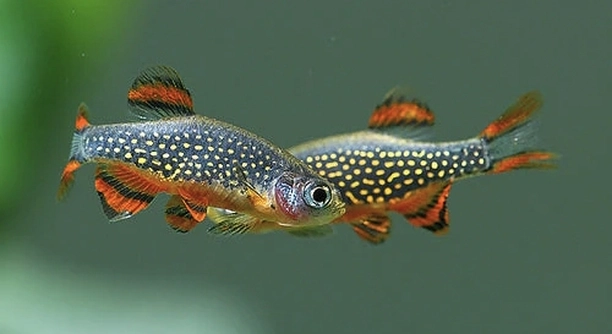
Many aquarium owners enjoy watching their Danios swim energetically across the tank, often wondering when these lively fish might begin spawning. Recognizing the signs can make breeding a more predictable and satisfying experience.
Danios display several behavioral and physical changes when ready to spawn, including increased activity, chasing behaviors, subtle color intensification, swelling of the female’s abdomen, and the preparation of spawning sites. Monitoring these indicators helps ensure successful breeding.
Identifying these signals early can help you provide the right conditions and care for your fish to thrive and reproduce successfully.
Increased Activity
When Danios are ready to spawn, you may notice them swimming more actively than usual. They dart across the tank, often chasing each other in short bursts. This increased activity is especially noticeable in the morning when the light first hits the aquarium. Male Danios may display more persistent chasing behaviors around females, nudging them gently or following them closely. Females often respond by swimming faster or hiding momentarily. This heightened energy is linked to hormonal changes preparing the fish for spawning. Observing the tank carefully over a few days will help you confirm that this is not just normal playful behavior. Water temperature, diet, and tank conditions can also influence activity levels. Ensuring the environment is stable supports their readiness to reproduce. Over time, you may notice consistent patterns in their movements, making it easier to predict when spawning will occur. Watching these changes gives valuable insight into their natural behavior and reproductive cycles.
Increased activity is a reliable sign that Danios are preparing to spawn, reflecting hormonal changes and readiness for reproduction. Monitoring this behavior helps anticipate breeding.
Watching these lively movements, you can start adjusting the tank environment to support spawning. Slightly raising the temperature or offering more frequent feedings can encourage them. Providing plants or spawning mops gives the female places to lay eggs safely. Paying attention to their swimming patterns helps you create a calm, productive tank atmosphere for successful reproduction.
Chasing and Courtship Behavior
Chasing between males and females becomes more noticeable as spawning approaches.
During this period, males often follow females persistently, nudging them gently to encourage movement toward plants or spawning areas. This behavior may look aggressive, but it is part of natural courtship. Females may respond by swimming quickly or hiding briefly, testing the males’ persistence. These interactions increase as the spawning time draws closer. Observing the dynamics in the tank allows you to identify which fish are ready and which may need more time. Male Danios may also display slight color intensification or flaring fins during this period, making them more visually striking. Creating a stress-free environment by limiting sudden movements or loud noises near the tank ensures that courtship proceeds smoothly. Providing dense vegetation or artificial spawning mops gives females safe areas to release eggs and reduces the risk of aggression during chasing. Keeping track of these behaviors over several days provides a clear picture of readiness and timing for breeding. Monitoring these patterns closely allows for better preparation and care for both male and female Danios, ultimately leading to healthier offspring and a more successful spawning outcome.
Color Intensification
Danios often show brighter colors when ready to spawn. Males display more vivid stripes, while females may appear slightly more flushed along the belly. These changes help signal reproductive readiness to potential mates.
Brighter coloration in Danios is directly linked to hormonal changes during the spawning period. Males develop more intense stripes along their sides, and fins may take on a slightly deeper hue. Females may show a subtle pink or reddish tint on their abdomen as eggs develop. These color shifts are temporary and can be enhanced by a nutritious diet and stable water conditions. Observing these changes can help identify which fish are ready for breeding and time the spawning process more effectively. Ensuring proper lighting in the tank also makes it easier to spot these subtle variations.
Color intensification works in tandem with other behaviors, such as chasing and increased activity, to indicate spawning readiness. Paying attention to these visual cues allows for better management of the tank environment, reducing stress on both males and females. Preparing spawning areas once coloration is observed can improve the chances of successful egg-laying and fertilization. Over time, recognizing these signals becomes intuitive and aids in maintaining healthy, reproducing Danios.
Female Abdomen Swelling
A noticeable swelling in the female’s abdomen indicates egg development. This is one of the most reliable physical signs that spawning is imminent.
The female Danio’s abdomen gradually enlarges as eggs mature inside her body. This swelling can be more prominent in well-fed fish, as adequate nutrition supports egg growth. It’s important to monitor her closely, as overfeeding or poor water quality can lead to stress or health problems, potentially affecting the spawning process. Ensuring clean water, a balanced diet, and a calm environment promotes healthy egg development. Observing the female daily allows you to anticipate the timing of egg-laying accurately.
Swelling is most visible when the female is viewed from above or from the side, especially before morning light. As the eggs reach maturity, she may appear slightly sluggish or spend more time near spawning sites, signaling that the tank conditions should be optimal. Providing plants or spawning mops gives her safe spaces to release eggs. Pairing these observations with male behavior, such as chasing and color intensification, allows for a clear assessment of spawning readiness. Proper preparation at this stage can significantly improve breeding success and reduce stress for both males and females.
Preparing Spawning Sites
Danios often start exploring plants and corners of the tank more carefully as they get ready to spawn. They may hover near leaves or crevices where eggs can be safely deposited.
Providing dense vegetation or spawning mops encourages this natural behavior. Safe spots reduce stress and make egg-laying more successful.
Male Fin Flaring
Males frequently flare their fins when near a female. This display signals strength and readiness to mate, helping females identify suitable partners.
Restless Behavior
As spawning approaches, both males and females may seem more restless. They swim in short bursts and constantly change positions, indicating heightened energy levels and reproductive readiness.
Egg-Laying Spots
Danios look for flat leaves, fine plants, or artificial spawning mops. These areas provide a safe environment for eggs and increase the likelihood of successful fertilization.
How can I tell when my Danios are ready to spawn?
You can identify readiness through several behaviors and physical changes. Males become more active, chasing females around the tank and flaring their fins. Their colors intensify, especially the stripes along their sides. Females develop a slightly swollen abdomen as eggs mature inside. Observing these changes together gives a clear indication that spawning is imminent. Watching them at different times of the day, especially in the morning, can help confirm these signs.
What tank conditions are ideal for spawning Danios?
A stable, clean environment is crucial. Water temperature should be slightly warmer than usual, around 24–26°C (75–79°F), with gentle filtration and no strong currents. Provide plenty of plants or spawning mops to give females safe places for egg-laying. Consistent lighting and a calm atmosphere reduce stress, which can delay or prevent spawning. Feeding them high-quality live or frozen foods a few times daily improves health and encourages reproductive behavior. Maintaining pH around 6.5–7.0 and monitoring ammonia and nitrite levels is also important to ensure eggs and fry remain healthy.
How often do Danios spawn?
Danios can spawn frequently under ideal conditions, often every few days or weekly. However, frequency depends on tank conditions, nutrition, and the age of the fish. Younger fish may spawn less regularly, while mature, healthy pairs reproduce more consistently. Spawning events may also vary with seasonal cues such as light intensity and temperature. Tracking their behavior and providing optimal conditions allows you to anticipate when they are ready again. After spawning, remove eggs or provide a separate breeding tank to protect them from adults that may eat the eggs.
Do Danios eat their own eggs?
Yes, many adult Danios may eat their eggs if left in the main tank. This is why providing dense plants or spawning mops is important, as it offers hiding spots. Some breeders prefer transferring eggs to a separate breeding tank to improve survival rates. If left in the main tank, constant observation is necessary. Eggs can be sticky, adhering to leaves or mops, which may protect some from being eaten. Ensuring proper care for both adults and eggs reduces losses and increases the chance of healthy fry.
How long does it take for Danio eggs to hatch?
Danio eggs usually hatch within 24–48 hours under optimal conditions. Temperature plays a key role—warmer water speeds up development, while cooler water slows it. Newly hatched fry are very small and require fine foods like infusoria or specialized fry food. Maintaining stable water conditions and minimizing disturbances during this period is crucial for survival. Observing the eggs daily helps identify healthy ones versus those that may not develop properly.
What should I feed Danio fry?
Fry need tiny, protein-rich foods. Infusoria, baby brine shrimp, and specially formulated liquid fry food are ideal for the first week or two. Gradually introduce finely crushed flakes as they grow. Frequent, small feedings support rapid growth and prevent starvation. Clean water regularly, as leftover food can pollute the tank and harm fragile fry. Keeping water parameters stable and providing adequate hiding spots ensures fry develop safely and reduces stress, increasing survival rates.
Can I breed Danios in a community tank?
Breeding in a community tank is possible but not recommended. Other fish may eat eggs or fry, and competition for space and food can stress the spawning pair. A dedicated breeding tank allows control over temperature, hiding spots, and feeding schedules. Once fry reach a certain size, they can be safely introduced back into the main tank. Monitoring the pair and adjusting conditions improves success rates and ensures healthier offspring.
How do I care for Danios after spawning?
After spawning, adults may need more frequent feeding to recover energy. Remove uneaten food and monitor water quality closely, as leftover eggs and food can increase ammonia. Fry need clean water and small, frequent feedings. Maintain stable temperatures and gentle filtration to encourage healthy growth. Observing interactions between adults and fry ensures safety and reduces the risk of egg or fry loss. Gradually increasing water changes as fry grow helps maintain water quality and supports their development into strong juvenile fish.
How long until Danio fry reach maturity?
Fry typically reach maturity in 3–4 months under ideal conditions. Growth rates depend on diet, water quality, and tank space. Consistent feeding and clean water help fry develop faster. Once mature, males will start chasing females, flaring fins, and displaying brighter colors, while females develop rounded abdomens. Keeping track of these milestones allows you to plan future breeding cycles successfully.
Can all Danio species spawn in the same tank?
While some Danio species can coexist, crossbreeding is rare. Different species may have slightly different spawning behaviors, temperature preferences, or mating rituals. Keeping species separate ensures predictable outcomes and maintains genetic purity. Mixing species without careful observation can lead to stress, competition, or hybrid offspring, which may not thrive as well as purebred Danios. Proper planning and monitoring improve breeding success and maintain healthy populations.
Breeding Danios can be both exciting and rewarding, especially when you understand the signs that indicate they are ready to spawn. Watching the males chase the females, noticing the brightened colors, and seeing the subtle swelling of the female’s abdomen are all clear indicators that reproduction is imminent. These changes are natural and part of their life cycle, and recognizing them allows you to create the right conditions to support their spawning. Adjusting the tank environment slightly, such as raising the temperature or providing extra hiding spots with plants or spawning mops, can make a significant difference in encouraging healthy breeding behavior. Observing your fish closely also helps reduce stress, ensuring that both the adults and the resulting fry remain healthy and active.
It is important to pay attention not only to behaviors but also to physical changes. The increased activity of the males, the chasing and courtship displays, and the flaring of fins are all signs that the fish are preparing for reproduction. Similarly, females with a swollen abdomen are close to releasing eggs. Keeping track of these signs over several days allows you to plan effectively, such as preparing separate tanks for eggs or fry if necessary. Providing high-quality food and maintaining clean, stable water conditions supports the health of the spawning pair and ensures that eggs have a better chance of surviving. Proper preparation can make the breeding process smoother, reduce losses, and give you more control over the environment in which the fry develop.
Finally, patience and careful observation are key to successful Danio breeding. Every fish behaves slightly differently, and factors such as tank size, water quality, and diet can influence the timing and success of spawning. Watching the interactions between males and females, and making adjustments to support natural behavior, helps create a calm and productive environment for reproduction. Providing appropriate egg-laying areas, monitoring fry growth, and maintaining consistent care after spawning are all part of ensuring the long-term health of your fish. Understanding these aspects gives a greater appreciation for the behavior and life cycle of Danios while improving the chances of successful spawning and raising healthy fry. With attention and care, breeding Danios can become a satisfying and manageable part of aquarium keeping, allowing you to enjoy both the process and the results.

Hello,
If you enjoy the content that we create, please consider saying a "Thank You!" by leaving a tip.
Every little bit helps us continue crafting quality advice that supports the health, happiness, and well-being of pets around the world, for pets of all shapes, sizes, and species.
We really appreciate the kindness and support that you show us!