
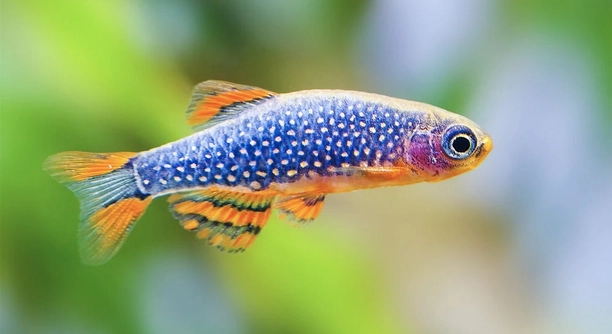
Have you ever noticed how young danios seem to move through the water with a different kind of energy compared to adults, creating shifts in your aquarium that make you think sets their behaviors apart.
Juvenile danios display heightened activity levels, schooling tendencies, and rapid exploratory movements, while adults show steadier patterns, clearer territorial boundaries, and more deliberate interactions. These differences arise from developmental changes in physiology and environmental responses that shape distinct behavioral expressions.
Exploring these contrasts offers a view into how growth transforms their habits, giving you a clearer understanding of their behavior.
Increased Activity Levels
Juvenile danios show a level of movement that often feels lively and quick, creating a noticeable contrast with the steadier patterns seen in adults. Their frequent bursts of energy help them adapt to new surroundings and establish early social behavior, which becomes more refined as they grow. During these early stages, they react strongly to changes in light, sounds, and feeding routines, responding with speed that sometimes makes them appear restless. Adults, on the other hand, conserve energy and move with more intention, allowing them to maintain balanced interactions within their group. Their calmer nature supports stable schooling and reduces unnecessary stress in the tank. These differences become easier to spot when observing how both age groups explore their space, react to tank mates, and respond to environmental adjustments. Understanding these shifts makes caring for them feel more intuitive and helps you support their needs with confidence each passing day.
Their shift from quick youthful reactions to calm adult patterns becomes clear as they settle into routines. Younger danios respond fast to movement and sound while adults approach changes with steady control, creating a balanced tank dynamic that reflects their developmental stage in a way that supports harmony over time.
Watching these differences unfold adds a gentle rhythm to caring for danios, especially when you begin to notice how each age group shapes the atmosphere of the tank. Juveniles often form loose groups that shift direction without warning, while adults maintain organized formations that move with calm precision. Their feeding responses also highlight these contrasts, since younger fish rush toward food with eagerness, and adults approach feeding with measured pacing. These behaviors influence how they interact with plants, decorations, and one another, making it easier to adjust your setup based on their needs and provide them with a comfortable environment.
Social Structure Differences
Juvenile danios rely on tight schooling as a form of comfort and protection, often shifting direction quickly as a group. Adults maintain structure but show more independence, spreading out slightly while still keeping a coordinated pattern that reflects their maturity and growing confidence within their shared space as they adjust.
Group behavior changes noticeably as danios grow, shaping how they communicate and navigate their environment. Juveniles rely heavily on collective movement that feels spontaneous and fast, allowing them to follow cues from one another without hesitation. This creates a lively pattern that shifts often, giving their group an appearance of constant motion. Adults move differently, forming stable lines that hold their shape even as they turn or slow down. Their interactions show a level of restraint that comes with maturity, helping maintain calm behavior across the tank. Feeding time also highlights these distinctions, since younger fish gather in eager clusters, while adults approach food with controlled pacing that avoids conflict. When navigating decorations or plants, juveniles dart quickly through openings, often chasing one another with playful speed, while adults take measured paths that reduce stress for the group. These differences make it easier to understand how age affects their communication, helping you adjust lighting, flow, and decor based on what supports their comfort. Observing these patterns over time offers a fuller picture of their development, allowing you to maintain a tank that respects both their active youth and their steady adulthood with careful attention to their shifting needs as they.
Feeding Behavior Variations
Juvenile danios approach feeding with fast movements that show eagerness and quick reactions to any small change. Adults display more controlled motions, spreading out around the food source while maintaining steady behavior that reduces unnecessary stress for the group and keeps the feeding process calm.
Juvenile danios gather tightly during feeding, often racing toward food with little hesitation, which can lead to small bursts of competition. Their rapid movements help them secure nutrients needed for growth, but this can sometimes create mild chaos around the tank. Adults behave differently, approaching food with measured pacing that prevents disruptive movement. They allow space between one another and keep a consistent pattern that supports harmony. These differences become clear when observing how younger fish swarm flakes or pellets, while older fish break into loose formations that remain steady as they eat.
The contrast in feeding behavior shapes how each age group interacts within the tank. Juveniles adjust quickly to new foods, responding with bursts of excitement that fill the space with motion. Adults maintain a balanced approach that helps stabilize the environment, especially during high activity times like feeding. Their calmer nature allows them to wait their turn without creating tension, which benefits the entire group. These feeding habits can also guide your choices on portion size and placement, helping you create a feeding routine that works well for both energetic young danios and steady, mature ones as they continue to adapt.
Response to Environmental Changes
Juvenile danios react quickly to shifts in lighting, movement, or water flow, often darting across the tank in response. Adults approach these changes with controlled behavior, maintaining steadier movements that support a calm environment and reduce stress across the group during adjustments.
Young danios display a heightened sensitivity to environmental changes, adapting to new conditions with immediate bursts of movement that reflect their developing instincts. Their fast responses help them explore and understand their surroundings, but they can also create brief periods of disorganized activity. Adults manage these shifts differently, responding with deliberate patterns that help keep the group stable. Their controlled behavior provides balance when the tank undergoes maintenance, water changes, or routine adjustments. Observing these differences allows you to tailor your care by limiting sudden disturbances for juveniles and maintaining consistent conditions for adults, ensuring both age groups remain comfortable as they adjust to their shared environment with steady progress.
Territorial Development
Juvenile danios show minimal territorial behavior, focusing more on quick movements and group security. Adults begin forming subtle boundaries within the tank, using steady patterns to maintain comfortable spacing that supports calmer interactions while still coexisting peacefully with their group.
As danios mature, their sense of territory becomes more noticeable. Juveniles rarely assert control over specific spots, choosing exploration over dominance. Adults adopt a more defined structure, selecting preferred areas near plants or open swimming zones. These settled patterns reflect their growing confidence and need for stable personal space.
Interaction With Tank Mates
Juvenile danios interact with tank mates through playful motions that shift often, creating a lively atmosphere. Adults maintain steadier interactions, using controlled movement that encourages harmony within the group and reduces unnecessary stress for other fish sharing the same environment.
Energy Expenditure Differences
Juveniles burn energy quickly through bursts of activity that help them develop strength and coordination. Adults use their energy more efficiently, relying on smoother motions that conserve stamina and maintain a balanced rhythm throughout the day, creating a calmer tank atmosphere that benefits every fish.
FAQ
Why do juvenile danios swim so quickly compared to adults?
Juvenile danios swim with rapid movements because their bodies are still developing and they rely on quick reactions to stay safe within their group. Their high energy levels support muscle growth and help them learn how to navigate their environment with confidence. Adults move more smoothly, using controlled motions that conserve energy and maintain a calmer tank atmosphere. Their slower pace reflects maturity rather than weakness, and it supports stable interactions among tank mates.
Do adult danios become territorial as they age?
Adult danios do not become aggressively territorial, but they do form gentle boundaries within the tank. These boundaries help them create comfortable spacing and reduce unnecessary conflict. Juveniles rarely show this behavior because they rely more on group movement for security. As danios mature, their interactions become more intentional, leading them to choose preferred swimming zones. This shift is natural and helps maintain harmony in a shared environment.
Why do young danios react strongly to changes in lighting or movement?
Juvenile danios respond instantly to environmental changes because their instincts push them to act quickly. Sudden shifts in brightness or vibrations trigger fast movements that help them avoid potential threats. Adults manage these changes more steadily, using controlled behavior that prevents stress across the group. Their calmer responses come from experience, allowing them to assess situations before reacting. These differences highlight how maturity influences behavior over time.
Is it normal for juvenile danios to show constant schooling behavior?
Yes, juveniles depend heavily on schooling as a form of comfort and protection. Their tight formations help them stay coordinated and safe while exploring their environment. As they grow, schooling becomes more organized and less frantic. Adults maintain the formation but with more relaxed spacing, showing confidence in their surroundings. This shift is part of their natural development and signals healthy growth.
Do adults eat differently from juveniles?
Adults and juveniles approach feeding with noticeable differences. Juveniles rush toward food with excitement, often creating bursts of motion around the tank. This behavior supports their rapid growth but can lead to mild competition. Adults eat with steady pacing, giving each fish time to reach the food without causing disruption. Their measured behavior promotes balance during feeding and helps maintain a peaceful atmosphere.
How can I support both juvenile and adult danios in the same tank?
Supporting both age groups begins with creating a stable routine. Regular feeding times, consistent lighting, and predictable maintenance help reduce stress for juveniles and adults alike. Provide open swimming areas for quick movements and include gentle hiding spots for moments of rest. Offering a varied diet ensures that fast-growing juveniles get enough nutrients while still meeting the needs of mature fish. Calm tank mates, clean water, and steady flow patterns also help both age groups feel secure.
Why do juveniles expend more energy throughout the day?
Juveniles burn energy quickly because they are constantly developing strength, coordination, and awareness. Their energetic behavior helps them adapt to new situations. Adults conserve energy by using smoother, more efficient motions. This difference keeps the tank balanced, with youthful activity blending naturally with mature stability.
What signs show that a danio is transitioning from juvenile to adult behavior?
Changes in movement, feeding pace, and interaction patterns signal growing maturity. As danios transition into adulthood, their schooling becomes more organized, their reactions slow slightly, and their preferred swimming zones become clearer. These shifts happen gradually and indicate healthy development.
Final Thoughts
Understanding the differences between juvenile and adult danio behavior brings a sense of clarity to caring for them, especially when you begin noticing the small patterns that shape the way they move and interact. Juveniles are filled with quick bursts of energy that reflect their early developmental needs, and their constant movement helps them grow strong while adjusting to their surroundings. Adults show a calmer rhythm that helps stabilize the tank and support peaceful interactions among all the fish. These shifts become easier to see when you pay attention to how each age group responds to feeding, environmental changes, and the presence of tank mates. Both stages carry their own charm, and recognizing these differences adds a sense of connection to the care you offer them each day. As you watch them glide, dart, and settle into their routines, you can see how growth shapes their world in subtle ways that guide their behavior.
Observing these behaviors over time helps create a deeper appreciation for how danios adapt to the environment you provide. Juveniles rely on schooling to feel protected, often forming quick, shifting patterns that give them comfort while exploring unfamiliar areas. Adults take on a more balanced approach, maintaining formation but with calmer spacing that shows their confidence. Feeding habits also reflect these transitions, with younger fish rushing toward food and older fish choosing a steady pace that keeps the group relaxed. These distinctions allow you to tailor the tank’s layout, lighting, and routine to support every fish, no matter its age. When you understand these behavioral changes, it becomes easier to choose feeding schedules, adjust water flow, and create areas in the tank that meet each group’s needs. Your choices help shape their sense of safety and allow them to grow without unnecessary stress.
Caring for danios becomes more rewarding when you see how each stage contributes to a balanced aquarium. The energy of juveniles brings liveliness, while the calm presence of adults creates stability. Together, they form a dynamic atmosphere that feels active yet peaceful, reflecting the natural patterns found in their development. Recognizing these shifts encourages thoughtful adjustments in how you care for them, helping you maintain a space where both young and mature danios can thrive. Their behaviors are not random, but rather meaningful expressions of their growth, comfort, and adaptation to the environment you create. With time, these patterns become familiar, and watching them move through each stage offers a steady reminder of how much your care influences their well being and the overall harmony of the tank.

Hello,
If you enjoy the content that we create, please consider saying a "Thank You!" by leaving a tip.
Every little bit helps us continue crafting quality advice that supports the health, happiness, and well-being of pets around the world, for pets of all shapes, sizes, and species.
We really appreciate the kindness and support that you show us!