
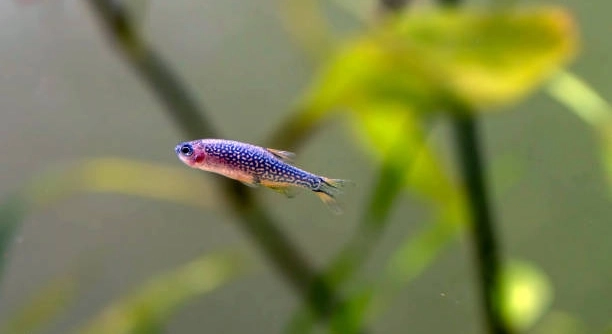
Keeping a small group of Celestial Pearl Danios can be rewarding, but managing seven active fish requires careful planning. Their social behavior and swimming patterns make it important to consider the best way to split them. Observing their interactions helps guide these decisions.
The most effective method to split a group of seven Celestial Pearl Danios involves dividing them into two smaller tanks or sections, ensuring each group has at least three fish. This maintains social stability while minimizing stress and aggressive behaviors among individuals.
Proper planning and observation make the process smoother, ensuring the fish remain healthy and active in their new arrangements. Following these steps protects their wellbeing and natural behavior.
Preparing the Tanks
Before splitting your Celestial Pearl Danios, it is essential to prepare the tanks properly. Each tank should be fully cycled to ensure stable water conditions. Clean filters, appropriate plants, and hiding spots help reduce stress. Adding gentle water flow mimics their natural environment and encourages normal swimming behavior. Ensure that water temperature, pH, and hardness match between tanks. This reduces the risk of shock when transferring fish. Take care to avoid sudden changes, as these small fish are sensitive. Gradually acclimating them by floating their transport container allows them to adjust. Provide enough space so each fish can establish its own area. Using soft substrate and avoiding overcrowding helps prevent aggression. Observing the fish for a few days before the move can reveal dominant individuals. This preparation step is key to maintaining their health. Patience and careful attention at this stage will make the transfer smoother and safer.
Proper preparation ensures a safer transfer and reduces stress, keeping the fish healthy during the split.
Observing how they interact in the new environment is important. Notice if any fish are hiding excessively or showing signs of stress. Adjust the layout if necessary, adding more plants or decorations to create territories. Feeding small amounts multiple times a day encourages activity and reduces competition. Maintaining consistent lighting and avoiding sudden movements around the tank helps the fish feel secure.
Dividing the Fish
Start by identifying the most social groupings within your seven Danios. Avoid splitting established pairs if possible, as strong bonds can ease the transition.
Gently net the fish and move them to the prepared tanks, keeping water temperature and quality consistent. Avoid chasing or stressing the fish. Place them in quiet areas and monitor their behavior closely for the first 48 hours. Offer familiar food in small portions and remove uneaten bits to prevent water quality issues. Maintaining a consistent schedule for feeding and observation reduces stress and helps them adapt faster. If aggression appears, consider adding more hiding spots or temporarily separating the most aggressive fish. Keep water conditions stable and perform small, frequent water changes to ensure a healthy environment. With careful handling, the split will result in two well-adjusted groups of Celestial Pearl Danios that continue to thrive in their respective spaces, showing normal swimming and social behaviors.
Monitoring Behavior
Watch how each group of Celestial Pearl Danios settles in after the split. Look for signs of stress, aggression, or hiding. Quick adjustments to tank layout can prevent conflicts.
Continue observing their swimming patterns and interactions over several days. Pay attention to dominant fish and how they establish territories. Ensure all fish are eating normally and appearing active. Minor squabbles may happen but persistent aggression should be addressed by rearranging decorations or providing additional hiding spots. Note any fish that remain isolated and adjust their environment to encourage social interaction. Stable water conditions and a calm atmosphere help the fish regain comfort quickly. Tracking behavior consistently ensures long-term health and prevents unnecessary stress.
Feeding plays a crucial role in settling the fish. Offer small amounts multiple times a day and remove uneaten food promptly. This reduces competition and maintains water quality. Watch which fish eat first and ensure the less confident ones get enough nutrition. Regular observation allows early detection of illness or injury, making interventions easier. Balancing social dynamics while maintaining a clean, comfortable tank ensures that both groups thrive and exhibit natural behavior, minimizing stress-related issues.
Adjusting the Environment
Adding plants and decorations can reduce aggression by creating visual barriers and territories. This encourages natural behavior.
Rearranging the tank layout periodically keeps the environment stimulating and prevents dominant fish from controlling all space. Soft substrate, floating plants, and caves help shy fish find shelter. Avoid overstocking decorations to maintain swimming space. Gentle water movement supports normal activity and reduces boredom. Light cycles should be consistent, and sudden changes avoided. Monitoring water parameters daily ensures stability, which is critical after splitting groups. Proper environmental adjustments help both groups adapt and establish routines.
Tank cleanliness and water quality remain a top priority. Regular partial water changes and testing parameters like ammonia, nitrite, and nitrate prevent stress-related illnesses. Avoid introducing new fish too soon, as this can disrupt the balance. Keeping a log of water changes, feeding schedules, and observations allows you to spot patterns that may indicate potential problems. Observing behavior alongside environmental adjustments helps maintain harmony. By fine-tuning the tank setup, the Celestial Pearl Danios stay healthy, active, and social, promoting long-term wellbeing and minimizing the risk of stress or aggression.
Feeding and Nutrition
Provide small, frequent meals to reduce competition among the Danios. Use high-quality flakes or micro pellets suitable for their size.
Observe how each fish eats to ensure everyone is getting enough. Supplement with occasional live or frozen foods like daphnia or brine shrimp for variety and nutrition.
Maintaining Water Quality
Check water parameters daily, focusing on ammonia, nitrite, nitrate, and pH levels. Stability is key to minimizing stress after the split. Use a reliable test kit and record results to track trends over time. Perform regular partial water changes to maintain cleanliness and support healthy fish activity.
Observing Health
Watch for signs of illness, such as clamped fins, discoloration, or lethargy. Early detection allows for quick intervention.
FAQ
How many Celestial Pearl Danios should I keep together?
Keeping at least five to seven Danios together is ideal to maintain natural schooling behavior. Groups smaller than this may cause stress or shyness in some fish. Larger groups are fine if the tank is spacious enough, as overcrowding can lead to aggression or poor water quality.
Can I split a group unevenly?
Yes, but avoid leaving just one fish alone. A single Danio may become stressed and display unusual behavior. Try to create at least two groups with three or more fish each. Uneven splits can work if space and hiding spots are sufficient. Observing how the fish interact after the split helps decide adjustments.
How do I safely transfer the fish?
Use a soft net or a container to move them slowly. Avoid sudden movements and maintain consistent water temperature between tanks. Floating the transport container allows gradual acclimation. Never pour fish directly into the new tank, as sudden changes in temperature or chemistry can shock them.
What should I feed my Danios after splitting them?
Provide small, frequent feedings with high-quality flakes or micro pellets. Supplement occasionally with live or frozen foods like daphnia or brine shrimp. Remove uneaten food promptly to maintain water quality. Feeding multiple times a day reduces competition and helps shy fish get enough nutrition.
How long does it take for the fish to adjust?
Adjustment varies but usually takes a few days to a week. Monitor behavior closely during this period. Initial hiding or minor chasing is normal, but persistent aggression or refusal to eat indicates a problem. Gradual acclimation and a stable environment speed up adaptation.
How do I reduce aggression in smaller tanks?
Adding plants, caves, or decorations creates territories and reduces line-of-sight conflicts. Rearranging the layout periodically prevents one fish from dominating. Avoid overcrowding, and ensure hiding spots are available for shy individuals. Consistent lighting and gentle water flow also help reduce stress and aggression.
Can I mix Danios with other fish after splitting them?
Yes, if other species are peaceful and of similar size. Avoid aggressive or large fish that may bully or eat them. Introduce new fish slowly, and maintain stable water parameters to prevent stress. Observation during initial interactions is critical to prevent conflicts.
How often should I check water quality?
Daily monitoring is recommended in the first week after splitting. Test for ammonia, nitrite, nitrate, and pH. Perform small, frequent water changes to maintain stability. Consistent monitoring ensures early detection of potential problems before they affect fish health.
What signs indicate stress or illness after splitting?
Look for clamped fins, unusual swimming, hiding, loss of appetite, or changes in color. Persistent aggression, lethargy, or erratic movement also signals stress. Prompt action, such as adjusting tank layout, improving water quality, or consulting a fish care guide, helps prevent long-term health issues.
Is it normal for fish to hide after moving?
Yes, hiding is common as they adjust to new surroundings. Provide plants, caves, or decorations to allow safe spaces. Most Danios will gradually explore once they feel secure. Consistent feeding and minimal disturbances encourage confidence and normal behavior.
How can I encourage shy Danios to be more active?
Feed near their hiding spots and avoid sudden movements. Gentle water flow and consistent lighting create a sense of safety. Over time, shy fish will become more active and interact with the group, especially when they see others swimming confidently.
Should I remove aggressive fish?
Only if aggression is persistent and harmful. Sometimes rearranging decorations or adding hiding spots solves the problem. Removing a fish should be a last resort, as it may cause stress to the remaining group. Observation helps determine the best approach.
Can I combine the groups again later?
Yes, but only after careful observation. Ensure both groups are healthy, and their water parameters match closely. Introduce them gradually in a neutral tank with plenty of hiding spots to minimize conflict. Patience and monitoring are essential for a smooth reintegration.
How do I maintain long-term health after splitting?
Consistent feeding, water monitoring, and tank cleaning are key. Regular observation of behavior ensures early detection of issues. Maintain stable temperature, pH, and gentle water flow. Adequate hiding spots and social groupings support natural behavior and minimize stress, keeping your Danios healthy over time.
Final Thoughts
Splitting a group of seven Celestial Pearl Danios requires careful planning and attention to detail. These small fish are social and sensitive, so their environment needs to remain stable and comfortable. Preparing tanks with similar water conditions, proper filtration, and plenty of hiding spots reduces stress and prevents aggressive behavior. It is important to observe how each fish interacts with the others before and after the split. Fish that are shy or timid may need extra space or more plants to feel secure. Even minor changes in temperature, water chemistry, or layout can have a noticeable effect on their behavior. Taking the time to make the transition gradual ensures that the fish maintain normal activity levels and continue to thrive. A thoughtful approach to tank setup can also prevent future health issues, allowing the fish to establish territories without unnecessary stress.
Feeding plays an important role during and after splitting the groups. Small, frequent feedings reduce competition and make sure every fish gets enough nutrition. Offering a variety of foods, including high-quality flakes, micro pellets, and occasional live or frozen options, supports their growth and vitality. Removing uneaten food promptly keeps the water clean, which is essential for these small, sensitive fish. Observation during feeding times allows you to notice any fish that are struggling to eat or behaving unusually. Healthy feeding habits, combined with stable water conditions, make it easier for the fish to adapt to their new environment. This careful monitoring is particularly important in the first week after splitting, as it is the period when stress is most likely to appear.
Long-term care after splitting the groups is just as important as the initial transfer. Maintaining stable water parameters, providing hiding spots, and ensuring enough swimming space supports their natural behavior. Regular observation helps catch any signs of stress or illness early. Minor adjustments to tank layout or adding decorations can prevent aggressive interactions from escalating. Over time, both groups will settle into their own routines, displaying normal schooling and social behaviors. By paying attention to their environment, feeding, and interactions, you can ensure that your Celestial Pearl Danios remain healthy and active. Thoughtful care and consistent monitoring create an environment where these delicate fish can flourish, demonstrating the vibrant colors and lively behavior that make them such a rewarding species to keep.

Hello,
If you enjoy the content that we create, please consider saying a "Thank You!" by leaving a tip.
Every little bit helps us continue crafting quality advice that supports the health, happiness, and well-being of pets around the world, for pets of all shapes, sizes, and species.
We really appreciate the kindness and support that you show us!