
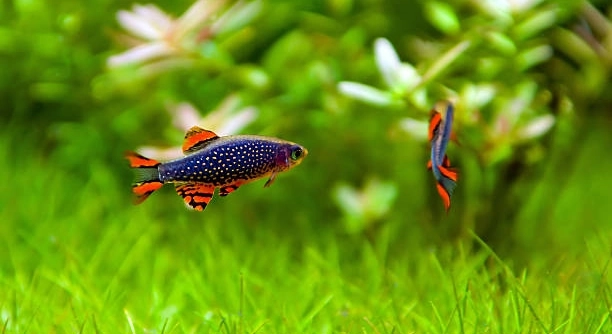
Danios are small, active fish that bring life to any aquarium. Watching them grow can be rewarding, but maintaining steady growth requires consistent care and attention to their environment and diet. Understanding their needs makes a big difference.
Maintaining steady growth rates in danios depends on a combination of proper nutrition, stable water conditions, regular monitoring, and minimizing stress. Providing a balanced diet, suitable tank size, and consistent maintenance helps support healthy development over time.
Knowing how to manage these factors can make caring for danios easier and more effective. The tips ahead will guide you toward consistent growth results.
Provide a Balanced Diet
Feeding your danios a balanced diet is crucial for steady growth. They thrive on high-quality flake food or pellets that are rich in protein. Including occasional live or frozen foods, such as brine shrimp or daphnia, adds variety and essential nutrients. Avoid overfeeding, as excess food can pollute the tank and affect water quality. Small, frequent meals work best because danios have fast metabolisms and can digest food quickly. Keep an eye on how much they eat and remove uneaten portions to maintain cleanliness. Rotating different types of food helps ensure that they receive all necessary vitamins and minerals. Over time, you’ll notice that well-fed danios are more active, display vibrant colors, and grow at a steady rate. Proper nutrition is the foundation of their health and overall well-being, so taking care to offer a varied and measured diet will pay off in the long term.
Balanced feeding routines help maintain stable growth while preventing water problems.
Consistency in food type and amount ensures each danio receives adequate nutrition, promoting healthy, uniform growth without stress or deficiency.
Maintain Stable Water Conditions
Keeping water conditions steady is essential for danios’ health and growth. Regularly test pH, ammonia, nitrite, and nitrate levels to make sure they remain within safe ranges. Sudden changes in temperature or water chemistry can stress fish and slow growth. Perform routine partial water changes to remove waste and maintain clarity. Use a reliable heater and thermometer to keep the temperature consistent, ideally between 72 and 78°F, depending on your species of danio. Proper filtration helps remove debris and provides gentle water movement. Avoid overcrowding the tank, as high density can cause competition for food and reduce growth rates. Observing the fish daily allows you to spot early signs of stress or illness, ensuring quick intervention. A stable, clean environment keeps danios healthy, active, and growing at a predictable pace, reducing problems that could hinder their development.
Clean, stable water keeps your fish active, healthy, and growing consistently.
Regular maintenance, combined with careful monitoring of water parameters, ensures a safe habitat. Using appropriate filters, heaters, and performing scheduled water changes reduces stress and supports long-term growth. Overcrowding or neglecting water quality can quickly lead to stunted growth and illness, making vigilance essential.
Avoid Overcrowding
Overcrowding slows danio growth and increases stress. Keep the number of fish appropriate for your tank size. Each fish needs space to swim and access food without competition. Proper stocking prevents aggressive behavior and supports consistent development.
Providing enough space allows danios to move freely and reduces stress-related stunting. Overcrowding can also cause poor water quality, leading to health problems. A general guideline is one inch of fish per gallon of water, but consider activity level and tank setup. Observing fish behavior helps determine if the environment feels cramped. Adjusting numbers or tank size ensures all danios have room to thrive and grow at a steady pace without unnecessary stress or competition.
When tanks are overcrowded, danios may fight for food, hide more, and expend energy avoiding each other. This stress directly affects their metabolism and slows growth rates. Consistent monitoring and adjusting numbers as they mature ensures healthier, more uniform development across the entire group. Space management is as important as diet or water quality for maintaining stable growth.
Maintain a Consistent Light Schedule
Danios benefit from a predictable day-night cycle. Keep lights on for 10–12 hours a day and dark the rest. Consistent lighting supports natural behavior and metabolism.
A steady light schedule helps regulate feeding, activity, and rest periods. Sudden changes can stress fish and disrupt growth patterns. Timers are useful for keeping a consistent cycle without daily adjustments. Proper lighting also affects plant growth if your tank has live plants, which in turn provides hiding spots and a balanced environment. Regular exposure to light and darkness mimics their natural environment, encouraging normal behavior and healthy development.
Uneven or irregular lighting can confuse danios, causing erratic swimming patterns or reduced appetite. Over time, this impacts growth, as their metabolism depends on predictable activity and rest. Using a timer ensures stability, even when you are away, and helps maintain consistent conditions. A consistent light schedule, combined with proper nutrition and water management, strengthens growth stability and overall well-being in your aquarium. Monitoring fish activity under this schedule can help you notice changes in behavior or health early.
Regular Tank Cleaning
Keeping the tank clean prevents harmful buildup that can affect danio growth. Remove uneaten food and waste regularly. A clean environment helps maintain water quality and reduces stress.
Partial water changes every week keep ammonia and nitrate levels low. Consistent cleaning ensures healthier fish and steady growth.
Monitor Health Closely
Observe your danios daily for signs of illness or abnormal behavior. Early detection allows prompt treatment, preventing serious problems. Maintaining a routine of health checks keeps fish strong, active, and growing at a consistent rate.
Avoid Sudden Temperature Changes
Rapid temperature shifts can stress danios and slow growth. Maintain stable water temperature using a reliable heater and thermometer.
Provide Hiding Spaces
Adding plants or decorations gives danios places to hide. Reduced stress from secure spaces supports steady growth and healthier behavior.
FAQ
How often should I feed my danios?
Feeding small amounts two to three times a day works best. Danios have fast metabolisms, so frequent meals help them digest properly. Avoid overfeeding, which can pollute the tank and slow growth. Uneaten food should be removed promptly to maintain water quality.
What is the ideal tank size for danios?
A minimum of 10 gallons is recommended for a small group, but larger tanks are better for growth and activity. Each fish should have enough space to swim freely and access food without competition. Proper stocking density prevents stress and encourages consistent growth.
How can I tell if my danios are stressed?
Signs include erratic swimming, hiding, loss of appetite, or faded colors. Stress can result from poor water quality, overcrowding, or sudden changes in temperature. Addressing these factors promptly helps restore normal behavior and promotes steady growth.
What water parameters are best for steady growth?
Keep pH between 6.5 and 7.5, ammonia and nitrites at 0 ppm, and nitrates under 40 ppm. Temperature should stay consistent, ideally between 72 and 78°F. Regular testing ensures stable conditions that support healthy metabolism and growth.
How do I prevent stunted growth?
Provide a balanced diet, stable water conditions, proper lighting, and enough space. Monitor for illness and avoid sudden changes in temperature or water chemistry. Consistency in all aspects of care is the most reliable way to prevent stunting.
Can danios grow in a community tank?
Yes, but choose peaceful tank mates to reduce stress. Aggressive or much larger species can compete for food or harass danios, slowing their growth. Observe interactions and ensure the environment remains balanced for all species.
Should I use live plants or decorations?
Both are helpful. Live plants improve water quality and offer hiding spaces, reducing stress. Decorations also provide shelter and territory markers. A combination creates a comfortable environment, encouraging steady growth and normal behavior.
How important is regular water testing?
Very important. Testing for ammonia, nitrites, nitrates, and pH allows early intervention if levels are off. Consistent monitoring prevents long-term health issues and supports uniform growth across all danios.
How do I handle temperature fluctuations?
Use a reliable heater and thermometer. Avoid placing the tank near drafty windows or vents. Slow, gradual adjustments are better than sudden changes, as rapid fluctuations can stress fish and reduce growth rates.
What is the best way to introduce new danios?
Quarantine new fish for at least two weeks to monitor for illness. Gradually acclimate them to your tank’s temperature and water conditions. This reduces stress and prevents diseases from spreading, supporting consistent growth in the entire tank.
Can I feed my danios frozen or live foods?
Yes, both are excellent supplements to flake or pellet diets. Brine shrimp, daphnia, or bloodworms provide extra protein and nutrients. Rotate foods to ensure a balanced diet and encourage steady, healthy growth over time.
How do I manage overpopulation?
Avoid keeping too many fish in one tank. Follow the general guideline of one inch of fish per gallon. Overcrowding increases stress, reduces oxygen, and slows growth. Removing or rehoming excess fish maintains a healthier environment.
What role does light play in growth?
Consistent lighting supports natural behavior and metabolism. Keep a regular 10–12 hour light schedule, using timers if needed. Proper light cycles help regulate feeding, activity, and rest, all of which contribute to stable growth and overall health.
How do I know if my water filter is sufficient?
A filter should handle the tank’s volume and provide gentle circulation. It must remove debris without creating strong currents that stress danios. Clean and maintain it regularly to ensure it continues supporting water quality and growth effectively.
What should I do if I notice slow growth?
Check diet, water quality, temperature, and tank conditions first. Correct any imbalances promptly. Monitor for illness or stressors, and adjust feeding, lighting, or tank mates as needed. Consistent care usually restores healthy, steady growth.
How important is daily observation?
Daily checks help you catch early signs of illness, stress, or water issues. Observing swimming patterns, appetite, and color ensures prompt action, preventing problems that could affect growth. Regular attention supports overall health and keeps growth rates steady.
Can danios tolerate small changes in water chemistry?
Small, gradual changes are usually fine, but sudden shifts can stress fish. Maintain stable pH, temperature, and hardness. Any adjustments should be made slowly to allow fish to acclimate and continue growing normally.
Is tank size more important than diet for growth?
Both are essential. Proper nutrition fuels growth, while adequate space prevents stress and ensures all fish can access food. Neglecting either factor can slow development, so balancing diet, tank size, and overall care is key for steady growth.
How often should I replace decorations or plants?
Replace or clean them as needed to prevent algae buildup and decay. Live plants may require trimming. Maintaining clean decorations supports water quality and provides reliable hiding spots, contributing to healthy, consistent growth for your danios.
Can stress affect color as well as growth?
Yes. Stressed danios often lose vibrant colors. This is a sign that their metabolism and overall health are affected. Reducing stressors like overcrowding, poor water quality, or aggressive tank mates helps restore both color and steady growth.
Final Thoughts
Keeping danios healthy and ensuring steady growth takes consistent effort, but it is manageable with careful attention. Small steps like providing a balanced diet, monitoring water quality, and keeping the tank clean go a long way. Over time, these simple practices build a strong foundation for their health and development. Danios respond well to routine care, and small changes can make a noticeable difference in their behavior, activity, and growth patterns. By prioritizing their basic needs, you create an environment where they can thrive without stress or complications.
Stable water conditions are one of the most important factors in promoting consistent growth. Sudden changes in temperature, pH, or ammonia levels can affect metabolism and slow development. Regular water testing and partial water changes help maintain a safe environment, and adding a heater or thermometer can prevent unexpected fluctuations. Providing hiding spaces with plants or decorations also reduces stress and allows danios to feel secure. Stress is a hidden factor that often impacts growth without obvious signs, so keeping their environment predictable is key. Small details like avoiding overcrowding and maintaining proper filtration contribute to a smoother, more controlled environment that supports healthy development.
Attention to diet and feeding schedules is equally important. Danios thrive on a mix of high-quality flakes or pellets and occasional live or frozen foods. Rotating their diet ensures they get all necessary nutrients while keeping them active and interested in feeding. Overfeeding can cause water problems and affect growth, so it is better to provide small, measured portions multiple times a day. Observing how your fish eat and adjusting their meals based on appetite helps maintain balance. Combined with proper tank size, light schedules, and monitoring for signs of stress or illness, these practices create a steady, healthy environment. Consistent care leads to vibrant, active danios that grow predictably, making the aquarium experience more rewarding and easier to manage.

Hello,
If you enjoy the content that we create, please consider saying a "Thank You!" by leaving a tip.
Every little bit helps us continue crafting quality advice that supports the health, happiness, and well-being of pets around the world, for pets of all shapes, sizes, and species.
We really appreciate the kindness and support that you show us!