
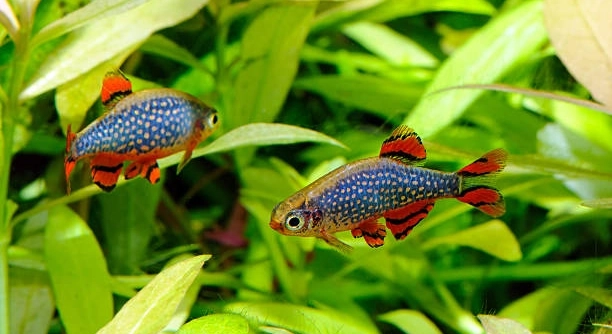
Do you ever notice your Danio swimming oddly at the surface or struggling against the water? Surface tension issues in tanks can create small but significant problems that affect their movement and overall health. Observing these changes early is important.
Surface tension problems in Danio tanks often arise from unbalanced water chemistry, inappropriate surface agitation, or the presence of oils and debris. Addressing these factors promptly ensures optimal swimming behavior, respiratory efficiency, and overall well-being for the fish.
Even minor surface issues can disrupt a tank’s balance and affect your fish’s daily life. Understanding common problems will help you maintain a healthier environment.
Poor Water Surface Circulation
In many Danio tanks, water tends to stagnate at the surface, creating areas of high surface tension that interfere with normal swimming. This often happens when filters are too weak or positioned incorrectly, failing to agitate the water adequately. When the surface remains still, it can trap debris, oils, and leftover food, forming a thin layer that increases surface tension and makes it harder for Danios to move freely. These small fish rely on consistent surface movement for oxygen exchange and efficient respiration. Without proper circulation, fish may gather near filter outlets or areas where water is more active, showing signs of stress or lethargy. Over time, stagnant surfaces can contribute to bacterial growth, further affecting water quality. Adjusting the filter flow or adding a gentle surface agitator can improve circulation. Even subtle changes, such as repositioning decorations or using floating plants strategically, can help break the surface tension and create a more natural environment for your Danios to thrive.
Poor circulation affects oxygen distribution and increases stress, making your Danios more vulnerable to illness.
Maintaining proper water movement is critical. Ensure the filter output reaches the surface without creating excessive turbulence, which can tire fish. Test different placements and monitor fish behavior. Surface agitation also reduces the accumulation of oils and proteins, which form a sticky layer that traps debris. Incorporating floating plants with enough spacing allows water to flow through naturally while offering shade and resting areas. Regular observation helps detect subtle changes in swimming patterns, signaling whether circulation adjustments are needed. In some cases, adding a small air stone can assist in surface movement and improve oxygenation without disturbing tank aesthetics. By prioritizing circulation, you not only manage surface tension but also support a balanced ecosystem, helping your Danios remain healthy and active. Simple steps like these ensure your tank remains stable and reduces stress on your fish over time.
Oils and Debris on the Surface
Oils from hands, leaves, or food residues quickly form a thin layer that increases surface tension.
Floating debris not only blocks oxygen exchange but also attracts bacteria, which can further impact water quality and fish health.
Even minor oil and debris buildup can limit your Danios’ ability to feed and swim near the surface. Daily maintenance, including careful feeding and skimming the water surface, is essential to prevent this issue. Avoid letting uneaten food sit on top for long periods, and rinse plants or decorations before adding them to the tank. Using a fine net or surface skimmer helps remove these substances efficiently without stressing the fish. Keeping a light hand when handling the tank, such as avoiding splashing oils from hands or lotions, also reduces buildup. Over time, consistent attention to surface cleanliness ensures that your Danios have open, breathable water and can swim comfortably. In addition, this simple maintenance reduces the need for drastic water changes and keeps the tank’s ecosystem stable, promoting long-term fish health and minimizing stress factors associated with surface tension problems.
Overfeeding
Overfeeding quickly leads to uneaten food settling on the surface, increasing surface tension and attracting bacteria. Danios may struggle to swim through these sticky layers, and water quality can deteriorate rapidly if this is not addressed.
Carefully measuring portions and feeding small amounts two to three times daily can prevent leftover food from accumulating. Uneaten flakes or pellets break down, releasing oils that float on the water surface and create tension that restricts surface movement. Overfeeding also contributes to excess waste, which can cloud water and make the tank more difficult to maintain. Monitoring fish appetite helps you gauge the correct portion size, ensuring they eat efficiently without leaving residue. Consistency in feeding schedules reduces the likelihood of surface buildup, keeping your Danios’ environment cleaner.
Maintaining a balanced feeding routine is key. Remove any uneaten food after five minutes and observe swimming patterns to ensure the fish are not hindered. Combining proper feeding with regular surface cleaning prevents tension-related issues. Use tools like fine nets to skim debris and avoid introducing oils from hands. Small changes, such as spacing feedings or adjusting pellet size, help control overfeeding while supporting tank stability. This approach promotes healthier swimming conditions and overall vitality for your Danios, preventing surface tension problems from escalating over time.
Low Humidity and Evaporation
Low room humidity accelerates water evaporation, leaving a thin film on the tank surface that increases tension. This affects Danio movement and surface breathing efficiency.
Evaporation reduces water volume, concentrating minerals and residues, which can worsen surface tension problems. Small adjustments, like topping off the tank with dechlorinated water and monitoring room humidity, can mitigate these effects.
A stable water level is essential. Frequent evaporation changes the surface dynamics, allowing oils and residues to accumulate more quickly, creating sticky layers that hinder swimming. Installing a lid can reduce evaporation and help maintain a consistent water surface. Additionally, keeping the tank away from direct sunlight or heating vents slows evaporation and prevents sudden temperature fluctuations. Combining these practices with regular water testing ensures chemical levels remain stable and surface tension stays manageable. This approach protects your Danios’ natural swimming behavior and supports their long-term health, while minimizing the stress caused by fluctuating surface conditions.
Soap and Cleaning Residue
Even small amounts of soap or cleaning agents left on nets, tanks, or decorations can form a film on the water surface. This layer increases surface tension and can irritate your Danios’ skin and gills.
Rinsing all equipment thoroughly before use prevents residue buildup. Avoid using soaps or detergents on anything that will contact the tank water, as even minimal traces can create surface tension problems that affect fish health and swimming behavior.
Overcrowding
Too many Danios in a single tank increases surface activity and can lead to higher debris accumulation. Crowding also causes stress, which makes fish more sensitive to surface tension changes. Proper stocking density ensures a stable environment and reduces the risk of surface problems while supporting natural behaviors.
Inadequate Filtration
A weak or clogged filter fails to remove oils, debris, and waste, letting a film form on the surface. Regular filter maintenance is essential to keep water clear and reduce surface tension issues, ensuring Danios can swim comfortably at the top of the tank.
What causes surface tension problems in Danio tanks?
Surface tension problems usually occur when oils, debris, or proteins accumulate on the water surface. Even small traces from uneaten food, plant matter, or hands can create a thin film. Poor water circulation and weak filtration allow these substances to remain at the surface, making it harder for Danios to swim naturally. Overfeeding and overcrowding can worsen the problem by increasing waste production and surface activity. Regular maintenance, proper feeding, and ensuring adequate water movement are key to reducing these issues.
How can I improve water surface circulation?
Proper circulation ensures the water surface does not become stagnant. Adjusting filter output, repositioning the filter, or adding a gentle surface agitator can help. Floating plants should be arranged to allow water flow, and small air stones can assist in moving the surface without stressing the fish. Regularly observing fish behavior helps determine if circulation is sufficient.
Is overfeeding really a problem for surface tension?
Yes. Overfeeding leaves uneaten food floating at the surface or sinking slowly. As it decomposes, it releases oils and proteins that create a sticky layer. This layer restricts swimming and can harbor bacteria. Feeding smaller portions, removing leftovers promptly, and following a consistent schedule prevents surface tension issues from forming due to excess food.
Can oils from hands or decorations affect the tank?
Absolutely. Even trace oils from hands, lotions, or cleaning agents can form a thin surface film. Decorations and plants should be rinsed thoroughly before being added to the tank. Avoid using soap or detergents on equipment that contacts tank water. These precautions prevent surface tension problems and protect Danios’ delicate skin and gills.
How does evaporation contribute to surface tension problems?
Evaporation lowers water levels, concentrating dissolved substances and allowing oils and debris to accumulate more quickly. A thin film forms at the surface, restricting swimming and oxygen exchange. Using a lid, topping off with dechlorinated water, and monitoring room humidity help maintain a stable water surface. Avoid placing the tank near heating vents or direct sunlight.
What role does filtration play in preventing surface tension issues?
Filtration removes debris, oils, and waste from the water, reducing surface buildup. A clogged or weak filter allows substances to float at the top, creating tension problems. Regular filter cleaning, checking for proper flow, and replacing media as needed are crucial for keeping the water clean and the surface free of films.
How do I know if surface tension is affecting my Danios?
Danios may struggle to swim near the surface, gather in areas with more movement, or appear stressed and lethargic. Uneaten food or visible film on the water surface can also indicate tension problems. Monitoring swimming patterns and tank conditions regularly helps identify and address these issues before they harm the fish.
Can floating plants help with surface tension problems?
Yes, but placement is important. Floating plants break the water surface slightly, providing shade and resting spots while allowing circulation. Overcrowding the surface can worsen stagnation, so space plants to let water flow through naturally. Plants also absorb nutrients, reducing waste that contributes to surface films.
Is there a quick fix for a sticky water surface?
Skimming the surface with a fine net or surface skimmer can remove oils and debris immediately. This is a temporary solution unless underlying causes like overfeeding, poor filtration, or stagnation are addressed. Combining surface cleaning with consistent maintenance ensures long-term improvement.
How often should I check for surface tension problems?
Daily observation is best. Look for uneven swimming, lingering films, or debris accumulation. Weekly maintenance routines, including partial water changes, skimming, and filter checks, help prevent tension problems from developing. Consistency is key to keeping Danios healthy and their environment stable.
This FAQ provides practical guidance to identify, prevent, and manage surface tension problems. Following these steps ensures a healthier, more natural swimming environment for your Danios while minimizing stress and long-term water quality issues.
Surface tension problems in Danio tanks may seem small at first, but they can have a noticeable impact on your fish’s behavior and overall health. When oils, debris, or leftover food accumulate at the water surface, they create a sticky layer that restricts swimming and reduces oxygen exchange. Danios are active fish that rely on smooth surface movement to feed, breathe, and navigate comfortably. If the water surface becomes uneven or overly tense, it can stress them, making them more prone to illness and altering normal swimming patterns. Maintaining a clean, well-circulated surface is essential for ensuring that your Danios remain healthy and active.
Preventing surface tension issues requires consistent attention to several factors. Feeding habits play a major role; overfeeding not only produces leftover food but also releases oils and proteins that float to the surface. Water circulation is equally important, as stagnant areas allow debris and oils to accumulate. Filters need to be strong enough and positioned properly to move the water at the surface without creating excessive turbulence. Evaporation, room humidity, and even the presence of floating plants can influence surface conditions, so small adjustments often make a significant difference. Skimming the surface to remove debris, rinsing decorations before adding them, and avoiding contact with soaps or lotions all help maintain a healthy water surface.
Addressing these factors consistently will make a noticeable difference in the quality of life for your Danios. With proper circulation, regular maintenance, and mindful feeding, surface tension problems can be minimized or avoided entirely. Observing your fish’s behavior daily provides early warning signs, allowing you to take action before issues escalate. Small changes in tank management, such as repositioning a filter, using a lid to reduce evaporation, or carefully spacing floating plants, contribute to a stable and clean water surface. Over time, these practices create an environment where Danios can swim freely, feed naturally, and thrive without stress from surface tension issues. Maintaining a healthy water surface is not just about appearances; it is essential for the long-term well-being of your fish and the overall balance of the tank.

Hello,
If you enjoy the content that we create, please consider saying a "Thank You!" by leaving a tip.
Every little bit helps us continue crafting quality advice that supports the health, happiness, and well-being of pets around the world, for pets of all shapes, sizes, and species.
We really appreciate the kindness and support that you show us!