
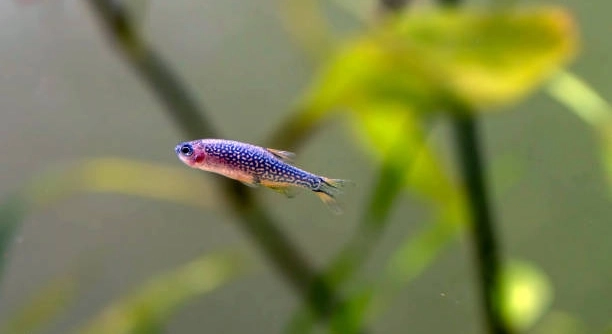
Danio fish are known for their lively, coordinated swimming in groups. Watching a shoal move together can be calming and fascinating, revealing patterns that are influenced by both their environment and their own instincts.
Shoal movement in danios is shaped by a combination of factors, including water temperature, light conditions, tank size, presence of other fish, availability of food, water current, and the social interactions within the group. Each factor plays a measurable role in determining their collective behavior.
Learning about these influences helps in creating a healthier environment for your danios, ensuring they stay active, balanced, and thrive in a home aquarium.
Water Temperature
Danios are highly sensitive to changes in water temperature. Their activity levels and swimming patterns can shift significantly depending on whether the water is slightly cooler or warmer than their preferred range. Typically, danios thrive in temperatures between 72 and 78 degrees Fahrenheit. When the water is too cold, they tend to slow down, forming tighter shoals and moving less energetically. Conversely, warmer water encourages faster swimming and more dispersed patterns within the group. Sudden fluctuations in temperature can cause stress, making them more prone to disease and erratic behavior. Maintaining a stable, suitable temperature is essential for promoting normal shoal movement. Heaters and thermometers can help monitor and adjust conditions, ensuring that the fish remain comfortable. Observing how danios react to different temperatures can reveal subtle changes in their social behavior and overall health. Consistency is key in keeping the shoal moving naturally and preventing disruptions in their daily routines.
Water temperature directly impacts danio activity. Stable temperatures within their ideal range ensure regular swimming patterns and minimize stress-induced behavior changes.
Providing a tank heater and regularly checking the thermometer will make it easier to maintain these ideal conditions. The fish respond noticeably when the temperature remains constant, showing smoother, more coordinated shoal movement, which also contributes to a calmer and healthier environment.
Light Conditions
Danios rely on light for both orientation and activity. Bright lighting encourages exploration and active swimming, while dim conditions can lead to slower movement and grouping near the bottom or corners of the tank.
Light exposure affects their circadian rhythm, which in turn shapes how often and how energetically they swim. Inconsistent lighting can confuse the fish, making shoal movement irregular or erratic. A well-lit tank during the day encourages them to spread out and interact naturally, whereas nighttime darkness allows for rest and recovery. Using a consistent light schedule with timers can help maintain a balanced routine. The intensity and placement of light sources also matter; overhead lighting typically supports more natural swimming patterns compared to side or uneven lighting. Observing the fish under different lighting can provide insights into how they adapt their swimming strategies and social behavior to environmental cues, helping ensure the shoal remains healthy and active.
Tank Size
A larger tank allows danios to swim freely, encouraging more natural shoal behavior. Crowded spaces restrict movement and can lead to stress and aggressive interactions among fish.
Danios need space to maintain their social structure and coordinated movement. In a small tank, fish may constantly bump into each other, disrupting the flow of the shoal. A tank that is too small can cause them to form tighter, less dynamic groups, limiting their ability to explore and interact. Proper spacing supports both mental stimulation and physical activity, helping the fish remain healthy and active. The recommended minimum size for a small group of danios is 20 gallons, with more space being ideal for larger shoals. Larger tanks provide zones for hiding, exploring, and resting, all of which contribute to smoother shoal movement.
Providing extra swimming space not only reduces stress but also improves oxygen circulation and water quality. Danios in larger tanks exhibit stronger, more coordinated group movements, reflecting their natural behaviors in open water environments. Proper tank size is essential to maintain both activity and harmony within the shoal.
Social Interactions
Danios are social fish, and their movement depends heavily on the dynamics within the group. Shoals move more cohesively when fish feel secure with one another.
Group hierarchy and familiarity influence swimming patterns. New or isolated fish may hesitate to join the shoal, resulting in fragmented movement. Social bonds encourage synchronized swimming and playful interactions, which are essential for their mental and physical well-being. The presence of more confident individuals can guide others, creating smoother and faster shoal motion.
Stress, aggression, or sudden changes in group composition can disrupt cohesion. Introducing new fish gradually helps maintain stability, and ensuring the group has a balanced mix of personalities prevents dominance struggles. Observing interactions provides insight into the social health of the shoal, which directly impacts movement efficiency and overall activity. Consistent group structure supports natural, rhythmic swimming patterns that benefit all members.
Water Current
Moderate water flow encourages danios to swim actively, mimicking conditions in their natural habitat. Strong currents can tire them quickly, while stagnant water reduces movement and leads to lethargy.
Adjustable filters or pumps help maintain a balanced flow. Gentle currents promote exploration and smoother shoal coordination, while avoiding stress from excessive force.
Availability of Food
Regular feeding patterns influence how danios move as a group. They tend to swim together more actively when searching for food, displaying coordinated bursts of speed and direction. Proper nutrition supports stamina and alertness, allowing them to maintain natural shoal behaviors consistently throughout the day.
Presence of Other Fish
Introducing other species affects danio shoal movement. Aggressive or territorial fish can disrupt coordination, while peaceful species allow normal swimming patterns to continue without interference.
FAQ
Why do danios swim in tight groups sometimes?
Danios naturally form tight shoals as a protective measure. When they feel threatened or stressed, they stick close together to reduce individual risk. Tight formations also help them coordinate movement more efficiently, allowing faster reactions to perceived danger in their environment. Observing them, you may notice the shoal loosening once the stressor is removed.
How can I encourage more active shoal movement?
Maintaining stable water temperature, proper lighting, and adequate space are key. Regular feeding and moderate water currents stimulate natural swimming behavior. Ensuring social stability within the group also encourages active, coordinated movement. Avoid sudden changes in tank conditions that can cause hesitation or erratic swimming.
Can tank decorations affect shoal behavior?
Yes, decorations and hiding spots influence movement. Plants and rocks offer cover, which can make fish feel secure and encourage exploration. Overcrowding the tank with objects, however, may restrict swimming space and cause the shoal to compress unnaturally. Finding a balance between open swimming areas and shelter promotes smoother coordination.
Do danios get stressed easily?
Danios are sensitive to environmental changes. Sudden temperature shifts, inconsistent lighting, overcrowding, or the presence of aggressive tankmates can all trigger stress. Stress often manifests as erratic swimming, tight grouping, or hiding. Maintaining consistent conditions helps reduce stress and supports natural shoal movement.
How often should I feed my danios?
Feeding small amounts twice a day is generally sufficient. Overfeeding can pollute the water and reduce activity levels, while underfeeding may cause competition or frustration within the shoal. Balanced, regular meals help the fish stay energetic and maintain coordinated movement patterns.
Does water quality impact shoal movement?
Absolutely. Poor water quality, including high ammonia or nitrate levels, low oxygen, or dirty substrate, can reduce activity and create erratic behavior. Frequent water changes and monitoring of parameters keep the environment safe, encouraging stable and healthy shoal movement.
Will introducing new fish disrupt the shoal?
New introductions can temporarily alter shoal behavior. Danios may become cautious, segregate, or form tighter groups until everyone adjusts. Gradual introductions and observation help the shoal integrate newcomers smoothly, minimizing stress and ensuring natural coordinated swimming resumes quickly.
Can lighting changes affect activity?
Yes, lighting affects both daily rhythm and activity. Bright light promotes exploration and energetic swimming, while dim conditions may slow movement and cause clustering near the bottom or corners. Consistent light schedules support predictable, healthy shoal patterns.
Is tank size really important for movement?
Tank size directly impacts how freely danios can swim. Smaller tanks restrict movement, causing compressed shoals and occasional aggression. Larger tanks allow natural exploration and better group coordination. Providing enough space supports mental stimulation, physical activity, and smoother shoal behavior overall.
How do social dynamics shape the shoal?
Danios rely on social interactions to maintain coordinated swimming. Dominant or confident individuals can guide the group, while shy or isolated fish may lag. Stable, familiar groups show more synchronized patterns. Monitoring social behavior and minimizing aggression ensures that the shoal moves cohesively.
What role does food location play in movement?
The placement of food influences where the shoal swims. Scattering food encourages group exploration and distributed activity, while feeding in a single spot can create temporary clustering. Strategic feeding supports balanced exercise and coordinated movement, keeping all fish engaged.
Are danios more active at certain times of day?
Yes, their activity follows a natural rhythm. Danios are generally more active during daylight hours and slow down at night. Maintaining consistent light cycles helps reinforce these patterns, ensuring predictable and healthy shoal movement throughout the day.
How can I tell if the shoal is healthy?
A healthy shoal swims in coordinated patterns, spreads out comfortably in the tank, and responds naturally to food or environmental cues. Signs of stress include tight clustering, erratic swimming, or lethargy. Regular observation helps identify issues early and maintain a thriving group.
Does water current speed matter?
Moderate currents encourage exercise and natural movement, while overly strong currents tire the fish or push them against tank walls. Gentle, consistent flow allows the shoal to swim smoothly, improving overall coordination and activity. Adjustable pumps or filters help maintain optimal conditions.
Can I mix danios with other fish safely?
Yes, but careful selection is important. Peaceful, non-territorial species are best to maintain regular shoal movement. Aggressive or large fish may stress the danios, causing tight clustering or hiding. Proper research and gradual introductions prevent disruptions and support stable, coordinated swimming.
How do I reduce aggression in the tank?
Providing enough space, hiding spots, and a balanced group composition helps reduce aggression. Overcrowding or mismatched personalities can cause disputes, breaking up the shoal. Monitoring interactions and separating overly aggressive individuals ensures the group remains cohesive.
Are there seasonal behaviors in danios?
In home aquariums, seasonal changes mostly come from light or temperature fluctuations. Maintaining consistent conditions minimizes stress and prevents changes in shoal movement that would naturally occur in the wild due to seasonal patterns.
Does water clarity affect their movement?
Clear water encourages exploration and confidence in swimming. Murky or cloudy water can cause hesitation and tighter shoals, as the fish rely on visual cues for coordination. Regular maintenance and filtration support clear water and normal shoal behavior.
Can stress from handling affect swimming?
Yes, handling or sudden disturbances can temporarily disrupt movement. Fish may hide or form tight groups until they feel secure again. Minimizing stress during maintenance or tank adjustments helps preserve stable, natural shoal patterns.
How long does it take for a shoal to settle after changes?
Adjustment time varies but usually takes a few hours to several days, depending on the change. Gradual introductions, stable conditions, and careful observation help the shoal regain normal, coordinated movement efficiently.
Danios are fascinating fish to watch because of how their shoals move in coordinated patterns. Their behavior is shaped by many different factors, from water temperature and tank size to social interactions and lighting. Each aspect of their environment has a role in how active, confident, and healthy the group appears. For example, when the water temperature is stable and within the ideal range, danios swim more naturally and show less stress. On the other hand, sudden changes in temperature or poor water quality can disrupt their movement and make them appear anxious or lethargic. Observing these changes closely helps understand what conditions work best for maintaining a healthy shoal and promoting smoother, more predictable swimming patterns.
Shoal dynamics are also influenced by the relationships within the group. Danios are social fish, and their coordinated movements rely on familiarity and balance among the individuals. Introducing new fish or having aggressive tankmates can temporarily disrupt this balance, causing erratic or tight clustering behaviors. Gradual introductions, proper spacing, and providing enough hiding spots help maintain social stability. In addition, the presence of moderate currents and consistent lighting encourages exploration and activity, allowing the fish to swim freely and confidently throughout the tank. Paying attention to both environmental and social factors ensures the shoal remains cohesive and behaves in a way that mirrors their natural instincts.
Caring for danios means combining attention to their physical environment with an understanding of their behavior. Tank size, water quality, feeding routines, and lighting schedules all contribute to how comfortably they move as a group. While some changes may seem small, they can have a noticeable effect on shoal coordination and overall health. Observing the fish and making small adjustments gradually helps the group settle into stable routines. When conditions are right, danios swim in harmony, display energetic and natural movement, and show less stress. Creating an environment that supports both individual and group needs leads to a thriving shoal, making it easier to maintain healthy, active fish that exhibit normal, well-coordinated behavior consistently.

Hello,
If you enjoy the content that we create, please consider saying a "Thank You!" by leaving a tip.
Every little bit helps us continue crafting quality advice that supports the health, happiness, and well-being of pets around the world, for pets of all shapes, sizes, and species.
We really appreciate the kindness and support that you show us!