
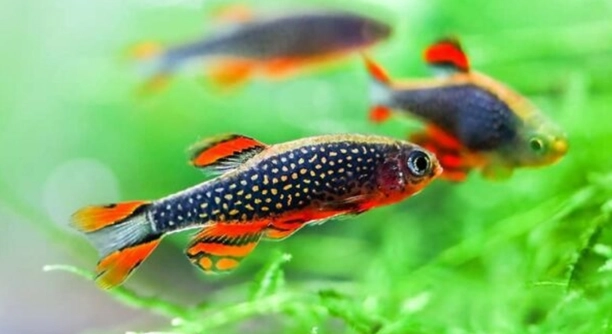
Have you ever watched your celestial pearl danios dart around and wondered whether their feeding routine truly supports their tiny active bodies? Finding the right rhythm can make their care feel calmer and more enjoyable.
Celestial pearl danios thrive on small controlled feedings offered once or twice each day. Providing consistent portions supports stable digestion and reduces waste buildup in their environment. Regular feeding at set times helps maintain their energy levels and overall well-being.
As you learn what keeps these tiny fish satisfied, you will discover simple habits that create a setting for them.
Understanding Feeding Patterns
Feeding schedules can shape how healthy and active celestial pearl danios remain in a shared tank. When I first cared for them, I learned that these small fish respond best to simple routines that keep their tiny bodies balanced. Offering food in portions they can finish within a couple of minutes helps prevent leftover debris from settling at the bottom. Uneaten bits can cloud the water and place extra strain on their environment. A steady pattern also lets you notice changes in behavior, since they tend to approach feeding times with gentle excitement. If they become less active or ignore food, it may signal that something is off. Keeping things predictable can make daily care feel smoother. With time, you start to understand how much they truly need. Their calm movements during feeding can show you that the routine is working. This simple approach keeps their feeding rhythm steady day.
Small meals work better than large servings for these fish. Their tiny stomachs process food quickly, so gentle pacing supports comfort. Offering high quality flakes, micro pellets, or live treats lets them stay active. Balanced feeding keeps their colors bright and their bodies supported throughout the entire day without stress.
Understanding feeding habits can help you avoid common mistakes that often slip into daily care. These fish do well when their diet includes tiny proteins that match their natural behavior. You might notice how eager they become when food is finely crushed or small enough for them to grab quickly. This helps prevent competition among tank mates and limits waste. When you spread feedings evenly, you reduce sudden spikes that overwhelm their system. A peaceful feeding setting also encourages stable swimming patterns. Over time, the simple routine helps you create a tank that feels comfortable for these gentle fish daily.
Perfecting Portion Control
Adjusting portion sizes can make a noticeable difference in how relaxed your fish appear during feeding. Smaller servings lower the chance of excess buildup in the water. When you focus on consistency, the tank stays clearer and the fish respond with steady movements that show comfort in their daily routine.
Maintaining a clear feeding plan can support long term health for celestial pearl danios and help you feel more confident while caring for them. These fish thrive when their meals are predictable and easy to digest, so focusing on high quality ingredients makes a meaningful difference. Fine flakes, tiny pellets, and small live foods can all fit their needs. When you alternate these options, you give them a more complete range of nutrients that supports growth and steady energy. It also prevents them from relying too heavily on a single type of food. Watching how they react allows you to fine tune the amount they consume in a comfortable setting. If they finish their portion quickly without signs of stress, you are likely offering the right amount. If leftovers remain, trimming the portion can help maintain cleaner water. Clean water is important, since it influences their activity and overall comfort. A regular cleaning routine paired with measured feedings supports their balance. Over time, you start to understand the small signals they show during feeding. Their soft movements near the surface or gentle gathering in open areas can guide your decisions. With patience, your feeding plan becomes stable and reassuring daily.
Adjusting Feeding Frequency
Feeding frequency should match the activity level and size of celestial pearl danios. Smaller meals spaced evenly help them stay comfortable. When portions are measured, it becomes easier to maintain clean water and steady behavior without overwhelming their delicate system.
Feeding twice daily usually works well, especially when each serving is small enough for them to finish quickly. Their tiny bodies rely on simple, predictable routines that limit stress. When I adjusted my own schedule to smaller portions, I noticed clearer water and calmer swimming patterns. Offering a mix of crushed flakes, micro pellets, and tiny live foods gives them variety without excess waste. This balance keeps them active and helps their colors stay bright. Watching how much they consume makes it easier to fine tune the plan and prevent overfeeding.
A consistent feeding frequency also helps you spot changes early. When they suddenly lose interest in food or become sluggish, it may signal that something in the tank needs attention. Keeping meals steady makes these shifts easier to notice. Balanced timing supports their natural behavior and helps maintain harmony among tank mates. With careful pacing, you create a predictable rhythm that supports digestion, reduces leftover debris, and keeps the tank feeling calm and clean.
Recognizing Overfeeding Signs
Overfeeding often shows up as cloudy water, leftover debris, or sluggish fish. When portions are too large, celestial pearl danios struggle to process everything, which creates strain on their system. Keeping servings minimal helps protect their comfort and keeps the environment healthier.
Monitoring your tank closely lets you identify subtle signs of excess. These fish may show reduced activity or hide more when overwhelmed by too much food. You might notice waste collecting faster at the bottom or small changes in their swimming patterns. Adjusting the portion size can make a noticeable difference in clarity and behavior. When you trim the amount, their natural energy returns and the water stays cleaner. Regular checks after feeding help you learn exactly how much they can handle. With time, you develop a routine that feels easy and keeps their environment balanced.
Choosing the Right Foods
High quality flakes, micro pellets, and tiny live foods suit celestial pearl danios best. These options match their small mouths and active movements. When foods are sized correctly, they eat comfortably and waste less, which supports cleaner water and steadier health in the tank.
Including a mix of protein rich items keeps their bodies strong and their colors bright. They respond well to finely crushed foods that are easy to grab. Rotating between dry and live options adds helpful variety. When portions stay small, everything remains simple and balanced for them.
Feeding Young Celestial Pearl Danios
Young celestial pearl danios benefit from tiny meals offered more frequently throughout the day. Their developing bodies rely on steady nutrition that supports growth without overwhelming their system. Infusoria, crushed flakes, and baby brine shrimp work well because they are easy for fry to consume. Observing how quickly they finish each serving helps you fine tune the amount. Frequent water checks prevent buildup that can affect their survival. As they grow, you can slowly reduce feeding times and shift toward a routine that fits their adult behavior.
Supporting Healthy Behavior
Feeding routines influence how relaxed and active these fish feel. When meals remain consistent and measured, they swim with steady patterns and remain alert. Balanced habits make their environment feel stable and supportive for their daily comfort.
FAQ
How much should I feed my celestial pearl danios each day?
Each fish should get only as much food as they can consume in about two minutes. For adult danios, this usually means a pinch of flakes or a few micro pellets per serving. Smaller, more frequent portions are better than one large meal. Over time, you will notice how quickly they finish their food and can adjust the amount. Watching their behavior during feeding helps you gauge whether they are getting enough without overfeeding. Keeping portions small prevents waste from accumulating, which protects water quality and supports steady health.
Can I feed them only flakes, or do they need live food too?
Flakes alone can sustain celestial pearl danios if they are high quality and provide sufficient nutrients. However, including tiny live foods like micro worms, daphnia, or baby brine shrimp adds protein and variety that encourages natural foraging behavior. Offering live food once or twice a week keeps their diet balanced and colors vibrant. Rotating between dry and live options prevents boredom and helps support optimal growth and activity. I found that my fish became more active and showed brighter colors when I included small amounts of live food alongside regular flakes.
How often should fry be fed compared to adult danios?
Fry need smaller, more frequent meals than adults because their tiny stomachs process food quickly. Feeding them three to four times daily with infusoria, crushed flakes, or baby brine shrimp helps ensure steady growth. As they mature, you can reduce feeding to the standard one or two times per day. Careful observation is key—fry that finish food too quickly may need slightly more per serving, while leftover bits indicate portions should be reduced. Adjusting feeding frequency gradually ensures they develop healthily without overloading the tank environment.
What are the signs of overfeeding?
Overfeeding shows up as leftover food floating or sinking, cloudy water, and sluggish or hiding fish. Your danios may also appear less active or swim unevenly. If waste builds up quickly or algae grows faster than normal, it’s often linked to too much food. Reducing portion size and spacing meals helps restore balance. I noticed my fish became calmer and the tank clearer when I cut back on servings, confirming that they were previously eating more than necessary.
Can I give vegetables or plant-based foods?
Celestial pearl danios are primarily omnivores, so they benefit mostly from protein-rich foods. Small amounts of finely chopped blanched vegetables, like spinach or zucchini, can be offered occasionally. They may nibble at plants or algae in the tank naturally. Vegetable additions should remain minor compared to flakes, pellets, or live food. I sometimes provide tiny vegetable bits once a week, and my fish seem curious but don’t overeat, which supports variety without compromising health.
Should feeding times be the same every day?
Consistency in timing helps these fish develop predictable routines. Feeding at the same times daily reduces stress and encourages healthy behavior. When meals are irregular, they may become anxious or overeat at the next feeding. I keep a morning and evening schedule, which has made the fish more relaxed and their activity more steady. Predictable feeding times also make it easier to spot changes in appetite, which can indicate tank conditions or health issues needing attention.
Is it okay to skip a day occasionally?
Skipping a single day generally does not harm adult celestial pearl danios. They can tolerate short fasting periods better than overfeeding. In fact, a day without food can help prevent excess waste in the tank. Fry, however, need more consistent feeding, so skipping is not recommended for them. I occasionally miss a feeding for adults, and they remain active and healthy, which confirms that moderate flexibility is safe.
How do I prevent competition among fish during feeding?
Offering multiple small portions in different areas of the tank reduces fighting and ensures all fish get access to food. Smaller flakes or pellets that sink slowly help slower or shy fish eat comfortably. Observing their behavior during feeding allows you to adjust distribution. I scatter food across the tank and notice that even timid danios can reach their share without stress, keeping the group peaceful and well-fed.
Can feeding affect water quality?
Yes, overfeeding directly impacts water clarity and chemical balance. Uneaten food decomposes, raising ammonia and nitrite levels, which stresses fish. Small, controlled portions minimize waste and support cleaner water. I use careful observation to match portions to consumption, which has made water maintenance easier and kept my fish healthier. Regular monitoring combined with measured feeding creates a stable environment that benefits both fish and overall tank condition.
What should I do if my fish refuse food?
Refusal can signal illness, stress, or poor water quality. Checking water parameters, adjusting temperature, and offering a variety of foods usually helps. Sometimes a short fast followed by small, enticing portions encourages eating. I noticed my danios become more willing to eat when I rotated between flakes and live micro worms, which quickly reestablished a healthy feeding pattern. Tracking their behavior closely allows early intervention and prevents longer-term health issues.
Feeding celestial pearl danios is a task that feels simple once you understand their needs, but it requires consistency and attention. These small fish thrive on a balanced routine that matches their tiny stomachs and active lifestyle. Offering small portions once or twice daily helps maintain their energy levels and keeps them healthy. Overfeeding can create stress in the tank, while underfeeding may leave them lacking proper nutrients, so observing how much they eat and adjusting accordingly is important. I’ve learned that even minor changes in portion size or timing can make a noticeable difference in their behavior. When food is offered in the right amounts, the fish approach feeding times with gentle enthusiasm, swim actively, and maintain their vibrant colors. Consistency is key because celestial pearl danios quickly adapt to a regular pattern, which benefits both their digestion and their overall comfort within the tank environment.
The choice of food also plays a crucial role in supporting their health. High-quality flakes, micro pellets, and occasional live foods provide the nutrients necessary for growth and energy. Including live or protein-rich options occasionally adds variety and encourages natural foraging behavior, keeping them stimulated and satisfied. Fry require more frequent, smaller feedings to support their developing bodies, whereas adult fish do well with slightly larger but measured portions. Watching the fish during feeding helps gauge how much they need and prevents waste from accumulating. Leftover food can cloud the water and create conditions that stress the fish, so paying close attention to their consumption is essential. Rotating foods, providing variety, and keeping the portions controlled supports a stable environment where celestial pearl danios can thrive comfortably without unnecessary complications.
Creating a stable feeding routine also benefits the tank ecosystem as a whole. Measured portions reduce the risk of leftover food breaking down and raising ammonia or nitrite levels, which can harm the fish. Clean water combined with regular feedings keeps the fish active and reduces the chance of disease or sluggish behavior. Over time, the routine becomes predictable for both the fish and the caretaker, making maintenance easier and less stressful. Observing their behavior, adjusting portion sizes, and maintaining consistency help establish a healthy rhythm that supports long-term well-being. Feeding celestial pearl danios is more than just a daily task—it is a way to ensure their comfort, vibrancy, and stability within the tank. Small adjustments, careful observation, and thoughtful portion control can make a significant difference, resulting in fish that are healthy, active, and visually striking for years to come.

Hello,
If you enjoy the content that we create, please consider saying a "Thank You!" by leaving a tip.
Every little bit helps us continue crafting quality advice that supports the health, happiness, and well-being of pets around the world, for pets of all shapes, sizes, and species.
We really appreciate the kindness and support that you show us!