
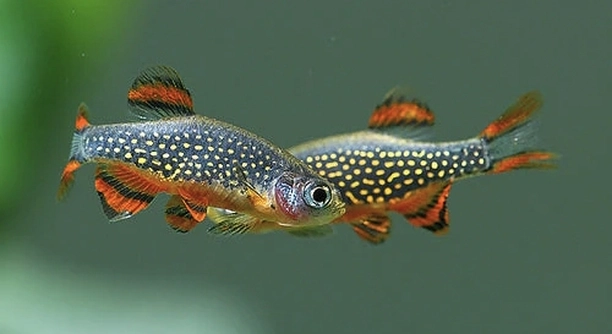
Do you ever find yourself observing your fish and noticing subtle changes in their behavior as the water conditions shift? These small variations can often be the early signs of spawning activity among aquatic species.
Water shifts such as temperature fluctuations, changes in pH, oxygen levels, and water hardness play a significant role in triggering spawning. Each factor influences fish physiology and behavior, making certain environmental adjustments essential for successful reproduction.
Understanding these water shifts can help you create optimal conditions and support the natural breeding cycles of your fish.
Temperature Fluctuations
Sudden changes in water temperature are one of the most common triggers for spawning. Many fish respond to warmer or cooler water by becoming more active and beginning their mating behaviors. A small increase of a few degrees can signal the fish that conditions are right for reproduction. Consistent temperature shifts that mimic natural seasonal changes often encourage spawning in both freshwater and saltwater species. Observing how your fish react to these variations is key to managing their environment effectively. Controlled adjustments can stimulate eggs to develop and fry to hatch more successfully. Temperature is not only about warmth but also about stability; extreme swings can stress fish, reducing their likelihood of breeding. Gradual changes over several hours or days work best. By monitoring both day and night temperatures, you can replicate natural patterns that make fish feel secure and ready to reproduce. Small heaters or chillers can help maintain these optimal conditions efficiently.
Maintaining gradual temperature changes helps reduce stress while prompting natural reproductive behavior, ensuring a healthier spawning process for your fish.
Proper temperature management encourages breeding, supports egg development, and keeps fish active. It creates an environment that feels natural and secure.
pH Level Adjustments
Even minor shifts in pH can influence spawning behavior, as many fish are sensitive to acidity or alkalinity.
Maintaining a slightly acidic or slightly alkaline environment, depending on species, can stimulate mating rituals. Fish sense these changes and adjust their reproductive cycles accordingly. Regular testing of water ensures the pH stays within the range that encourages breeding. Sudden spikes or drops should be avoided to prevent stress. Adjustments can be made using natural additives or commercial buffers, and timing these changes to mimic seasonal variations often increases success. Tracking the pH alongside other water parameters like hardness and temperature provides a complete picture of conditions that support spawning. Keeping a log of changes and responses can help refine your methods over time. Understanding the relationship between pH and reproductive behavior allows you to create a controlled environment that fosters natural breeding patterns and healthy offspring, making the process more predictable and rewarding.
Oxygen Level Changes
Low oxygen levels can slow fish activity, while slightly higher levels often trigger spawning behaviors. Aeration and water movement play a key role in creating these optimal conditions.
Increasing dissolved oxygen gradually encourages fish to become more active and engage in reproductive behaviors. Strong currents or bubbles can simulate natural environments, prompting courtship and egg-laying. Too much agitation, however, can stress the fish, so it is important to balance aeration with calm areas. Observing how fish respond to subtle changes in oxygen helps determine the ideal setup for successful breeding. Monitoring with oxygen meters ensures conditions remain stable.
Oxygen affects metabolism and overall health, influencing readiness to spawn. Fish in well-oxygenated water exhibit more natural behaviors, including increased mating activity and nest building. By adjusting aeration and circulation, you can create a comfortable environment that supports both adults and developing eggs.
Water Hardness Variations
Different species respond to soft or hard water, which can trigger spawning when adjusted appropriately. Maintaining the right mineral balance is important for reproductive success.
Water hardness affects fish osmoregulation and egg development. Softer water may encourage egg laying in some species, while harder water supports others. Gradual changes in calcium and magnesium levels can mimic seasonal fluctuations and signal to fish that conditions are favorable for breeding. Testing and adjusting hardness with commercial additives or natural mineral sources helps maintain stability. Too rapid a shift can be stressful, so careful monitoring is essential. Fish often show increased activity, pairing, and courtship when conditions align with their preferred hardness levels, making timing and precision critical for encouraging spawning.
Proper hardness supports egg strength, fry development, and overall health. By matching water mineral content to species requirements, you create an environment that encourages consistent reproductive behavior. Regular testing and adjustments ensure that conditions remain stable, fostering healthy growth and natural activity patterns among adult fish.
Light Cycle Adjustments
Changing the duration of light and darkness can influence fish spawning. Gradual increases or decreases in daylight often signal the right season for reproduction.
Adjusting light cycles helps regulate hormonal changes in fish. Mimicking natural sunrise and sunset patterns encourages activity and mating behaviors, supporting successful breeding outcomes.
Water Flow Modifications
Altering water flow can stimulate spawning by simulating currents found in natural habitats. Gentle movement helps oxygen distribution and provides cues for reproductive behavior. Fish often respond to changes in flow with increased courtship, nest building, and egg-laying activity. Regular observation ensures adjustments promote breeding without causing stress or disruption.
Seasonal Simulation
Mimicking seasonal changes in temperature, light, and water chemistry prepares fish for spawning. Gradual adjustments create a stable environment for reproduction.
How do I know if my fish are ready to spawn?
You can often tell by observing their behavior. Fish that are ready to spawn usually become more active, chase each other, or start cleaning surfaces for egg-laying. Males may display brighter colors, while females may appear fuller or rounder. These signs indicate that environmental conditions and their health are favorable for reproduction. Watching patterns over time helps confirm readiness.
Can sudden changes in water trigger spawning?
Yes, small, controlled changes in temperature, pH, or hardness can encourage fish to spawn. Sudden, extreme shifts should be avoided because they stress fish. Gradual adjustments simulate natural seasonal transitions, which often prompt reproductive behavior without harming the fish. Observing how they respond allows you to fine-tune the environment.
How often should I adjust water parameters for breeding?
Adjustments should be gradual and consistent. Changing temperature or pH too quickly can cause stress, while slow shifts encourage natural behaviors. Monitoring daily ensures the water stays within safe ranges. Some species respond better to frequent minor adjustments, while others need longer stable periods. Keeping detailed records helps track successful methods.
Do all fish species respond to the same triggers?
No, different species have unique preferences. Some respond strongly to temperature changes, while others rely more on pH or light cycles. Researching your specific species is essential. Knowing their natural habitat and seasonal patterns helps recreate conditions that encourage spawning. Observing their behavior gives clues to which factors are most effective.
What role does water quality play in spawning?
High water quality is essential for healthy eggs and fry. Clean, well-oxygenated water reduces stress and increases reproductive success. Filtration, regular water changes, and monitoring chemical levels help maintain optimal conditions. Poor water quality can prevent spawning or lead to weak, unhealthy offspring. Stable conditions support both adults and developing eggs.
Can I trigger spawning with artificial light?
Yes, light cycles can mimic seasonal changes and influence reproductive hormones. Extending daylight gradually or adjusting light intensity helps create conditions similar to natural breeding seasons. Consistency is important, and sudden changes should be avoided. Observing fish responses ensures the timing and duration of light adjustments are effective.
How long does it take for fish to spawn after changes?
The timing varies by species and environmental adjustments. Some fish respond within days, while others may take weeks. Gradual changes, such as increasing temperature or adjusting pH, often produce quicker results than abrupt shifts. Patience is key, as rushing conditions can cause stress or reduce success.
Should I separate males and females before spawning?
In some cases, temporarily separating sexes can encourage courtship once reintroduced. Others do better when left together. Understanding species-specific behavior is important. Observation will show whether separation or group interaction promotes natural mating and reduces aggression during breeding periods.
How can I encourage egg survival?
Provide safe surfaces for egg-laying and maintain stable water conditions. Reducing stress and avoiding sudden environmental changes improves hatching rates. Some species benefit from spawning mops, plants, or smooth rocks. Regular monitoring and gentle care help ensure eggs develop properly without interference from adults or harsh water parameters.
Is it possible to stimulate multiple spawning events?
Yes, many fish will spawn repeatedly if conditions remain favorable. Maintaining consistent water parameters, temperature, oxygen levels, and light cycles encourages successive reproductive cycles. After one successful spawn, continue observing behaviors and adjusting small environmental factors to support continued activity without over-stressing the fish.
What should I do if spawning doesn’t occur?
Check water parameters, temperature, hardness, pH, oxygen, and light cycles. Ensure fish are healthy and mature enough for breeding. Gradual, controlled adjustments and attention to seasonal simulation can help. Sometimes, species simply need time or slightly different conditions, so patience and careful observation are important.
How important is diet for spawning?
A nutritious, species-appropriate diet supports reproductive health. High-quality food boosts energy and promotes egg development. Feeding live or protein-rich foods can stimulate natural behaviors and readiness to spawn. Poor nutrition can prevent mating and reduce egg quality, so diet consistency is as important as environmental factors.
Can stress prevent spawning?
Yes, stress from poor water quality, overcrowding, or sudden changes can stop fish from spawning. Creating a calm, stable environment with adequate space and hiding spots reduces stress and encourages reproductive activity. Observing fish behavior helps identify stress triggers and adjust conditions accordingly.
How do I know if eggs are fertilized?
Fertilized eggs are often clear or slightly colored and may develop visible embryos. Unfertilized eggs usually turn white or opaque and may be removed by adults or rot. Monitoring eggs closely in the days after spawning ensures proper care and allows you to separate unfertilized eggs if necessary.
Can I use water additives to trigger spawning?
Certain minerals and buffers can adjust hardness or pH to encourage spawning. Use them cautiously and according to species requirements. Gradual introduction is best, and constant monitoring ensures conditions stay within safe ranges. Overuse or sudden changes can harm fish instead of promoting reproduction.
How often should I check the tank during spawning?
Frequent observation is important, especially in the first few days. Monitoring behavior, eggs, and water parameters ensures a stable environment. Avoid excessive disturbance, but check daily for signs of stress, egg development, and water quality. This helps address issues quickly and supports successful spawning.
What role does tank size play in spawning?
Adequate space reduces stress, allows natural behaviors, and provides safe areas for egg-laying. Overcrowding can inhibit mating and increase aggression. Providing hiding spots, proper substrate, and room for movement improves breeding success and overall fish health.
Can temperature alone trigger spawning?
Temperature is often a primary trigger but usually works best with other factors like pH, hardness, and light cycles. Gradual changes mimic seasonal cues. Fish respond to the combination of conditions rather than a single factor, so maintaining a balanced environment is key to encouraging spawning.
How long should eggs remain in the tank with adults?
Some species eat their eggs, while others guard them. Observing species-specific behavior determines if eggs should be moved. Providing separate hatching areas or protective surfaces increases survival rates. Timing removal carefully ensures the adults remain healthy without compromising egg development.
What common mistakes prevent spawning?
Rapid water changes, poor diet, overcrowding, and inconsistent light or temperature are frequent issues. Stress from these factors inhibits reproductive behavior. Slow, controlled adjustments, high-quality nutrition, and stable tank conditions greatly increase the likelihood of successful spawning and healthy fry.
How do I support fry after hatching?
Provide gentle water flow, stable parameters, and appropriate micro-food. Avoid overcrowding and maintain clean conditions. Gradually adjusting feeding and monitoring growth ensures the fry develop properly. Observing both adults and fry helps maintain balance and prevent stress or predation.
Can I trigger spawning in a community tank?
It’s possible but challenging. Other species may disrupt behavior or eat eggs. Providing separate breeding areas or hiding spots increases success. Controlling environmental factors consistently and observing interactions carefully helps create conditions suitable for reproduction without affecting the rest of the tank.
Is patience important during spawning attempts?
Yes, fish often need time to respond to changes. Gradual adjustments, consistent care, and careful observation are more effective than rushing conditions. Patience allows natural behaviors to emerge and increases the chance of successful breeding. Observing patterns over weeks helps fine-tune the environment for continued success.
Can I use temperature, light, and pH together to trigger spawning?
Combining gradual adjustments in these factors often mimics natural seasonal cues and is highly effective. Each factor influences reproductive hormones, activity, and egg development. Coordinating these changes carefully supports healthy spawning and increases the likelihood of multiple successful breeding cycles.
What should I do if fry are not surviving?
Check water quality, food availability, and potential predation. Ensure parameters like temperature, oxygen, and pH are stable. Providing safe areas, gentle filtration, and proper feeding schedules supports survival. Adjustments should be gradual to avoid stress, and monitoring fry behavior helps identify issues early.
How can I encourage natural courtship behaviors?
Maintaining proper environmental conditions, providing space, and reducing stress encourages pairing and mating rituals. Adequate hiding spots, gentle water flow, and consistent feeding promote comfort. Observing interactions helps identify readiness to spawn and supports natural reproductive cycles.
Are seasonal changes essential for all species?
Many species respond strongly to seasonal cues, though some can breed year-round under stable conditions. Simulating seasonal variations in light, temperature, and water chemistry often produces more reliable spawning results. Understanding species-specific needs helps create the most effective environment for reproduction.
What is the best way to record spawning conditions?
Keep a log of water parameters, light cycles, diet, and observed behaviors. Noting adjustments and outcomes helps identify effective strategies and repeat successful spawning. Tracking patterns over time allows refinement of conditions for optimal reproductive success.
Can I breed fish without mimicking natural seasons?
Some species will breed with consistent conditions, but many respond better to seasonal simulation. Gradual changes in temperature, light, and water chemistry often produce higher success rates. Observing behavior helps determine if natural cues or stable conditions are more effective for your species.
How do I prevent adults from eating eggs?
Provide separate breeding areas or protective surfaces. Using spawning mops, plants, or tanks with barriers can reduce predation. Monitoring adults closely after spawning ensures eggs remain safe until hatching, increasing fry survival and reducing stress on both adults and offspring.
What are the signs of successful fertilization?
Fertilized eggs usually appear clear or slightly colored, while unfertilized eggs turn white or opaque. Embryos develop visible eyes and movement over days. Observing these changes allows timely care, separation of unfertilized eggs, and monitoring of hatching progress for optimal results.
Can I breed multiple species together?
It’s possible if species are compatible and environmental needs align, but challenges like aggression, predation, or competition may occur. Providing sufficient space, hiding spots, and careful observation is essential. Separate breeding areas often yield better results for simultaneous reproduction of multiple species.
How often should water be tested during breeding?
Daily monitoring is ideal during active spawning. Checking temperature, pH, hardness, and oxygen ensures stability. Consistent observation helps detect changes early, prevent stress, and maintain optimal conditions for both adults and developing eggs or fry.
Can feeding live food increase spawning success?
Yes, live or protein-rich food often stimulates reproductive behavior and supports egg development. High-quality nutrition encourages activity, mating rituals, and overall health. Balanced diets tailored to species needs significantly improve the likelihood of successful breeding and healthy fry.
How can I balance aeration and calm water?
Provide gentle water movement to improve oxygen distribution while leaving quiet areas for eggs and fry. Too much agitation can stress adults or disrupt eggs, while still water may reduce oxygen levels. Observing responses helps find the right balance for natural reproductive behavior.
Are there signs that spawning conditions need adjustment?
Reduced activity, lack of courtship, or stress behaviors indicate that parameters like temperature, pH, hardness, or light may be off. Observing these signals allows gradual adjustments to create a more favorable environment and improve chances of successful spawning.
How important is hiding space for breeding fish?
Hiding spots reduce stress, encourage natural courtship, and protect eggs and fry. Plants, rocks, or breeding mops provide secure areas. Adults feel safer, and offspring have increased survival rates. The right balance of open swimming space and protected areas supports both breeding and general health.
Can water hardness alone trigger spawning?
Water hardness influences egg development and reproductive readiness, but it usually works best combined with temperature, pH, and light adjustments. Gradual, controlled changes in mineral content help simulate seasonal cues and increase the likelihood of natural spawning behaviors.
How do I handle sensitive species?
Sensitive species require stable conditions, gentle adjustments, and close monitoring. Avoid sudden changes in temperature, pH, or flow. Providing hiding spots, minimal disturbance, and proper diet supports breeding. Observation is key to understanding their specific needs and encouraging successful spawning.
Is it necessary to isolate breeding pairs?
Isolation can reduce aggression and stress in some species, but not all. Observation determines whether separation improves mating success. Providing suitable environmental conditions and monitoring behavior ensures that breeding pairs interact safely and effectively without compromising health or egg survival.
What common mistakes reduce fry survival?
Overcrowding, poor water quality, sudden environmental changes, and predation are frequent issues. Providing proper space, stable conditions, and protective areas helps fry thrive. Gradual adjustments and attentive care significantly increase survival rates and support natural growth patterns.
Can I encourage multiple spawning cycles per year?
Yes, maintaining stable, optimal conditions encourages repeated breeding. Gradual seasonal simulations, proper diet, and attentive care allow multiple cycles. Observing behavior and adjusting parameters carefully ensures adults remain healthy and eggs develop successfully. Repeating conditions that work helps plan predictable spawning events.
How do I avoid stressing fish during spawning?
Minimize sudden changes, maintain stable water quality, provide hiding spots, and avoid overcrowding. Gentle observation and careful handling reduce stress. Stress-free environments support natural behaviors, healthy eggs, and fry survival, ensuring successful reproduction and long-term fish well-being.
What equipment is most useful for spawning tanks?
Thermometers, pH meters, oxygen meters, gentle filters, and timers for lights help maintain stable conditions. Spawning mops, plants, or smooth rocks provide egg-laying surfaces. Equipment that allows careful monitoring and control ensures consistent environmental conditions and supports reproductive success.
Can tank mates interfere with spawning?
Yes, aggressive or incompatible species can disrupt courtship, stress adults, or eat eggs. Separating breeding pairs or providing protective areas increases success. Observing behavior allows adjustments to prevent interference and ensures eggs and fry have a safe environment.
How important is water clarity for breeding?
Clear water helps fish locate eggs and encourages natural behaviors. Filtration and regular changes maintain clarity without disturbing conditions. Clean, clear water reduces stress, supports oxygen levels, and promotes healthier eggs and fry.
Can seasonal cues be simulated artificially?
Yes, controlled adjustments in temperature, light cycles, and water chemistry can mimic natural seasonal changes. Gradual shifts signal to fish that conditions are right for spawning. Observing responses ensures the simulation is effective and supports reproductive success.
What is the best way to introduce breeding pairs?
Provide a calm environment, proper hiding spots, and stable water parameters. Gradual introduction reduces aggression and allows natural courtship. Monitoring interactions ensures compatibility and promotes successful mating without stress.
How do I monitor fry development?
Observe growth, behavior, and response to feeding. Maintain stable water quality and gentle flow. Regular monitoring identifies issues early, ensures proper nutrition, and supports healthy development from hatching to juvenile stages.
Can minor chemical changes encourage spawning?
Small adjustments in pH, hardness, or mineral content can simulate seasonal shifts and trigger reproductive behavior. Gradual changes reduce stress while providing cues for natural spawning cycles. Monitoring responses helps fine-tune the environment effectively.
How do I prevent adults from disturbing eggs?
Provide separate breeding surfaces, protective plants, or barriers. Observation ensures adults do not consume or damage eggs. Timing and careful management increase hatching success while keeping adults healthy.
Is continuous observation necessary during spawning?
Yes, daily monitoring helps detect stress, water parameter changes, or egg issues. Minimal disturbance ensures adults behave naturally, eggs develop properly, and any problems are addressed promptly to improve overall reproductive success.
Can diet alone trigger spawning?
Diet plays a supportive role by promoting health and reproductive readiness. High-protein and nutrient-rich food stimulates energy and egg development but works best combined with environmental cues like temperature, light, and water chemistry.
How do I manage multiple breeding tanks?
Track water parameters, feeding schedules, and behaviors for each tank. Gradual adjustments and consistent monitoring ensure all tanks maintain optimal conditions. Organized records help replicate successful methods across multiple setups, increasing overall spawning success.
What are early signs of egg development?
Fertilized eggs are often clear or slightly colored. Within a few days, embryos may show small eyes or movement. Observing these signs helps confirm successful fertilization and guides care for optimal hatching conditions.
Can I use automated systems for spawning control?
Timers, heaters, chillers, and automated feeders maintain consistent conditions. Controlled systems reduce human error, stabilize parameters, and simulate seasonal cues effectively. Monitoring responses ensures the equipment supports natural behaviors and reproductive success.
How do I maintain balance between adults and fry?
Provide hiding spots, gentle water flow, and separate feeding areas. Observing interactions ensures adults do not harm fry. Stable water parameters and careful management allow both adults and young to thrive together safely.
What role does tank substrate play in spawning?
Substrate offers surfaces for egg-laying and protection. Smooth rocks, sand, or spawning mops help certain species deposit eggs safely. Choosing the right substrate enhances reproductive behavior and increases fry survival.
Can I encourage natural selection in breeding?
By providing conditions where only the healthiest adults spawn, natural behaviors are promoted. Observing mating interactions and egg development allows stronger, healthier offspring to thrive, supporting the overall vitality of the population.
How do I troubleshoot unsuccessful spawning?
Check water parameters, diet, light cycles, and environmental conditions. Adjust gradually while observing behavior. Patience and careful record-keeping help identify factors that prevent reproduction and guide corrective actions for successful breeding in future attempts.
How important is consistency for spawning success?
Consistency in temperature, pH, hardness, light, and diet is essential. Sudden fluctuations can stress fish, reduce mating behaviors, and affect egg development. Stable conditions increase the likelihood of natural reproductive cycles and healthy offspring.
Can water changes alone trigger spawning?
Minor, gradual water changes can act as environmental cues, simulating rainfall or seasonal shifts. Sudden or excessive changes may stress fish, while controlled adjustments encourage natural reproductive behaviors effectively.
How do I select compatible breeding pairs?
Observe behavior, size, and health. Pairs that interact calmly and display courtship behaviors are more likely to spawn successfully. Avoid aggressive or incompatible combinations to reduce stress and increase the likelihood of egg fertilization.
Can temperature drops trigger spawning in tropical fish?
Yes, slight drops followed by gradual warming often simulate seasonal changes and can induce reproductive behavior. The response varies by species, so monitoring and adjusting carefully ensures safe and effective results.
How do I prevent fungal growth on eggs?
Maintain clean water, proper aeration, and gentle filtration. Removing unfertilized eggs promptly reduces fungal spread. Stable parameters and careful observation protect developing embryos and increase survival rates.
Can I breed fish year-round?
Some species can breed continuously under stable, optimal conditions. Others require seasonal simulations to reproduce effectively. Understanding the species’ natural patterns allows you to create an environment suitable for year-round or seasonal spawning.
How do I simulate rain for spawning triggers?
Gradual water additions or slight temperature drops can mimic rainfall. This often encourages spawning in species that respond to seasonal rains. Careful observation ensures the adjustments stimulate natural behaviors without stressing the fish.
**What is the
Understanding the factors that trigger spawning in fish requires careful observation and attention to environmental conditions. Temperature, pH, oxygen levels, water hardness, light cycles, and flow all play important roles in signaling to fish that it is the right time to reproduce. Each species has its own preferences and sensitivities, so replicating natural conditions as closely as possible is key. Gradual adjustments are always better than sudden changes, as they reduce stress and allow fish to respond naturally. Observing behavior such as increased activity, brighter colors in males, and fuller females can give clear indications of readiness to spawn. By maintaining consistent monitoring and recording responses, you can refine conditions over time and create a supportive environment for breeding. The process requires patience, but it is rewarding to see fish respond positively to carefully managed changes in their habitat.
Water quality is another critical factor that cannot be overlooked. Clean, well-oxygenated water ensures both adults and developing eggs remain healthy. Filtration, regular water changes, and careful testing of parameters like pH, hardness, and temperature help prevent issues that could interfere with reproduction. Diet also plays a significant role in reproductive success. Providing nutrient-rich food that meets the needs of the specific species encourages energy for courtship and supports egg development. A balanced diet combined with optimal water conditions creates an environment that allows fish to display natural breeding behaviors. It is important to remember that stress can easily prevent spawning, so creating calm spaces, avoiding overcrowding, and providing hiding spots are essential measures. Even small details, like proper aeration and gentle water flow, can make a difference in how comfortable fish feel and how willing they are to reproduce.
Patience and consistency are central to successful spawning. Fish do not respond immediately to changes, and the timing for each species can vary widely. Some may react within a few days, while others may take weeks to initiate reproductive behavior. Keeping careful records of water adjustments, behavior observations, and feeding routines allows for informed decisions and improved outcomes over time. Providing safe spaces for eggs and fry, monitoring development, and minimizing disturbance all contribute to higher survival rates. Understanding the interplay of environmental factors, diet, and behavior helps create a supportive breeding environment. By approaching spawning methodically and attentively, you can encourage natural reproductive cycles, support the health of both adults and offspring, and ensure a more predictable and successful breeding process.

Hello,
If you enjoy the content that we create, please consider saying a "Thank You!" by leaving a tip.
Every little bit helps us continue crafting quality advice that supports the health, happiness, and well-being of pets around the world, for pets of all shapes, sizes, and species.
We really appreciate the kindness and support that you show us!