
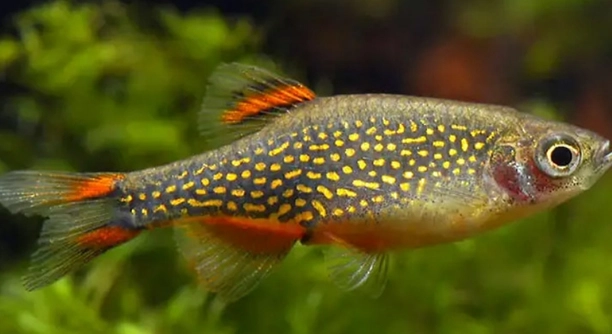
Keeping Danio fry safe in their first weeks is important for any hobbyist. Young fry are delicate and need careful handling, proper environment, and thoughtful feeding to ensure they grow healthy and strong in your aquarium.
To keep Danio fry safer for longer, maintain stable water conditions, provide gentle filtration, feed appropriately sized food, avoid overcrowding, monitor for disease, separate from aggressive tankmates, and regularly clean their environment to prevent harmful buildup.
These simple steps can greatly increase survival rates, helping your fry develop into strong, healthy adult fish over time.
Maintaining Stable Water Conditions
Keeping water conditions stable is one of the most important steps in caring for Danio fry. Sudden changes in temperature, pH, or hardness can stress young fish, making them vulnerable to disease or stunted growth. Ideally, water temperature should remain between 24–28°C, and pH should stay near neutral, around 6.5–7.5. Use a reliable heater and thermometer to maintain consistent temperatures, and test water parameters regularly with a water test kit. Partial water changes are essential, but they should be done carefully to avoid sudden shifts. Introducing new water gradually helps fry adapt without stress. Also, avoid overcrowding, which can cause rapid fluctuations in water quality. By consistently monitoring and adjusting conditions, you create a safer environment where fry can feed, swim, and develop without added stress, ultimately improving their survival rate and long-term health.
Stable water encourages fry to grow steadily and reduces health issues over time.
Even small fluctuations in water can have big effects on fry. Consistent conditions reduce stress and allow them to feed regularly, grow stronger, and develop naturally. Combining careful monitoring with gentle adjustments ensures fry remain safe, active, and healthy.
Feeding Appropriately Sized Food
Providing food that matches the size of Danio fry is essential. Fry cannot consume large flakes or pellets, so using finely crushed food, baby brine shrimp, or specialized fry food ensures they can eat without difficulty. Small, frequent feedings are better than a single large feeding, as fry have tiny stomachs and need regular nourishment throughout the day. Overfeeding can pollute the water, leading to dangerous ammonia spikes, so remove any uneaten food promptly. Introducing a variety of food supports proper growth, encourages active swimming, and strengthens their immune system.
Proper feeding helps fry grow faster and reduces mortality rates.
Young Danio fry thrive when fed a consistent, nutritious diet. Offering food multiple times a day in small amounts prevents waste and keeps water quality high. Observing their feeding habits helps identify any fry that may need extra attention. Balanced nutrition combined with clean water encourages healthy development, proper coloration, and active behavior. Carefully monitoring feeding routines and adjusting portions as fry grow ensures that they remain well-nourished and strong, while also preventing common water quality issues that could threaten their survival. Proper feeding is a critical factor in raising robust, healthy adult fish.
Gentle Filtration
A gentle filtration system prevents fry from being sucked into strong currents while keeping the water clean. Sponge filters or adjustable-flow filters work best for young Danio fry. Regular maintenance ensures optimal water flow without stressing the fish.
Using a gentle filter reduces the risk of injury and keeps the tank clean. Sponge filters are ideal because they provide both filtration and aeration without creating strong currents that can harm fry. Place the filter near the side or corner of the tank to maintain calm water in the main swimming area. Regularly clean the sponge to prevent debris buildup, but avoid over-cleaning, which can remove beneficial bacteria. This approach helps maintain a stable environment while ensuring fry have space to feed and swim freely. Proper filtration contributes to their overall growth and health, reducing stress-related mortality.
Adjustable-flow filters allow fry to enjoy clean water safely. By controlling the flow, you can prevent fry from being pushed into corners or trapped. Monitoring the current and adjusting as fry grow ensures their environment remains safe, calm, and supportive for proper development.
Avoiding Overcrowding
Overcrowding leads to competition for food, stress, and poor water quality, which can endanger fry survival. Keep tank populations appropriate for their size and growth rate.
When fry are overcrowded, smaller fish may be outcompeted for food, leading to uneven growth and weaker individuals. High densities also increase waste accumulation, raising ammonia and nitrite levels, which are toxic to fry. Providing enough space allows all fry to swim, feed, and grow without excessive stress. If necessary, divide fry into separate tanks or use breeding nets to prevent overcrowding. Maintaining appropriate numbers also reduces the risk of disease spread, as pathogens can move more quickly in dense populations. Monitoring growth and adjusting stocking levels as fry develop supports a healthier, more stable environment.
Proper spacing gives fry room to grow and reduces aggressive behaviors. By limiting numbers per tank, you create a calmer environment where fry can feed efficiently. Regularly check tank capacity, and separate fish as they increase in size to maintain optimal conditions for health, growth, and long-term survival.
Monitoring for Disease
Regular observation helps catch early signs of illness in Danio fry. Look for changes in behavior, swimming patterns, or appearance. Early detection allows for quick intervention and treatment, preventing serious outbreaks.
Isolating any sick fry immediately reduces the risk of spreading disease. Maintaining clean water and avoiding overfeeding also supports their immune system.
Separating from Aggressive Tankmates
Aggressive fish can harm or stress Danio fry. Keeping fry in a separate tank or using breeding boxes ensures they are safe while still being able to grow freely.
Regular Tank Cleaning
Consistent cleaning prevents harmful waste buildup. Remove debris, uneaten food, and perform partial water changes to maintain a healthy environment that supports fry development.
Observing Fry Behavior
Watching how fry interact helps identify issues early. Active, healthy fry indicate good conditions, while lethargy or hiding may signal stress, poor water quality, or illness.
FAQ
How often should I feed Danio fry?
Danio fry should be fed small amounts multiple times a day, ideally three to five times. Their tiny stomachs cannot hold large quantities, so frequent feedings help them grow steadily. Use finely crushed flakes, powdered fry food, or baby brine shrimp to ensure they can eat easily without leftover food polluting the tank.
What is the best water temperature for fry?
Keep the water between 24–28°C. Consistent temperature supports proper growth and reduces stress. Use a reliable heater and thermometer, and avoid placing the tank near drafts or sunlight that could cause rapid fluctuations.
How do I prevent fry from being sucked into the filter?
Use a sponge filter or cover the intake of an adjustable-flow filter with fine mesh. Sponge filters provide gentle filtration and aeration without creating strong currents, giving fry a safe swimming environment.
Can I use tap water for fry tanks?
Tap water is fine if properly treated. Always use a water conditioner to remove chlorine and chloramine. Let the water sit for a few hours to reach room temperature and stabilize before introducing fry. Testing pH and hardness helps ensure stable conditions.
How do I know if fry are stressed?
Signs of stress include erratic swimming, hiding, loss of appetite, or clamped fins. Stress can result from overcrowding, poor water quality, or aggressive tankmates. Regular monitoring helps you catch issues early and adjust conditions to keep fry healthy.
When should I move fry to a bigger tank?
Move fry once they are strong enough to compete for food and need more swimming space. Avoid sudden transfers; acclimate them slowly to the new tank’s temperature and water conditions to prevent shock.
What type of food helps fry grow fastest?
A combination of finely crushed flakes, powdered fry food, and live food like baby brine shrimp or micro worms works best. Rotating foods ensures proper nutrition and encourages natural hunting behavior, which supports development and immune strength.
How often should I clean a fry tank?
Perform partial water changes every two to three days, removing uneaten food and debris. Avoid full cleanings that strip beneficial bacteria. Regular maintenance keeps water quality high and supports fry growth.
Can I keep different species with Danio fry?
It is best to keep fry separate from larger or aggressive species. Other fish may eat or stress them. Using a separate tank or breeding nets allows fry to grow safely until they are large enough to join a community tank.
What is the ideal pH for Danio fry?
Maintain pH between 6.5 and 7.5. Sudden shifts can stress fry and lead to health issues. Regular testing and gradual adjustments ensure the water remains within safe limits for their growth and overall health.
How do I prevent diseases in fry?
Keep water clean, maintain proper temperature, and avoid overcrowding. Quarantine new fish before adding them to the tank. Observing fry daily helps detect early signs of illness, allowing prompt treatment before problems escalate.
Why is overcrowding dangerous for fry?
Overcrowding increases competition for food, reduces water quality, and raises stress levels. High density can lead to slower growth, weaker fish, and a higher risk of disease. Separating fry or limiting numbers per tank is essential.
How long does it take for fry to grow into adult fish?
Danio fry typically reach adult size in 8–12 weeks, depending on water quality, food, and care. Providing a stable environment and proper nutrition ensures they grow steadily and remain healthy during this critical period.
Can I use live plants in a fry tank?
Yes, live plants provide hiding spots and improve water quality. They also help oxygenate the water. Choose soft-leaved plants or mosses to avoid sharp edges that could injure delicate fry.
How do I acclimate fry to new water conditions?
Gradually mix small amounts of new water into the fry tank over several hours. This slow adjustment helps them adapt without stress or shock, maintaining stability and supporting healthy growth.
What is the safest way to net fry?
Use a small, fine-mesh net or a container to scoop fry gently. Avoid sudden movements that could injure them. Minimizing handling is best, as fry are very delicate during early development.
Are there signs of overfeeding?
Yes. Uneaten food, cloudy water, and algae growth indicate overfeeding. Overfeeding can raise ammonia levels, stressing fry and increasing disease risk. Feed only what fry can consume within a few minutes.
How important is tank placement for fry?
Place the tank away from direct sunlight, drafts, and loud vibrations. Stable conditions help reduce stress, maintain consistent temperature, and support healthy development for the young fish.
Can fry survive in unheated water?
Fry can survive in slightly cooler water, but growth will be slower. Maintaining a stable temperature within their optimal range promotes faster growth, stronger immunity, and better survival rates.
How do I tell if fry are getting enough food?
Healthy fry are active, grow steadily, and show bright coloration. If they appear thin, sluggish, or pale, they may need more frequent feedings or a more suitable diet. Adjust portions carefully to balance nutrition and water quality.
What equipment is essential for raising fry?
A small tank, gentle filtration, heater, thermometer, water test kit, and feeding tools are essential. Additional items like breeding nets, live plants, and small containers for water changes can make care easier and safer.
How do I reduce stress during water changes?
Perform partial water changes slowly and gradually. Match temperature and pH of new water to existing tank conditions. Avoid strong currents or sudden movements that could stress the fry.
How long should I monitor fry daily?
Observing fry at least once a day helps catch issues early. Check behavior, feeding, and water conditions to maintain a stable, safe environment that encourages healthy growth.
What is the best way to prevent ammonia spikes?
Feed in small amounts, clean uneaten food, and perform regular partial water changes. Using a sponge filter also helps maintain beneficial bacteria that break down harmful ammonia efficiently.
How do I know when fry are ready to join a community tank?
Fry are ready when they are strong enough to compete for food, large enough to avoid predation, and show normal swimming and feeding behavior. Gradual acclimation to the new tank ensures a smooth transition.
Are there specific signs of good health in fry?
Healthy fry are active, swim steadily, eat regularly, and have clear eyes and vibrant coloration. Lethargy, pale color, or erratic swimming may indicate stress or illness. Regular monitoring ensures timely care and intervention.
Can fry tolerate small water parameter changes?
Fry are sensitive to sudden changes in temperature, pH, and hardness. Minor, gradual adjustments are tolerated, but abrupt shifts can stress or even kill them. Consistency is key to survival and healthy development.
How important is aeration for fry?
Aeration ensures proper oxygen levels, supporting growth and metabolism. Gentle aeration through a sponge filter or air stone prevents fry from being stressed while maintaining oxygen-rich water for healthy development.
What is the best lighting for a fry tank?
Moderate lighting mimics natural conditions and supports plant growth without stressing fry. Avoid intense or fluctuating light, which can increase stress and encourage algae growth, affecting water quality.
Can I use adult Danios as tank mates for fry?
Adult Danios may eat fry or outcompete them for food. Keep fry separate until they are large enough to safely coexist, minimizing stress and loss.
How do I identify sick fry early?
Look for changes in swimming, feeding, color, or fin condition. Early identification allows prompt intervention, improving chances of recovery and reducing the spread of disease to healthy fry.
Should I use medication in a fry tank?
Medication should be a last resort. Many treatments can stress or harm fry. Focus on prevention through clean water, proper feeding, and stable conditions. Only use fry-safe medications when necessary and follow instructions carefully.
How can I reduce fry mortality?
Provide stable water, gentle filtration, appropriate food, and sufficient space. Monitor for disease and avoid aggressive tankmates. Consistency in care significantly improves survival rates and supports healthy growth.
Is it necessary to separate fry by size?
Separating significantly smaller fry prevents them from being outcompeted for food. This ensures uniform growth, reduces stress, and lowers mortality among weaker individuals, creating a healthier population.
How long should fry be observed after feeding?
Watch fry for 10–15 minutes after each feeding to ensure all fish are eating. Remove leftover food promptly to maintain water quality and prevent stress or illness.
Are live plants better than artificial for fry?
Live plants provide hiding spots, improve water quality, and supply oxygen. Soft-leaved plants or moss are ideal because they prevent injury while supporting a natural environment for fry development.
How do I safely introduce new fry to an established tank?
Acclimate them slowly by gradually mixing tank water into the transport container. This prevents shock and allows fry to adjust to temperature, pH, and water chemistry differences safely.
Can fry survive in tap water without conditioner?
No, untreated tap water may contain chlorine or chloramine, which are toxic to fry. Use a water conditioner to neutralize harmful chemicals before adding fry to the tank.
What is the best way to clean fry equipment?
Rinse nets, containers, and siphons with dechlorinated water. Avoid soap or harsh chemicals that can leave residues, as fry are very sensitive to contaminants.
How do I prevent algae in a fry tank?
Control feeding, maintain regular water changes, and avoid excessive lighting. Live plants compete with algae for nutrients, helping to keep growth under control naturally.
Can fry survive in slightly cooler water?
Yes, but growth will slow, and they may be more vulnerable to disease. Maintaining a stable temperature within their preferred range ensures optimal development and survival.
How long does it take for fry to learn to eat on their own?
Most fry begin actively feeding within a few days after hatching. Providing appropriately sized food in small amounts helps them develop proper feeding skills quickly.
Is it necessary to test water daily?
Frequent testing is important, especially for ammonia, nitrite, and pH. Daily checks allow early detection of problems, preventing stress and mortality among fry.
How do I acclimate fry to different water hardness?
Introduce small amounts of the new water gradually over several hours. Sudden changes in hardness can stress fry, so slow adaptation helps maintain stability and health.
What signs indicate fry are ready for larger food?
When fry can eat crushed flakes or larger live food without difficulty, they are ready. Gradually increasing food size ensures proper growth without overfeeding or waste buildup.
How do I reduce stress when handling fry?
Minimize handling, move them gently in small containers, and avoid sudden movements. Keeping their environment calm and stable is the best way to reduce stress.
Can fry survive without a filter?
Small fry tanks can survive briefly without filtration if frequent water changes are done. However, a gentle filter maintains stable water quality and reduces stress, making survival and growth more consistent.
How important is observation for raising fry?
Daily observation helps detect early signs of stress, illness, or feeding issues. Prompt adjustments in care prevent major problems and improve survival rates. Regular monitoring is key to healthy development and growth.
What is the safest way to move fry between tanks?
Use a small container and float it in the new tank to equalize temperature. Slowly mix water over time, allowing fry to adapt before full transfer, reducing stress and preventing shock.
Can fry live with other small fish species?
Some small, peaceful species can coexist, but avoid anything that might outcompete or eat fry. Separate housing is safest until fry are large enough to join a community.
How do I know if fry are growing properly?
Fry should increase in size steadily, swim actively, and have bright, healthy coloration. Uneven growth or lethargy may indicate feeding or water quality issues.
Is it necessary to have a heater in a fry tank?
A heater maintains stable temperature, supporting growth and reducing stress. While fry may survive in cooler water, optimal temperature encourages faster, healthier development.
How often should I check for uneaten food?
Check after every feeding. Remove any leftover food within a few minutes to prevent water pollution and reduce the risk of ammonia spikes or disease.
Can fry survive in a bare tank without plants or decorations?
Yes, but hiding places reduce stress. Soft plants or moss provide shelter, helping fry feel secure while keeping the tank cleaner and safer.
How do I prevent fungus on fry?
Maintain clean water, avoid overfeeding, and remove dead fry promptly. Fungus thrives in poor conditions, so regular maintenance and careful observation are the best prevention.
Is frequent water testing necessary for small fry tanks?
Yes, small volumes change quickly, and ammonia or pH spikes can harm fry. Frequent testing ensures rapid response to maintain a safe environment.
How do I keep fry active and healthy?
Provide clean water, appropriate food, gentle currents, and enough space. Observation and timely adjustments help fry remain active, grow well, and develop strong immune systems.
Can fry survive without live food?
Yes, powdered or crushed fry food works if properly sized. Live food is beneficial for growth and activity but is not strictly necessary for survival if nutrition is balanced.
What is the best way to prevent fin damage in fry?
Provide smooth surfaces, soft plants, and avoid aggressive tankmates. Proper water flow and gentle handling reduce stress and injury, keeping fins healthy during early growth.
How do I know if fry are stressed from water changes?
Signs include erratic swimming, hiding, or reduced feeding. Gradual water changes and temperature-matched water help minimize stress and maintain fry health.
Can fry survive in a tank without filtration long-term?
Not reliably. Regular filtration stabilizes water quality, reduces waste buildup, and supports consistent growth. Without it, frequent maintenance is required to prevent health issues.
How can I make feeding easier for tiny fry?
Use a small spoon, dropper, or specialized feeding tool to control portions. Feeding in small amounts prevents waste and ensures all fry have access to food.
Is acclimation necessary for every new water source?
Yes, gradual acclimation reduces shock from temperature, pH, or hardness differences. This step is critical to prevent stress and maintain healthy fry.
How do I prevent stress from tank vibrations or noise?
Place the tank in a quiet, stable location. Avoid areas with frequent movement or loud noises, which can disturb fry and affect growth and feeding behavior.
Can fry tolerate small changes in lighting?
Yes, minor adjustments are tolerated, but sudden bright or fluctuating light can stress fry. Keep lighting moderate and consistent to maintain calm conditions.
What is the best method for partial water changes?
Remove 10–20% of tank water carefully and replace with treated, temperature-matched water. Gradual changes maintain stability, reduce stress, and keep water quality high for fry.
How do I safely feed live food to fry?
Rinse live food before adding, provide small amounts they can consume quickly, and remove leftovers to prevent water quality issues. Monitor feeding to ensure all fry get food.
How do I manage waste in a fry tank?
Frequent partial water changes, careful feeding, and gentle filtration keep waste low. Removing uneaten food and debris promptly prevents ammonia and nitrite spikes, supporting healthy growth.
Can fry survive with fluctuating temperatures?
Frequent or extreme temperature changes stress fry, slow growth, and increase mortality. Maintaining stable conditions is essential for safe, healthy development.
How important is hiding space for fry?
Hiding spots reduce stress, especially in high-density tanks or when fry feel threatened. Soft plants or moss provide shelter, making fry feel secure and encouraging normal behavior.
Can fry live with snails or other invertebrates?
Generally, small snails or non-aggressive invertebrates are safe. Avoid species that might harm or compete with fry. Monitoring interactions ensures safety for young fish.
What is the recommended tank size for fry?
A small, shallow tank works for early development, but as fry grow, more space is needed. Adequate room ensures healthy swimming, feeding, and reduces stress from overcrowding.
How do I know if water changes are effective?
Test water regularly for ammonia, nitrite, and nitrate levels. Low readings after changes indicate effectiveness, while high readings suggest adjustments in frequency or volume are needed.
Are there natural ways to improve fry survival?
Stable conditions, proper feeding, gentle filtration, and hiding spaces are the most effective natural methods. Avoid chemical treatments unless necessary, focusing on care consistency to support healthy growth.
How long should I quarantine new fry or fish?
Quarantine for at least two weeks to monitor for disease before introducing them to the main tank. This prevents outbreaks and protects the established fry population.
Can fry survive in a small container temporarily?
Yes, but only for short periods with frequent water changes and oxygenation. Long-term survival requires proper tank size, filtration, and stable conditions.
How do I prevent tankmates from eating fry?
Keep fry separate from larger or aggressive fish until they are big enough to avoid predation. Using breeding nets or dedicated fry tanks is the safest approach.
How important is water circulation for fry?
Gentle circulation supports oxygen distribution without creating strong currents. Proper flow encourages active swimming and healthy development without stressing the fry.
Can fry survive under constant bright light?
No, bright or constant light can stress fry, promote algae, and disturb normal behavior. Moderate, consistent lighting is better for growth and comfort.
How do I avoid fungal infections on fry?
Maintain clean water, remove uneaten food, and isolate sick fry. Fungus thrives in poor conditions, so regular maintenance and careful observation prevent outbreaks.
Are there signs of dehydration in fry?
Fry are aquatic, so dehydration is rare. Signs of stress from water issues include lethargy, loss of appetite, or clamped fins, usually caused by poor water quality rather than lack of water.
What is the safest way to remove dead fry?
Use a small net or container to gently remove them. Prompt removal prevents decomposition, which can harm water quality and the remaining fry.
How long does it take for fry to become independent feeders?
Most fry begin feeding independently within a few days post-hatch. Providing appropriately sized food encourages early self-feeding and healthy growth.
Can fry survive in cold water temporarily?
Short periods are tolerated, but prolonged cold slows growth and increases vulnerability to disease. Stable, optimal temperatures are recommended for safety and development.
How do I reduce stress when introducing new fry to plants or decorations?
Place items gently
Raising Danio fry can be a rewarding experience, but it requires careful attention to detail and consistent care. Fry are delicate during their early stages, and their survival depends on maintaining stable water conditions, providing proper nutrition, and protecting them from stress and harm. By keeping the water temperature steady and testing pH and hardness regularly, you can ensure a healthy environment that supports growth. Gentle filtration and regular cleaning help maintain water quality while avoiding the strong currents that could injure fry. Proper monitoring and observation are also important, as small changes in behavior, swimming patterns, or appearance can indicate stress or illness. Taking these steps seriously can significantly improve survival rates and create a strong foundation for fry to develop into healthy adult fish.
Feeding plays a crucial role in the development of Danio fry. Small, frequent meals of appropriately sized food help fry grow steadily while avoiding water pollution. A combination of finely crushed flakes, powdered fry food, and live options like baby brine shrimp supports proper nutrition and encourages natural feeding behaviors. Overfeeding should be avoided because leftover food can quickly impact water quality and lead to stress or illness. Observing fry during feeding times allows you to identify any weaker individuals that may need extra care. Along with proper nutrition, providing sufficient space and avoiding overcrowding ensures that all fry have access to food and room to swim freely. Separating fry from aggressive or larger tankmates is also essential to prevent stress and potential injury. By focusing on these aspects of care, fry have the best chance to thrive, grow, and develop strong immune systems.
Consistency and careful attention to the fry’s environment are key factors for long-term success. Regular water changes, monitoring for disease, and providing hiding spots help create a stable and safe environment. While raising fry may feel demanding at times, observing their growth and behavior can be very satisfying. Every small step, from feeding and cleaning to adjusting water parameters, contributes to healthier, more active fry that are ready to grow into vibrant adult Danios. With patience and commitment, the practices outlined here can help ensure fry survive longer, grow stronger, and remain healthy. Maintaining this routine establishes good habits that benefit not only the fry but also the overall health of your aquarium, creating an environment that supports all aquatic life in a balanced and stable way.

Hello,
If you enjoy the content that we create, please consider saying a "Thank You!" by leaving a tip.
Every little bit helps us continue crafting quality advice that supports the health, happiness, and well-being of pets around the world, for pets of all shapes, sizes, and species.
We really appreciate the kindness and support that you show us!