
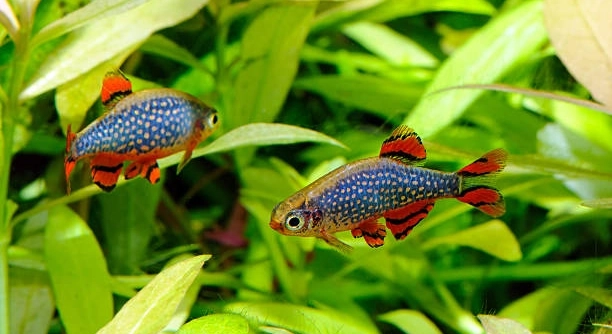
Danios are small, lively fish often seen darting around in home aquariums. Many aquarists notice their schooling behavior and assume it follows strict, predictable patterns, though appearances can be deceiving in subtle ways.
Danio schooling patterns are influenced by multiple factors including environment, social dynamics, and individual temperament. Common beliefs about their behavior are frequently oversimplified or inaccurate, and a closer examination reveals that these patterns are more flexible and context-dependent than traditionally thought.
Recognizing these myths can improve your understanding of danios and enhance the care you provide for these energetic, social fish.
Myth 1: Danios Always School in Perfect Form
Many people assume that danios form perfect, tight schools at all times. In reality, their schooling behavior changes depending on factors like tank size, the number of fish, water conditions, and their level of comfort. Smaller tanks can restrict movement, causing uneven formations or scattered groups. Social hierarchy also plays a role; dominant individuals may influence the direction or speed of the school. Juvenile danios often appear more chaotic than adults, who gradually develop coordinated movement. Even in ideal conditions, sudden disturbances like loud noises or rapid changes in light can disrupt their formation. Observing danios over time shows that their schooling is flexible and adaptable, rather than fixed. Learning to recognize these subtle patterns helps in creating a tank environment that supports natural behavior and reduces stress. It also highlights that minor irregularities in schooling are normal and not signs of illness or improper care.
Schooling patterns vary naturally, and strict formation is not always expected.
Understanding this flexibility allows aquarists to better support danios’ social and environmental needs, improving overall health and behavior over time.
Myth 2: Danios School Only for Safety
Some assume that danios group solely to avoid predators. While safety is a factor, schooling also supports feeding efficiency, social interaction, and navigation. Coordinated movement allows fish to locate food sources faster and respond quickly to environmental changes. In tanks without predators, danios still form schools, showing that safety is not the only reason. Social hierarchy and recognition of familiar individuals also influence school formation. Studying danios reveals that schooling is a multi-purpose behavior rather than a single survival strategy. Their interaction within a school strengthens bonds and establishes a dynamic social environment that affects their daily activity and overall well-being. Observing these interactions gives insight into how danios manage energy, stress, and relationships within the group, which can differ from one tank to another based on population and space.
Danios demonstrate schooling for social and feeding benefits as well as protection.
Recognizing the multiple purposes of schooling helps aquarists provide richer, more natural habitats. By arranging tanks with adequate space, proper lighting, and hiding spots, fish can move freely and engage with others. Social dynamics should be considered when adding or removing individuals, as changes can temporarily disrupt the school. Adjusting feeding methods to encourage group activity can also support natural schooling patterns. Keeping track of behavior over weeks allows observation of improvements or stress indicators. By viewing schooling as multifaceted, aquarists can better understand interactions and reduce unnecessary worry about deviations from expected behavior. Well-managed tanks reflect more natural schooling, with danios appearing energetic and confident, contributing to healthier fish overall.
Myth 3: All Danios School at the Same Speed
Danios do not move at a uniform pace. Individual energy levels, age, and temperament cause variation, making some fish appear faster or slower than others. Occasional gaps or surges in the school are normal and do not indicate poor health or aggression.
Different factors affect a danio’s swimming speed. Younger fish may dart quickly while older ones lag slightly. Feeding times can temporarily change the pace, as some fish push forward to reach food first. Environmental conditions, like water temperature, also play a role, slowing or accelerating movement. Even subtle changes in tank layout, such as decorations or plants, influence how they navigate and adjust speed. Observing speed variations over days helps identify normal behavior versus signs of stress or illness. Proper acclimation and gradual adjustments to the tank setup allow danios to maintain consistent activity levels while keeping the school dynamic and balanced.
Speed differences help maintain energy efficiency within the school. Fish naturally adjust their pace to match others, allowing coordination without overexertion. A mix of faster and slower individuals ensures that the group moves cohesively, adapting to obstacles and food sources efficiently. Variations in swimming also reduce collisions and stress, as the school dynamically spreads or compresses depending on available space. Recognizing these patterns prevents misinterpretation of normal behavior as problematic. Adjusting feeding or tank conditions supports these natural variations, resulting in a healthier and more active school that functions smoothly despite individual differences.
Myth 4: Danios Only School With the Same Species
Danios often form schools with other fish of similar size and behavior, not strictly with their own species. Compatibility and swimming style are more important than exact species match. Proper grouping creates harmony in the tank.
Mixed-species schools can thrive if the fish share similar activity levels and temperaments. Danios integrate more easily with fish that swim quickly and are non-aggressive. Slow-moving or territorial species can disrupt schooling behavior, causing stress. Observing interactions and adjusting tank mates ensures the group remains cohesive. The visual effect of a mixed school can be lively, with coordinated movement maintained through mutual adaptation. Danios are flexible, and they often adjust to new compatible companions, creating a balanced environment without forcing species-specific schooling.
Mixing compatible species requires careful observation of behavior. Danios adapt best when other fish respect space and avoid aggressive competition. Gradual introductions help reduce stress and allow natural schooling patterns to develop. Maintaining clear swimming paths, providing sufficient hiding areas, and balancing numbers prevent overcrowding. Regular monitoring of food distribution ensures that all fish receive proper nutrition without disrupting the school. Adjusting tank setup to encourage open swimming and predictable movement patterns helps mixed schools function smoothly. Over time, compatible species form visually cohesive groups, exhibiting synchronized behavior that supports social needs and enhances the overall activity within the aquarium.
Myth 5: Danios Always Stay at the Top of the Tank
Danios do not remain near the surface at all times. Their position in the tank depends on feeding, temperature, and personal preference. Some may explore lower levels or mid-water areas.
Position changes also reflect social interactions. Dominant fish may claim preferred spots, while others adjust to avoid conflict. Environmental enrichment, like plants or decorations, encourages vertical movement. Temperature layers influence activity, with cooler areas slowing swimming and warmer zones increasing energy. Observing their range helps identify comfort zones and ensures that tank conditions support natural movement.
Myth 6: Danios School Only When Healthy
Danios may school even when mildly stressed or recovering from illness. Schooling alone is not a definitive indicator of perfect health.
Myth 7: Schooling Prevents All Aggression
Schooling reduces but does not eliminate aggressive interactions. Territorial disputes or feeding competition can still occur. Observing behavior patterns allows timely adjustments to group size or tank layout, minimizing conflict.
FAQ
How many danios should I keep together?
Danios are social fish that thrive in groups. A minimum of six is recommended to encourage natural schooling behavior. Smaller groups may appear stressed or display unusual movement patterns. The more individuals you add, the more dynamic the school becomes, but space must be sufficient. Overcrowding can lead to stress and aggression. Ensuring that the tank has open swimming areas and hiding spots helps the group maintain cohesion while reducing conflict. Monitoring the school over time allows you to adjust numbers if signs of overcrowding appear, keeping the fish healthy and active.
Can danios school with other fish species?
Yes, danios can integrate with other species that share similar swimming speeds and temperaments. Compatibility matters more than species identity. Avoid pairing them with slow-moving or aggressive fish, as this can disrupt schooling and stress the group. Gradual introductions work best, allowing both danios and tank mates to adapt. Observing interactions after adding new fish ensures that the school remains cohesive and harmonious. Proper tank setup with open swimming paths and balanced food distribution helps mixed-species schools thrive, allowing danios to maintain social and movement patterns naturally.
Why does my danio school break apart suddenly?
Sudden breaks in schooling are often caused by environmental changes or perceived threats. Loud noises, rapid lighting changes, or sudden movements near the tank can trigger momentary dispersal. Temperature fluctuations or water quality issues may also alter activity levels and cohesion. Observing patterns over time helps distinguish between normal responses and behavioral problems. Adjusting the tank to reduce disturbances, maintain stable water conditions, and provide adequate space ensures the school reforms quickly and maintains natural behavior. Small gaps or temporary separations are normal, as danios constantly adjust to surroundings and group dynamics.
Do danios always swim at the same speed in a school?
No, individual differences influence swimming pace. Younger, more energetic fish often move faster than older or less active ones. Feeding sessions, tank layout, and temperature changes can temporarily alter speed. These variations are normal and help maintain energy balance within the school. Over time, danios adjust to each other, creating coordinated but flexible movement patterns. Recognizing that uniform speed is rare prevents unnecessary concern and allows for better observation of overall health and social behavior. Supporting natural variations ensures a more dynamic and stress-free environment for all fish.
How can I tell if my danios are stressed?
Signs of stress include erratic swimming, hiding excessively, or showing aggression within the school. Changes in appetite, coloration, or frequent gaps in schooling can also indicate discomfort. Stress can result from poor water quality, overcrowding, or incompatible tank mates. Regular monitoring, maintaining clean water conditions, and providing sufficient space help reduce stress. Observing interactions within the school allows early detection of tension, helping you make adjustments before problems escalate. Supporting a stable environment and predictable feeding schedules improves social cohesion and keeps the fish more relaxed and active.
Do danios ever stop schooling?
Danios rarely stop schooling entirely, but temporary breaks occur. Fish may rest in mid-water, explore lower levels, or respond to disturbances. Schooling is flexible and adapts to environmental conditions, feeding, and social dynamics. Occasional separations do not indicate poor health but reflect normal behavioral adjustments. Maintaining consistent conditions, open swimming areas, and balanced tank mates supports natural schooling and ensures the group remains cohesive most of the time. Understanding that slight variations are normal prevents misinterpretation and helps maintain a healthy, active aquarium environment.
Is schooling necessary for danios’ well-being?
Schooling is important for social interaction, feeding efficiency, and stress reduction. Fish isolated from groups may become less active or develop abnormal behaviors. Proper group size, compatible tank mates, and sufficient space encourage natural schooling. Observing how the school moves, adapts, and interacts provides insight into overall health. Supporting this behavior helps danios stay active, confident, and socially engaged, contributing to long-term well-being and a more dynamic aquarium environment.
Final Thoughts
Danios are small, active fish whose schooling behavior is often misunderstood. Many common beliefs about their movement, formation, and social habits are oversimplified or inaccurate. Observing danios closely shows that their behavior is flexible, influenced by factors like tank size, water conditions, social hierarchy, and individual temperament. Schools are not rigid structures; they shift and adjust naturally depending on the environment and the fish present. Even small changes in tank layout, lighting, or temperature can influence how danios move and interact. Understanding this flexibility helps aquarists create a more suitable environment and reduces unnecessary worry when schools do not appear perfectly coordinated. The variations seen in swimming speed, vertical positioning, and cohesion are part of normal behavior and indicate a dynamic, healthy group.
Schooling serves multiple purposes beyond protection from predators. It supports feeding efficiency, social interactions, and energy conservation. Danios adjust their pace and position to match the school, which helps prevent collisions and allows all fish to access food. Social dynamics within the group affect how the school forms and responds to changes. Mixed-species schools can function effectively if the fish share similar activity levels and temperaments. Observing the group over time helps identify what is normal for a particular tank setup and highlights areas that may need adjustment, such as adding more hiding spots, adjusting water conditions, or modifying feeding routines. Accepting that minor irregularities or temporary disruptions in schooling are normal allows for a calmer, more informed approach to care.
Providing a supportive environment for danios requires attention to space, water quality, and compatible tank mates. Maintaining stable conditions, ensuring adequate room for movement, and observing interactions carefully will help the school function naturally. Adjusting the number of fish, adding decorations, or providing vertical and horizontal space encourages exploration and healthy movement. Recognizing the multiple purposes and adaptive nature of schooling allows aquarists to better support both individual fish and the group as a whole. Over time, observing these patterns can be rewarding, offering insight into natural behaviors that may otherwise go unnoticed. Understanding danios’ schooling behavior is key to improving their well-being, creating a balanced tank environment, and fostering a more confident, active, and social group of fish.

Hello,
If you enjoy the content that we create, please consider saying a "Thank You!" by leaving a tip.
Every little bit helps us continue crafting quality advice that supports the health, happiness, and well-being of pets around the world, for pets of all shapes, sizes, and species.
We really appreciate the kindness and support that you show us!