
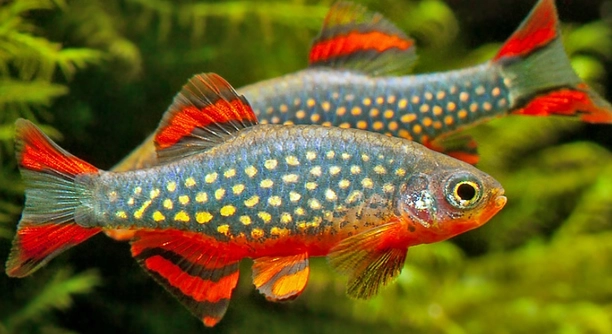
Are your danios darting nervously around the tank, creating a stressful environment for both you and your fish? Finding companions that coexist peacefully can transform your aquarium into a calmer, more enjoyable space for everyone.
Choosing tankmates for danios requires selecting species that are non-aggressive, compatible in swimming space, and adaptable to similar water parameters. Ideal companions reduce stress, promote natural behavior, and maintain a balanced, harmonious aquarium environment.
Keeping your danios happy starts with understanding suitable species and their interactions, ensuring a peaceful, thriving tank for all fish.
White Cloud Mountain Minnows
White Cloud Mountain Minnows are small, peaceful fish that adapt well to community tanks. Their calm nature makes them ideal companions for danios. They enjoy similar water conditions and thrive in slightly cooler temperatures, which helps reduce stress for both species. These minnows are hardy, forgiving of minor water fluctuations, and easy to care for.
They swim calmly in mid and upper tank areas, rarely challenging danios for space.
These minnows display subtle colors that complement danios’ bright patterns without being overwhelming. They are social fish that prefer groups of five or more, encouraging natural schooling behavior. Their small size and gentle temperament make them perfect for maintaining balance in a community tank. By pairing them with danios, you create a peaceful, dynamic aquarium that feels lively without chaos.
Corydoras Catfish
Corydoras catfish remain at the bottom of the tank, keeping their distance from active danios while cleaning leftover food.
These catfish are slow-moving, armored, and peaceful, which reduces the chance of conflict. Corydoras prefer soft substrate to protect their barbels and enjoy gentle water currents. Their schooling nature adds quiet activity at the bottom, helping maintain tank cleanliness and balance. Regular feeding of sinking pellets keeps them healthy and prevents competition with surface-dwelling species like danios. In combination with danios, they contribute to a full-spectrum community, occupying different areas of the tank. Their calm demeanor ensures that danios continue swimming freely without harassment. Adding corydoras catfish encourages a stable, low-stress environment, supporting natural behavior for all tank inhabitants and minimizing territorial disputes. Their presence creates visual interest and promotes a sense of harmony that enhances overall tank aesthetics. This pairing is ideal for a balanced, peaceful aquarium ecosystem.
Harlequin Rasboras
Harlequin Rasboras are peaceful schooling fish that coexist well with danios. They are small, calm, and occupy mid-level swimming areas without causing stress.
These fish thrive in similar water conditions as danios, preferring slightly acidic to neutral pH and moderate temperatures. Their gentle temperament makes them ideal for community tanks, and they swim in groups of six or more, encouraging social behavior. Harlequins have striking orange and black coloration, adding vibrancy without overwhelming the tank. Their schooling pattern creates a balanced visual appeal alongside active danios, enhancing the tank’s dynamic without introducing aggression.
Their small size and calm nature ensure minimal competition for food or territory. Harlequins remain consistent in behavior and adapt easily to tank routines, making them reliable companions. By choosing Harlequin Rasboras, you maintain a harmonious mid-level swimming community, complementing danios’ energetic movements while preserving a stress-free environment for all fish.
Neon Tetras
Neon Tetras are colorful, small fish that add brightness while keeping a peaceful tank dynamic. They swim in schools and avoid conflicts with danios.
Neon Tetras thrive in groups of six or more, which encourages social interaction and reduces stress. Their preference for mid-to-upper tank levels ensures minimal interference with bottom dwellers like corydoras. Neon Tetras enjoy slightly acidic to neutral water with stable temperature, aligning well with danios’ requirements. Their vibrant blue and red stripes create visual interest without dominating the tank. Feeding is straightforward with flake or micro-pellet food, and their gentle temperament prevents aggressive encounters. Combining these tetras with danios produces a lively but calm community where fish can display natural behaviors safely. Their consistent schooling and adaptability make them a dependable addition to a harmonious aquarium.
Kuhli Loaches
Kuhli Loaches are bottom-dwelling fish that stay hidden most of the time, avoiding conflicts with danios. Their calm, shy nature makes them ideal for peaceful tanks.
They are nocturnal and enjoy burrowing in soft substrate. Kuhlis are social, preferring groups of three or more, which keeps them comfortable and active without disturbing other fish.
Platies
Platies are small, hardy fish that adapt well to community tanks. They are peaceful, colorful, and occupy mid-level swimming areas, blending well with danios’ activity.
Otocinclus Catfish
Otocinclus Catfish are tiny algae-eaters that stay at the bottom and sides of the tank. They are gentle, non-aggressive, and rarely interfere with other fish. Their constant grazing helps keep the aquarium clean while maintaining a calm environment for danios.
Cherry Barbs
Cherry Barbs are peaceful, small barbs that prefer schooling in groups. Their calm temperament and moderate activity level make them compatible with danios.
FAQ
What makes a good tankmate for danios?
A good tankmate for danios is peaceful, active, and occupies a different swimming level than danios. Fish that are too slow or aggressive can stress them out. Ideal companions tolerate similar water conditions and temperature ranges to ensure all species remain healthy and calm.
Can danios live with goldfish?
Danios can live with goldfish in some situations, but there are concerns. Goldfish grow larger, produce more waste, and prefer cooler water, which can conflict with danios’ needs. Tank size, filtration, and careful monitoring are essential if combining these species.
How many danios should be kept together?
Danios are schooling fish, so keeping at least six is recommended. Small groups can lead to stress and aggression. A proper-sized tank with enough swimming space ensures they can display natural schooling behavior and remain energetic without stress.
Are bettas suitable tankmates for danios?
Bettas are usually not ideal companions for danios. Male bettas can be territorial and aggressive toward fast, active fish like danios. In rare cases, a very large tank with plenty of hiding spaces might reduce conflicts, but careful observation is always necessary.
Do danios need plants in their tank?
Yes, live or artificial plants provide hiding spots, reduce stress, and create natural boundaries. Plants also improve water quality and mimic the natural environment, giving danios and their tankmates areas to explore while keeping the tank visually appealing.
What water conditions suit both danios and peaceful tankmates?
Danios thrive in temperatures between 64–75°F (18–24°C) and slightly acidic to neutral pH (6.5–7.5). Peaceful tankmates like tetras, rasboras, and corydoras prefer similar conditions. Maintaining stable water parameters reduces stress and encourages natural behaviors in all fish.
Is it safe to mix small and large fish with danios?
Mixing small and large fish requires caution. Large, aggressive fish may harass or eat danios, while very small fish can be stressed by danios’ fast swimming. Choosing similarly sized, non-aggressive species is the safest approach for a balanced, calm aquarium.
How often should I feed danios and their tankmates?
Feed small amounts 1–2 times daily, ensuring all fish get access to food. Danios and active mid-level swimmers eat flakes or micro-pellets, while bottom dwellers like corydoras and loaches need sinking pellets. Avoid overfeeding to prevent water quality issues.
Can danios share a tank with shrimp or snails?
Yes, many small shrimp and snails are peaceful and non-threatening. They occupy different spaces in the tank and help with algae and waste control. Ensure there are hiding spots, as some very small shrimp may be nibbled on by curious danios.
Do danios need a large tank to stay stress-free?
Yes, a larger tank reduces competition for space and allows natural swimming patterns. A minimum of 20 gallons is recommended for small groups, but more space is better for larger communities or mixed-species setups. Adequate swimming room keeps danios active and calm.
How can I tell if my tankmates are stressing the danios?
Signs include hiding, reduced activity, clamped fins, or erratic swimming. Aggressive chasing or nipping also indicates stress. Monitoring behavior regularly and separating incompatible fish promptly helps maintain a peaceful, balanced environment.
Are schooling fish always better for danios?
Yes, danios are social and prefer to be in groups. Other schooling fish like tetras, rasboras, and white clouds enhance social interactions and reduce stress. Keeping compatible school sizes ensures both danios and their tankmates remain comfortable and active.
Can peaceful tankmates prevent aggression among danios?
Yes, calm companions can create a balanced environment that reduces stress-driven aggression. They occupy different tank zones and distract danios with compatible activity levels. Proper grouping and spacing help maintain harmony and allow all fish to thrive naturally.
What plants or decorations help create a peaceful environment?
Floating plants, dense foliage, and hiding spaces create visual boundaries and reduce stress. Driftwood, rocks, and caves provide shelter for bottom dwellers while giving danios open swimming areas. A mix of decorations encourages natural behaviors for both active and shy fish.
How often should water be changed in a community tank?
Regular water changes are essential, typically 25–30% weekly. This keeps ammonia and nitrate levels low, maintains water clarity, and supports the health of danios and their peaceful tankmates. Consistency in water maintenance prevents stress and disease outbreaks.
Can danios and peaceful tankmates be kept in small tanks?
Small tanks are risky because limited space increases competition, stress, and aggression. Only a few small, non-aggressive species should be kept together in tanks under 20 gallons, with careful monitoring of behavior and water quality.
Do danios need hiding spots if tankmates are peaceful?
Yes, hiding spots are important even with peaceful tankmates. They provide security during rest, reduce stress from occasional fast swimming, and create a more natural environment where all fish can feel safe.
How do I introduce new tankmates without stressing danios?
Quarantine new fish for a few weeks to prevent disease. Introduce them slowly, using floating nets or rearranging decorations to break territorial lines. Feeding and monitoring behavior closely ensures smooth integration into the existing community.
Can danios and bottom dwellers share food without conflict?
Yes, if feeding is spread across tank levels. Flakes or micro-pellets go to mid-level swimmers, while sinking pellets reach bottom dwellers. Providing enough food for all prevents competition and ensures each species remains healthy and calm.
What is the ideal tank setup for danios with peaceful companions?
A well-planted tank with open swimming areas, hiding spots, and varied substrate works best. Mid and upper-level swimmers like danios coexist with bottom dwellers and small schooling fish. Adequate filtration, consistent water parameters, and balanced feeding maintain a harmonious, stress-free environment.
Danios are active, social fish that thrive in a peaceful and balanced environment. Choosing the right tankmates is essential to maintaining their health and natural behavior. When selecting companions, it is important to consider species that are non-aggressive, adaptable to similar water conditions, and occupy different swimming levels. Fish like white cloud mountain minnows, harlequin rasboras, and neon tetras move calmly through the mid and upper tank areas, complementing danios’ energetic swimming patterns without causing stress. Bottom dwellers such as corydoras catfish, otocinclus, and kuhli loaches help maintain cleanliness while keeping their distance, which allows danios to move freely. The combination of active mid-level swimmers with peaceful bottom dwellers creates a well-rounded aquarium where each species can express its natural behavior. By paying attention to compatibility, water parameters, and tank space, it is possible to maintain a dynamic yet calm community tank that benefits all inhabitants.
Providing appropriate tank setup and care is equally important for a harmonious environment. A tank with open swimming areas, live or artificial plants, and hiding spots encourages fish to feel secure while exploring. Floating plants and dense foliage offer shelter, reduce stress, and visually divide the tank, creating natural boundaries that help prevent conflicts. Feeding routines should account for the needs of different species, with flakes or micro-pellets for mid-level swimmers and sinking food for bottom dwellers. Consistent water changes and monitoring of water parameters ensure a stable environment, reducing stress and promoting long-term health. Even small details, such as spacing decorations and maintaining adequate swimming room, contribute to a balanced aquarium where danios and their tankmates can coexist peacefully. Proper attention to these factors allows fish to thrive naturally, displaying lively behavior while minimizing aggression.
Ultimately, keeping danios with peaceful companions creates a more enjoyable and visually appealing aquarium. The presence of different species that occupy distinct areas of the tank adds depth and movement, making the aquarium feel lively without chaos. Small schooling fish enhance social interaction, while gentle bottom dwellers maintain order and cleanliness. Over time, a carefully chosen community allows danios to remain active, stress-free, and healthy, while their companions also flourish in a stable environment. Observing the tank as a whole and adjusting care as needed helps maintain harmony. Selecting compatible species, providing adequate space, maintaining clean water, and ensuring proper feeding routines are the key elements to a successful community tank. By following these principles, danios and their peaceful tankmates can coexist naturally, creating an aquarium that is both balanced and visually appealing for long-term enjoyment.

Hello,
If you enjoy the content that we create, please consider saying a "Thank You!" by leaving a tip.
Every little bit helps us continue crafting quality advice that supports the health, happiness, and well-being of pets around the world, for pets of all shapes, sizes, and species.
We really appreciate the kindness and support that you show us!