
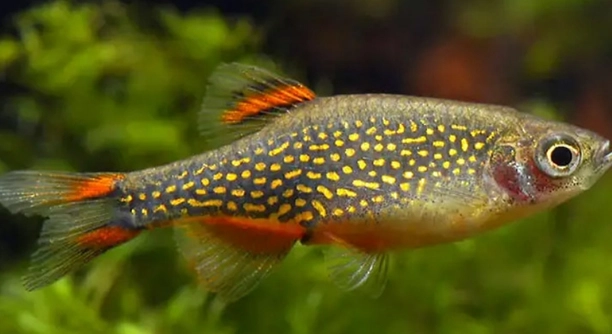
Do your danios seem restless during certain hours, swimming quickly and exploring every corner of the tank? Feeding them at specific times can match their natural activity patterns and ensure they remain healthy and active throughout the day.
Feeding danios at creative and varied times supports their circadian rhythm and natural foraging behavior. Adjusting meal schedules according to activity peaks promotes optimal digestion, reduces stress, and enhances overall health, leading to a more balanced and thriving aquarium environment.
Understanding these feeding times can improve your danios’ well-being, making their daily routines more natural and rewarding for both you and your fish.
Early Morning Feeding
Starting your danios’ day with an early morning feeding can align with their natural wake-up activity. At this time, they are most alert and actively swimming, which makes them more likely to find and consume their food efficiently. Feeding early also encourages regular metabolic cycles, helping digestion and nutrient absorption. Using small portions in the morning prevents overfeeding while giving your fish the energy to explore and interact in the tank. Observing their behavior during this feeding helps gauge appetite and overall health, ensuring you adjust future meals accordingly. Early morning meals also reduce leftover food, keeping water quality stable and lowering the risk of algae growth. By catering to their natural rhythms, danios remain active and vibrant throughout the day, displaying natural behaviors and maintaining a consistent energy level. Consistency in morning feeding establishes a routine that both you and your fish can rely on, supporting a healthy, balanced tank environment for the long term.
Starting the day with a small, timely feeding improves digestion and energy, setting the tone for the rest of their activity cycle.
Feeding in the morning provides more than just nutrition. It reinforces their circadian patterns, keeping them alert and active. Morning meals create predictable tank interactions, reducing stress and promoting social behaviors among danios. Over time, this helps maintain a healthy appetite, reduces aggression, and encourages swimming in natural patterns. Monitoring responses during morning feeding gives insight into fish health, allowing you to adjust food type and quantity as needed. The tank remains cleaner with less uneaten food, supporting better water quality. Consistent morning feeding also helps reinforce your presence in the aquarium, building trust between you and your fish. Overall, early morning meals enhance both the physical health and behavior of your danios.
Midday Feeding
A midday feeding offers an energy boost during their natural peak activity, keeping danios lively and alert in the tank.
Feeding at this time maintains energy levels and supports natural foraging behaviors, preventing lethargy and improving overall well-being.
Midday meals can be especially effective for active tanks with multiple fish. By providing small, measured portions, you prevent overfeeding and maintain water quality. Danios often respond eagerly, displaying quick swimming and coordinated movements. This feeding time also allows observation of social dynamics, as fish interact around food sources. Adjusting midday portions to tank size and number of fish ensures each danio receives adequate nutrition. Consistency is key, helping fish anticipate and respond positively to the schedule. Rotating food types during midday feeding can provide variety and additional nutrients, promoting health and preventing selective eating. This feeding time complements morning routines, balancing energy distribution and supporting digestion. Midday meals create predictable activity bursts, making the tank a more engaging and dynamic environment while reinforcing healthy behavior patterns.
Late Afternoon Feeding
Feeding danios in the late afternoon helps maintain energy before their calmer evening period. It prevents sudden drops in activity and supports proper digestion, keeping them alert and active for longer stretches in the tank.
Late afternoon meals are ideal for reinforcing daily feeding patterns. At this time, danios are still quite active but starting to slow down compared to morning and midday bursts. Providing a controlled portion helps avoid overfeeding while sustaining energy for natural swimming behaviors. This feeding window also allows observation of lingering social interactions, as fish often compete mildly for food. Offering flakes or small pellets at this time can stimulate activity without overwhelming their digestive system, ensuring nutrition is balanced across the day. Late afternoon feedings complement morning and midday meals, creating a rhythm that stabilizes appetite and supports healthy metabolism. It also encourages predictable behavior, reducing stress while keeping the tank lively and engaging.
Timing this feeding properly ensures consistency and reinforces circadian patterns. It also provides a gentle transition to evening activity, helping danios remain healthy.
Evening Feeding
Evening feeding helps danios settle before nighttime rest while providing extra nutrients for recovery. It keeps them calm and ensures they finish the day with sufficient energy reserves.
Evening meals should be smaller than earlier feedings to avoid leftover food that can pollute the tank overnight. Danios tend to be less active in the evening, so slow-sinking pellets or tiny portions of flakes work best. Feeding at this time reinforces a predictable routine, reducing stress and encouraging consistent swimming patterns. It also allows monitoring of appetite changes, which can indicate health concerns or environmental issues. Careful portion control prevents overfeeding, which can impact water quality and fish health. This feeding complements the morning, midday, and late afternoon schedule, keeping energy levels balanced throughout the day. Evening feeding also allows you to observe social behaviors and ensure each danio gets a share without overcrowding or conflict.
Proper evening feeding improves digestion and promotes calm nighttime behavior, supporting overall health and balanced energy levels.
Mid-Morning Snack
A light mid-morning snack keeps danios active between main meals. Small portions prevent overfeeding while maintaining consistent energy levels throughout the day.
This snack can include tiny flakes or micro-pellets. It encourages natural foraging behavior, giving the fish stimulation and promoting healthy activity without stressing their digestive system.
Pre-Bedtime Feeding
Offering a very small portion before bedtime helps danios settle for the night. This feeding should be minimal to avoid leftover food that can affect water quality.
Pre-bedtime feeding reinforces their daily rhythm. Even a few pellets can provide sufficient nutrients for overnight recovery, ensuring the fish remain healthy and maintain steady metabolism.
Floating Food Session
Floating food sessions encourage danios to swim at the surface, promoting exercise and natural feeding habits. This also provides visual stimulation in the tank and strengthens their coordination.
Occasional Treats
Giving occasional treats like frozen or live food adds variety and supplements nutrition. These should be limited to avoid overfeeding and maintain water quality.
How often should I feed my danios each day?
Danios thrive when fed small portions multiple times a day rather than one large meal. Typically, two to three main meals, supplemented with light snacks, match their natural activity levels. Overfeeding can lead to water quality issues and health problems, so portion control is essential. Consistent timing helps regulate their metabolism.
What type of food is best for danios?
A balanced diet includes high-quality flakes or pellets designed for tropical fish. Adding occasional live or frozen foods, such as brine shrimp or daphnia, enhances nutrition and encourages natural hunting behavior. Rotating food types can prevent selective eating and provide essential vitamins and minerals. Avoid over-reliance on one food type.
Can feeding at the wrong time harm danios?
Feeding at inconsistent times can disrupt their natural circadian rhythm, leading to stress or reduced activity. Sudden changes in schedule may also affect appetite and digestion. Maintaining a predictable feeding routine ensures danios remain active, healthy, and less prone to illness. Small, frequent feedings are more effective than irregular large meals.
Is it okay to skip a feeding?
Occasionally missing a small meal does not harm danios, but it should not become a habit. Skipped feedings can temporarily reduce energy levels but generally do not impact long-term health if the overall daily nutrition is adequate. Consistency is more important than perfection.
How do I know if I am overfeeding my danios?
Signs of overfeeding include leftover food in the tank, cloudy water, and overweight or lethargic fish. Overfeeding can lead to poor water quality and digestive issues. Only provide what the fish can consume within a few minutes, and remove uneaten food promptly. Monitoring their behavior after feeding helps adjust portions accurately.
Should I feed danios at night?
Evening or pre-bedtime feeding should be minimal to avoid uneaten food spoiling overnight. A very small portion supports recovery without impacting water quality. Danios naturally slow down at night, so feeding just enough for overnight energy reserves is sufficient.
How can I introduce new feeding times without stressing my danios?
Gradually adjust feeding times in small increments. Start by moving a meal by 15–30 minutes every few days. Observe their behavior to ensure they adapt well. Maintaining other aspects of tank routine, such as lighting and water conditions, reduces stress during schedule changes.
Can feeding frequency affect tank cleanliness?
Yes. Overfeeding increases waste and uneaten food, which can harm water quality and encourage algae growth. Proper portion control and spacing out meals help maintain a clean and healthy tank environment, reducing the need for frequent water changes.
Is it necessary to feed all danios individually?
No, danios are social and will typically feed together. However, if certain fish are shy or consistently miss food, offering extra portions in different areas of the tank ensures all receive adequate nutrition. Monitoring during feeding helps balance access for each fish.
What is the best way to combine floating and sinking foods?
Floating foods encourage surface swimming and activity, while sinking foods allow for natural bottom foraging. Combining both types provides variety and stimulates natural behaviors. Offering small portions at different levels in the tank ensures all fish benefit without overcrowding or waste.
How important is consistency in feeding times?
Consistency reduces stress and supports healthy digestion, metabolism, and behavior. Danios respond well to predictable schedules. Shifts in timing can temporarily alter activity and appetite, so keeping a steady routine is crucial for long-term health.
Can special treats replace regular meals?
Treats should never replace balanced main meals. Occasional live or frozen foods provide enrichment and supplemental nutrients, but regular flakes or pellets remain the primary source of nutrition. Treats are best used sparingly to prevent overfeeding and maintain water quality.
How do I adjust feeding for a new tank environment?
In a new tank, monitor fish carefully for appetite and behavior. Begin with smaller portions and gradually increase as fish adjust. Water conditions, lighting, and tank activity can influence feeding habits, so observing their response is essential to prevent stress or overfeeding.
Can danios become dependent on human feeding times?
Yes, they learn to anticipate meals and adjust activity patterns accordingly. While this does not harm them, it emphasizes the need for consistent schedules. Predictable feeding supports health and allows for easier monitoring of appetite and behavior.
How do I manage feeding in a mixed-species tank?
Provide food that meets the nutritional needs of all species present. Distribute portions across different areas to reduce competition. Monitor interactions during feeding to ensure smaller or less aggressive fish are not left out. Adjust quantity and type of food as needed to maintain balance and health.
This FAQ covers the practical concerns of feeding danios, emphasizing consistency, proper portioning, and observing fish behavior to maintain a healthy, active, and balanced tank.
Feeding danios at the right times is essential for their overall health and well-being. Understanding their natural activity patterns helps create a routine that matches their behavior and energy levels. Early morning feedings provide the energy they need to start the day actively, while midday meals maintain their alertness and support natural swimming patterns. Late afternoon and evening feedings help them transition to calmer periods, ensuring they have consistent energy without overloading their digestive system. Small, frequent meals also reduce the risk of leftover food, which can affect water quality and lead to stress or illness. By observing how your danios respond to each feeding, you can adjust portion sizes and timing to suit their needs, making their environment more stable and predictable.
Incorporating a variety of foods into their diet supports both physical health and mental stimulation. Flakes or pellets provide balanced nutrition, while occasional live or frozen foods encourage natural foraging behavior and help prevent selective eating. Rotating between different types of food ensures they receive essential vitamins and nutrients. Even snacks or floating food sessions have value, as they keep danios engaged and active while promoting natural swimming and hunting behaviors. Feeding consistently at different times of the day not only meets their nutritional requirements but also encourages social interaction and activity in the tank. When combined with careful observation, a well-planned feeding schedule strengthens both their health and daily routine.
Consistency, portion control, and observation are key to maintaining a thriving aquarium. Feeding times should become predictable, helping danios develop a healthy rhythm and reducing stress. Overfeeding or irregular schedules can cause digestive issues, poor water quality, and lethargy, so careful planning is necessary. By paying attention to their behavior during feedings, you can ensure each fish gets adequate nutrition while maintaining a clean and stable environment. Balancing feeding times, meal sizes, and food variety creates a structured daily rhythm that benefits both the fish and the tank ecosystem. Thoughtful feeding practices not only support the physical well-being of your danios but also enhance their natural behaviors, making your aquarium a lively, healthy, and enjoyable space for both the fish and the caretaker.

Hello,
If you enjoy the content that we create, please consider saying a "Thank You!" by leaving a tip.
Every little bit helps us continue crafting quality advice that supports the health, happiness, and well-being of pets around the world, for pets of all shapes, sizes, and species.
We really appreciate the kindness and support that you show us!