
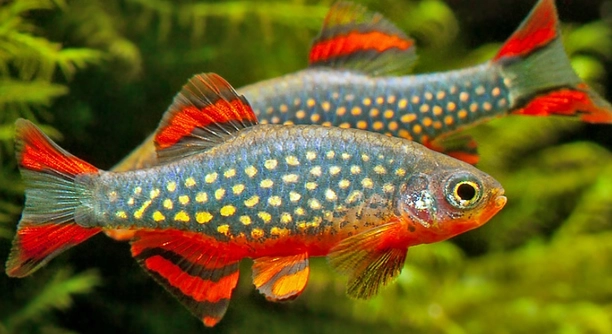
Celestial Pearl Danios are small, colorful fish that add charm to any home aquarium. They are peaceful, active swimmers that enjoy having space to explore, making their tank setup important for their overall well-being.
Celestial Pearl Danios require a minimum tank size of 10 gallons to ensure sufficient swimming space, stable water conditions, and room for plants and hiding spots. Adequate space helps maintain social behavior and reduces stress-related health issues.
Providing the right tank environment supports their vibrant colors and active nature, making your aquarium both visually appealing and a healthy habitat for these tiny fish.
Ideal Tank Dimensions for Celestial Pearl Danios
Choosing the right tank size is crucial for Celestial Pearl Danios. A 10-gallon tank is the minimum, but larger setups allow more swimming space and social interaction. They thrive in groups of six or more, so more space reduces aggression and stress. The tank should be longer than it is tall, giving them horizontal space to move freely. Adding plants, rocks, and hiding spots creates a natural environment and encourages natural behavior. A well-structured tank also improves water quality, as plants help absorb nitrates and provide surfaces for beneficial bacteria. Water flow should be gentle, as these fish prefer calm currents. Lighting is another important factor; moderate light highlights their colors without causing stress. Regular maintenance, including partial water changes, ensures a healthy habitat. Paying attention to these details helps Celestial Pearl Danios stay active, healthy, and colorful. Proper tank setup is an investment in their longevity.
A 10-20 gallon tank works well for a small group, while larger tanks support bigger communities comfortably.
Maintaining the correct tank size influences the fish’s health, behavior, and lifespan. A cramped environment can lead to stress, reduced activity, and dull colors. Proper space allows them to establish territories and swim naturally, which supports both mental and physical health. Combining adequate tank size with clean water, plants, and gentle water flow ensures a thriving environment for these delicate fish.
Tank Setup and Environment
Plants, rocks, and gentle filtration create a suitable environment for Celestial Pearl Danios.
A planted tank with open swimming areas is ideal, offering places to hide and explore. Moderate lighting, stable temperature, and calm water flow enhance their well-being. Decorations should not overcrowd the tank, maintaining balance between shelter and swimming space.
The tank environment directly impacts behavior and health. Dense plants provide hiding spots, reducing stress and encouraging natural exploration. Rocks and driftwood create visual interest and mimic their natural habitat. Filtration should maintain clean water while avoiding strong currents, which can overwhelm these small fish. Temperature stability between 74°F and 78°F is key, preventing illness from sudden changes. Lighting should highlight colors without causing stress, ideally 8-10 hours daily. Substrate choice, such as fine gravel or sand, supports plant growth and natural digging behavior. Regular monitoring of water parameters like pH and ammonia ensures a stable environment. A well-planned setup encourages active swimming, social interaction, and displays of vibrant colors. By creating a balanced habitat, the fish’s health, behavior, and longevity improve significantly, making care straightforward and rewarding.
Water Conditions for Celestial Pearl Danios
Celestial Pearl Danios need stable water conditions to stay healthy. They prefer temperatures between 74°F and 78°F, pH around 6.5 to 7.5, and soft to moderately hard water. Regular monitoring prevents stress and disease.
Maintaining consistent water parameters is essential for their well-being. Sudden changes in temperature or pH can weaken their immune system, making them prone to illness. A gentle filter with low flow helps preserve calm water conditions while keeping it clean. Partial water changes of 20-25% weekly remove excess waste and toxins, maintaining water quality. Using a water conditioner ensures chlorine and chloramine do not harm these delicate fish. Regular testing of ammonia, nitrites, and nitrates provides early warning of potential problems. With stable water conditions, Celestial Pearl Danios remain active, display vibrant colors, and reproduce successfully.
Proper water conditions also support natural behavior, including schooling and exploration. A well-maintained tank reduces stress and prevents health issues like fin rot or lethargy. Providing stable temperature, pH, and hardness creates a safe, comfortable environment. A thermometer and frequent monitoring help detect deviations early. The addition of live plants further stabilizes water chemistry and offers shelter. By controlling these factors, the fish thrive, exhibiting lively movement and social interaction. Stable conditions also encourage breeding behavior, making the aquarium more dynamic. Regular observation allows quick responses to changes, ensuring long-term health and reducing the likelihood of sudden illness or stress-induced color loss.
Feeding and Nutrition
A balanced diet is essential for Celestial Pearl Danios’ health and vibrant colors.
They eat small flakes, micro pellets, and frozen foods like daphnia or brine shrimp. Variety ensures proper nutrients and supports growth. Feed small amounts two to three times daily to prevent overfeeding and water pollution.
Feeding practices directly impact health, coloration, and longevity. Overfeeding can lead to poor water quality and obesity, while underfeeding can stunt growth and weaken immunity. Live or frozen foods supplement flakes and pellets, providing essential protein and stimulating natural hunting behavior. Rotating food types prevents dietary deficiencies and maintains interest. Observing how quickly they eat helps adjust portion sizes and prevent leftover food from decaying. Proper nutrition promotes vibrant colors, active swimming, and breeding readiness. Combining high-quality commercial foods with occasional live options ensures all dietary needs are met. Maintaining a feeding routine also reinforces natural social behavior and reduces aggression over food, keeping the group harmonious.
Tank Mates for Celestial Pearl Danios
They do best with peaceful, small fish that won’t outcompete them for food. Avoid aggressive or large species that may stress or harm them.
Compatible tank mates include small rasboras, guppies, and shrimp. Keeping similar-sized fish ensures harmony and reduces stress in the tank.
Breeding Celestial Pearl Danios
Breeding requires a separate breeding tank with fine-leaved plants or spawning mops. Maintain slightly warmer water around 78°F and soft, slightly acidic conditions to encourage spawning. Separate adults from fry after eggs are laid to prevent predation. Feeding high-quality live or frozen foods improves egg quality. Regular monitoring helps ensure high hatching success.
Common Health Issues
Stress, poor water quality, and improper diet are leading causes of health problems. Regular maintenance and observation prevent disease outbreaks and keep fish active and vibrant.
FAQ
What is the minimum tank size for Celestial Pearl Danios?
The minimum tank size is 10 gallons for a small group of six or more fish. Larger tanks provide extra swimming space, reduce stress, and allow for more decorations, plants, and hiding spots, which mimic their natural habitat.
Can Celestial Pearl Danios live alone?
They are social fish that thrive in groups. Keeping a single fish can cause stress, shyness, and lack of natural behavior. A group of at least six is recommended to encourage schooling and active interaction.
What temperature do they need?
They prefer water temperatures between 74°F and 78°F. Sudden changes in temperature can cause stress and illness, so a stable, moderate heater and thermometer are recommended to maintain consistency.
What pH and water hardness are best?
Celestial Pearl Danios do best in slightly acidic to neutral water, with a pH between 6.5 and 7.5. Water hardness should be soft to moderately hard. Regular testing helps prevent sudden changes that could harm the fish.
What do they eat?
A varied diet is important. Feed high-quality flakes, micro pellets, and occasional frozen or live foods like daphnia, brine shrimp, and bloodworms. Variety ensures proper nutrition, promotes vibrant coloration, and encourages natural hunting behavior. Feed small amounts two to three times daily to prevent leftover food and maintain water quality.
How often should I perform water changes?
Partial water changes of 20-25% weekly are recommended. This helps remove waste, excess nutrients, and toxins, maintaining clean, healthy water. Using a water conditioner prevents chlorine or chloramine from harming the fish during changes.
Can they live with other fish?
Yes, they are peaceful and compatible with small, non-aggressive species like rasboras, small tetras, guppies, and shrimp. Avoid large, aggressive, or fin-nipping fish, which can stress or injure them. Keeping similarly sized tank mates ensures harmony.
How do I encourage breeding?
Use a separate breeding tank with fine-leaved plants or spawning mops. Maintain slightly warmer water around 78°F, soft, slightly acidic conditions, and feed high-quality live or frozen foods to improve egg quality. Remove adults after spawning to protect the eggs.
What are common health issues?
Stress, poor water quality, overfeeding, or improper diet can lead to illness. Signs include faded colors, lethargy, clamped fins, or spots. Regular observation, proper tank conditions, and a balanced diet prevent most problems. Quarantine new fish before adding them to the tank.
How long do Celestial Pearl Danios live?
With proper care, they typically live 3-5 years. Maintaining stable water conditions, a suitable tank size, a balanced diet, and social groupings helps maximize their lifespan. Healthy fish are more active, colorful, and display natural behaviors consistently.
Can I keep them in a planted tank?
Yes, they thrive in planted tanks. Plants provide hiding spots, stabilize water chemistry, and create a natural environment. Use fine-leaved plants like Java moss or floating plants to mimic their habitat while leaving open swimming areas.
How do I prevent aggression in the tank?
Aggression is rare if you keep at least six or more in a group and avoid overcrowding. Provide ample swimming space and hiding spots. Monitor behavior when introducing new fish to prevent dominance conflicts and stress.
Do they require strong filtration?
They need clean water but prefer gentle flow. A filter with low current maintains water quality without stressing these small fish. Sponge filters or adjustable flow filters work well in their setup.
Can they tolerate community tanks?
Yes, as long as tank mates are peaceful and similarly sized. Overcrowding or aggressive species can cause stress, reduce activity, and lead to disease. Maintaining stable water conditions is essential for all tank inhabitants.
How do I maintain vibrant colors?
A balanced diet with high-quality flakes, pellets, and occasional live or frozen foods enhances coloration. Stable water conditions, minimal stress, and adequate space also support bright, healthy colors. Avoid overcrowding and sudden water changes that can dull their appearance.
Is tank decoration important?
Decorations provide hiding spots, reduce stress, and encourage natural behavior. Use rocks, driftwood, and plants to create a balanced environment. Avoid sharp or overcrowding decorations that can injure the fish or limit swimming space.
How quickly do they reproduce?
Breeding can occur within months under optimal conditions. Healthy adults in groups, with proper diet and water parameters, will spawn readily in a breeding tank. Monitoring eggs and fry ensures higher survival rates and reduces loss from predation.
Can I keep them with shrimp or snails?
Yes, small shrimp and snails are compatible. They generally do not bother each other and can coexist peacefully. Snails and shrimp also help maintain cleanliness by eating leftover food and algae, contributing to a balanced ecosystem.
Do they require a specific light cycle?
Moderate lighting for 8-10 hours per day works best. It highlights their colors without stressing them. Avoid excessive or very bright lighting, which can increase stress and algae growth. A timer helps maintain a consistent cycle.
Are they sensitive to water changes?
Sudden or large water changes can cause stress. Partial weekly changes with conditioned water help maintain stable parameters. Gradual adjustments are safer and prevent shock to the fish, keeping them healthy and active.
How many should I keep together?
At least six, preferably eight to twelve, to promote schooling behavior and reduce stress. Larger groups allow natural social interactions, active swimming, and display of colors, making the tank more dynamic and enjoyable.
Can they tolerate cooler water?
They prefer tropical temperatures and may survive slightly cooler conditions temporarily, but prolonged exposure can lead to stress and illness. Maintaining a stable 74°F to 78°F range is ideal for health and longevity.
What should I do if a fish becomes sick?
Isolate the sick fish in a quarantine tank. Check water parameters, adjust diet, and consider appropriate treatments. Early detection and intervention prevent spread and increase recovery chances. Maintaining good water quality and stable conditions is the best prevention.
Do they require special substrate?
Fine gravel or sand works best, supporting plant growth and natural behavior. Avoid sharp or large gravel that could injure small fish. A soft substrate also makes cleaning easier and reduces stress.
Are they suitable for beginners?
Yes, with proper care, Celestial Pearl Danios are beginner-friendly. They tolerate a range of water conditions, are peaceful, and display active, interesting behavior. Attention to tank size, group size, and water maintenance ensures long-term success.
How often should I feed them?
Two to three small feedings daily are ideal. Monitor consumption to prevent overfeeding, which can pollute the tank. Rotating food types ensures balanced nutrition and supports color, activity, and growth.
Can they live in a bare tank?
While possible, a bare tank reduces hiding spots and enrichment. Plants and decorations create a natural environment, reduce stress, and encourage natural behavior, leading to healthier, more vibrant fish.
Do they need a heater in the tank?
Yes, maintaining water between 74°F and 78°F with a reliable heater ensures stability. Sudden temperature fluctuations can cause stress, weaken immunity, and reduce lifespan. A thermometer helps monitor the temperature consistently.
How do I tell if they are stressed?
Signs include faded colors, clamped fins, hiding, reduced activity, or erratic swimming. Stress often results from poor water quality, overcrowding, aggressive tank mates, or sudden environmental changes. Identifying stress early allows corrective measures to prevent illness.
Is tank maintenance important?
Yes, regular cleaning, water changes, and monitoring of parameters are essential. Clean water supports health, color, and natural behavior. Neglecting maintenance increases the risk of disease, poor growth, and reduced lifespan.
How long do they take to mature?
They reach sexual maturity around 6-8 months. Proper diet, water conditions, and social grouping promote healthy growth and readiness for breeding. Observing behavior helps determine maturity levels.
Can I use tap water directly?
No, always treat tap water with a conditioner to remove chlorine and chloramine. Testing and adjusting pH and hardness ensures safe conditions for Celestial Pearl Danios. Untreated water can cause stress or mortality.
Do they interact with other fish?
Yes, they are active, social fish. They school together and may follow other peaceful fish. Proper group size encourages natural behavior, reduces stress, and keeps them visually interesting in the tank.
Are they suitable for planted aquariums?
Yes, plants provide hiding spots, stabilize water, and mimic natural habitats. They prefer fine-leaved plants and moderate coverage, leaving open swimming areas. This combination reduces stress and encourages healthy behavior.
How do I prevent fin damage?
Avoid sharp decorations and aggressive tank mates. Maintain clean water and provide adequate space. Healthy fins result from low stress, proper nutrition, and a safe environment.
Do they require filtration?
Yes, gentle filtration keeps water clean without producing strong currents. Sponge filters or adjustable flow filters are ideal, maintaining water quality while keeping the environment calm.
How active are they?
Celestial Pearl Danios are lively and active swimmers. They enjoy exploring, schooling, and interacting with tank mates. Proper space, decorations, and group size enhance activity and natural behavior.
Can they tolerate fluctuating light?
Moderate, consistent lighting is best. Sudden changes or very bright light can stress them. Using a timer helps maintain a stable cycle and supports natural behavior.
What is their ideal tank setup?
A long tank with plants, hiding spots, gentle filtration, stable temperature, and soft to moderate water hardness provides optimal conditions. Open swimming space supports activity and social interaction, enhancing health and coloration.
Do they require any special care?
Care involves monitoring water conditions, feeding a varied diet, keeping an appropriate group size, and maintaining a balanced environment. With attention to these factors, they remain healthy, active, and colorful over several years.
Can they live with snails?
Yes, they coexist peacefully with small snails. Snails help manage algae and leftover food, contributing to a cleaner, balanced aquarium ecosystem.
Is overcrowding harmful?
Yes, overcrowding causes stress, aggression, reduced activity, and poor water quality. Maintaining adequate tank size and proper group numbers is essential for health and natural behavior.
How do I handle sudden illness?
Quarantine the affected fish, check water parameters, and adjust diet or treatment as needed. Prompt action prevents spread and increases recovery chances.
Can they live in low-light tanks?
They tolerate moderate light. Low-light conditions may reduce color vibrancy, so a balanced lighting schedule is preferred to showcase their natural hues.
Do they require live food regularly?
Live or frozen food enhances diet variety and encourages natural behavior. Occasional feedings supplement flakes and pellets for optimal nutrition, color, and activity.
Are they hardy fish?
Yes, they are relatively hardy if kept in stable conditions, with proper diet and group size. Regular maintenance and observation ensure longevity and healthy behavior.
How often should I monitor water?
Test weekly for pH, ammonia, nitrites, and nitrates. Regular observation allows early intervention, preventing stress, disease, and water-related health issues.
Do they like current in the tank?
They prefer gentle flow. Strong currents can stress them, so use filters with adjustable flow or sponge filters for calm, safe conditions.
Can they adapt to new tanks quickly?
They adapt gradually. Proper acclimation reduces stress. Drip acclimation or slow introduction helps them adjust to new water conditions safely.
Are they suitable for small tanks?
Small tanks under 10 gallons are not ideal. Limited space reduces swimming room, increases stress, and makes water quality harder to maintain. Proper tank size ensures health and natural behavior.
Do they require special lighting for color?
Moderate lighting is sufficient. Balanced light enhances colors naturally without stress. Excessive light can cause algae growth or stress, dulling their appearance.
How do I clean the tank safely?
Perform partial water changes, clean substrate with a siphon, and rinse decorations in tank water. Avoid harsh chemicals that may harm fish.
Can they live in unheated tanks?
In tropical climates, they may survive briefly, but consistent warmth between 74°F and 78°F is necessary for long-term health, activity, and reproduction.
How many should be kept per gallon?
A small group of six requires a minimum of 10 gallons. Larger groups need proportionally more space to maintain swimming freedom and water quality.
Are they suitable for nano tanks?
They can live in small tanks if minimum size and water stability are met, but larger tanks are better for natural behavior, social interaction, and reduced stress.
Can they coexist with bettas?
It depends on the betta’s temperament. Peaceful bettas may tolerate them, but aggressive bettas can stress or injure small Danios. Observation is crucial when introducing them.
Do they need aeration?
With a properly filtered tank, additional aeration is not necessary. Adequate oxygen levels are maintained through surface agitation and plants.
How do I recognize breeding readiness?
Mature males develop brighter colors and chase females gently. Females appear fuller when carrying eggs. These signs indicate readiness for spawning.
Is tank size more important than decoration?
Yes, swimming space takes priority. Decorations enhance the environment, but lack of room causes stress. Balance is key, ensuring open swimming areas and hiding spots.
Can they handle occasional temperature drops?
Brief drops may be tolerated, but prolonged exposure can lead to stress, illness, or color fading. Consistent tropical temperatures are safest.
How often should I feed live food?
Once or twice weekly is sufficient as a supplement. Live food enhances nutrition, encourages natural hunting behavior, and improves coloration without overfeeding.
Do they need special supplements?
High-quality flakes or pellets provide most nutrients. Occasional live or frozen foods act as supplements. Vitamins or additives are generally unnecessary in a balanced diet.
Are they sensitive to ammonia?
Yes, even small amounts of ammonia can stress or harm them. Regular water testing and maintenance prevent toxic buildup and support long-term health.
Can they live with small tetras?
Yes, peaceful tetras of similar size are compatible. Avoid aggressive or larger species that may outcompete or harass them. Proper tank size ensures harmony.
How do I acclimate new fish?
Float the bag in the tank to equalize temperature, then slowly mix tank water into the bag over 30-60 minutes. This gradual introduction reduces stress and prevents shock.
Do they need a varied diet?
Yes, combining flakes, pellets, and occasional live or frozen foods ensures complete nutrition, promotes vibrant color, and supports growth and reproductive health.
Can they live in a school of more than twelve?
Yes, larger groups thrive if the tank is proportionally bigger. Increased group size enhances schooling behavior and reduces stress.
How long should they be fed each day?
Feed small portions two to three times daily. Monitor consumption to prevent leftover food and water quality issues. Consistent feeding schedules maintain health and activity.
Are they sensitive to water hardness?
They tolerate soft to moderately hard water. Extreme hardness or rapid changes can stress the fish and affect health, so gradual adjustments are necessary.
Do they need regular observation?
Yes, monitoring behavior, color, and swimming patterns helps detect stress or illness early. Regular observation supports proactive care and long-term health.
Can they survive in slightly acidic water?
Yes, slightly acidic water around pH 6.5-7.0 is suitable. Sudden shifts should be avoided, as rapid pH changes can cause stress or illness.
Is tank length more important than height?
Yes, horizontal swimming space matters more than height. Celestial Pearl Danios are active swimmers, and longer tanks allow natural schooling and exploration.
Can they be kept in bare-bottom tanks?
Yes, but plants or decorations improve behavior, reduce stress, and provide hiding spots. Bare tanks are easier to clean but may limit enrichment.
Do they tolerate slightly cooler water for short periods?
Brief exposure may be tolerated, but prolonged cooler temperatures can cause stress, weaken immunity, and reduce lifespan. Maintaining a stable tropical range is recommended.
How do I handle fin rot?
Isolate affected fish, check water quality, and consider antibacterial treatments if necessary. Maintain clean water to prevent recurrence and promote healing.
Are they suitable for community tanks with gouramis?
Peaceful gouramis may coexist, but larger or aggressive species can stress Danios. Observe interactions carefully when combining species.
Can they survive without live plants?
Yes, but live plants improve water quality, provide hiding spots, and encourage natural behavior. Artificial plants are acceptable but may not offer the same benefits.
Do they require daily care?
Daily feeding and observation are necessary, while water changes and cleaning can be weekly. Consistent care ensures health, activity, and vibrant colors.
How do I tell if the tank is too small?
Signs include constant hiding, stressed behavior, aggression, or stunted growth. A tank under 10 gallons for six or more fish is generally too small.
Can they live with danios of other species?
Yes, peaceful danios of similar size are compatible. Avoid larger or aggressive species to prevent bullying or stress. Proper group numbers and space maintain harmony.
Do they need gentle water flow?
Yes, strong currents can stress them. Gentle filtration or sponge filters provide clean water without overwhelming small fish.
Are they suitable for breeding in community tanks?
Breeding is possible but less controlled. Eggs and fry may be eaten by tank mates. A separate breeding tank improves survival and control.
Can they tolerate small temperature fluctuations?
Minor fluctuations are tolerated, but large or frequent changes cause stress and increase susceptibility to disease. Stable conditions are crucial.
Do they need a varied environment?
Yes, open swimming space, plants, and hiding spots encourage natural behavior and reduce stress. Variety enhances activity, color, and overall well-being.
Are they prone to disease?
They are hardy if cared for properly. Poor water quality, overfeeding, stress, or overcrowding increase disease risk. Regular monitoring prevents most health issues.
How do I remove leftover food safely?
Use a small net or siphon to remove uneaten food promptly. This prevents decay, ammonia spikes, and water quality issues.
Can they live in soft water only?
Soft to moderately hard water is best. Extremely soft water can alter mineral balance and pH, stressing the fish. Gradual acclimation prevents shock.
Do they need a specific diet for color enhancement?
High-quality flakes or pellets with occasional live or frozen foods
Celestial Pearl Danios are small, peaceful fish that can bring life and color to any freshwater aquarium. Their size and calm nature make them suitable for a variety of tank setups, but proper care is essential to keep them healthy and active. Choosing the right tank size, ideally at least 10 gallons for a small group, provides enough swimming space and reduces stress. A longer tank with open areas for movement and plants or decorations for hiding spots helps them display natural behavior. Water stability is equally important, with a temperature range of 74°F to 78°F, slightly acidic to neutral pH, and soft to moderately hard water. Regular monitoring of water parameters ensures that ammonia, nitrite, and nitrate levels remain safe. A properly filtered tank with gentle flow keeps the water clean without overwhelming these small fish.
Diet and nutrition play a critical role in maintaining their health and vibrant coloration. Celestial Pearl Danios thrive on a varied diet, including high-quality flakes or micro pellets and occasional live or frozen foods like brine shrimp or daphnia. Feeding small amounts two to three times a day prevents overfeeding and water quality issues. Live or frozen foods also encourage natural hunting behavior and contribute to overall vitality. Observing their eating habits helps gauge whether portions need adjustment. Providing the right nutrition, along with stable water conditions and adequate space, supports their growth, activity, and immune system. This combination of factors ensures that the fish remain colorful, lively, and display healthy social interactions within their group.
Keeping Celestial Pearl Danios is rewarding, but attention to detail makes the difference between a thriving aquarium and one with stressed or unhealthy fish. Proper tank setup, consistent water maintenance, and balanced nutrition contribute to longevity, usually three to five years with good care. They are social fish that do best in groups of six or more, and peaceful tank mates help maintain a calm environment. Adding live plants and safe decorations creates a natural and enriching habitat that encourages natural behaviors, such as schooling, hiding, and exploring. Regular observation allows early detection of stress or illness, so adjustments can be made before problems escalate. By focusing on these fundamental aspects—space, water quality, diet, and social grouping—Celestial Pearl Danios can live active, healthy lives while adding beauty and movement to the aquarium. With patience and consistent care, they remain a vibrant and charming addition to any tank setup.

Hello,
If you enjoy the content that we create, please consider saying a "Thank You!" by leaving a tip.
Every little bit helps us continue crafting quality advice that supports the health, happiness, and well-being of pets around the world, for pets of all shapes, sizes, and species.
We really appreciate the kindness and support that you show us!