
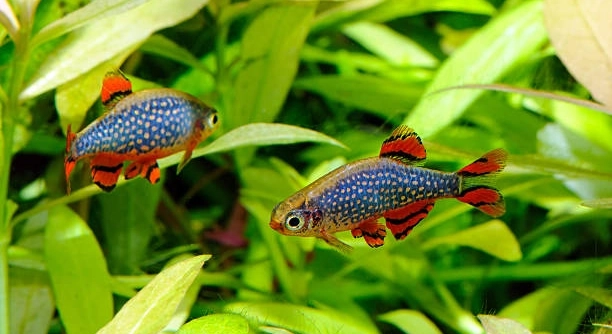
Have you ever noticed your danios swimming energetically and wondered if they are truly healthy and thriving in your aquarium? Observing their behavior can reveal much about their well-being and overall condition in the tank environment.
Flourishing danios display vibrant coloration, consistent swimming patterns, regular feeding behavior, and active social interaction. These indicators reflect optimal water quality, balanced nutrition, and proper tank conditions, confirming the fish are maintaining strong health and adapting well to their habitat.
Recognizing these signs allows you to ensure your danios continue to grow and stay healthy while maintaining a harmonious aquarium environment.
Vibrant Colors
Healthy danios show bright and consistent colors. When I first noticed my own danios’ stripes becoming sharper, it was a clear sign they were thriving. Color reflects their diet and water conditions. Pale or dull colors usually indicate stress, poor water quality, or nutritional deficiencies. Regular feeding of high-quality flakes or frozen foods helps maintain their natural hues. Proper lighting also enhances their appearance, making each fish more noticeable in the tank. Observing color changes daily can help detect problems early. Even small variations can indicate early signs of illness or stress, so I pay close attention to each fish’s shade and patterns. Plants and decorations create contrast, allowing colors to stand out, but the natural vibrancy is a true indicator of their health. Over time, I learned that maintaining stable water parameters keeps their colors consistent and bright, which reflects overall flourishing behavior.
Vibrant colors are a direct reflection of good care, balanced nutrition, and a stress-free environment in the tank.
Consistent observation of your danios’ coloration helps track their health over time. When colors fade, adjustments in diet or water maintenance are needed immediately. High-quality food rich in protein and vitamins supports natural pigments. Lighting schedules that mimic natural day-night cycles also promote brighter colors. I rotate foods between flakes, pellets, and occasional frozen treats to maintain variety. Additionally, clean water and regular partial water changes prevent the buildup of toxins that can dull color. Plants and ornaments provide hiding spots, reducing stress and enhancing natural hues. Color monitoring is a simple but effective way to gauge the general well-being of your danios without invasive testing.
Energetic Swimming
Energetic swimming indicates that your danios are healthy and comfortable.
Active swimming patterns show strength and adaptation to the tank. Danios that dart around and interact with each other reflect proper exercise and mental stimulation.
Watching my danios glide smoothly through the water is reassuring. They form small schools, twist around plants, and explore the aquarium constantly. Lack of energy can signal illness, poor water conditions, or nutritional deficits. I noticed that introducing varied decorations and floating plants encourages more movement, keeping them engaged. Flow from the filter also gives them a natural resistance to swim against, promoting muscle development and stamina. When I observe synchronized schooling and sudden bursts of speed, I know the tank is balanced and my fish are not stressed. Temperature stability, oxygen levels, and adequate space all contribute to energetic behavior. Even subtle changes in swimming patterns are informative, allowing early intervention. Their lively presence transforms the tank from a static display into an active, vibrant space. Careful observation of swimming habits is one of the simplest ways to measure overall health in danios.
Healthy Appetite
A healthy appetite is a clear sign that your danios are thriving. They eagerly approach food during feeding times and consume it consistently, showing no signs of hesitation or distress.
When my danios eat regularly and finish their meals, it reassures me that they are getting proper nutrition. Skipping meals or refusing food can indicate stress, illness, or poor water quality. I rotate their diet between high-quality flakes, frozen bloodworms, and occasional brine shrimp to ensure balanced nutrition. Observing how quickly they respond to food also helps gauge their energy levels. Maintaining a stable feeding schedule keeps them active and supports growth, while overfeeding can cause water issues. Watching them eat with consistent enthusiasm is one of the easiest ways to monitor overall health and well-being.
I pay attention to subtle changes in feeding behavior. Even minor hesitation or preference changes can signal underlying problems. Providing small, measured portions multiple times a day prevents overeating and keeps water clean. Proper diet variety encourages natural instincts and maintains vitality, making my aquarium a healthy space where danios flourish without stress or competition over food.
Active Social Behavior
Danios that interact and swim together show strong social behavior, which reflects their health and comfort in the tank. Watching them coordinate movements is reassuring.
I notice that my danios form small groups, chase each other playfully, and occasionally nibble at surfaces together. These interactions indicate they are comfortable and stress-free. Fish that isolate themselves or appear lethargic may be struggling with illness or environmental issues. Providing enough space and hiding spots ensures everyone can express natural social behavior. Flow from the filter helps them maintain schooling patterns, while plants and decorations offer areas to rest and explore safely. Encouraging social activity strengthens their health and reduces aggressive tendencies.
Observing social dynamics helps me maintain harmony in the tank. I occasionally adjust decor or rearrange plants to stimulate exploration and interaction. These changes encourage playful chasing and coordinated swimming while reducing boredom. Fish that engage consistently are usually eating well, maintaining bright colors, and showing normal swimming patterns. Social activity also allows them to exercise muscles naturally, improving endurance. Overall, fostering these interactions ensures that my danios remain active, healthy, and fully adapted to their aquarium environment.
Smooth Scales
Smooth and intact scales are a reliable indicator of healthy danios. Scales should lie flat against the body without any rough patches, tears, or signs of infection.
I check each fish regularly to ensure no damage or discoloration appears. Rough or raised scales can signal disease, parasites, or poor water conditions.
Clear Eyes
Clear, bright eyes show that danios are healthy and free of infection. Cloudy or swollen eyes often indicate illness or stress.
Maintaining clean water, proper diet, and stable tank conditions supports eye health. I have noticed that when my danios’ eyes remain clear, they are more active and responsive, which reassures me that the overall tank environment is well-maintained.
Regular Breathing
Steady and calm gill movement is essential for healthy danios. Rapid or irregular breathing signals stress or poor water quality.
Observing my fish during feeding and rest confirms that oxygen levels and filtration are sufficient. Proper aeration and temperature control help maintain consistent breathing patterns, which is crucial for their overall health.
FAQ
How often should I feed my danios?
I feed my danios small portions two to three times a day. Overfeeding can quickly pollute the water, while underfeeding affects growth and energy. I make sure they finish their food within a few minutes and remove any leftovers to maintain clean water.
What type of food is best for danios?
High-quality flake food works well for daily feeding, but I also supplement with frozen bloodworms, brine shrimp, or daphnia occasionally. This variety provides essential nutrients, supports color, and encourages natural foraging behaviors. Rotating foods prevents boredom and ensures balanced nutrition.
How can I tell if my danios are stressed?
Signs of stress include clamped fins, pale colors, hiding excessively, or erratic swimming. I pay attention to these behaviors because stress can weaken immunity and lead to illness. Adjusting water parameters, reducing sudden changes, and providing hiding spots helps them feel secure.
What water conditions do danios prefer?
Danios thrive in temperatures between 72-78°F, a pH of 6.5-7.5, and moderate hardness. I regularly test the water to ensure stability, because sudden fluctuations can cause stress or illness. A well-filtered tank with gentle flow supports their energetic swimming habits.
How do I encourage social behavior in my danios?
Keeping at least five or six danios together promotes schooling. I add plants and decorations to create zones, which encourages interaction and reduces aggression. Observing them chase and follow each other reassures me that they are comfortable and active.
How often should I perform water changes?
I do partial water changes of 20-30% every week to maintain water quality. This removes waste, prevents toxin buildup, and keeps fish healthy. Regular monitoring of ammonia, nitrites, and nitrates ensures a safe environment for thriving danios.
Can danios live with other fish?
Danios are generally peaceful and can coexist with similar-sized, non-aggressive species. I avoid slow-moving or very delicate fish, as danios are fast swimmers. Observing interactions carefully ensures all tank mates remain safe and stress-free.
What are common signs of illness?
Symptoms like faded colors, frayed fins, lethargy, or rapid breathing indicate health problems. I separate sick fish promptly and test water parameters. Early intervention with proper care or treatment improves their chances of recovery and maintains tank harmony.
Do danios need plants in their tank?
Plants provide hiding spots, reduce stress, and improve water quality. I include both live and artificial plants to create a natural environment. Danios use them for exploration and as resting spots, which encourages natural behavior and keeps them active.
How can I maintain bright colors in my danios?
A varied diet, clean water, and stable conditions are key. I notice that when I rotate foods and avoid overcrowding, colors remain vivid. Proper lighting also enhances their appearance, making each danio look vibrant and healthy.
How long do danios typically live?
With proper care, danios can live 4-6 years. I track their growth and health regularly. Consistent water quality, a balanced diet, and active social interaction contribute to their longevity, allowing them to flourish in a well-maintained tank.
What should I do if danios stop swimming actively?
Reduced activity often signals stress, illness, or poor water conditions. I check temperature, oxygen levels, and water quality immediately. Adjusting these factors and observing feeding behavior helps restore normal activity and ensures their health is maintained.
Is tank size important for danios?
Yes, danios are active swimmers and need space. I keep a minimum of 20 gallons for a small group. Larger tanks allow more movement, reduce stress, and support schooling behavior, which is essential for their well-being.
How can I tell if my danios are happy?
Happy danios swim energetically, interact socially, display bright colors, and eat consistently. I monitor these signs daily, and seeing them explore, chase, and maintain normal behaviors reassures me that they are thriving in the tank environment.
What should I avoid when caring for danios?
I avoid overfeeding, overcrowding, sudden temperature changes, and aggressive tank mates. These factors can stress fish and harm health. Maintaining consistent care routines, regular water changes, and a balanced diet keeps danios flourishing over time.
How do I introduce new danios to my tank?
I quarantine new fish for at least two weeks to prevent disease introduction. Gradually acclimating them to temperature and water chemistry ensures smooth integration. Monitoring their behavior during this period helps me maintain a harmonious group in the main tank.
Can danios tolerate cooler water?
They are fairly tolerant but thrive best in stable temperatures. Sudden drops can stress them, while prolonged cooler water slows metabolism. I aim to keep the tank within their preferred range to maintain energy levels and healthy activity.
What equipment is essential for a danio tank?
A reliable filter, heater (if needed), proper lighting, and test kits are essential. I use a gentle water flow and include aeration if required. These tools ensure water quality, temperature stability, and optimal living conditions for my danios.
How do I prevent aggression among danios?
Maintaining a group of at least five danios, providing hiding spots, and avoiding overcrowding minimizes aggression. I monitor interactions regularly and separate any overly aggressive fish to maintain a calm and balanced environment.
Are danios suitable for beginners?
Yes, they are hardy and adaptable with proper care. I found them easy to maintain, requiring regular feeding, clean water, and monitoring. Their active behavior and bright colors make them rewarding to keep in a well-maintained tank.
Observing your danios closely is the best way to understand their health and overall well-being. Over time, I realized that small, consistent actions make a big difference in keeping them happy and thriving. Simple habits like monitoring their swimming patterns, watching for changes in color, and checking feeding behavior provide clear insight into their condition. Maintaining clean water and stable tank conditions is essential. I learned that even minor fluctuations in temperature or pH can stress the fish, causing changes in energy or appetite. Regular partial water changes, proper filtration, and careful feeding routines all contribute to creating an environment where danios can flourish. Paying attention to these details ensures that the fish remain energetic, social, and vibrant. Observing their interactions and daily habits helps me detect potential issues early, which makes managing the tank much easier and keeps the fish healthy over the long term.
Nutrition also plays a key role in maintaining the vitality of danios. I rotate their diet between high-quality flakes, frozen foods like bloodworms or brine shrimp, and occasional live treats. This variety not only supports their physical health but also encourages natural foraging behaviors. Bright coloration, active swimming, and consistent appetite are all signs that their nutritional needs are being met. Overfeeding, however, can quickly deteriorate water quality, leading to stress and potential health problems. I learned that providing small, measured portions multiple times a day works best, as it keeps them active and prevents leftover food from polluting the tank. By balancing proper diet and water maintenance, I can ensure my danios remain vibrant and strong. Nutrition, combined with stable water conditions, creates the foundation for a thriving aquarium where fish can display natural behaviors without unnecessary stress or disease.
Social behavior and space are equally important for danios to flourish. They are schooling fish, which means they thrive in groups and interact actively with each other. I keep at least five or six together to ensure healthy social dynamics. When they chase each other, swim in coordinated patterns, or explore the tank together, it is a strong indication that they are comfortable and stress-free. Providing hiding spots, plants, and decorations encourages exploration while giving shy fish places to retreat when needed. Tank size also matters because crowded conditions can lead to aggression or stress. Observing their social interactions over time helps me identify issues quickly and adjust the environment as needed. By maintaining appropriate group sizes, clean water, stable conditions, and proper nutrition, I can create a balanced and harmonious tank. These consistent care habits ensure that my danios live active, healthy lives and continue to thrive in their aquarium home.

Hello,
If you enjoy the content that we create, please consider saying a "Thank You!" by leaving a tip.
Every little bit helps us continue crafting quality advice that supports the health, happiness, and well-being of pets around the world, for pets of all shapes, sizes, and species.
We really appreciate the kindness and support that you show us!