
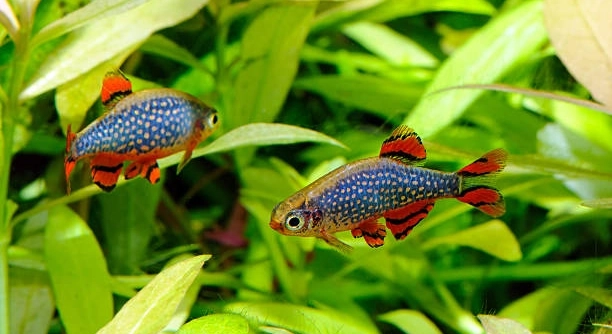
Are your celestial pearl danios swimming restlessly in a bare tank, lacking hiding spots and shade? Floating plants can create a gentle, natural cover while softening the light in your aquarium. Their presence adds charm and security.
The best floating plants for celestial pearl danios include species like Salvinia, Frogbit, Water Sprite, Duckweed, Amazon Frogbit, Red Root Floaters, and Water Lettuce. These plants provide surface cover, improve water quality, and support a stable and comfortable environment.
Choosing the right floating plants enhances both the beauty of your tank and the well-being of your fish. Selecting hardy, easy-to-maintain species makes care much simpler and more enjoyable.
Salvinia: A Lightweight Floating Option
Salvinia is a delicate fern that floats easily on the water surface. Its small, velvety leaves form dense mats that provide excellent shade and cover for celestial pearl danios. These plants reduce light penetration, which can calm shy or stressed fish. Salvinia grows quickly under moderate light and does not need nutrient-rich water, making it low-maintenance. Regular trimming prevents overcrowding, ensuring water circulation is not blocked. This plant also helps absorb excess nutrients, reducing algae growth. Its roots hang into the water, giving danios a place to explore and hide. Salvinia pairs well with other floating plants, creating a layered effect that makes the tank more natural and visually appealing. While it thrives best in a stable tank, it tolerates a range of water conditions, making it a practical choice for beginners and experienced aquarists alike. Its gentle movement on the water surface adds a soft, natural touch to any aquarium setup.
Salvinia requires minimal care and offers consistent coverage for small fish, making it a practical choice for easy maintenance.
Including Salvinia enhances the tank’s visual appeal and creates a safer, more comfortable environment for celestial pearl danios. Its rapid growth and nutrient absorption improve water quality, reducing the risk of algae blooms. Additionally, the hanging roots give fish a space to explore, feed, and hide, mimicking their natural habitat. Regular trimming is simple and prevents overcrowding, maintaining proper circulation and light penetration. Combining Salvinia with other floating species can create layers of shade, making the aquarium feel more dynamic and natural. The plant’s low maintenance requirements and adaptability to different water conditions make it a versatile option for both beginners and experienced aquarists seeking a healthy and attractive aquatic environment.
Frogbit: Dense Shade and Shelter
Frogbit produces round, green leaves that float on the water surface, creating dense shade that protects celestial pearl danios.
Frogbit grows rapidly and offers excellent shelter, keeping fish calm and promoting natural behaviors. It helps control nutrients, reducing algae growth.
This plant is ideal for tanks with moderate lighting and calm water. Its roots hang beneath the leaves, giving danios places to explore or hide. The dense foliage reduces strong lighting that can stress shy fish, and it provides a safe surface for spawning or resting. Frogbit is easy to propagate; simply divide the floating crowns and let them spread naturally. While fast-growing, it requires occasional thinning to prevent overgrowth, which can otherwise limit water flow. Frogbit pairs well with other floating or submerged plants to create a layered and natural look. Its vibrant green leaves add color contrast while supporting a stable environment. Over time, Frogbit helps maintain balanced nutrient levels, preventing excess algae and contributing to a healthy tank ecosystem for celestial pearl danios.
Water Sprite
Water Sprite is a versatile plant that can float or root in substrate, offering excellent cover for celestial pearl danios. Its feathery leaves create shaded areas and provide a natural look, reducing stress for small, shy fish.
Floating Water Sprite grows quickly in moderate light, spreading delicate, lace-like leaves across the water surface. Its roots hang into the water, giving danios hiding spaces and grazing areas. The plant helps absorb excess nutrients, limiting algae growth and improving overall water quality. Regular trimming keeps it from overcrowding the tank, while its adaptability allows it to thrive in various water conditions, making it a practical choice for a low-maintenance aquarium. Its dense foliage creates a safe and stimulating environment for active fish, encouraging natural behaviors like exploring and feeding.
This plant’s dual growing options make it flexible for aquarium design. Whether floating or anchored, Water Sprite provides both shelter and aesthetic appeal. Its ability to improve water quality adds another layer of benefit, ensuring celestial pearl danios remain healthy. Additionally, the plant’s soft leaves are gentle on delicate fins, making it compatible with small, sensitive species. Maintaining the plant is simple, as occasional trimming and monitoring prevent overcrowding. Combining Water Sprite with other floating plants enhances the tank’s structure, offering shade and hiding spaces while keeping the aquarium visually interesting.
Duckweed
Duckweed forms a dense green mat on the water surface, offering shade and shelter for celestial pearl danios. Its small size allows it to cover the tank without taking too much space.
This fast-growing plant helps absorb excess nutrients, improving water quality and reducing algae growth. Its tiny roots hang into the water, giving danios places to graze and explore. Duckweed thrives in moderate lighting and requires minimal care, making it suitable for both beginners and experienced aquarists. It spreads quickly, so regular thinning is necessary to prevent overcrowding and ensure proper light penetration for submerged plants. The plant’s lightweight nature allows it to float easily, moving gently with water currents, which creates a natural, dynamic effect in the tank.
Duckweed enhances tank aesthetics while creating a protective environment for celestial pearl danios. Its rapid growth provides continuous coverage, which helps fish feel secure. The plant also supports biological balance by absorbing excess nutrients that could otherwise promote algae. Easy maintenance makes it a practical choice, requiring only occasional removal to prevent overcrowding. Additionally, Duckweed encourages natural feeding behaviors as fish nibble on its tiny roots. Pairing it with other floating plants creates a multi-layered canopy that adds both visual depth and functional benefits, keeping the aquarium healthy and engaging.
Amazon Frogbit
Amazon Frogbit floats naturally on the water surface, forming thick, round leaves that create ample shade for celestial pearl danios. Its roots hang below, giving fish safe spaces to explore or hide.
This plant grows rapidly under moderate lighting. Its dense coverage reduces stress for shy fish and helps control nutrient levels, keeping the tank balanced.
Red Root Floaters
Red Root Floaters offer vibrant color and surface cover for danios. Their long red roots hang into the water, providing grazing areas and shelter.
This plant thrives in nutrient-rich water and moderate lighting. It grows quickly, so occasional thinning is necessary to maintain proper light penetration and water flow.
Water Lettuce
Water Lettuce floats on the surface with soft, rosette-like leaves. Its roots extend into the water, giving celestial pearl danios shaded hiding spaces and natural grazing areas.
The plant grows best in calm tanks with moderate light, providing both aesthetic appeal and functional benefits for a healthy aquarium environment.
FAQ
What are the benefits of floating plants for celestial pearl danios?
Floating plants provide shade and shelter, helping danios feel secure in the aquarium. They reduce strong light, which can stress shy fish, and offer areas for exploration and grazing. Their roots create a natural environment that encourages natural behaviors, including feeding and resting.
How often should I trim floating plants?
Trimming depends on growth rate and tank size. Fast-growing plants like Duckweed or Frogbit may need weekly thinning. Removing excess leaves ensures proper light penetration and maintains water circulation. Regular maintenance prevents overcrowding and keeps both fish and plants healthy.
Can floating plants survive without fertilization?
Many floating plants, such as Salvinia or Water Sprite, can thrive without additional fertilization if the aquarium has fish. Fish waste provides nutrients for growth. However, adding liquid fertilizers or root tabs can help slower-growing species or maintain vibrant colors in low-nutrient tanks.
Are floating plants safe for all aquarium fish?
Floating plants are generally safe for most small community fish, including celestial pearl danios. Fish can nibble on roots without harm. Avoid plants with sharp or thick leaves that could injure delicate fins. Some large or aggressive fish may uproot or damage floating plants, so choose species carefully.
Do floating plants help control algae growth?
Yes, floating plants absorb excess nutrients like nitrates and phosphates from the water. By competing for these nutrients, they limit algae growth. Dense coverage also reduces sunlight reaching lower levels, which can inhibit algae development, keeping the aquarium cleaner and healthier.
How do I prevent floating plants from covering the entire tank?
Regular thinning is key. Removing excess plants or manually spacing them helps maintain surface coverage without blocking light for other plants. Some aquarists use floating barriers or nets to control spread. Ensuring a balance between coverage and open water keeps fish comfortable.
Can floating plants survive in low-light aquariums?
Some floating plants, like Salvinia and Red Root Floaters, tolerate low-light conditions. However, most will grow slower and may lose vibrant color without adequate lighting. Moderate to bright indirect light usually produces healthier plants and faster growth while supporting a balanced ecosystem.
Is it necessary to anchor floating plants?
Floating plants do not need anchoring; they naturally drift and stay on the surface. Anchoring is optional for aesthetic purposes or to prevent movement in tanks with strong currents. Roots hanging freely are beneficial for fish and provide natural grazing areas.
How do floating plants affect water quality?
Floating plants improve water quality by absorbing excess nutrients and providing surface cover, which can reduce evaporation and stabilize temperature. Their roots create microhabitats for beneficial bacteria, supporting biological filtration. Maintaining healthy plants contributes to a balanced and clean aquarium environment.
Can floating plants reproduce in my aquarium?
Yes, most floating plants reproduce quickly. Duckweed, Frogbit, and Salvinia produce runners or daughter plants that spread naturally. Regular monitoring and thinning prevent overcrowding. Propagation is simple and sustainable, offering continuous coverage and maintaining a natural, healthy environment for celestial pearl danios.
How do I choose the best floating plants for my tank?
Consider tank size, lighting, and fish behavior. Small, gentle fish benefit from soft-leaved plants like Frogbit or Water Lettuce. Fast growers like Duckweed or Salvinia are low-maintenance and provide continuous coverage. Choose plants that tolerate your water conditions and complement other planted species.
Can floating plants survive in cold water?
Some floating plants tolerate cooler temperatures, but many thrive in tropical conditions typical for celestial pearl danios. Water Lettuce and Red Root Floaters prefer warmer, stable conditions. Cold water may slow growth or cause leaves to yellow, so select species compatible with your tank temperature.
Do floating plants need CO2 supplementation?
CO2 is not necessary for most floating plants. They can grow well using nutrients in the water column. CO2 can enhance growth and color for some species but is generally optional, especially in community tanks with fish that provide natural nutrient input.
Are floating plants compatible with planted tanks?
Yes, they complement submerged plants by providing shade and absorbing excess nutrients. Proper spacing is important to ensure light reaches lower plants. Combining floating and rooted plants creates layered habitats, improving tank aesthetics and offering fish both open swimming areas and sheltered zones.
Can floating plants survive in hard or soft water?
Most floating plants adapt to a wide range of water hardness. Salvinia, Duckweed, and Water Sprite tolerate soft to moderately hard water. Checking species-specific requirements ensures optimal growth and prevents issues like slowed growth, yellowing leaves, or decay.
How do I remove floating plants safely?
Use a small net or gently scoop by hand. Avoid pulling aggressively, which can disturb the substrate or other plants. Frequent monitoring allows for easy removal, prevents overcrowding, and maintains proper light and water circulation throughout the tank.
Do floating plants require specific pH levels?
Floating plants are adaptable to a range of pH levels, typically between 6.0 and 7.5. Extreme pH values may stunt growth or damage leaves. Maintaining stable water chemistry supports healthy plants and ensures celestial pearl danios remain comfortable and stress-free.
Can floating plants help with breeding celestial pearl danios?
Yes, dense floating plants offer shade and protection, encouraging natural breeding behaviors. Spawning pairs use roots and leaves as shelter, while fry find refuge among roots, reducing predation and increasing survival rates in a community tank.
How do I deal with overcrowded floating plants?
Regular thinning and manual removal prevent overcrowding. Overcrowding blocks light, reduces oxygen exchange, and can stress fish. Spacing plants evenly ensures adequate light for submerged plants and maintains healthy water conditions for all inhabitants.
Are there any floating plants that are difficult to maintain?
Some species, like Water Lettuce, require stable water temperature and moderate care. Fast-growing plants may still need frequent thinning to prevent overgrowth. Choosing hardy species like Salvinia or Frogbit simplifies maintenance while still offering shade and shelter.
What signs indicate floating plants are unhealthy?
Yellowing, browning, or wilting leaves, slowed growth, or sinking plants indicate nutrient deficiencies, poor lighting, or unsuitable water conditions. Prompt action, such as trimming or adjusting tank conditions, helps restore plant health and maintain a stable environment.
Floating plants are a practical and beneficial addition to any celestial pearl danio aquarium. They provide essential shade and cover, helping fish feel secure and reducing stress. The gentle movement of floating plants on the water surface creates a natural environment that encourages natural behaviors, such as exploring, grazing, and resting. Different species offer different advantages, from fast-growing Duckweed and Frogbit to larger, more decorative Water Lettuce. Choosing the right combination of floating plants can enhance both the visual appeal of the tank and the comfort of its inhabitants. The roots of these plants hang into the water, creating small hiding places and surfaces for fish to interact with, adding layers of enrichment to their habitat. Additionally, floating plants help maintain water quality by absorbing excess nutrients, which can reduce algae growth and support a more balanced aquarium ecosystem.
Maintenance for floating plants is generally straightforward but requires regular attention. Fast-growing species may need trimming or thinning to prevent overcrowding, which can block light from reaching submerged plants and reduce water circulation. Some plants, like Salvinia and Red Root Floaters, are particularly easy to maintain and adapt well to a range of water conditions. Others, such as Water Lettuce, may require slightly more care, including stable temperatures and adequate lighting. By monitoring plant growth and performing simple upkeep, you can ensure that the floating plants continue to provide benefits without becoming a problem. Their presence can also indirectly support the health of your fish by helping to create a more natural and balanced environment, which contributes to their overall well-being. Combining floating plants with other aquatic plants or decorations further enhances the tank’s structure, giving celestial pearl danios a variety of spaces for swimming, hiding, and exploring.
Selecting the best floating plants involves considering tank size, lighting, water conditions, and the specific needs of your fish. Hardy, low-maintenance species are ideal for beginners, while more decorative or fast-growing plants can be added for visual interest and functional benefits. Over time, floating plants can become a defining feature of your aquarium, offering both beauty and utility. They create a softer, more natural atmosphere while improving water quality and providing shelter for shy or small fish. Whether used individually or in combination, floating plants contribute to a balanced and healthy tank environment. By observing your celestial pearl danios and adjusting plant coverage and placement as needed, you can create a harmonious space where fish thrive and the aquarium remains visually appealing. Proper care and selection of floating plants ensure that both the plants and the fish coexist successfully, supporting long-term tank stability and enjoyment.

Hello,
If you enjoy the content that we create, please consider saying a "Thank You!" by leaving a tip.
Every little bit helps us continue crafting quality advice that supports the health, happiness, and well-being of pets around the world, for pets of all shapes, sizes, and species.
We really appreciate the kindness and support that you show us!