
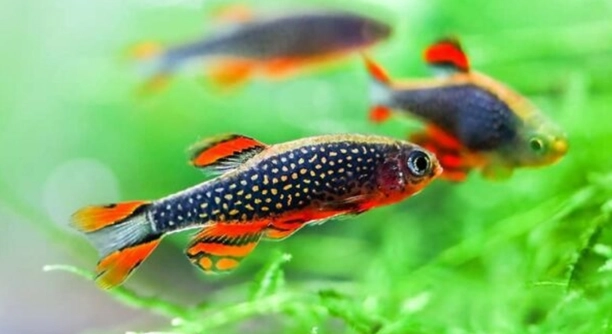
Danios are lively freshwater fish often admired for their active swimming and vibrant colors. Many aquarium enthusiasts enjoy keeping them in community tanks, but their health can be affected by changes in water temperature, which may go unnoticed.
Sudden fluctuations in water temperature can significantly stress Danios, impacting their immune system, metabolism, and behavior. Maintaining a stable thermal environment is crucial, as repeated swings can lead to illness, weakened resilience, and reduced overall lifespan in these delicate fish.
Recognizing temperature swings and their impact is essential for a healthy aquarium. This guide will highlight common causes and offer ways to minimize stress for your Danios.
Rapid Heater Malfunctions
A sudden heater failure can lead to immediate drops or spikes in water temperature, which Danios are highly sensitive to. Even brief exposure to cold water can slow their metabolism, making them lethargic and less responsive. Conversely, sudden warmth can increase activity to unsafe levels, stressing their cardiovascular system. It is essential to regularly check heaters for proper function and ensure that thermostats are accurate. Using a backup heater or an alert system can prevent extreme fluctuations, maintaining a stable environment. Monitoring water temperature daily and performing small, consistent adjustments instead of large, abrupt changes also helps the fish adapt without undue stress. In community tanks, consider the needs of all species present, as some may tolerate different temperatures, potentially affecting Danios if conditions shift too quickly. Consistency is key, and proper maintenance routines reduce risks, keeping your Danios healthy and active. Being proactive with equipment care ensures that temperature swings remain minimal and manageable.
Regular heater checks prevent sudden stress and long-term health issues in Danios.
Even when everything seems fine, small unnoticed changes can accumulate. Overheating or chilling may go unnoticed until the fish show signs of distress, such as clamped fins or unusual swimming patterns. Maintaining steady conditions is easier than correcting problems after damage occurs, and daily attention ensures timely intervention. Preventing large fluctuations safeguards immunity and promotes natural behavior, supporting long-term well-being for your Danios in their tank environment.
Rapid Room Temperature Shifts
Room temperature changes can alter water temperature faster than expected.
When tanks are placed near windows, doors, or heating vents, external conditions can influence water temperature, causing stress to Danios. Morning sunlight may warm the tank while night air cools it, creating repeated cycles of temperature swings. Using insulation, aquarium covers, or moving tanks to a more stable location can reduce these effects. Monitoring the tank with reliable thermometers allows early detection and adjustments. Even subtle shifts over days can weaken the fish’s resilience, making them prone to illness. Adjusting room conditions gradually, rather than allowing abrupt changes, keeps the tank stable. Avoid placing tanks in drafty areas or near heat sources, as these can compound natural daily temperature variations. Simple steps, like closing blinds or using consistent heating, contribute significantly to the comfort and health of your Danios. Stable environments reduce stress and support natural activity patterns and feeding behavior, ensuring your fish thrive.
Infrequent Water Changes
Neglecting regular water changes can allow temperature inconsistencies to build up over time. Stale water reacts differently to heaters, causing fluctuations that stress Danios and affect their immune system, growth, and overall behavior.
Infrequent water changes can lead to uneven temperature distribution, especially in larger tanks. When water sits too long, it loses heat retention efficiency and may respond slowly to heater adjustments. This creates areas of the tank that are warmer or cooler than intended, forcing Danios to swim between uncomfortable zones. Over time, these repeated minor stresses can lower their resistance to disease and reduce activity levels. Implementing a consistent water change schedule helps maintain uniform temperatures, removes waste, and supports overall tank stability, reducing the risk of stress-related illnesses.
Performing smaller, more frequent water changes is more effective than sporadic large changes. Sudden large water replacement can shock the system, creating rapid temperature shifts that Danios find difficult to handle. Gradual adjustments keep the environment stable and healthier.
Poor Thermometer Placement
Placing thermometers in the wrong spot can give inaccurate readings, leading to unnoticed temperature swings.
A thermometer positioned too close to the heater or a drafty area can misrepresent the actual tank temperature. Danios rely on a consistent environment, and inaccurate readings may result in unintentional overheating or chilling. Monitoring multiple points in the tank ensures better accuracy, helping maintain stable conditions.
Even a high-quality thermometer fails if placed incorrectly. It should be located away from direct heater output and away from areas affected by air drafts or sunlight. Multiple monitoring points give a realistic picture of overall tank temperature. Regularly calibrating thermometers or comparing readings with a secondary device ensures reliability. By knowing the true conditions, adjustments can be made slowly and safely, preventing stress. Consistent temperature control promotes healthier activity, feeding, and growth patterns, minimizing the risk of long-term health issues for Danios.
Nighttime Temperature Drops
Nighttime cooling can lower tank temperatures more than expected, affecting Danios’ metabolism and activity.
Covering the tank or using gentle heaters can reduce sudden drops. Consistent night temperatures help Danios maintain normal behavior and feeding patterns.
Overcrowding
Too many fish in a tank increases stress and heat production, causing temperature instability. Maintaining proper stocking levels ensures a stable environment, allowing Danios to thrive without competing for space or oxygen, which supports health and natural behavior.
Direct Sunlight Exposure
Direct sunlight can heat the tank rapidly, causing dangerous spikes in water temperature. Even brief exposure can stress Danios, so tanks should be positioned away from windows or shaded areas to maintain consistent conditions.
FAQ
How can I tell if my Danios are stressed from temperature swings?
Signs of stress include clamped fins, sluggish swimming, loss of appetite, and unusual hiding behavior. Sudden aggression or lethargy may also indicate discomfort. Observing your fish daily helps catch early signs and allows adjustments before serious health issues develop.
What is the ideal temperature range for Danios?
Danios thrive between 72°F and 78°F (22°C–26°C). Maintaining this range consistently reduces stress, supports proper metabolism, and prevents illness. Small daily fluctuations are tolerable, but repeated large swings can weaken their immune system and shorten their lifespan.
How often should I monitor my tank temperature?
Daily checks are recommended. Even minor changes can accumulate and affect water stability. Using reliable thermometers in multiple locations within the tank ensures accurate readings. Regular observation helps prevent sudden temperature swings that may stress your Danios.
Can I use a heater with a thermostat for safety?
Yes, heaters with thermostats maintain stable water temperatures. They automatically adjust to fluctuations, reducing stress risks. A backup heater or alarm system can provide added security in case of failure. Regularly testing the heater ensures it functions correctly.
Are water changes risky for temperature stability?
Water changes can cause temporary fluctuations if new water differs in temperature. Pre-heating replacement water to match tank temperature helps prevent sudden shifts. Performing smaller, more frequent changes is safer than infrequent large ones, keeping conditions steady and stress-free.
Does tank placement affect temperature swings?
Yes, tanks near windows, doors, or heating/cooling vents are prone to sudden shifts. Moving the tank to a stable area and shielding it from sunlight or drafts maintains consistent water conditions, reducing stress for Danios.
What should I do if my heater fails?
Immediately replace or repair the heater and use temporary measures, like insulated covers or a second heater, to maintain warmth. Rapid action prevents dangerous temperature drops that can compromise health. Monitoring closely after failure is essential to ensure recovery.
Can overcrowding worsen temperature swings?
Yes, too many fish increase metabolic heat and oxygen use, affecting water stability. Maintaining proper stocking levels helps ensure even temperature distribution and reduces stress from environmental instability. Danios need space to swim freely without constant exposure to temperature fluctuations.
Is direct sunlight harmful to Danios?
Yes, sunlight can quickly raise tank temperatures. Even brief exposure may shock Danios, affecting their behavior and health. Positioning tanks away from windows or using blinds and shading helps maintain a consistent, safe environment.
How can I reduce nighttime temperature drops?
Insulating the tank or using gentle heaters at night prevents rapid cooling. Maintaining consistent night temperatures helps Danios maintain normal activity and feeding patterns, reducing stress and supporting overall health.
Can multiple monitoring points help manage temperature?
Absolutely. Thermometers placed in different areas show variations that a single reading might miss. Calibrating devices ensures accuracy. This approach allows gradual adjustments and prevents sudden fluctuations, keeping Danios comfortable.
Are small fluctuations dangerous for Danios?
Minor, gradual changes are generally tolerated, but frequent or rapid shifts can accumulate stress. Consistency is more important than perfection. Preventing repeated large swings is key to maintaining health, activity, and long-term well-being.
Do different tank species affect temperature stability?
Yes, species with differing temperature preferences can complicate maintaining a consistent environment. Danios are sensitive, so consider compatibility carefully. Ensuring all species can tolerate similar ranges minimizes stress and supports healthy behavior.
How do I recover stressed Danios?
Stabilize water temperature immediately, provide high-quality food, and reduce environmental stressors. Observation is essential; recovery may take days. Gradual, consistent care restores immunity, activity, and natural behavior, allowing Danios to regain health without repeated shocks.
Danios are active and resilient fish, but they are highly sensitive to water temperature changes. Even small fluctuations can affect their metabolism, immune system, and overall behavior. Maintaining a stable temperature is essential for their health and longevity. By understanding the common sources of temperature swings, from heater malfunctions to room temperature variations, it becomes easier to protect Danios from stress. Regular monitoring and proper tank maintenance play a crucial role in preventing sudden drops or spikes. Simple practices, such as checking heaters, calibrating thermometers, and observing water levels during changes, contribute significantly to creating a stable environment. Danios are less likely to develop illness or show stress-related behaviors when they live in consistently controlled conditions.
Temperature control is not just about avoiding extremes; it is about consistency and predictability. Rapid swings, even if temporary, can have cumulative effects that weaken the fish over time. Ensuring that heaters are functioning correctly, water changes are gradual, and tanks are shielded from drafts or direct sunlight helps maintain balance. Additionally, considering the overall tank setup, including placement, stocking levels, and compatibility with other species, is equally important. Even small adjustments, like insulating a tank or monitoring multiple areas for temperature variation, make a noticeable difference. Fish respond to their environment in subtle ways, and paying attention to these details reduces stress and supports natural behaviors such as feeding and schooling. When temperature is consistent, Danios can remain active, vibrant, and healthy, which makes tank care more predictable and manageable.
Creating a stable aquatic environment for Danios requires ongoing attention and small, practical measures. Regular observation and careful maintenance prevent problems before they escalate. Simple steps, like pre-heating water for changes, ensuring heaters and thermometers work correctly, and keeping tanks away from temperature extremes, provide a safe and comfortable habitat. Monitoring fish behavior for signs of stress adds another layer of protection, helping to catch issues early. Over time, these practices build a strong foundation for the health and well-being of Danios. Maintaining stability in temperature allows them to thrive, displaying natural activity and color, while minimizing risk of disease or stress-related decline. By focusing on consistent care and environmental management, it is possible to ensure that Danios enjoy a long, healthy life in the aquarium.

Hello,
If you enjoy the content that we create, please consider saying a "Thank You!" by leaving a tip.
Every little bit helps us continue crafting quality advice that supports the health, happiness, and well-being of pets around the world, for pets of all shapes, sizes, and species.
We really appreciate the kindness and support that you show us!