
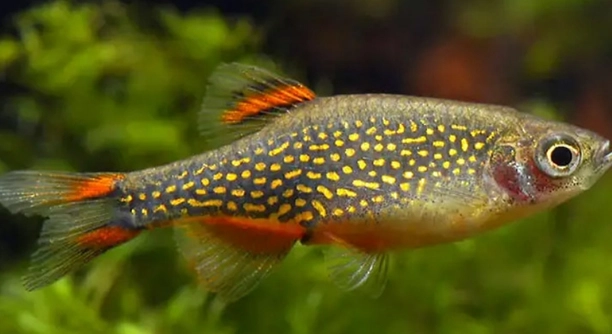
Fry growth and survival depend heavily on proper nutrition during their early stages. Many fish farmers and hobbyists may not realize that small dietary gaps can have lasting effects on fry development and overall health.
Nutritional deficiencies in fry diets can significantly hinder growth, weaken immune systems, and reduce survival rates. Essential vitamins, minerals, proteins, and fatty acids must be carefully balanced to ensure optimal development and long-term viability of the fry.
Identifying these gaps early allows for better feeding strategies and healthier fry populations in aquaculture and home breeding environments.
Lack of Essential Proteins
Proteins are critical for fry growth and development. Without enough high-quality protein, fry may experience stunted growth, weak muscles, and poor overall health. Many commercially available fry foods are not adequately balanced, leaving gaps that affect their ability to develop properly. Protein supports cell formation, organ development, and energy levels, making it a foundational nutrient for young fish. Overlooking the importance of protein in the early stages can lead to long-term issues, including increased susceptibility to disease and lower survival rates. Providing a diet with digestible, complete proteins ensures fry have the building blocks necessary to thrive. Live foods, such as brine shrimp or micro-worms, often provide superior protein content compared to dry flakes or powders. Combining these sources can create a balanced diet that encourages steady, healthy growth while maintaining proper metabolic function. Consistency in feeding and monitoring growth rates can help identify deficiencies before they cause irreversible damage.
Adequate protein intake is necessary for fry to develop strong bodies and maintain overall health. Missing this key nutrient slows growth.
Regularly assessing fry size and activity can help ensure protein levels are sufficient. Adjusting food types can improve development without overfeeding.
Insufficient Fatty Acids
Fats are essential for energy and brain development in fry. Omega-3 and omega-6 fatty acids support neural growth, enhance coloration, and improve immune response. Fry that lack proper fats may show slower growth, lethargy, and poor color development. Small fry have limited energy reserves, so including fats in their diet ensures they can sustain activity, digestion, and metabolism effectively. Live foods often contain natural fats, but formulated diets may need supplementation to meet requirements. Balancing fatty acids is as important as providing protein because it directly impacts organ function and long-term health. Observing fry behavior and growth patterns can indicate if fat levels are adequate. Proper inclusion of fats also improves nutrient absorption, ensuring that vitamins and minerals are efficiently utilized. By carefully managing fatty acid intake, fry can develop stronger bodies, better immunity, and vibrant coloration that reflects optimal health.
Fats contribute to energy, brain function, and coloration, making them vital in fry diets.
A consistent diet with adequate fatty acids supports physical and neural development. Over time, this leads to healthier, more resilient fry. It also ensures that other nutrients, such as fat-soluble vitamins, are properly absorbed, creating a balanced growth environment. Including natural sources like live prey or enriched feeds can provide the right type of fats while minimizing excess that could affect water quality. Monitoring fry activity and appearance will help indicate if dietary fats are sufficient, allowing for adjustments to maintain optimal growth and survival.
Vitamin Deficiencies
Vitamin deficiencies can cause slow growth, deformities, and weak immune systems in fry. Vitamins A, D, E, and K are especially important for organ development, skeletal formation, and overall health. Missing these can have lasting effects.
Regular supplementation or providing vitamin-rich foods ensures fry develop properly and resist diseases. Live foods like brine shrimp naturally contain many essential vitamins, while fortified flakes or powders help fill any gaps. Monitoring fry for signs of deficiencies, such as poor growth or color loss, allows timely adjustments. A balanced approach combining natural and supplemented sources is key to maintaining strong, healthy fry that thrive in their environment and reach maturity efficiently.
Proper vitamin levels improve growth rates, strengthen immunity, and enhance coloration. Fry without enough vitamins are more vulnerable to stress and disease.
Mineral Gaps
Minerals like calcium, phosphorus, and magnesium are essential for healthy bones, teeth, and metabolic function. Deficiencies can lead to deformities, poor growth, and reduced activity levels. Maintaining proper mineral balance supports overall development and fry resilience.
Minerals are often overlooked but critical in fry diets. Calcium and phosphorus are needed for skeletal strength, while magnesium contributes to enzymatic activity and energy production. Trace minerals, including zinc, iron, and iodine, are equally important for immune function and hormone regulation. Using mineral-enriched foods or supplements can prevent deficiencies that stunt growth or cause deformities. Regularly checking water quality also ensures mineral levels are sufficient, as deficiencies can occur from both diet and environmental factors. Fry thrive when mineral intake is consistent, contributing to strong bodies and improved survival rates.
Ensuring minerals are present in the diet promotes proper skeletal development and metabolic health. Balanced mineral intake directly affects long-term fry vitality and reduces developmental issues.
Inadequate Fiber
Fiber helps regulate digestion and supports gut health in fry. Without enough, fry may experience constipation, poor nutrient absorption, and slower growth. Including small amounts of plant-based or prepared fiber sources ensures a healthy digestive system.
A balanced fiber level also promotes beneficial gut bacteria, which aid in breaking down food and extracting essential nutrients. Overlooking fiber can indirectly affect energy levels and immunity, so even small amounts in the diet are valuable.
Low Antioxidant Intake
Antioxidants protect fry cells from oxidative stress and support immune function. Vitamins C and E are particularly important for reducing cellular damage. Regular inclusion of antioxidant-rich foods or supplements helps fry stay healthy and resist infections, especially in stressful or high-density environments.
Poor Water-Soluble Vitamin Levels
Water-soluble vitamins, like B-complex and C, are essential for energy metabolism, growth, and tissue repair. Deficiencies can result in slowed growth, lethargy, and weakened resistance to disease. These vitamins are not stored in the body, so consistent dietary supply is necessary to maintain proper levels.
Imbalanced Electrolytes
Electrolytes like sodium, potassium, and chloride are crucial for nerve function, osmoregulation, and muscle activity in fry. Inadequate electrolytes can lead to stress, reduced activity, and poor overall development, highlighting the need for proper dietary and environmental management.
FAQ
What are the most common nutritional gaps in fry diets?
The most frequent gaps include insufficient protein, essential fatty acids, vitamins, and minerals. Many commercially prepared foods fail to meet all nutritional requirements, leaving fry at risk for stunted growth, weak immune systems, and developmental deformities. Consistent supplementation or a mix of live and prepared foods helps fill these gaps.
How can I tell if my fry are not getting enough protein?
Signs of protein deficiency include slow growth, weak swimming, and smaller-than-expected body size. Fry may appear lethargic or fail to compete for food. Including high-quality protein sources, such as brine shrimp, micro-worms, or protein-enriched flakes, supports muscle development and overall health.
Why are fatty acids important for fry?
Fatty acids, especially omega-3 and omega-6, are crucial for brain development, energy production, and coloration. Fry without sufficient fats may be sluggish, show poor growth, and develop dull colors. Proper fatty acid levels also improve nutrient absorption and support organ function.
Which vitamins are most important for fry growth?
Vitamins A, D, E, and K are essential for skeletal development, immune function, and overall health. Water-soluble vitamins like C and the B-complex support metabolism, tissue repair, and energy production. Deficiencies can result in deformities, disease susceptibility, and stunted growth.
How do I provide minerals for fry?
Calcium, phosphorus, magnesium, and trace minerals like zinc and iron are necessary for bones, metabolism, and immune function. Mineral-rich feeds or supplements, along with proper water quality, ensure fry receive adequate levels. Deficiencies may cause skeletal deformities, weak growth, and poor activity.
Can live foods alone meet fry nutritional needs?
Live foods provide protein, fats, and vitamins, but they may lack certain minerals and antioxidants. Combining live foods with fortified flakes or powders ensures a balanced diet. Monitoring fry growth and health can help identify any remaining gaps that need attention.
How often should I feed fry to prevent nutritional gaps?
Frequent, small feedings are best. Fry have high metabolic rates and limited stomach capacity, so regular feedings prevent nutrient deficiencies and support steady growth. Overfeeding should be avoided, as it can pollute water and stress fry.
What role do antioxidants play in fry diets?
Antioxidants like vitamins C and E protect cells from damage, strengthen immunity, and reduce stress effects. Fry exposed to high-density environments or changing water conditions benefit from consistent antioxidant intake to maintain health and vitality.
How can I balance electrolytes in fry diets?
Electrolytes like sodium, potassium, and chloride regulate nerve and muscle function and support osmoregulation. Deficiencies can reduce activity and growth. Providing mineral-enriched feeds and maintaining stable water conditions helps fry maintain proper electrolyte balance.
Is it necessary to monitor fry for signs of nutritional gaps?
Yes, careful observation of growth, activity, coloration, and survival rates can indicate deficiencies. Early detection allows dietary adjustments to prevent long-term health problems and improve survival and development rates. Regular monitoring ensures a balanced and supportive feeding plan.
Can dietary adjustments correct past deficiencies?
Partial corrections are possible if deficiencies are identified early. Providing balanced nutrition can improve growth and immunity, though severe early-stage gaps may have lasting effects. Consistent, nutrient-rich diets help fry recover and continue healthy development.
Are there specific foods that prevent multiple gaps at once?
Certain live foods, like enriched brine shrimp, offer protein, fats, vitamins, and minerals. Supplementing with fortified flakes or powders ensures a more complete diet. Rotating food types and monitoring fry response helps maintain overall health.
How important is water quality in relation to nutrition?
Even the best diet is less effective if water quality is poor. Ammonia, nitrite, or pH imbalances can stress fry, reduce nutrient absorption, and impair growth. Maintaining clean, stable water complements nutritional strategies and supports healthy development.
What is the simplest way to start filling nutritional gaps?
Start by introducing high-quality live foods, then supplement with fortified flakes or powders. Observe fry growth and adjust feeding frequency. A balanced approach combining multiple food sources ensures fry receive protein, fats, vitamins, minerals, and antioxidants consistently.
How long does it take for fry to show improvement after correcting gaps?
Signs of improvement, like increased activity, better coloration, and growth, can appear within a few days to weeks, depending on the severity of deficiencies. Consistency in diet and monitoring are key for long-term recovery and healthy development.
Fry development is a delicate process that relies heavily on proper nutrition. Missing essential nutrients at an early stage can lead to slow growth, weak immune systems, and even deformities that affect survival later in life. Protein, fats, vitamins, minerals, and other key nutrients all play unique roles in supporting the physical and physiological needs of young fry. Providing a balanced diet from the start ensures that fry have the energy and building blocks necessary for healthy development. Live foods, like brine shrimp or micro-worms, often supply many of these essential nutrients naturally, while fortified flakes or powders can fill gaps that live foods might not fully cover. Consistent observation of fry behavior, growth, and coloration is important to identify any deficiencies early and adjust their diet accordingly. Neglecting nutrition in the early stages can result in long-term problems that may be difficult to correct later, so proactive care is essential for success in breeding or raising fry.
Beyond basic nutrition, other factors can influence fry health and growth. Water quality, feeding frequency, and environmental stability all interact with diet to affect development. Even a nutrient-rich diet will be less effective if water contains high levels of ammonia, nitrite, or other stress-inducing factors. Regular water changes, stable temperatures, and properly sized tanks are important for minimizing stress, which in turn allows fry to utilize nutrients more efficiently. Fry have limited stomach capacity and high metabolic demands, so small, frequent feedings are often better than fewer large meals. Overfeeding can create water quality issues and encourage harmful bacterial growth, which undermines the benefits of a balanced diet. By managing both diet and environment, it is possible to create conditions that maximize fry survival and promote steady, healthy growth. Understanding how these elements work together can make a noticeable difference in the strength, coloration, and activity of fry populations.
Long-term success with fry depends on consistency and attention to detail. Balanced nutrition, combined with proper water management and careful observation, allows fry to reach their full potential. Small adjustments to diet or environment, made early, can prevent developmental problems and reduce mortality rates. While raising fry can require patience, the payoff is healthier, more resilient fish that are less prone to disease and stress. Keeping track of growth patterns, feeding habits, and overall health makes it easier to identify when changes are needed, ensuring fry continue to thrive. By focusing on nutrient-rich diets and stable living conditions, it is possible to support strong skeletal development, improved coloration, and robust immune function. Maintaining this approach from the earliest stages creates a solid foundation for long-term success, whether for aquaculture purposes or personal breeding projects. A thoughtful, consistent approach helps fry develop into strong, healthy fish capable of thriving in their environment.

Hello,
If you enjoy the content that we create, please consider saying a "Thank You!" by leaving a tip.
Every little bit helps us continue crafting quality advice that supports the health, happiness, and well-being of pets around the world, for pets of all shapes, sizes, and species.
We really appreciate the kindness and support that you show us!