
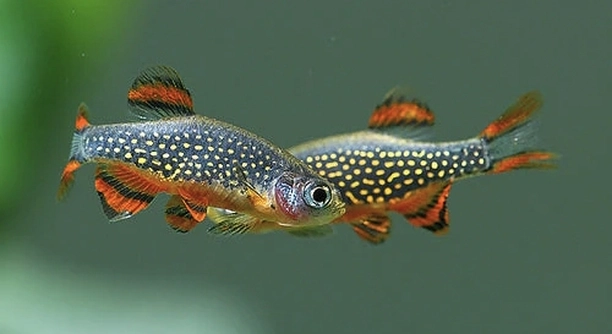
Small invertebrates can add life and interest to your aquarium without overwhelming your Celestial Pearl Danios. They are subtle companions, moving gracefully among plants and hiding spots, creating a balanced environment while enhancing the visual appeal of your tank.
Suitable invertebrates for coexistence with Celestial Pearl Danios include small shrimps, snails, and micro-crustaceans. These species are non-aggressive, occupy different ecological niches, and contribute to tank cleanliness and biodiversity without disturbing the danios’ natural behavior or habitat.
Observing these tiny companions interact with your fish can make the aquarium feel more alive and engaging, while promoting a harmonious and healthy aquatic environment.
Amano Shrimp
Amano shrimp are excellent tank companions for Celestial Pearl Danios. Their small size and peaceful nature make them ideal for planted tanks. They spend most of their time scavenging for algae and leftover food, helping to maintain cleanliness without disturbing the fish. These shrimp are highly adaptable to various water conditions, thriving in temperatures between 22°C and 28°C and a pH range of 6.5 to 7.5. They are particularly effective at controlling hair algae and detritus, reducing the need for manual cleaning. Their transparent bodies and subtle movements add a delicate charm to the aquarium, complementing the vivid colors of danios. While they require hiding spots like moss, rocks, or driftwood to feel secure, they are generally easy to care for. Observing Amano shrimp grazing among plants can enhance the visual appeal of the tank and create a peaceful, dynamic aquatic environment.
Amano shrimp are non-aggressive and coexist well with small, gentle fish, making them suitable additions for community tanks.
Providing proper food, like algae wafers or blanched vegetables, ensures their health and supports tank balance, keeping both shrimp and danios thriving together.
Cherry Shrimp
Cherry shrimp are tiny, colorful invertebrates that add life and motion to a tank with Celestial Pearl Danios. Their vibrant red tones contrast nicely against green plants and the danios’ subtle hues, making them visually appealing.
They are hardy, easy to breed, and actively clean leftover food and algae, contributing to a healthier environment for all tank inhabitants.
Keeping cherry shrimp requires careful attention to water parameters and regular tank maintenance. They thrive in slightly acidic to neutral water (pH 6.5–7.0) and temperatures around 20°C–26°C. Dense plant coverage and hiding spots are essential, as these provide security during molting. Feeding them a mix of algae wafers, blanched vegetables, and occasional protein supplements supports growth and reproduction. They reproduce readily, creating small clusters that bring a sense of natural activity to the aquarium. While delicate, their non-aggressive behavior allows seamless coexistence with Celestial Pearl Danios, creating a peaceful and lively display without conflicts or stress. Cherry shrimp’s small size and gentle habits make them perfect companions for miniature tropical tanks.
Nerite Snails
Nerite snails are excellent algae eaters that do not harm plants or fish. Their small size and hard shells make them safe for Celestial Pearl Danios, and they add subtle movement to the tank while keeping surfaces clean.
These snails are hardy and adapt well to a range of water conditions. They thrive in slightly acidic to neutral water and prefer temperatures between 22°C and 28°C. Nerite snails are efficient cleaners, feeding on algae that naturally grow on tank surfaces, rocks, and decorations. Their grazing activity helps maintain water clarity and reduces the need for frequent manual cleaning. They also reproduce in brackish water, so they won’t overpopulate a freshwater tank, keeping the ecosystem balanced.
Their peaceful nature ensures they coexist seamlessly with danios. Providing occasional calcium-rich supplements strengthens their shells and supports long-term health, contributing to a lively, well-maintained aquarium environment.
Dwarf Crayfish
Dwarf crayfish are small, calm, and compatible with Celestial Pearl Danios, adding subtle movement and personality to the tank. Their gentle behavior prevents aggression, and they contribute to cleaning by consuming leftover food and plant debris.
They thrive in well-oxygenated freshwater with stable temperatures between 20°C and 26°C. Dense plant coverage and hiding spots, such as rocks or small caves, are essential to help them feel secure, especially during molting. Feeding a combination of sinking pellets, blanched vegetables, and occasional protein treats ensures they receive proper nutrition. Dwarf crayfish reproduce readily, but populations remain manageable in a community tank due to their small size and slow growth rate. Their presence encourages natural interactions with other invertebrates while maintaining a calm environment. Observing their cautious exploration and foraging adds a dynamic yet peaceful element to a planted aquarium.
Malaysian Trumpet Snails
Malaysian Trumpet Snails burrow into the substrate, preventing harmful gas buildup and keeping the tank healthy. Their small size and peaceful nature make them safe to coexist with Celestial Pearl Danios.
They reproduce slowly in balanced tanks and are excellent for aerating substrate. Their constant movement creates natural activity without stressing the fish.
Micro Crabs
Micro crabs are tiny, unobtrusive invertebrates that clean leftover food and algae. They remain small enough to avoid bothering Celestial Pearl Danios while adding subtle motion to the aquarium. Their social behavior allows small groups to coexist peacefully without overcrowding.
Ramshorn Snails
Ramshorn snails help manage algae and detritus efficiently, keeping tank surfaces cleaner. They reproduce in controlled numbers and thrive in planted tanks alongside Celestial Pearl Danios, providing low-maintenance upkeep without disturbing other tank inhabitants.
FAQ
What invertebrates are safe with Celestial Pearl Danios?
Small, peaceful invertebrates such as Amano shrimp, Cherry shrimp, Nerite snails, Ramshorn snails, Malaysian Trumpet snails, micro crabs, and dwarf crayfish are safe to keep with Celestial Pearl Danios. They do not compete aggressively for space or food and generally stay out of the fish’s way.
How many invertebrates can I keep with my danios?
Stocking depends on tank size. A 10-gallon tank can comfortably hold a small group of shrimp or snails without overcrowding. Dwarf crayfish should be limited to one or two to avoid territorial disputes. Overcrowding can lead to stress and poor water quality.
Do invertebrates require special care compared to danios?
Most small invertebrates have simple care requirements but need stable water conditions. Shrimp and snails are sensitive to sudden pH changes or temperature fluctuations. Providing adequate hiding spots and occasional supplemental food ensures their health alongside your danios.
Will the invertebrates eat my plants?
Peaceful invertebrates like Amano shrimp, Cherry shrimp, and Nerite snails do not harm healthy plants. Some species, such as dwarf crayfish, may occasionally nibble on soft or weak leaves, but with sufficient food and plant density, damage is minimal.
Can invertebrates help maintain the tank?
Yes. Many small invertebrates actively clean leftover food, algae, and detritus. Amano shrimp and Nerite snails are particularly effective, while micro crabs and Malaysian Trumpet snails help aerate the substrate and prevent buildup of harmful gases.
Do invertebrates reproduce quickly in a community tank?
Reproduction varies by species. Cherry shrimp reproduce readily, creating small clusters, while Amano shrimp breed less often in freshwater. Nerite snails require brackish water for reproduction, so they won’t overpopulate. Controlling food supply and population monitoring keeps numbers manageable.
Are invertebrates compatible with all danio behaviors?
Yes, most small, non-aggressive invertebrates coexist well with Celestial Pearl Danios. The danios’ peaceful nature ensures minimal conflict, and invertebrates tend to occupy different areas of the tank, reducing stress for both species.
What should I feed my invertebrates in a mixed tank?
Offer a combination of algae wafers, blanched vegetables, and sinking pellets for shrimp or crabs. Snails benefit from algae or calcium-rich supplements to strengthen shells. Supplemental feeding prevents competition and supports healthy growth without affecting the fish’s diet.
Do invertebrates impact water quality?
When kept at appropriate numbers, they improve water quality by reducing uneaten food and algae. Overpopulation or insufficient cleaning can cause waste buildup. Regular water tests and maintenance ensure a balanced environment for all tank inhabitants.
How do I introduce invertebrates to my danio tank?
Acclimate them slowly to prevent shock from temperature or pH differences. Float bags for 15–30 minutes and gradually mix tank water before release. Ensure hiding spots are available to help invertebrates settle and reduce stress.
Can invertebrates live long with danios?
With stable water conditions, proper diet, and sufficient hiding places, most small invertebrates can live several years. Amano shrimp may live up to two years, Nerite snails up to three, and dwarf crayfish around two years. Longevity depends on care quality.
Will invertebrates escape the tank?
Species like Malaysian Trumpet snails occasionally try to leave water but generally remain in well-covered tanks. Shrimp and micro crabs rarely escape but need secure lids to prevent accidents. Ensuring proper barriers keeps all inhabitants safe and contained.
Do invertebrates need specialized lighting or temperature?
They do not require specialized lighting, but moderate light supports plant growth, indirectly benefiting invertebrates. Temperature should remain stable within recommended ranges: 20–28°C depending on species. Sudden changes can stress them and affect survival.
Are some invertebrates better for planted tanks than others?
Yes. Amano and Cherry shrimp, Nerite snails, and micro crabs are excellent for planted tanks. They clean algae and detritus without harming plants. Dwarf crayfish may disturb soft plants, so choose carefully based on your aquascape.
How can I monitor invertebrate health?
Healthy invertebrates are active, feed regularly, and show vibrant colors. Shrimp should molt successfully, and snails should have intact shells. Sudden lethargy, discoloration, or missing limbs indicates stress, poor water conditions, or disease, requiring immediate attention.
Can invertebrates coexist with other fish besides danios?
Most small, peaceful invertebrates are compatible with community fish that do not prey on them. Avoid large, aggressive, or fin-nipping species that may harm shrimp or snails. Proper pairing ensures a harmonious and balanced aquarium ecosystem.
Do invertebrates help reduce algae naturally?
Yes. Amano shrimp, Nerite snails, and Ramshorn snails are natural algae grazers. They control growth on glass, plants, and decorations, reducing the need for chemical treatments while supporting a clean and healthy tank.
How often should I feed invertebrates?
Feed small amounts 2–3 times per week, supplementing algae and leftover food. Overfeeding can pollute water, while underfeeding may stress invertebrates. Balanced feeding ensures health, growth, and minimal impact on the aquarium ecosystem.
Are invertebrates affected by water chemicals?
Yes. Copper, chlorine, and certain medications are toxic to invertebrates. Always check water additives, dechlorinate tap water, and avoid treatments harmful to shrimp, snails, or crabs. Safe chemical use preserves their health alongside Celestial Pearl Danios.
Can invertebrates signal tank problems?
Behavior changes, such as inactivity, hiding, or unusual coloration, can indicate water quality issues, disease, or inadequate food. Observing invertebrates regularly provides early warning signs, helping maintain a balanced, healthy environment for all tank inhabitants.
What tank size is suitable for keeping invertebrates with danios?
A 10–20 gallon tank comfortably supports small groups of shrimp, snails, or micro crabs with a small school of Celestial Pearl Danios. Larger tanks allow more invertebrates without overcrowding, supporting natural interactions and maintaining water stability.
How do I prevent invertebrate escapes or injuries?
Use secure lids and avoid sharp decorations. Provide adequate hiding spaces and smooth surfaces to prevent damage to shells or delicate limbs. Monitoring tank activity ensures both danios and invertebrates remain safe and healthy.
Are invertebrates compatible with aquarium filtration systems?
Most small invertebrates tolerate gentle filtration. Shrimp and micro crabs may need sponge pre-filters to avoid being sucked into strong currents. Ensuring proper flow prevents stress while maintaining clean, well-oxygenated water for all inhabitants.
Can I mix different invertebrate species together?
Yes, as long as they are small, peaceful, and have similar water requirements. Mixing shrimp, snails, and micro crabs adds biodiversity and natural cleanup activity, but monitor populations to prevent competition or accidental predation.
Do invertebrates require special water cycling before adding to the tank?
Acclimation is essential. Gradually match temperature, pH, and water parameters to avoid stress. Floating in bags and slowly mixing tank water ensures a smooth transition, reducing the risk of shock or mortality.
How can I encourage invertebrates to breed in my tank?
Provide optimal water conditions, abundant hiding spots, and a steady food supply. Shrimp and crabs reproduce more readily with plants or moss to hide eggs and juvenile invertebrates, promoting a self-sustaining population without overcrowding.
Are invertebrates affected by tank mates’ behavior?
Yes. Active or aggressive fish may stress invertebrates, causing hiding or decreased activity. Peaceful Celestial Pearl Danios are ideal, allowing invertebrates to forage and move freely, maintaining natural behaviors and reducing stress-related health issues.
Can invertebrates coexist with heavily planted tanks?
Yes. Most small invertebrates thrive in planted tanks, using plants for shelter and food sources. Shrimp and snails help clean algae, while micro crabs interact with the substrate, creating a balanced and visually engaging environment without harming plant health.
Do invertebrates require additional supplements?
Calcium supplements benefit snails and shrimp, supporting shell and exoskeleton health. Occasional protein or vegetable supplements promote growth and reproduction. Proper supplementation ensures invertebrates remain healthy while coexisting with Celestial Pearl Danios.
How do I know if my invertebrates are stressed?
Signs include reduced activity, hiding for extended periods, discoloration, or failed molts in shrimp. Addressing water quality, diet, and hiding spaces helps reduce stress, keeping the tank balanced and inhabitants thriving.
Can invertebrates survive without plants?
They can, but plants provide essential shelter, breeding areas, and food sources for algae-grazing species. A planted environment enhances invertebrate well-being and creates a more natural, balanced aquarium ecosystem for Celestial Pearl Danios.
What is the ideal tank environment for invertebrates and danios?
A planted, well-oxygenated tank with moderate flow, stable temperatures, hiding spots, and balanced nutrition supports both danios and invertebrates. Maintaining clean water and appropriate stocking levels ensures a peaceful, thriving aquatic community.
Are there risks of disease when keeping invertebrates with danios?
Risks exist but are low in healthy, stable tanks. Quarantining new invertebrates, maintaining water quality, and monitoring behavior minimizes disease transmission and keeps both species healthy.
How do I balance feeding between invertebrates and danios?
Feed invertebrates small portions of algae wafers or blanched vegetables, while providing flakes or pellets for danios. Distribute food across the tank to ensure all species receive nutrition without causing waste buildup or competition.
Can invertebrates help reduce tank maintenance?
Yes. By consuming algae, detritus, and leftover food, invertebrates reduce cleaning frequency. They contribute to a stable, healthy environment, making it easier to maintain water clarity and tank hygiene without manual effort.
Do all invertebrates molt, and how should I care for them?
Shrimp and crayfish molt regularly. Provide hiding spots during this vulnerable phase to prevent stress or predation. Ensure water quality is stable and calcium is available to support healthy exoskeleton development.
Can invertebrates coexist with juvenile danios?
Yes. Juvenile Celestial Pearl Danios are small and generally non-aggressive, so small invertebrates remain safe. Dense plants and hiding spots reduce stress for both young fish and invertebrates, encouraging natural behavior and growth.
Do invertebrates affect water parameters significantly?
When properly stocked, their impact is minimal. Overpopulation or insufficient filtration may raise ammonia or nitrate levels. Regular testing and water changes maintain stable conditions, supporting the health of both invertebrates and danios.
Are there seasonal considerations for invertebrate care?
Temperature fluctuations during seasonal changes can stress invertebrates. Maintaining stable aquarium conditions indoors, with heaters or chillers if necessary, ensures consistent health and activity throughout the year.
Can invertebrates help create a natural aquarium ecosystem?
Yes. By cleaning algae, consuming detritus, and interacting with plants and substrate, invertebrates mimic natural processes, enhancing ecological balance and visual appeal in a tank with Celestial Pearl Danios.
How do I select invertebrates for my tank?
Choose species based on tank size, plant density, water parameters, and danio behavior. Prioritize peaceful, small, and hardy invertebrates that complement your aquarium’s environment and contribute to maintenance and visual appeal.
Can invertebrates coexist with other snails or shrimp species?
Yes, if they are small and non-aggressive. Avoid combining territorial or predatory species. Observing behavior ensures compatibility and prevents stress or conflicts, maintaining a harmonious tank environment.
How long do invertebrates live in a community tank?
Amano shrimp live up to two years, Cherry shrimp about one to two years, and Nerite snails around three years. Lifespan depends on water quality, diet, hiding spots, and overall tank care.
What is the best way to monitor invertebrate health?
Regular observation for activity, color, molting success, and feeding patterns indicates health. Sudden changes suggest water issues or stress. Prompt action maintains a thriving aquarium for both invertebrates and Celestial Pearl Danios.
Do invertebrates interact with danios naturally?
Yes, interactions are subtle. Danios swim actively, while invertebrates forage or clean surfaces. Their coexistence creates a dynamic, balanced environment without conflict, promoting natural behavior for all inhabitants.
Can invertebrates survive with fluctuating water levels?
Stable water levels are important. Sudden drops or excessive evaporation can stress small invertebrates, affecting health and behavior. Maintaining consistent levels supports their longevity and cohabitation with Celestial Pearl Danios.
Are there signs of overcrowding in tanks with invertebrates?
Indicators include aggressive behavior, stunted growth, excessive hiding, or rapid population increases in shrimp or snails. Proper stocking, regular water tests, and controlled feeding prevent overcrowding and maintain balance.
Do invertebrates require separate quarantine before introduction?
Yes, quarantining new invertebrates for a few days helps prevent disease transmission, ensures acclimation to water parameters, and reduces stress for both existing danios and new tank additions.
How do invertebrates affect the overall tank ecosystem?
They contribute to algae control, detritus cleanup, substrate aeration, and biodiversity. Their presence enhances water quality and creates natural interactions, supporting a stable and visually appealing environment alongside Celestial Pearl Danios.
Can I keep invertebrates in a bare-bottom tank with danios?
Yes, but hiding spots like rocks, moss, or decorations are recommended. Bare-bottom tanks reduce substrate for burrowing or grazing, so supplemental shelters help invertebrates feel secure and reduce stress.
Do invertebrates require supplemental oxygen?
Not typically. Adequate water flow, surface agitation, and plants provide sufficient oxygen. In heavily stocked tanks, additional aeration may benefit both danios and invertebrates, ensuring optimal health.
Are invertebrates affected by tank cleaning chemicals?
Yes, most chemicals, especially copper-based treatments, are harmful. Use invertebrate-safe products and dechlorinated water when cleaning or maintaining the tank to avoid injury or death.
Can invertebrates coexist with fast-moving fish?
Fast-moving or aggressive species may stress or injure small invertebrates. Celestial Pearl Danios are gentle and slow enough to allow peaceful coexistence, ensuring natural behavior and minimal risk.
Do invertebrates need a night/day cycle?
Yes, a consistent light cycle supports natural behavior, feeding, and molting. Plants also benefit from light, indirectly helping algae-grazing invertebrates. Maintaining a regular cycle reduces stress and promotes health.
Can invertebrates survive sudden water changes?
Sudden large water changes can shock invertebrates. Gradual, partial water changes maintain stable conditions, ensuring minimal stress and continued coexistence with Celestial Pearl Danios.
Are some invertebrates more colorful than others?
Yes. Cherry shrimp display bright red tones, Nerite snails have patterned shells, and Amano shrimp remain transparent. Colorful invertebrates add visual contrast to the tank without affecting danio behavior.
Do invertebrates need specific substrates?
A soft, fine substrate is preferred for burrowing species like Malaysian Trumpet snails. Plant roots benefit from nutrient-rich substrates, which also support natural foraging behaviors for invertebrates.
Can invertebrates coexist with juvenile fish?
Yes, as long as the juveniles are not aggressive or large enough to eat them. Dense plants and hiding spaces ensure safety for both invertebrates and young danios.
How do I prevent invertebrates from being eaten?
Choose peaceful tank mates and provide plenty of hiding spots. Small, fast-moving invertebrates like shrimp benefit from plants or moss where they can take refuge from curious fish.
Do invertebrates contribute to oxygen levels?
Indirectly. Their activity promotes water movement, and plants that thrive in the presence of invertebrates produce oxygen. Together, they help maintain a stable, healthy tank environment.
Can invertebrates tolerate a range of pH levels?
Most small invertebrates prefer slightly acidic to neutral water (pH 6.5–7.5). Extreme fluctuations can stress them, so maintaining consistent pH is essential for long-term survival alongside Celestial Pearl Danios.
Do invertebrates need temperature regulation?
Yes, stable temperatures prevent stress and mortality. Shrimp and snails are sensitive to rapid changes, so maintaining a range of 20–28°C ensures a healthy environment for all tank inhabitants.
Are invertebrates compatible with aquascaping decorations?
Yes. Rocks, driftwood, and moss provide hiding places and surfaces for algae grazing. Proper decoration supports invertebrate behavior and adds visual interest while complementing Celestial Pearl Danios.
How can I tell if invertebrates are reproducing?
Shrimp carry eggs under their tails, snails lay small clutches on surfaces, and micro crabs can produce visible offspring. Regular observation confirms breeding without causing overpopulation issues.
Can invertebrates help reduce ammonia levels?
Indirectly, by consuming leftover food and detritus, they prevent excess organic matter from breaking down into ammonia, supporting water quality for both danios and invertebrates.
Do invertebrates require weekly maintenance?
Yes, but minimal. Checking water quality, feeding, and observing behavior is sufficient. Their cleaning activity reduces manual tank upkeep, making weekly maintenance easier and more efficient.
Can invertebrates coexist with semi-aggressive species?
Caution is needed. Semi-aggressive fish may stress or harm small invertebrates. Compatibility depends on species size, behavior, and tank layout, ensuring invertebrates remain safe.
Do invertebrates have social behaviors?
Many, like shrimp and micro crabs, display group interactions. They forage together, share hiding spots, and sometimes engage in subtle communication, creating a lively and natural tank dynamic.
How do I introduce multiple invertebrate species at once?
Acclimate each species gradually and provide adequate space and hiding spots. Monitoring interactions ensures compatibility and prevents stress or aggression between different invertebrates.
Are invertebrates sensitive to lighting changes?
Sudden changes may cause stress or hiding behavior. Gradually adjusting light intensity or using consistent cycles supports natural activity patterns and overall health.
Can invertebrates survive in unheated tanks?
Some species tolerate cooler temperatures, but maintaining a stable range suited to both
Celestial Pearl Danios thrive in calm, well-maintained aquariums, and the right choice of invertebrate companions can greatly enhance their environment. Small shrimp, snails, and micro-crustaceans add gentle activity, improve cleanliness, and create a more natural ecosystem. These invertebrates occupy different areas of the tank, reducing competition for food or territory and allowing the danios to swim freely without stress. By selecting species that are peaceful and compatible, you can maintain a balanced community where each inhabitant contributes to the overall health of the aquarium. Observing these tiny companions as they forage, clean, and interact with plants adds a subtle charm, making the tank feel more alive.
Proper care is essential to ensure that both the Celestial Pearl Danios and their invertebrate tank mates remain healthy. Stable water conditions, appropriate temperatures, and regular feeding routines support the growth and longevity of all species. Invertebrates such as Amano shrimp and Nerite snails help control algae and detritus, reducing the need for manual cleaning while encouraging a cleaner, more balanced environment. Providing hiding spots like moss, rocks, or driftwood is important for the invertebrates’ sense of security, especially during molting or breeding. Feeding supplemental food such as blanched vegetables, algae wafers, or sinking pellets ensures that the invertebrates receive proper nutrition without disrupting the danios’ diet. Maintaining appropriate tank size and population levels prevents overcrowding, minimizes stress, and preserves water quality for all inhabitants.
Adding invertebrates to a Celestial Pearl Danio tank creates a subtle, yet noticeable improvement to the aquarium’s ecosystem. The presence of small, peaceful species promotes natural behaviors, supports biological balance, and contributes to visual appeal. Careful observation and monitoring of water parameters, health, and interactions allow hobbyists to address any potential issues early, ensuring long-term harmony. While each species has its own specific requirements, their coexistence with danios demonstrates how thoughtful stocking decisions can result in a thriving, dynamic community tank. By combining proper care, compatible species selection, and attention to detail, the aquarium can become a stable, healthy, and engaging environment for both fish and invertebrates, providing enjoyment and satisfaction to anyone who maintains it.

Hello,
If you enjoy the content that we create, please consider saying a "Thank You!" by leaving a tip.
Every little bit helps us continue crafting quality advice that supports the health, happiness, and well-being of pets around the world, for pets of all shapes, sizes, and species.
We really appreciate the kindness and support that you show us!