
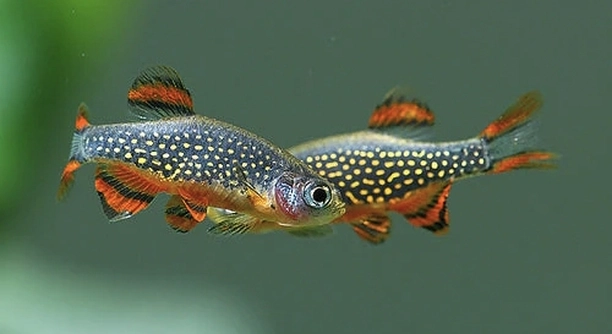
Breeding danios at home can be an enjoyable experience for hobbyists who appreciate watching their fish grow and thrive. Many enthusiasts take pride in creating a healthy and stimulating environment for these small, active fish.
Before attempting to breed danios, it is essential to evaluate tank conditions, water parameters, diet, and potential genetic health issues. Careful planning and understanding of breeding requirements ensure successful reproduction and the wellbeing of both adults and fry.
Proper preparation and knowledge will make the breeding process smoother, increasing the chances of healthy fry and a thriving aquarium community.
Selecting the Right Breeding Pair
Choosing healthy danios is the first step toward successful breeding. Look for fish that are active, free from deformities, and show vibrant coloration. Age plays a role too—mature fish, usually six months or older, are better suited for reproduction. Avoid pairing fish from the same tank if there is a risk of inbreeding. Observing behavior can help; males often display more vivid stripes, while females have rounder bellies, indicating readiness to spawn. Separating the pair in a conditioning tank and feeding them a varied diet rich in protein can encourage spawning. Monitor water quality closely, maintaining stable temperature and pH. Providing plants or spawning mops gives the female a suitable place to lay eggs. Careful observation over several days will indicate compatibility. Even with the right pair, patience is key, as not every attempt results in successful fertilization. Preparation and attention to detail greatly improve the chances of a productive breeding cycle.
Healthy pair selection ensures stronger fry and reduces potential health problems from the start.
Conditioning your selected danios properly before breeding increases fertilization success and supports long-term fish health and vitality.
Preparing the Breeding Tank
The breeding tank should be separate from the main aquarium. Small, shallow tanks of about 10 gallons work well. Add fine-leaved plants or spawning mops to provide places for eggs. Keep the water clean and maintain a temperature around 75–78°F. Light aeration is sufficient, and avoid strong currents that may damage eggs.
Proper tank preparation helps eggs survive and fry grow safely.
Maintaining optimal conditions is crucial for healthy reproduction. Monitor water parameters daily, ensuring ammonia and nitrite levels remain at zero. Slightly cooler water at night can stimulate spawning, while steady light cycles help regulate behavior. Introduce the conditioned pair into the breeding tank in the evening, as they are more likely to spawn in low-light periods. Remove the adults after eggs are laid to prevent them from eating the eggs. Feed the adults high-protein foods such as live or frozen brine shrimp to promote egg production. Check eggs for fertilization signs; healthy eggs appear clear with a slight tint, while unfertilized ones become opaque. Consistent care during these early stages lays the foundation for strong, healthy fry.
Monitoring Eggs and Fry
Fertilized eggs usually hatch within 24 to 36 hours. Keep the water clean and remove any unfertilized eggs to prevent fungus growth. Maintain gentle aeration to ensure proper oxygen flow for developing embryos.
Once hatched, fry are tiny and delicate. They require infusoria or specially prepared fry food for the first few days. Keep the tank dimly lit to reduce stress and avoid sudden water changes that could shock them. Monitor growth carefully, separating weak or slow-growing fry if necessary to improve survival rates. Gradual introduction of larger foods such as baby brine shrimp can begin after a week. Consistent feeding and stable water parameters are crucial, as fry are highly sensitive to fluctuations. Avoid overfeeding to prevent water quality issues, which can quickly harm the fry. Tracking their development daily helps identify any early signs of illness or stunted growth. Patience and attentiveness during this stage greatly improve the chances of producing strong, healthy adult danios.
Providing proper food and gentle care ensures fry grow steadily and reduces the risk of early mortality.
Feeding and Growth
Fry initially require microscopic foods, gradually moving to larger options as they grow. Frequent, small feedings support steady development. Maintaining water quality is critical during this period.
Introduce high-quality foods carefully to match their size. Begin with infusoria or commercially available liquid fry foods, feeding four to six times a day. After one week, slowly add finely crushed flakes or newly hatched brine shrimp. Monitor their growth to ensure uniform development, removing uneaten food promptly to maintain clean water. As fry grow, spacing in the tank becomes important to prevent overcrowding and stress. Overcrowding can lead to competition for food and slower growth, so dividing them into smaller groups is sometimes necessary. Water temperature should remain stable, avoiding sudden changes that may stunt growth. Observing fry behavior helps identify if they are feeding properly and thriving. Gradually adjusting diet and maintaining optimal conditions ensures the fry develop into healthy, active adult danios.
Proper feeding routines and tank management maximize growth potential and ensure strong, healthy fish ready for adulthood.
Separating Males and Females
Separating males and females before conditioning helps control breeding timing. It allows females to develop fully and males to become more vibrant, increasing the likelihood of successful spawning.
Keeping the sexes apart also reduces stress in the tank. Overcrowding and constant chasing can weaken fish, affecting both health and reproductive success.
Maintaining Water Quality
Regular water changes and monitoring parameters are essential for both adults and fry. Ammonia, nitrite, and nitrate levels must remain safe to prevent illness. Stable pH and temperature help encourage breeding behavior and ensure fry survival during early development.
Recognizing Breeding Behavior
Males often chase females and display bright stripes when ready to spawn. Observing these behaviors indicates the pair is prepared to reproduce.
FAQ
How often should I feed adult danios during conditioning?
Feeding adult danios twice a day with a high-protein diet works best for conditioning. Include live or frozen foods like brine shrimp and daphnia. Small amounts of flake food can supplement, but protein-rich meals encourage egg production and improve overall health before breeding.
What is the best temperature for breeding danios?
Maintaining a water temperature between 75°F and 78°F encourages spawning. Slight fluctuations at night can mimic natural conditions, which sometimes trigger breeding behavior. Avoid sudden temperature changes, as they can stress the fish and reduce the likelihood of successful fertilization.
How do I know if the eggs are fertilized?
Fertilized eggs are slightly transparent with a small, visible embryo inside. Unfertilized eggs turn opaque and may develop fungus. Remove unfertilized eggs carefully to prevent contamination and maintain water quality for healthy fry development.
When should I remove adults from the breeding tank?
Adults should be removed immediately after spawning. Danios often eat their eggs, so separating them protects the eggs and gives fry a higher survival rate. Return the adults to their main tank once eggs are safely in the breeding tank.
What should I feed newly hatched fry?
Newly hatched fry require microscopic foods like infusoria or specialized liquid fry food. Feed small amounts multiple times a day. After a week, start offering baby brine shrimp or finely crushed flake food to encourage growth without overwhelming their small mouths.
How often should I change water in the fry tank?
Small, frequent water changes help maintain clean water and stable parameters. Change about 10–20% of the water daily, using dechlorinated water at the same temperature as the tank. Avoid sudden large changes, which can stress fry and harm development.
When can fry be moved to the main tank?
Fry are ready to move once they are large enough to eat regular flake food and can avoid being eaten by adults. This is usually after 6–8 weeks, depending on growth. Acclimate them slowly to prevent shock from different water conditions.
How do I prevent overcrowding in the fry tank?
Overcrowding slows growth and increases stress. Divide fry into separate tanks as they grow to ensure each has enough space. Overcrowded tanks also increase the risk of disease and poor water quality, which can harm delicate fry.
Can I breed danios in a community tank?
Breeding in a community tank is not recommended. Other fish may eat eggs or fry, and monitoring conditions becomes difficult. A dedicated breeding tank provides control over water quality, temperature, and feeding to improve survival rates.
How long does it take for fry to grow into adults?
Fry usually take 8–12 weeks to reach a size where they resemble adults. Growth rate depends on food, water quality, and space. Consistent feeding and clean water help them develop quickly and reduce the risk of disease or deformities.
What signs indicate fry are healthy?
Healthy fry are active, swim steadily, and have clear, bright coloration. They feed eagerly and grow consistently. Weak or lethargic fry may indicate poor water quality, insufficient food, or disease, and require immediate attention to improve survival rates.
Is it necessary to separate fast-growing fry from slower ones?
Separating faster-growing fry can prevent bullying and ensure smaller fry get enough food. Uneven growth can lead to weaker fish being stressed or undernourished, reducing their chances of surviving to adulthood.
How can I prevent fungus on eggs?
Maintain clean water and remove unfertilized eggs promptly. Using a light antifungal treatment or adding a few drops of methylene blue can also reduce the risk. Avoid overcrowding and poor water circulation, which promote fungal growth.
Do danios breed year-round?
Danios can breed year-round if conditions are stable. Proper temperature, clean water, and a protein-rich diet help maintain readiness. Seasonal changes are less critical in a home setup if the tank environment is consistent and stress-free.
Can I reuse water from the main tank for the breeding tank?
Yes, using water from the main tank is fine if it is clean and dechlorinated. Match temperature and parameters closely to reduce stress on the fish. Freshwater top-ups may be necessary during the breeding period to maintain optimal conditions.
What is the survival rate of fry in home tanks?
Survival rates vary depending on care, water quality, and feeding. Proper tank management and careful monitoring can yield 70–90% survival, while neglect or poor conditions may result in high fry loss. Consistent attention ensures the best outcomes.
How do I encourage spawning without stressing the fish?
Provide a calm environment with gentle lighting and stable water conditions. Feed high-protein foods, separate sexes for conditioning, and add plants or spawning mops. Avoid handling fish unnecessarily, as stress can prevent spawning and reduce egg viability.
Can danios lay eggs without a male present?
No, female danios require a male for fertilization. Without a male, eggs will be unfertilized and cannot develop into fry. Ensure a compatible male-female pair is present in the breeding tank to achieve successful reproduction.
How important is tank size for breeding?
A small tank of around 10 gallons works well for breeding pairs. It allows easier observation, control of water parameters, and protection of eggs and fry. Larger tanks are not necessary and may complicate monitoring and care.
What should I do if eggs fail to hatch?
Check water quality, temperature, and fertilization status. Remove any fungus or dead eggs, and ensure adults were removed promptly. Adjusting these factors in future attempts increases the chances of successful hatching and healthy fry development.
Breeding danios at home requires preparation, patience, and attention to detail. Ensuring that you have healthy, compatible adult fish is the first step toward successful reproduction. Selecting vibrant, active males and females, separating them for conditioning, and feeding a high-protein diet can increase the likelihood of spawning. Proper tank setup is equally important, including clean water, gentle aeration, and the right temperature. Providing plants or spawning mops gives females a safe place to lay eggs, and removing adults after spawning protects eggs from being eaten. Monitoring the eggs closely, removing any that are unfertilized, and maintaining water quality helps create a safe environment for the fry to develop. Small adjustments in temperature and lighting can encourage natural spawning behavior without stressing the fish. Paying attention to these details early on establishes a strong foundation for successful breeding.
Once the eggs hatch, the focus shifts to caring for the fry. Newly hatched fry are very small and delicate, requiring microscopic foods such as infusoria or specialized liquid fry foods. Feeding small amounts multiple times a day ensures they get enough nutrition to grow without polluting the water. As they develop, gradually introducing baby brine shrimp or finely crushed flake food supports steady growth and strengthens their immune systems. Consistent monitoring of water quality, temperature, and feeding schedules is crucial, as fry are highly sensitive to changes. Overcrowding can slow growth and increase stress, so separating larger or faster-growing fry into smaller groups can be beneficial. Observing their behavior and development helps identify potential problems early, allowing corrective action before it becomes a serious issue. This careful attention during the early weeks contributes significantly to producing strong, healthy adult danios.
Maintaining proper care and routine throughout the breeding process ensures the long-term health of both adults and fry. Clean, well-managed tanks reduce the risk of disease, while stable environmental conditions support consistent growth and development. Understanding the specific needs of danios, including diet, space, and water parameters, helps create a balanced environment where both adults and fry can thrive. Patience is key, as not every attempt will result in perfect outcomes, and adjustments may be necessary along the way. By following proper breeding practices, monitoring closely, and providing the right conditions, you can successfully raise healthy danios and enjoy observing their development from eggs to adult fish. This approach encourages sustainable and responsible home breeding while supporting the wellbeing of all fish involved.

Hello,
If you enjoy the content that we create, please consider saying a "Thank You!" by leaving a tip.
Every little bit helps us continue crafting quality advice that supports the health, happiness, and well-being of pets around the world, for pets of all shapes, sizes, and species.
We really appreciate the kindness and support that you show us!