
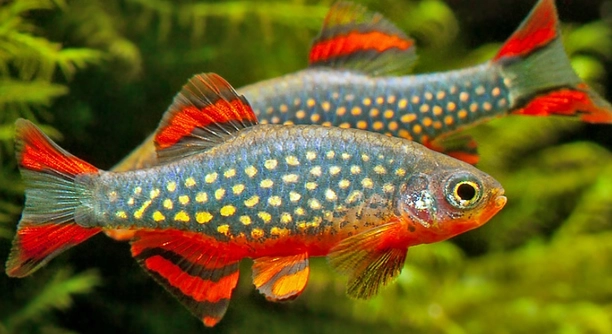
Danios are lively, active fish that thrive in well-maintained aquariums. Providing them with a stimulating environment can improve their health and overall happiness. Simple adjustments to their habitat can make a noticeable difference in their daily behavior.
Water features play a crucial role in promoting danios’ well-being. Properly designed aquascapes, gentle currents, aeration devices, floating plants, and smooth decorations offer both physical activity and environmental enrichment. Each feature supports natural behaviors while maintaining water quality and stability.
Enhancing your aquarium with these elements creates a balanced, engaging space for danios. Their activity and contentment will reflect the care taken in planning the habitat.
Gentle Water Currents
Creating gentle water currents is essential for danios, as they naturally swim in flowing streams. Installing a small filter or powerhead can mimic their natural environment. These currents provide light resistance that encourages exercise without causing stress. Strong turbulence can exhaust them, while stagnant water reduces activity. Observing their behavior helps in adjusting flow strength. Currents also aid in oxygen circulation, preventing areas of low oxygen that may harm fish. Positioning decorations or plants strategically allows currents to pass smoothly, letting danios navigate freely. Even minor adjustments to flow direction can significantly improve their swimming patterns. By ensuring a consistent, moderate current, the aquarium becomes a more dynamic habitat that keeps fish mentally and physically active. This also prevents debris accumulation in dead spots, keeping water cleaner and healthier. Small, controlled currents promote a stable environment for other tank inhabitants as well. A balanced flow enhances both visual appeal and ecological health, making the tank more enjoyable to maintain.
Gentle currents increase activity levels and improve oxygen distribution. They simulate natural habitats while preventing stress and promoting overall fish health.
Moderate flow encourages danios to explore all areas of the tank. It reduces boredom and supports natural schooling behavior. Currents prevent waste buildup, improving water clarity. Fish adapt to flowing water, showing stronger, more consistent swimming patterns. Plant placement and filter adjustments help maintain balanced circulation, making the tank healthier and more engaging for all inhabitants.
Floating and Submerged Plants
Floating and submerged plants provide cover and resting spots for danios. They reduce light intensity and offer hiding spaces. Plants help maintain water quality by absorbing nitrates. They create microhabitats that make the aquarium feel more natural.
Plants improve oxygen levels and provide visual stimulation. They also support natural behaviors like grazing and darting through leaves.
Including a variety of plants enhances the tank’s complexity and aesthetic appeal. Floating plants offer shade, which reduces stress during bright periods, while submerged plants give fish places to explore and hide. Roots and stems serve as surfaces for beneficial bacteria, which contribute to water stability. Dense foliage encourages schooling, helping danios feel secure. Careful plant selection prevents overgrowth, maintaining swimming space. Some species also buffer water parameters, supporting healthier conditions. Regular trimming keeps plants manageable and prevents decay, which could affect water quality. A mix of tall and short plants allows fish to utilize all levels of the tank, keeping their environment engaging. By combining floating and submerged varieties, you create a visually appealing and functionally enriching space. This balance supports the fish’s natural instincts while making maintenance easier and water conditions more stable.
Smooth Decorations
Smooth decorations prevent injuries when danios swim rapidly. Rounded stones, driftwood, and polished surfaces reduce the risk of cuts or abrasions. Avoid sharp or jagged ornaments that can damage fins and scales. Proper placement ensures free swimming space while providing visual interest and hiding spots.
Arranging smooth decorations thoughtfully creates zones for exploration and rest. Driftwood or rounded rocks give fish surfaces to hover near while exploring. Open areas between decorations allow schooling behavior without obstruction. Avoid overcrowding to maintain adequate swimming paths. Smooth surfaces also minimize algae buildup in hard-to-reach areas, making cleaning easier. Decorations serve both functional and aesthetic purposes, supporting a balanced, safe, and stimulating environment.
Polished ornaments offer texture variety and safe resting points. Fish interact with these elements naturally, darting between hiding spots and open areas. Using varied shapes enhances visual appeal while ensuring safety. Careful selection and placement prevent injury, maintain swimming freedom, and support active behavior. Consistent maintenance keeps surfaces clean, preserving both the tank’s appearance and water quality.
Aeration Devices
Aeration devices increase oxygen levels and water movement, benefiting danios’ health and activity. Air stones, bubble wands, and small pumps keep water well-oxygenated and prevent stagnation. Proper placement ensures gentle diffusion without stressing the fish.
Bubbles create surface agitation, improving gas exchange and reducing carbon dioxide buildup. They also add a subtle dynamic element to the tank, encouraging swimming and interaction with the environment.
Positioning aeration devices requires balance. Too strong a current can exhaust danios, while too weak limits oxygen circulation. Air stones placed near the center or corners distribute bubbles evenly, promoting consistent oxygen levels throughout the tank. Combining aeration with filtration ensures water remains clear and debris-free. Devices should be monitored for consistent operation, and occasional cleaning prevents clogging or mineral buildup. By integrating gentle aeration, fish gain a more active habitat that mirrors natural conditions, while tank maintenance becomes easier. Observing fish behavior around bubbles also provides insight into their comfort and tank health, guiding any necessary adjustments.
Gravel and Substrate
Gravel provides a natural base for the tank and supports beneficial bacteria growth. Rounded, smooth gravel prevents injuries and allows danios to explore safely. Avoid sharp or large stones that can damage fins or create uneven surfaces in the tank.
A well-chosen substrate enhances plant growth and helps maintain water quality. It also offers texture for fish to interact with, creating a more stimulating environment. Substrate depth should allow burrowing behavior without obstructing swimming space, supporting both comfort and safety.
Small Hiding Spaces
Hiding spaces reduce stress and provide security for danios. Small caves, tubes, or dense plant clusters give fish places to retreat, especially during molting or periods of high activity.
Floating Leaves
Floating leaves offer shade and resting spots for danios. They reduce light intensity, help fish feel secure, and add visual depth to the tank. Leaves also contribute to natural water conditions by providing cover and mimicking elements found in streams and ponds.
FAQ
How often should I change the water in a danio tank?
Water changes are essential for maintaining clean and healthy conditions. For a small tank, changing 20–25% of the water weekly is usually sufficient. Larger tanks may allow biweekly changes, depending on filtration efficiency. Frequent water replacement keeps nitrate levels low and reduces the buildup of waste, keeping fish active and healthy. Monitoring water parameters like ammonia, nitrite, and pH helps determine if adjustments are needed. Using dechlorinated water at a similar temperature to the tank prevents stress and shock. Consistency is key; sudden, large water changes can be more harmful than gradual, regular maintenance.
What is the best temperature for danios?
Danios thrive in moderate temperatures, typically between 72°F and 78°F (22°C–26°C). Consistency is more important than slight variations. Sudden temperature shifts can weaken their immune systems and make them susceptible to disease. Using a reliable heater or thermostat helps maintain stability. Observing the fish can also indicate discomfort; lethargy or rapid breathing often signals temperature issues. Additionally, avoiding direct sunlight on the tank prevents overheating and fluctuating temperatures. Temperature stability supports normal feeding, growth, and activity levels. A steady environment encourages natural behavior, including schooling and exploration.
Can danios live with other fish?
Danios are generally peaceful and compatible with many community fish. They thrive with species of similar size and temperament. Avoid aggressive or much larger fish that could stress or injure them. Keeping them in small schools of five or more improves social interaction and reduces boredom. Observing interactions during initial introductions ensures compatibility. Adjusting tank decorations and hiding spaces allows all species to establish territories. Mixing species with similar water requirements simplifies care and prevents conflicts. Proper feeding and monitoring also reduce competition. A balanced community encourages natural schooling and playful activity among danios, enhancing overall tank harmony.
Do danios need live plants in their tank?
Live plants are highly beneficial but not strictly necessary. They improve oxygen levels, absorb nitrates, and provide hiding spots. Floating or submerged plants create shade, reduce stress, and encourage natural behaviors like darting through leaves. They also enhance tank aesthetics and provide surfaces for microorganisms, supporting a balanced ecosystem. Artificial plants can substitute if live plants are difficult to maintain but lack biological benefits. A combination of live and artificial plants can create both stability and visual appeal. Regular maintenance, such as trimming and cleaning, ensures plants remain healthy and the tank environment stays balanced.
How do I prevent danios from jumping out of the tank?
Danios are active swimmers and can jump, especially when startled or during feeding. A secure lid or cover prevents accidents. Maintaining calm conditions and avoiding sudden movements reduces stress. Floating decorations can create visual barriers, discouraging jumping. Proper tank depth and surface agitation also influence jumping behavior. Providing plenty of swimming space, schooling companions, and environmental enrichment keeps them occupied. Ensuring water quality and temperature are consistent reduces stress-related attempts to escape. Observation of fish behavior helps identify triggers. Taking these precautions minimizes risks while keeping danios active and comfortable within their habitat.
What should I feed danios for optimal health?
Danios thrive on a varied diet including high-quality flake or pellet food supplemented with live or frozen options like brine shrimp, daphnia, or bloodworms. Occasional vegetable matter such as blanched spinach or zucchini can be offered. Feeding small portions multiple times a day prevents overfeeding and maintains water quality. Rotate protein and plant-based foods to ensure balanced nutrition. Observing feeding behavior helps avoid competition and ensures all fish receive adequate portions. Consistent, appropriate feeding supports growth, vibrant coloration, and sustained activity. Avoid excessive treats or human food, which can disrupt digestion and tank cleanliness.
How can I tell if my danios are stressed?
Signs of stress include clamped fins, lethargy, loss of appetite, rapid gill movement, or erratic swimming. Stress can result from poor water quality, overcrowding, sudden changes in temperature, or aggressive tank mates. Monitoring water parameters and ensuring proper filtration, aeration, and hiding spaces can reduce stress. Providing a stable routine and avoiding sudden disruptions promotes well-being. Healthy, active schooling behavior and regular feeding are good indicators of comfort. Early recognition of stress helps prevent illness, maintaining a happier and more active group of danios. Observing behavior daily allows quick intervention before issues escalate.
Is a filter necessary for a danio tank?
Yes, filtration is important to maintain water quality and oxygen levels. Filters remove debris, circulate water, and support beneficial bacteria that break down waste products. Selecting a filter suitable for tank size ensures proper flow without stressing fish. Regular cleaning prevents clogs and maintains efficiency. Combining filtration with partial water changes stabilizes the environment. Filters also reduce the frequency of manual maintenance and help maintain consistent water parameters, which is crucial for danios’ health. Proper filtration supports clear water, active swimming behavior, and long-term vitality, contributing to a well-balanced aquarium ecosystem.
Final Thoughts
Creating a comfortable and engaging environment for danios is key to their health and happiness. These fish are naturally active and curious, requiring space to swim and explore. Simple elements like gentle water currents, smooth decorations, and well-placed plants can make a noticeable difference in their behavior. Observing how they interact with their surroundings allows for small adjustments that improve their overall well-being. Maintaining a consistent environment, including water temperature, quality, and proper aeration, reduces stress and supports natural activity. Regular monitoring and maintenance keep the tank clean, ensuring that the fish remain active and healthy. Even small additions, like floating leaves or hiding spots, provide comfort and encourage natural behaviors, helping danios feel secure in their habitat.
Water features are not just aesthetic additions; they play a functional role in maintaining a balanced ecosystem. Gentle currents encourage exercise, while aeration devices maintain oxygen levels and prevent stagnant areas. Substrates and smooth decorations prevent injury while supporting exploration. Live or artificial plants provide cover and stimulate natural behaviors, while hiding spaces reduce stress during periods of high activity. Integrating these elements thoughtfully allows the tank to meet the physical and psychological needs of danios. The combination of flowing water, safe surfaces, and engaging decorations creates a dynamic yet stable environment. Maintaining this balance ensures that the aquarium is not only visually appealing but also supports the health and activity levels of the fish. A well-planned layout reduces risks and provides a habitat where danios can thrive naturally.
Attention to detail in both tank setup and daily care is essential for long-term success. Regular water changes, proper feeding, and monitoring of water parameters prevent common problems that can affect fish health. Providing appropriate tank mates and ensuring the aquarium is neither overcrowded nor barren encourages natural schooling and active behavior. Observing stress indicators and adjusting environmental factors helps maintain comfort. The goal is to create a habitat that mirrors aspects of their natural streams, providing stimulation without causing harm. When all factors—water quality, decorations, plants, aeration, and space—work together, danios show improved activity, vibrant coloration, and natural behavior. Thoughtful care and attention transform a simple aquarium into a supportive and engaging home for these lively fish, ensuring long-term happiness and well-being.

Hello,
If you enjoy the content that we create, please consider saying a "Thank You!" by leaving a tip.
Every little bit helps us continue crafting quality advice that supports the health, happiness, and well-being of pets around the world, for pets of all shapes, sizes, and species.
We really appreciate the kindness and support that you show us!