
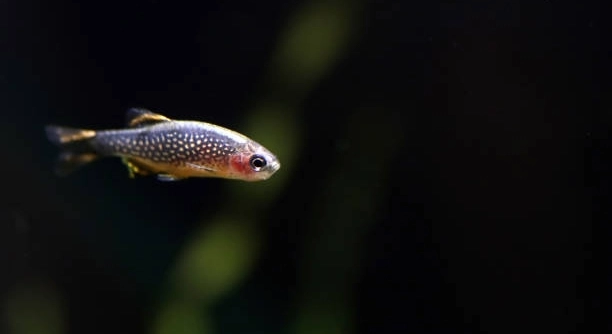
Do you ever find yourself looking at your Danio aquarium and noticing the plants growing unevenly or overcrowding the tank? Keeping plants tidy not only improves the appearance but also helps maintain a healthy environment for your fish.
Trimming plants in Danio aquariums promotes balanced growth, prevents overcrowding, reduces algae accumulation, improves water circulation, enhances light penetration, supports fish health, and maintains the overall aesthetic of the tank. Regular maintenance is essential for a thriving aquatic ecosystem.
Proper plant care goes beyond looks, affecting the entire ecosystem of your aquarium and the well-being of your Danios. Small, consistent trims make a significant difference over time.
Preventing Overcrowding in Your Danio Aquarium
Overcrowding in a Danio tank can quickly lead to stressed fish and stunted plant growth. When plants grow unchecked, they take up too much space, leaving little room for swimming or hiding. Trimming ensures that each plant has enough room to grow properly while maintaining an open environment for your fish. By removing older leaves and stems, you allow sunlight and nutrients to reach all parts of the tank evenly. Overgrown plants can block filtration flow, creating areas with poor water circulation. This stagnation can increase waste accumulation and lower oxygen levels, which impacts both plants and fish. Regular trimming also prevents some plants from outcompeting others, helping maintain a balanced ecosystem. Even small adjustments make a noticeable difference. Trimming is not just about appearance; it is essential for the health and growth of both plants and Danios. Consistency is key to keeping your aquarium thriving and visually appealing.
Keeping plants trimmed helps maintain enough swimming space and prevents dominance by fast-growing species.
Regular trimming also encourages healthier plant roots and stems. It prevents decay and reduces the risk of algae growth, which can otherwise spread quickly and affect water quality. By maintaining a balanced plant density, you create an environment where Danios can swim freely and interact naturally. Proper plant management also allows for better observation of your fish, helping you notice any health issues early. Overcrowding can stress fish, leading to weaker immune systems, so managing plant growth is an indirect but important way to support their overall well-being. By staying consistent with pruning, the aquarium remains organized, visually appealing, and easier to maintain. You can experiment with shaping plants to enhance the aesthetic while keeping the tank healthy. This small, regular effort results in a tank that feels spacious, lively, and safe for your Danios, making it a more enjoyable space to care for.
Enhancing Light Penetration
Proper light reaches all areas of the tank when plants are trimmed regularly.
When plants become too dense, lower leaves and shorter species may receive inadequate light, slowing growth and weakening plants. Insufficient light also reduces photosynthesis, which is vital for oxygen production in the tank. Trimming helps maintain an even canopy, allowing light to penetrate to all levels. This is especially important in tanks with fast-growing species that can overshadow slower-growing plants. Adjusting plant height and removing excess foliage ensures that all plants get their share of light, promoting uniform growth. Adequate lighting also helps prevent algae blooms, as crowded and shaded areas can become breeding grounds for unwanted growth. Consistent light exposure contributes to vibrant plant color and stronger stems, enhancing the overall visual appeal of your aquarium. Maintaining proper light distribution also supports healthy microbial activity in the substrate, further stabilizing water quality. By trimming plants regularly, you control light dynamics in your tank, ensuring a balanced and thriving ecosystem that benefits both plants and Danios.
Reducing Algae Growth
Trimming plants regularly limits algae by removing decaying leaves that feed it. Proper spacing improves water flow and light distribution, making conditions less favorable for algae to spread and take over your Danio aquarium.
Overgrown plants create shaded areas where algae thrive. When plants are trimmed, sunlight reaches more of the tank, supporting healthy plant growth and reducing the chance for algae to dominate. Decaying leaves from crowded plants release nutrients that algae use to grow quickly. By keeping plants trimmed, you remove these nutrient sources and maintain a cleaner tank. Proper plant management also helps filtration systems work efficiently, removing excess nutrients and debris before algae can multiply. This simple maintenance step is crucial for long-term tank health.
Consistently pruning plants helps maintain a balance between plant growth and algae prevention. It encourages strong stems and healthy leaves, which compete with algae for resources. When plants are healthy, algae has less chance to spread, keeping water clear and maintaining oxygen levels. Healthy plants also provide better hiding spots for Danios, reducing stress and improving their activity levels. Over time, regular trimming creates a sustainable environment where algae remains under control naturally, minimizing the need for chemical treatments or intensive cleaning. A well-managed plant layout makes the aquarium visually appealing and supports the overall ecosystem.
Supporting Fish Health
Trimming plants keeps the water clean, which directly benefits Danios by reducing stress and disease risk.
Dense, overgrown plants can trap waste, lowering water quality and limiting swimming space. Regular pruning removes this buildup, maintaining proper oxygen levels and circulation. Healthy plants also provide natural hiding spots without overcrowding, reducing aggressive behavior and stress among Danios. Proper trimming supports fish immunity and overall vitality by ensuring the tank environment remains stable.
When plants are maintained, Danios experience less competition for space and resources. Overcrowded tanks can lead to stress-induced illnesses and slower growth in fish. Trimming ensures that each fish has room to move freely and access feeding areas comfortably. Healthy plants also enhance water quality by absorbing excess nutrients, further stabilizing the environment. Over time, this maintenance reduces the frequency of water changes and prevents sudden spikes in harmful compounds, creating a safer, more predictable habitat for your fish. Consistent attention to plant growth supports both physical and behavioral health, encouraging active and vibrant Danios that thrive naturally within their aquarium.
Promoting Balanced Growth
Trimming plants prevents fast-growing species from overtaking slower ones. Proper maintenance ensures all plants receive enough nutrients and light, creating a stable and visually appealing aquarium environment for your Danios.
Balanced growth also encourages healthier roots and stems. Removing excess foliage reduces competition, allowing each plant to thrive without being shaded or stunted.
Improving Water Circulation
Overgrown plants can block water flow, causing stagnant areas that affect oxygen levels and waste removal. Regular trimming allows filters to work efficiently and maintains even water movement throughout the tank, supporting a healthier habitat for both plants and Danios.
Enhancing Aesthetic Appeal
Trimmed plants give the aquarium a neat and organized look. Controlled growth highlights the natural beauty of the plants and makes your Danios more visible, creating a pleasing and well-maintained display.
Encouraging Stronger Plant Health
Regular pruning removes weak or damaged leaves, reducing the risk of decay. This keeps the remaining plants robust, improves nutrient absorption, and helps prevent disease from spreading, maintaining a healthier aquarium overall.
FAQ
How often should I trim plants in my Danio aquarium?
Trimming frequency depends on the type of plants and their growth rate. Fast-growing plants may need pruning every one to two weeks, while slower-growing species can be trimmed once a month. Observing the tank regularly helps determine when leaves are overcrowding or dying.
What tools do I need for trimming?
A pair of sharp, small scissors or aquascaping shears is ideal. Tweezers can help remove cut leaves or roots from hard-to-reach areas. Avoid using dull tools, as they can damage plant stems and leaves, leading to decay or disease.
Can I trim all types of plants the same way?
No, trimming depends on the species. Stem plants benefit from cutting just above a node to encourage branching. Rosette plants require removing older outer leaves, while floating plants can be thinned to prevent overcrowding the surface.
Will trimming stress my Danios?
If done carefully, trimming should not stress your fish. Remove only what is necessary, avoid sudden large cuts, and ensure no debris floats freely in the water. Doing this during feeding times or when fish are calm helps minimize disruption.
What should I do with the trimmed plant material?
Remove clippings promptly from the tank. Decaying plant matter releases nutrients that promote algae growth and reduce water quality. You can compost the trimmings or discard them, but leaving them in the tank can harm both plants and fish.
Can trimming help prevent algae problems?
Yes. Overgrown or decaying plants increase nutrient levels, which algae use to grow. Regular trimming reduces these nutrients, keeps light evenly distributed, and prevents shaded areas where algae can thrive. Maintaining a balance between plant density and light helps control algae naturally.
Is it necessary to trim roots as well as leaves?
Trimming roots is sometimes needed for fast-growing plants that develop dense root systems. Cutting back a few roots can prevent overcrowding in the substrate and improve water flow around the base of the plant. Always trim carefully to avoid stressing the plant.
How do I know if I’ve trimmed too much?
If plants appear bare, pale, or show slow recovery after trimming, you may have removed too much foliage. Trim gradually and monitor regrowth. Healthy plants usually recover within a few days to a week when given proper light and nutrients.
Should I trim plants before or after a water change?
Trimming before a water change is generally better. This removes debris that could affect water quality and allows the filtration system to work efficiently during the change. It also ensures that newly trimmed areas get clean, nutrient-rich water immediately.
Can trimming affect the growth of my Danios?
Indirectly, yes. Overgrown plants can limit swimming space, reduce oxygen circulation, and stress fish. By trimming regularly, you maintain a balanced environment that encourages natural activity, feeding behavior, and overall health in your Danios.
Is there a best time of day to trim plants?
Trimming during the day, when lights are on and fish are active, is ideal. This allows you to see plant growth clearly and monitor fish behavior. Avoid trimming at night, as poor visibility can lead to mistakes and accidental harm to plants or fish.
Do I need to trim after adding new plants?
Yes. New plants can grow faster in nutrient-rich water, potentially overcrowding existing plants. Monitor their growth closely and trim as needed to maintain space, light distribution, and water circulation in the tank.
Can trimming help improve water quality?
Regular trimming reduces decaying plant matter and helps maintain better oxygen levels. Healthy, trimmed plants absorb nutrients more efficiently, preventing buildup that could harm fish. Maintaining proper plant density also allows filters to work more effectively, stabilizing water conditions.
How do I avoid cutting too close to the stem?
Always leave a small section above the node or base when trimming. Cutting too close can damage the plant, slow regrowth, or cause stems to rot. Observing how each species responds to pruning over time helps determine the safest trimming approach.
Are there any risks to my Danios during trimming?
The main risks come from floating debris or sudden movements that startle fish. Using careful, slow trimming techniques and promptly removing cut leaves minimizes stress and prevents accidental injury. Ensuring water conditions remain stable before and after trimming also protects fish health.
Can trimming encourage new plant growth?
Yes. Pruning stimulates branching and rejuvenates older plants. Stem plants often develop new shoots after trimming, and removing old leaves allows energy to focus on healthy growth. Regular maintenance keeps the tank looking vibrant and promotes overall plant health.
How do I maintain the shape of plants while trimming?
Trim gradually and follow the natural growth pattern of each plant. For stem plants, cut above nodes to encourage vertical and lateral growth. For rosette plants, remove outer leaves selectively to maintain a compact shape. Observing how plants respond over time helps refine shaping techniques.
Is trimming necessary if I have a heavily planted tank?
Even densely planted tanks require trimming to prevent overcrowding, decay, and algae growth. Without pruning, some species may dominate, while others weaken. Maintaining balance ensures light and nutrients reach all plants and keeps the aquarium visually appealing and healthy for Danios.
What should I do if I accidentally cut too much?
Monitor the plant closely and ensure proper light, nutrients, and water conditions. Healthy plants often recover, but avoid additional stress, such as moving or fertilizing excessively. In some cases, damaged sections may rot, so remove decayed material to prevent water quality issues.
Can I trim plants during a fish illness?
Trimming during illness is generally safe if done carefully, but avoid excessive disturbance. Removing plant matter that could harbor pathogens or debris can support cleaner water. Focus on minimal pruning and maintaining stable conditions to avoid adding stress to weakened fish.
How does plant trimming affect nutrient absorption?
By removing old, decaying leaves, remaining plants absorb nutrients more efficiently. Crowded or dying foliage competes for nutrients, slowing growth. Regular trimming ensures energy is directed to healthy leaves and stems, promoting strong, vibrant plant development that benefits the entire aquarium ecosystem.
Can trimming prevent plants from shading each other?
Yes. Removing excess growth allows light to penetrate lower leaves and smaller plants. Properly spaced plants receive adequate light for photosynthesis, ensuring uniform growth. This prevents weaker species from being shaded and promotes a balanced, healthy, and visually pleasing tank for your Danios.
What signs indicate my plants need trimming?
Look for overcrowded stems, decaying leaves, slow growth, or uneven light distribution. Plants leaning over others or blocking fish movement also signal the need for pruning. Regular observation ensures timely trimming and prevents issues from developing.
Is it okay to trim during feeding?
It’s better to trim before or after feeding to avoid stress and disturbance. Fish may scatter while you trim, making it harder to work safely. Minimal disruption during feeding keeps both plants and Danios comfortable.
Does plant trimming affect tank chemistry?
Yes. Removing decaying material reduces nutrient spikes, helps stabilize pH, and prevents ammonia buildup. Healthy, trimmed plants improve oxygenation and maintain a balanced ecosystem, supporting long-term water quality and fish health.
How do I start trimming if I’ve never done it before?
Begin with small, manageable cuts. Remove only dead or overcrowded leaves at first, then gradually shape plants as you gain confidence. Observing regrowth helps refine your technique and prevents over-pruning or damage to healthy plants.
Can trimming improve fish behavior?
Yes. Open swimming areas and balanced plant placement reduce stress and encourage natural activity. Danios swim more freely, explore hiding spots safely, and interact naturally with their environment when plants are maintained. Proper pruning supports a healthy and lively aquarium.
What should I avoid when trimming plants?
Avoid cutting too close to the stem, leaving debris in the tank, or trimming excessively at once. Using dull tools or trimming during unstable water conditions can harm plants and fish. Gradual, careful pruning is safer and more effective.
How long does it take for plants to recover after trimming?
Most healthy plants show signs of regrowth within a few days to a week. Stem plants may develop new shoots quickly, while slower-growing species take longer. Providing proper light, nutrients, and stable water conditions accelerates recovery and maintains vibrant growth.
Can trimming affect aquarium filtration?
Yes. Excess plant material can clog filters, reducing efficiency. Regular pruning removes debris and allows water to flow freely, enabling filters to remove waste effectively. This improves water quality and supports both plants and fish in a balanced environment.
Are there plants that don’t need trimming?
Some slow-growing species may require minimal maintenance, but even they benefit from occasional removal of dead leaves. Regular observation ensures that all plants, regardless of growth rate, remain healthy and do not overcrowd the tank or block light for other species.
Can I trim plants during algae treatment?
Trimming during algae treatment is helpful if it removes shaded or decaying areas where algae grow. However, avoid over-pruning simultaneously with chemical treatment to reduce stress on plants and Danios. Gradual pruning is safer and more effective in controlling algae naturally.
Does trimming improve oxygen levels in the tank?
Yes. Healthy, trimmed plants photosynthesize efficiently, releasing oxygen and supporting water circulation. Overgrown or decaying plants reduce oxygen output and create stagnant areas. Proper maintenance ensures sufficient oxygen for both plants and Danios.
How do I handle delicate plants when trimming?
Use sharp, precise scissors and handle stems gently. Trim small sections at a time and avoid pulling or twisting delicate leaves. Observing the plant’s response and trimming gradually reduces stress and prevents damage.
Is it better to trim submerged or floating plants first?
Start with submerged plants, as they affect water circulation and fish movement more directly. Floating plants can be thinned afterward to control surface coverage without disrupting the tank’s overall balance.
Can trimming prevent disease in my aquarium?
Yes. Removing dead or decaying leaves reduces places where bacteria and fungi can grow. Healthy, pruned plants maintain water quality and limit stress for Danios, lowering the risk of illness. Regular maintenance is an important part of disease prevention.
Do I need to adjust fertilization after trimming?
Trimming reduces plant biomass, slightly lowering nutrient demand. Continue monitoring plant growth and adjust fertilizer gradually if needed to avoid overfeeding or nutrient deficiencies. Observing regrowth patterns helps determine proper fertilization.
How do I trim plants to encourage bushier growth?
Cut stems just above nodes to stimulate branching. Removing the top growth redirects energy to side shoots, producing a fuller, denser plant. Consistent, careful pruning over time creates bushier, healthier plants that enhance aquarium aesthetics and fish activity.
Is it okay to trim during winter or cooler months?
Yes, but growth may slow during colder periods. Trim only as necessary to remove dead or overcrowded foliage. Avoid aggressive pruning, as plants may take longer to recover in lower light or temperature conditions.
Can trimming improve substrate health?
Removing excess roots and decaying leaves prevents nutrient buildup in the substrate. Healthy plant roots absorb nutrients efficiently, reducing waste accumulation and supporting beneficial microorganisms that maintain a balanced substrate environment.
How much of the plant should I trim at once?
Remove no more than 20-30% of a plant at a time. Excessive cutting can stress the plant and slow recovery. Gradual pruning ensures strong regrowth and maintains overall tank balance without harming the ecosystem.
What is the best technique for stem plants?
Cut just above a node to encourage lateral growth. Remove older lower leaves to allow light to reach new shoots. Stem plants respond well to gradual pruning, which stimulates branching and keeps the plant upright and healthy.
Can trimming floating plants improve oxygen exchange?
Yes. Thinning floating plants reduces surface coverage, allowing more gas exchange between water and air. This improves oxygen levels, reduces carbon dioxide buildup, and supports both plants and Danios in the aquarium.
How do I manage large or fast-growing plants?
Trim frequently and monitor growth carefully. Remove excess stems or leaves to prevent overcrowding and shading. Consider partial replanting or thinning to maintain balance. Consistent attention prevents these plants from dominating the tank and ensures healthy growth for other species.
Will trimming affect breeding behavior in Danios?
Yes. Balanced plant growth provides proper hiding spaces and open swimming areas. Overgrown tanks can stress fish and interfere with spawning. Maintaining trimmed plants supports natural breeding behaviors and increases the chances of successful fry development.
Can I trim during a water temperature change?
Avoid heavy pruning during temperature shifts. Plants and fish may be stressed, and trimming can add additional stress. Minor adjustments are fine, but major pruning is best done when water conditions are stable.
How do I clean up after trimming?
Use a small net or siphon to remove clippings immediately. Check the substrate and plant bases for leftover debris. This prevents decay, reduces algae risk, and maintains water quality, supporting a healthy environment for both plants and Danios.
What are the benefits of trimming for long-term plant health?
Regular trimming removes dead material, stimulates growth, prevents overcrowding, improves light distribution, and reduces algae. Over time, this maintains a healthy, balanced ecosystem, ensuring vibrant plants and a thriving aquarium for Danios.
Can trimming help in high-density tanks?
Yes. In crowded tanks, trimming prevents dominant plants from overwhelming others. It improves water circulation, light distribution, and space for fish, maintaining a healthy environment despite higher plant and fish density.
Is it safe to trim plants with fertilizers in the water?
Yes, trimming can be done while fertilizing, but avoid large cuts immediately after adding concentrated fertilizers. Small, careful pruning is safe and allows plants to take advantage of nutrients efficiently.
Does trimming help with plant propagation?
Yes. Cuttings from healthy stems can be replanted to grow new plants. This allows expansion of the aquarium greenery while controlling overgrowth and maintaining balance in the tank ecosystem.
How do I deal with stubborn or woody stems?
Use sharp aquascaping scissors or shears for woody stems. Make precise cuts to avoid splitting the stem. Gradual trimming over time is better than removing large sections at once, which can damage the plant and affect regrowth.
Can trimming influence the tank’s nitrogen cycle?
Yes. Removing decaying leaves prevents excess ammonia buildup, keeping the nitrogen cycle stable. Healthy plants also absorb nutrients efficiently, supporting beneficial bacteria and maintaining overall water quality for Danios.
How do I prevent regrowth from becoming too dense?
Trim regularly, remove excess shoots, and monitor spacing. Controlling height and density prevents plants from crowding each other or blocking light, ensuring a balanced, healthy aquarium that supports both plant and fish growth.
Are there signs my trimming technique needs improvement?
Slowed plant regrowth, excessive decay, or weak stems indicate trimming may be too aggressive or improperly done. Adjusting cut placement, trimming frequency, and tool sharpness can improve results and maintain plant health.
Can trimming affect tank aesthetics immediately?
Yes. Removing overgrown or dying leaves instantly improves appearance, opens swimming space, and reveals hidden areas. Well-maintained plants create a tidy, attractive aquarium that highlights both greenery and Danios.
How do I combine trimming with fertilization and CO2 supplementation?
Trim gradually, then continue regular fertilization and CO2 as usual. Avoid large cuts immediately after adjustments to minimize stress. Maintaining balance between trimming, nutrients, and CO2 ensures optimal growth and tank stability.
Is there a risk of trimming too often?
Excessive trimming can stress plants, slow growth, or cause dieback. Observing plant response and pruning gradually ensures health, encourages regrowth, and maintains a stable, thriving environment for your Danios.
How do I maintain consistent trimming habits?
Schedule weekly or bi-weekly checks and trim as needed. Keep tools handy and monitor plant growth. Gradual, consistent maintenance prevents overgrowth, keeps the tank healthy, and reduces sudden algae or water quality issues.
What is the easiest way to trim large tanks?
Divide the tank into sections and trim one area at a time. Remove debris immediately, check plant health, and ensure fish safety. Gradual work prevents stress and maintains overall tank balance efficiently.
Can trimming affect water temperature or chemistry suddenly?
Not directly, but removing large amounts of plant material at once may slightly alter nutrient levels or oxygen distribution. Gradual trimming prevents sudden changes and maintains a stable environment for both plants and Danios.
Are there safety precautions I should take when trimming?
Always use sharp tools, work slowly, remove debris promptly, and monitor fish behavior. Avoid trimming during unstable water conditions or temperature fluctuations. Proper care prevents accidental damage to plants or stress to Danios.
Can trimming improve plant coloration?
Yes. Removing old or shaded leaves allows light to reach healthier parts, enhancing natural color. Proper pruning also encourages nutrient distribution to remaining leaves, supporting vibrant growth and overall visual appeal of the aquarium.
How do I store or care for tools used for trimming?
Rinse scissors and shears with fresh water after each use to prevent rust or contamination. Store them in a dry, safe place to maintain sharpness and hygiene. Clean tools reduce the risk of introducing disease to the tank.
Does trimming help maintain biodiversity in the tank?
Yes. Regular pruning prevents dominant species from outcompeting others, allowing slower-growing plants to thrive. Balanced plant growth supports a diverse ecosystem, benefiting fish behavior and overall aquarium stability.
Can trimming support breeding in dense planted tanks?
Yes. Creating open swimming areas and controlled plant coverage reduces stress and provides better nesting and hiding spots for Danios, increasing chances of successful breeding while maintaining plant health.
How do I adjust trimming for seasonal changes?
During slower growth periods, trim less frequently, focusing on removing dead or damaged leaves. In rapid growth periods, increase pruning to maintain balance. Adjusting based on plant response ensures consistent health and appearance throughout the year.
Is there a difference between trimming aquarium plants and pond plants?
Yes. Aquarium plants grow submerged and respond quickly to pruning, while pond plants may grow above water and require different techniques. Tools and care practices must be adapted for submerged environments to protect both plants and fish.
Can trimming help prevent plant diseases from spreading?
Yes. Removing infected or damaged leaves reduces opportunities for pathogens to spread. Regular pruning keeps plants healthy, water quality stable, and Danios safe from disease-related stress.
How do I manage trimming in a mixed-species tank?
Observe growth rates and spacing for all plants. Trim faster-growing species more frequently while maintaining balance for slower ones. Careful pruning prevents overcrowding, ensures light distribution, and supports healthy fish behavior in a mixed environment.
Can trimming help with nutrient deficiencies?
Yes. Removing older, weak leaves redirects nutrients to healthy parts of the plant. This improves overall growth, strengthens stems, and ensures that remaining leaves receive adequate resources for photosynthesis and vitality.
What is the best way to learn proper trimming techniques?
Start with small cuts, observe plant response, and follow species-specific guidelines. Practice, patience, and consistent maintenance improve skill over
Trimming plants in a Danio aquarium is an essential practice that benefits both the plants and the fish. Overgrown plants can quickly create overcrowding, block light, and reduce water circulation, which affects the overall health of the aquarium. By keeping plants trimmed, you ensure that each plant has enough space and light to grow properly while maintaining an open environment for your Danios. Regular trimming also helps prevent algae growth by removing decaying leaves that release excess nutrients. Over time, this simple maintenance step supports a balanced ecosystem, making it easier to manage water quality, oxygen levels, and plant health. A consistent approach to trimming creates a clean and organized appearance, which makes the aquarium more enjoyable to watch and maintain. While it may seem like a small task, trimming has a major impact on the long-term success of your aquatic environment.
The benefits of plant trimming go beyond aesthetics. When plants are properly pruned, they grow more evenly and remain healthier, with strong roots and vibrant leaves. Trimming removes weak or damaged parts of the plant, allowing energy and nutrients to be directed toward new growth. This practice also improves the swimming space and comfort of your Danios, reducing stress and encouraging natural behavior. Overcrowded or decaying plants can trap waste, lower oxygen levels, and create hiding places for algae or pathogens, all of which affect the fish’s health. Regular pruning ensures that water circulates freely, nutrients are evenly distributed, and light reaches all parts of the tank. Healthy, trimmed plants act as natural filters, absorbing excess nutrients and supporting a stable environment. This makes it easier to maintain clean water and reduces the need for frequent chemical treatments or disruptive cleaning processes. A well-maintained aquarium allows both plants and Danios to thrive together in a balanced and stable habitat.
In addition to practical benefits, trimming plants adds to the overall enjoyment of maintaining an aquarium. A well-kept tank looks more organized and visually appealing, highlighting the colors and activity of your Danios. Controlling plant growth also makes it easier to monitor fish health and spot any potential problems early. Over time, regular pruning becomes part of a simple routine that supports a thriving ecosystem without creating extra stress or work. Whether you have fast-growing stem plants, slow-growing rosettes, or floating species, consistent trimming ensures that all plants coexist without overcrowding or shading each other. It also prevents large, dominant plants from taking over the tank and allows slower-growing species to flourish. By focusing on small, gradual cuts and observing how plants respond, you can maintain both the beauty and health of the aquarium. Overall, trimming plants is a straightforward yet highly effective way to keep your Danio aquarium clean, balanced, and lively for the long term.

Hello,
If you enjoy the content that we create, please consider saying a "Thank You!" by leaving a tip.
Every little bit helps us continue crafting quality advice that supports the health, happiness, and well-being of pets around the world, for pets of all shapes, sizes, and species.
We really appreciate the kindness and support that you show us!