
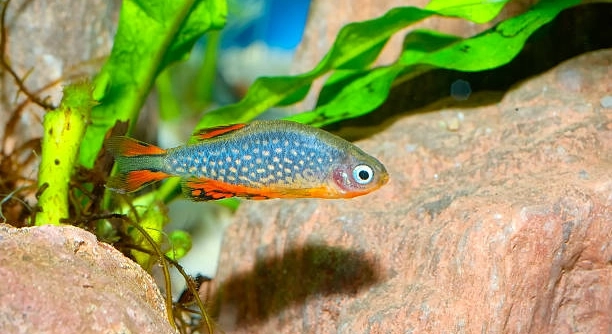
Do you enjoy keeping freshwater fish and want to ensure your Celestial Pearl Danios thrive during breeding? Creating a DIY breeding box can help provide a safe and controlled environment for these delicate fish.
The most effective method to make a breeding box for Celestial Pearl Danios involves using a small, clear container within the main tank. Ensure adequate water flow, gentle filtration, and appropriate plant placement to encourage spawning while minimizing stress.
Building a proper breeding box ensures your fish remain healthy and increases the likelihood of successful hatching and survival of the fry in your aquarium.
Choosing the Right Materials
When building a DIY breeding box for Celestial Pearl Danios, selecting the right materials is essential. Clear acrylic or plastic containers work best because they allow you to observe the fish easily. Avoid opaque materials that can stress the fish or make monitoring difficult. Ensure the container is durable, free of sharp edges, and fits comfortably inside the main tank without taking up too much space. You will also need a fine mesh or divider to separate the adult fish from the fry once hatching begins. Adding small amounts of live plants like Java moss can provide hiding spots for the eggs and newly hatched fry. Gentle suction cups or clips can help secure the breeding box to the tank wall without disturbing other decorations. Proper material choice directly impacts the health and safety of the Danios and increases the chances of a successful breeding process.
Clear containers and gentle dividers are essential for observing and protecting the fish during breeding.
Acrylic and plastic containers provide transparency and durability while minimizing the risk of injury. Live plants not only offer shelter but also promote natural spawning behavior. Position the box carefully to avoid strong currents from filters or air stones, as this can stress the fish. Regularly monitor water parameters inside the box, ensuring temperature and pH remain stable, matching the main tank. Avoid overcrowding the breeding box, as too many fish can lead to aggression and reduce spawning success. A small sponge filter or gentle air circulation can maintain water quality without disturbing eggs or fry. Using appropriate dividers prevents adult fish from consuming the fry, giving them a better chance to grow. Every step, from materials to placement, contributes to a safe and efficient breeding environment that supports the natural behaviors of Celestial Pearl Danios.
Setting Up the Breeding Environment
Place the breeding box in a quiet, low-traffic area of the tank.
Maintain water temperature around 24-26°C and ensure gentle water movement. Introduce a few fine-leaved plants inside the box for egg attachment. Adjust lighting to a consistent schedule to mimic natural conditions, as Danios respond well to stable light cycles. Feeding adults a varied diet of high-quality live or frozen foods encourages spawning. Monitor water quality closely, performing partial water changes as needed to keep parameters stable. Avoid disturbing the box while eggs are developing, as excessive movement can damage them. Observing the fish daily helps identify when the eggs are ready to hatch, usually within two to three days. Preparing the box carefully allows for controlled spawning and protects both eggs and fry, increasing survival rates. Maintaining these conditions requires patience, but the results are rewarding.
Ensuring stable temperature, gentle flow, and proper plant placement supports natural spawning behavior.
After placing the breeding box in the tank, carefully adjust the water flow to prevent eggs from being swept away. Introduce live plants or moss to provide secure attachment points, as Celestial Pearl Danios prefer laying eggs on fine leaves. Feed the adults nutrient-rich live or frozen foods to promote health and readiness for spawning. Keep lighting consistent, avoiding sudden changes that can stress the fish. Check the eggs daily, removing any unfertilized or fungus-infected eggs to prevent contamination. Partial water changes help maintain optimal water quality without disturbing the eggs. As the eggs hatch, separate the adults if needed, allowing fry to grow safely. A well-set environment minimizes risks and creates favorable conditions for successful breeding, ensuring healthy, vibrant fry ready for the main tank.
Monitoring Eggs and Fry
Check the eggs daily for signs of fertilization and remove any that appear cloudy or fungus-infected. Proper observation prevents contamination and increases the survival rate of the fry.
Fertilized eggs are small, round, and slightly transparent, often attached to plant leaves or the mesh. Unfertilized or fungus-infected eggs appear white or opaque and should be removed carefully to avoid spreading fungus to healthy eggs. Maintain stable water conditions, as fluctuations in temperature or pH can harm developing embryos. A gentle sponge filter ensures circulation without disturbing eggs or fry. Avoid tapping or moving the box, as Celestial Pearl Danios eggs are delicate.
Once the eggs hatch, the fry are tiny and require special care. Feed them infusoria or commercially available liquid fry food initially. Gradually introduce finely crushed flake food as they grow. Monitor water quality closely, performing small, frequent water changes to maintain cleanliness without stressing the fry. Keep the adults separated until the fry are large enough to avoid predation.
Feeding and Growth
Start feeding fry immediately after hatching to support healthy development. Use infusoria or liquid fry food as their first meals, gradually increasing portion size.
After the first few days, the fry can transition to finely crushed flake food or microworms. Offer small amounts multiple times daily to avoid overfeeding and maintain water quality. Monitor growth and behavior, removing any uneaten food promptly to prevent ammonia spikes. Keep the water temperature stable and continue gentle filtration to support healthy development. As the fry grow, introduce slightly larger food particles to match their increasing size. Avoid sudden changes in diet or environment, as this can stress the fry and stunt growth. Consistent care ensures robust, healthy Celestial Pearl Danios ready for eventual transfer to the main tank.
Providing proper food and monitoring water quality directly impacts the survival and growth of the fry. Start with infusoria, then slowly transition to larger foods as they develop. Observe the fry for uniform growth and remove any uneaten food to maintain water quality. Maintain a stable temperature and gentle filtration to reduce stress. Gradual adjustments in feeding and environment support healthy development and prepare fry for safe introduction to the main tank. Regular observation and careful care prevent early mortality and encourage active, thriving fish.
Separating Adults from Fry
Move adult Celestial Pearl Danios out of the breeding box once eggs hatch. This prevents them from eating the fry and allows the young to grow safely.
Ensure the adults are placed back into the main tank with adequate hiding spots. Keep the fry undisturbed and maintain gentle water flow to avoid stress.
Maintaining Water Quality
Regular small water changes are essential to keep ammonia and nitrite levels low. Monitor temperature and pH closely, as fry are sensitive to fluctuations. Use a sponge filter or gentle air flow to maintain circulation without disturbing fry. Clean leftover food promptly to prevent water contamination.
Gradual Fry Introduction
After several weeks, start acclimating the fry to the main tank. Introduce them slowly to prevent stress and ensure safe adaptation.
FAQ
How long does it take for Celestial Pearl Danio eggs to hatch?
Hatching usually occurs within two to three days after fertilization. Temperature plays a key role, with slightly warmer water around 24-26°C speeding up development. Cooler water may delay hatching, so maintain stable conditions to ensure consistent results.
How many fry can I expect from a single spawning?
A typical spawning can produce 20 to 50 eggs. Not all eggs will survive to hatching, as some may be unfertilized or affected by fungus. Proper care, monitoring, and removal of unhealthy eggs improve survival rates significantly.
What should I feed newly hatched fry?
Fry need tiny, nutrient-rich foods that are easy to digest. Start with infusoria or commercially available liquid fry food. After a few days, gradually introduce finely crushed flake food or microworms. Feed small amounts multiple times daily to avoid water contamination.
Can I reuse the breeding box for multiple spawns?
Yes, but it must be cleaned thoroughly between uses. Rinse with dechlorinated water and remove any algae or leftover debris. Avoid harsh chemicals that could leave residues, as this can harm future eggs or fry.
How do I prevent fungus on eggs?
Maintain clean water and remove any unfertilized or cloudy eggs immediately. A gentle sponge filter keeps water circulating without disturbing eggs. Some breeders add a few drops of methylene blue to inhibit fungal growth, but only in moderation.
Do I need a heater for the breeding box?
A heater helps maintain stable water temperature, which is important for egg development. Celestial Pearl Danios prefer 24-26°C. Fluctuations in temperature can slow hatching or reduce survival rates, so consistent warmth is beneficial.
How often should I check on the fry?
Daily observation is ideal to monitor growth and remove any debris or uneaten food. Avoid excessive handling, as moving the box or disturbing fry can stress them. Consistency in care ensures healthy, thriving young fish.
When can fry be moved to the main tank?
Fry can be gradually introduced after 4 to 6 weeks, once they are large enough to avoid being eaten by adult fish. Acclimate them slowly to the main tank’s water conditions to reduce stress and encourage smooth adaptation.
Can adults be kept in the same tank during spawning?
Adults should be separated once eggs are laid. They may eat eggs or fry, reducing survival rates. Using a breeding box with a divider allows adults to stay in the tank while protecting the eggs.
What are common signs of unhealthy fry?
Slow movement, pale coloration, or lack of feeding response indicate stress or poor water quality. Regular monitoring, proper feeding, and clean water help reduce mortality and support healthy development.
Is it necessary to have plants in the breeding box?
Yes, fine-leaved plants or moss provide safe places for eggs and newly hatched fry. They encourage natural spawning behavior and protect eggs from being swept away by water movement. Plants also support better water quality by absorbing excess nutrients.
How much water should I change during fry care?
Perform small, frequent water changes, around 10-20% daily. This keeps ammonia and nitrite levels low without causing stress. Avoid large water changes, as sudden fluctuations in temperature or chemistry can harm the fry.
Can fry survive without a sponge filter?
They can, but water circulation and oxygenation are important. Gentle air flow or small water movement helps maintain clean conditions and prevents stagnation, which can lead to fungal growth or poor development.
How long does it take for fry to become independent?
Fry usually grow strong enough to feed on larger foods and be moved to the main tank after 4 to 6 weeks. Consistent care, proper feeding, and stable water quality are crucial during this period to ensure survival and healthy growth.
Can I breed multiple pairs in the same tank?
It is possible but requires multiple breeding boxes to prevent aggression and egg predation. Overcrowding adults in one tank can stress the fish, reduce spawning success, and increase the risk of fry being eaten.
What is the best lighting for a breeding box?
Moderate, consistent lighting mimics natural conditions and supports spawning behavior. Avoid bright or direct lights, as this can stress adults and fry. A stable light schedule helps maintain regular spawning and healthy fry development.
How do I know when eggs are fertilized?
Fertilized eggs are clear or slightly amber, round, and attached to plants or mesh. Unfertilized eggs turn white or opaque and should be removed to prevent fungal growth. Careful observation helps protect healthy eggs.
Can I use tap water in the breeding box?
Only dechlorinated tap water is safe. Chlorine or chloramine can harm eggs and fry. Use a water conditioner or let the water sit for 24 hours to neutralize harmful chemicals before adding it to the breeding box.
How do I handle sudden fry deaths?
Check water quality immediately, including ammonia, nitrite, and temperature. Remove any contaminated food or debris. Avoid overcrowding and maintain gentle filtration. Consistent monitoring and care reduce risks and support healthy fry development.
Is it normal for some eggs not to hatch?
Yes, not all eggs survive. Factors include unfertilized eggs, fungus, or water fluctuations. Removing unhealthy eggs promptly and maintaining stable conditions improves overall hatching success. Healthy eggs typically hatch within two to three days under optimal conditions.
Final Thoughts
Breeding Celestial Pearl Danios at home can be a highly rewarding experience when done carefully and patiently. Creating a DIY breeding box allows for a controlled environment where eggs and fry can be monitored closely. The process requires attention to detail, from selecting appropriate materials to maintaining stable water conditions. Clear acrylic or plastic containers work best because they let you observe the fish without disturbing them. Fine mesh dividers or plant placement help protect eggs and fry from adults, which is crucial in ensuring the highest survival rates. Even small adjustments, like using gentle suction cups to secure the box, can make a significant difference in providing a safe and stable environment for your fish.
Monitoring the eggs and fry daily is essential. Fertilized eggs are typically clear or slightly amber, while unhealthy or unfertilized eggs turn opaque and should be removed promptly. Stable temperature and water parameters directly impact successful hatching, so it is important to keep the environment consistent. Fry require tiny, nutrient-rich foods such as infusoria or liquid fry food in the first days of life. Gradually introducing finely crushed flake food or microworms as they grow supports steady development. Gentle water circulation is necessary to maintain oxygen levels and reduce waste buildup, but strong currents must be avoided to prevent damaging delicate eggs or tiny fry. Partial water changes help maintain quality, ensuring a healthier environment without causing stress.
Feeding and care of the fry require patience and consistent observation. Avoid overfeeding, as leftover food can quickly contaminate the water and affect the health of the fry. Gradually increasing food size as the fry grow allows them to adapt naturally and maintain strong growth. Separating adults once eggs hatch protects the fry from predation, while plants or moss inside the breeding box offer additional shelter. Over the course of several weeks, the fry develop enough to be acclimated to the main tank slowly, ensuring minimal stress. Consistent care, proper feeding, and attention to water quality create favorable conditions for healthy, thriving Celestial Pearl Danios. With careful planning and patience, breeding these fish can be a satisfying and educational experience that supports the long-term health of both adults and fry in your aquarium.

Hello,
If you enjoy the content that we create, please consider saying a "Thank You!" by leaving a tip.
Every little bit helps us continue crafting quality advice that supports the health, happiness, and well-being of pets around the world, for pets of all shapes, sizes, and species.
We really appreciate the kindness and support that you show us!