
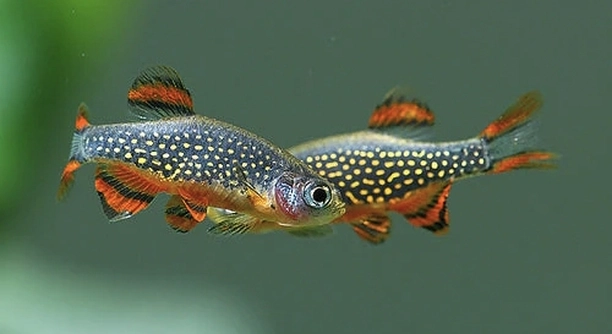
Do you ever notice your danios darting endlessly across the tank, leaving little time for calm observation? Watching them can feel overwhelming, especially when the water is full of constant movement and flashes of color everywhere.
Providing peaceful breaks in a busy danio tank involves creating spaces and conditions that reduce stress and allow natural resting behaviors. Introducing hiding spots, gentle water flow, and areas with subdued lighting encourages calm periods for the fish.
Finding ways to help your fish rest quietly improves their well-being and makes the tank a more enjoyable place to watch.
Creating Gentle Hiding Spots
I noticed that adding simple hiding spots in my danio tank changed how peaceful it felt. Small caves, dense plants, or driftwood gave the fish places to rest without being disturbed. Danios, though active, appreciate spaces where they can pause and feel secure. I started with a few moss-covered rocks and plastic plants. Over time, they learned to explore but always returned to these quiet corners. Watching them tuck into the shadows reminded me that even small creatures need downtime. The tank seemed calmer overall, and I felt less rushed when checking on them. Adjusting the layout so that these hiding spots were accessible but not crowded made a big difference. I also realized that mixing plant heights gave depth, letting them choose their comfort level. The fish became more relaxed, and I could observe subtle behaviors I had missed before. Hiding spots are simple but very effective at promoting calm.
Adding gentle shelters allows your fish to rest naturally without constant swimming.
Strategically placing dense plants near the tank edges while leaving open swimming areas creates balance. The plants filter water gently, soften lighting, and break up visual space. Driftwood or small caves offer additional layers of cover. Observing fish use these spaces reveals calmer swimming patterns and more predictable behaviors. Overcrowding should be avoided, and plants should not block filtration or water flow. Periodically rotating decorations can maintain novelty while keeping the environment stable. Combining these elements ensures the tank feels structured yet natural.
Adjusting Water Flow
Moderate water flow is essential for creating peaceful periods. Too strong a current keeps danios in constant motion, while too weak water can reduce oxygen levels, making the tank less healthy.
I learned that installing a small sponge filter with adjustable output works well. Positioning it near one side of the tank created gentle currents that let the fish swim comfortably without being forced to dart. The main swimming areas stayed open, while calmer corners offered still water for rest. Monitoring how the fish responded over several days helped me find the perfect flow. Temperature consistency also played a role; slightly cooler areas near hiding spots encouraged rest. Plants helped diffuse water movement, preventing strong surges near the bottom. By observing when danios paused and hid, I could adjust placement and flow until the environment supported both activity and calm. This setup minimized stress and made the tank feel less chaotic. Adjusting water flow thoughtfully can transform the tank experience for both the fish and the observer.
Dim Lighting Zones
Lowering light intensity in parts of the tank gives danios a calm retreat. Bright overhead lights can be stressful, while shaded areas let them rest quietly and maintain natural behaviors.
I added floating plants and taller decorations to create shaded corners. These areas became favorite spots for my danios to pause during busy periods. The floating plants filtered light softly, casting gentle shadows and reducing reflections on the glass. I noticed the fish resting more often and showing less frantic swimming. Shaded areas also made it easier to observe subtle behaviors, like fin flicks or gentle schooling. By balancing light across the tank, I maintained both active swimming zones and peaceful retreats, helping the fish feel safe and secure without changing their natural routines.
Providing gradual transitions between bright and dim zones prevents sudden stress. Fish can move freely, choosing where to rest based on comfort and light preference.
Scheduled Feeding Breaks
Keeping a consistent feeding schedule reduces chaos in the tank. Danios respond well to predictable routines, which helps maintain calm swimming patterns throughout the day.
I started feeding at the same times daily, using small portions that the fish could consume quickly. This prevented competition and frantic chasing, as each danio knew when to expect food. Over time, they became more relaxed between meals, exploring the tank calmly rather than darting constantly. Using a feeding ring or scattering food in one area also helped focus activity and minimize disturbance in other zones. Watching them pause and eat without rushing showed me how structure affects behavior. Feeding predictably also made it easier to monitor health, as changes in appetite became obvious quickly. Small, regular meals contribute to a balanced, peaceful tank environment.
Adjusting feeding amounts and timing carefully ensures all fish get their share while maintaining calm. Observation and minor tweaks can refine this routine for maximum benefit.
Soft Substrate Areas
Adding a soft substrate gives danios a comfortable place to rest near the bottom. Coarse gravel can be rough on their fins, while sand or fine pebbles allow gentle movement and natural foraging behaviors.
I noticed my danios lingered longer on sandy patches. They nibbled gently at the surface and explored without rushing. These soft areas created small, peaceful zones where the fish could pause safely. It also reduced minor injuries from sharp edges and helped maintain calm behavior across the tank. The combination of soft substrate and hiding spots made resting more appealing, and I could observe more relaxed interactions.
Plant Groupings
Dense plant clusters provide visual shelter and reduce stress. Danios use these spots to rest while still feeling aware of their surroundings.
Arranging plants in layered groups near the edges and corners worked best for my tank. Taller plants created vertical cover, while smaller foreground plants offered low-lying refuge. These clusters broke up the open swimming space, allowing calm pockets between activity zones. I noticed less frantic swimming and more frequent pauses near the plants. Over time, danios used these areas consistently, moving in and out naturally. Plant groupings also improved water quality and oxygenation, indirectly contributing to a more peaceful environment. Watching the fish navigate between dense and open areas revealed their preference for structured spaces. This method encouraged rest without isolating them, balancing activity and calm effectively.
Minimal Tank Disturbance
Frequent tapping or moving decorations can stress danios and disrupt calm periods.
How often should I create quiet zones in my danio tank?
Quiet zones can be established in multiple areas, depending on tank size. I found that having at least two or three distinct spaces worked well for my group of danios. One zone near the back with taller plants, another with a soft substrate patch, and a third with floating plants provided enough variety. Danios naturally spread out, choosing spots where they feel safest. Over time, I noticed they consistently returned to these zones, indicating they appreciated having options. Creating multiple quiet zones helps prevent stress and allows rest without forcing the fish into one single area, which can lead to crowding or conflicts.
What type of plants work best for peaceful breaks?
Dense and varied plants work best. I used a combination of tall background plants and low foreground plants to create layers. Floating plants offered soft shadows and diffused light, while moss-covered surfaces added texture. Hard-leaved plants can sometimes scratch fins, so softer options are better. The goal is to create areas where the fish feel sheltered but still visible enough to swim freely. Plant groupings should leave open swimming zones to avoid blocking movement. Over time, I noticed my danios choosing spots based on plant height, density, and proximity to water flow. Using a mix of species encourages natural behavior and provides ongoing comfort.
Is dim lighting necessary for calmer fish?
Yes, dim lighting helps danios rest. I reduced overhead lighting in certain sections while keeping other areas brighter for normal activity. Shaded corners under floating plants or behind tall decorations gave them preferred resting spots. The gentle contrast allows fish to choose how much light they experience, which reduces stress. Sudden bright lights often caused frantic swimming or hiding, while gradual transitions kept them comfortable. Dim lighting doesn’t mean darkness—it’s about balance. Over time, the fish learned where they could pause, and I could see calmer swimming patterns. Light adjustments are simple but highly effective for creating peaceful breaks.
How can I manage feeding to reduce tank chaos?
Feeding small amounts at the same times daily prevents frantic chasing. I started giving two to three tiny portions instead of one large meal. Scattering food in one area or using a feeding ring helped focus activity, leaving other zones calm. Predictable feeding schedules let danios anticipate food and settle between meals. I noticed less aggressive chasing and more organized swimming when they knew when to expect feeding. Monitoring portions ensures all fish eat without overcrowding or excessive waste. Structured feeding supports calm behavior and allows for observation of appetite or health changes without disrupting peace in other areas of the tank.
Can water flow affect how peaceful my danios are?
Absolutely. Strong currents keep them constantly swimming, which prevents rest. I adjusted my sponge filter to create gentle flow near one side of the tank. Open areas remained calm, while corners had slower water movement. Danios naturally moved to calmer spots when they wanted to rest. Observing behavior over a few days helped me find the best balance between oxygenation and peaceful zones. Plants and decorations can diffuse current further, preventing stress from sudden surges. Properly managed water flow supports both activity and rest, making the entire tank environment healthier and less chaotic.
Do soft substrates make a difference?
Yes, soft substrates encourage resting near the bottom. I switched coarse gravel for fine sand in small patches. Danios paused, nibbled, and explored more gently. Soft substrate reduces minor injuries from rough edges and complements hiding spots. The combination of safe surfaces and plant clusters created appealing zones for calm behavior. Over time, I noticed they used these areas consistently, especially near dimly lit corners. Substrate choice may seem minor but plays a significant role in comfort, allowing fish to rest naturally without stress.
How often should I disturb the tank?
Minimal disturbance is best. I stopped tapping the glass or moving decorations frequently. Danios became noticeably calmer, resting longer in preferred spots. Only essential maintenance or careful rearrangement should occur. Predictable conditions help them feel secure, reducing sudden stress reactions. Observing from outside without touching the tank encourages natural resting behavior. The fish quickly adapted to this routine, showing more relaxed swimming and using quiet zones more effectively.
Can I combine all these methods at once?
Yes, combining hiding spots, soft substrates, plant groupings, gentle flow, dim lighting, and structured feeding created the calmest environment I’ve seen. Danios adapted quickly, moving freely between active swimming areas and peaceful zones. Each method complements the others, making the tank both functional and serene. By layering these strategies, I maintained balance, reduced stress, and encouraged natural resting behaviors without isolating the fish. Observation remained easy, and minor adjustments allowed continuous improvement of their environment. Combining approaches is practical and effective for long-term peace in a busy danio tank.
Creating a peaceful environment in a busy danio tank requires attention to small details and a thoughtful approach. I realized that simple adjustments can make a big difference in the overall behavior of the fish. Providing hiding spots, soft substrate, and shaded areas allows danios to rest naturally. These zones give them a sense of security without limiting their activity. Watching the fish move between calm and open areas showed me how important balance is. It isn’t about making the tank completely still but about offering choices that support natural behaviors. Even small changes, like adding a few plants or a tiny cave, can reduce stress significantly. Over time, the fish became more relaxed, and the tank felt more organized and less chaotic.
Adjusting environmental factors like water flow and lighting also contributes greatly to peaceful periods. I learned that gentle currents help the fish swim comfortably without forcing constant motion. Dimmed lighting or shaded zones allow them to pause without feeling threatened by sudden brightness. Combining these elements with structured feeding schedules improved calmness even further. The fish became more predictable in their behavior, making it easier to observe them closely. It also helped me notice subtle signs of health or stress that I might have missed before. By paying attention to these details, I was able to create a more stable and comfortable habitat that supports both active and resting behaviors. Peaceful breaks don’t happen by accident—they require deliberate planning and care.
Overall, maintaining calm in a danio tank is about understanding the fish’s needs and creating an environment that respects their natural instincts. Using hiding spots, plant groupings, soft substrates, gentle water flow, and predictable feeding all work together to promote rest and reduce stress. I found that combining these approaches produced the best results. Watching the fish move between zones and rest quietly gave a new sense of satisfaction. It’s rewarding to see them thrive in a balanced environment where they feel safe but still have room to explore. These adjustments are simple, practical, and make a noticeable difference in the quality of life for the fish. A calm tank is not just better for the danios but also more enjoyable to observe, turning a busy aquarium into a space where peace and activity coexist naturally.

Hello,
If you enjoy the content that we create, please consider saying a "Thank You!" by leaving a tip.
Every little bit helps us continue crafting quality advice that supports the health, happiness, and well-being of pets around the world, for pets of all shapes, sizes, and species.
We really appreciate the kindness and support that you show us!