
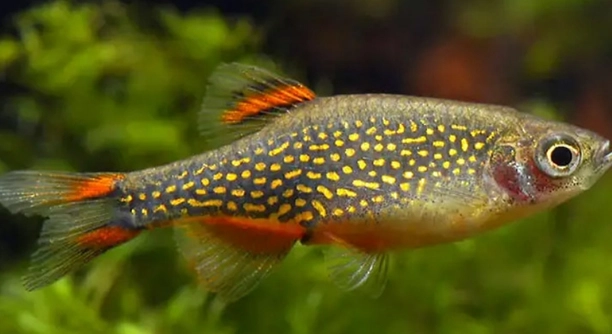
Do you ever notice how your danios react during regular tank cleaning? Some swim frantically, while others hide or pause in place. These tiny fish have unique responses to changes in their environment that are worth observing closely.
Danio reactions to routine tank maintenance vary depending on stress levels and environmental changes. Common responses include increased swimming activity, hiding, color fading, and altered feeding behavior, reflecting their adaptive strategies and sensitivity to sudden water disturbance.
Observing these behaviors helps improve your fish care routines and ensures your tank remains a stable, healthy environment for them to thrive.
Sudden Darting and Rapid Swimming
During routine tank maintenance, many danios exhibit sudden bursts of speed, darting across the aquarium. This behavior is a direct response to changes in water currents, sudden movements, or disturbances in their environment. Even minor adjustments, such as repositioning decorations or cleaning the substrate, can trigger this reaction. These fish are naturally alert and responsive to perceived threats, and the increased movement helps them regain a sense of control in a temporarily altered habitat. Observing their swimming patterns during maintenance provides insight into their stress levels and overall comfort. It’s important to monitor water parameters, as fluctuations in temperature, pH, or cleanliness can amplify these reactions. Over time, danios may acclimate to regular cleaning routines, showing reduced panic and smoother movements. Maintaining consistency in the timing and method of tank maintenance can minimize stress and promote healthier behavior. Regular observation ensures the fish remain active without becoming overly anxious or fatigued from repeated darting.
Maintaining calm during these bursts helps prevent injuries or collisions with tank decorations, ensuring safety for all fish.
Consistent and gentle cleaning practices reduce extreme reactions in danios. Observing their initial panic followed by gradual adjustment can guide your handling approach. Over time, fish learn the rhythm of water changes, responding less frenetically. Introducing slight pauses during maintenance, like temporarily lowering water flow or moving items slowly, gives the fish moments to settle. Monitoring water parameters before and after cleaning prevents environmental shocks, supporting stable behavior. Providing hiding spots also gives them a retreat, which lessens panic and helps them feel secure during disturbances. This combination of observation, patience, and careful handling creates a calmer atmosphere and improves their overall well-being.
Hiding and Seeking Shelter
Danios often retreat to plants, rocks, or corners during tank cleaning, showing an instinctive need for safety.
Hiding behavior is influenced by sudden light changes, unfamiliar movements, or removal of familiar objects. Fish may remain concealed until activity ceases, using cover to avoid stress. Gradual acclimation reduces the frequency and duration of hiding episodes. Providing adequate shelter and minimizing abrupt movements encourages them to feel safe, while repeated observations of their preferences allow adjustments to tank layout. Over time, danios demonstrate reduced reliance on hiding, emerging sooner after disturbances and resuming normal activity patterns. Recognizing the locations they favor for refuge helps plan cleaning routines to minimize unnecessary stress. Understanding these tendencies ensures a stable environment and supports long-term health, balancing natural instincts with a well-maintained tank.
Color Fading and Dull Appearance
Danios often lose some vibrancy during tank maintenance, appearing paler than usual. Stress from movement, water changes, or handling can temporarily affect their coloration.
Color fading occurs as a physiological response to stress and environmental changes. When water is disturbed or decorations are moved, danios may experience mild shock, reducing pigment visibility. Over time, if conditions stabilize, colors return to normal. Temperature fluctuations or improper water chemistry can intensify the effect, so maintaining consistent parameters is crucial. Observing these changes helps track their health and stress levels, ensuring interventions are timely and effective. Temporary paleness is normal, but persistent dullness may indicate deeper issues requiring careful monitoring.
Providing stable water conditions, gradual changes, and minimal disturbance allows danios to regain full coloration. Stress reduction through consistent routines helps maintain their natural vibrancy and overall well-being.
Altered Feeding Behavior
Danios may ignore food or eat less during cleaning sessions, showing reduced appetite.
Stress from tank maintenance can temporarily suppress feeding. Fish often focus on avoiding disturbances, retreating to shelters, or swimming erratically instead of eating. Even familiar feeding routines may be disrupted if water flow or placement of food changes. Observing shifts in feeding behavior allows aquarists to adjust schedules or feeding methods. Gradual reintroduction of food and maintaining calm water conditions helps danios resume normal intake more quickly. Temporary changes are natural, but ongoing appetite loss should prompt review of water quality, temperature, and overall tank health to prevent nutritional deficiencies.
Adjusting maintenance timing, limiting abrupt movements, and providing hiding spots helps fish regain comfort. Over time, danios adapt to routine cleaning, returning to normal feeding patterns and maintaining steady growth and health within the tank environment.
Increased Hiding Spots
Danios often seek more cover during cleaning. Plants, rocks, and corners become safe havens when activity disturbs them.
This hiding behavior is natural and instinctive. Providing ample shelter reduces stress and allows fish to feel secure. Gradually, they may emerge sooner as they become accustomed to maintenance routines.
Grouping and Shoaling
During tank disturbances, danios frequently cluster together. Shoaling is a protective response, helping them feel safer amidst sudden movement or water changes. Being in a group reduces individual stress and allows them to coordinate movement. Observing these patterns gives insight into social dynamics and stress levels. Shoaling also improves overall activity regulation, keeping fish calmer during routine maintenance. Consistent handling encourages them to maintain predictable group behavior, preventing panic and erratic swimming. Understanding how danios interact socially helps in arranging tank space and hiding areas effectively, ensuring their well-being during and after maintenance tasks.
Curiosity After Disturbance
After cleaning, danios often explore the tank more actively. They check new or repositioned objects and investigate previously disturbed areas.
FAQ
Why do my danios dart around during cleaning?
Danios dart because sudden movement or water changes trigger their natural flight response. They are highly alert fish and perceive disturbances as potential threats. Quick swimming helps them regain control and avoid danger. Over time, consistent cleaning routines and gentle handling reduce frantic movement, allowing them to settle faster. Maintaining steady water parameters and avoiding abrupt changes in tank layout also minimizes these bursts of speed. Observing their swimming behavior gives insight into stress levels and helps guide better maintenance practices.
Why do my danios hide when I clean the tank?
Hiding is a survival instinct. Danios retreat to plants, rocks, or corners when they feel threatened by activity in the tank. This behavior helps them feel secure while disturbances occur. Providing sufficient cover and reducing sudden movements can lessen hiding frequency. Over time, fish learn that maintenance is not harmful and emerge sooner, resuming normal activity. The duration and choice of hiding spots can indicate comfort levels and guide adjustments to tank layout or cleaning techniques.
Why do my danios lose color during maintenance?
Color fading happens when fish experience stress. Changes in water flow, lighting, or handling can cause temporary dulling of pigment. Stress hormones affect skin coloration, making them appear paler. Maintaining stable water conditions, consistent temperature, and careful handling ensures faster recovery. Color usually returns once the environment stabilizes. Persistent paleness may indicate deeper stress or health issues that require water testing or observation for illness. Recognizing temporary versus prolonged fading helps determine whether intervention is needed.
Why do my danios eat less during cleaning?
Reduced feeding is a common reaction to stress. Fish focus on avoiding disturbances rather than eating. Changes in water flow, placement of food, or tank rearrangement can cause hesitation or refusal to feed. Gradual reintroduction of food and calm handling encourages a return to normal feeding patterns. Temporary appetite loss is normal, but prolonged disinterest may indicate poor water quality, temperature fluctuations, or illness. Monitoring feeding behavior helps prevent nutritional deficiencies and ensures overall health.
Why do my danios shoal more during maintenance?
Shoaling is a protective strategy. When disturbed, danios group together for safety, reducing individual stress. Being in a cluster allows them to coordinate movements and feel more secure. Observing shoaling behavior helps understand social dynamics and stress levels. Providing enough space and hiding spots supports natural grouping while preventing panic. Over time, fish adapt to cleaning routines, maintaining predictable shoaling patterns without excessive agitation.
Why do my danios explore after cleaning?
Exploration is a natural behavior after disturbances. Once maintenance ends, danios investigate repositioned objects, newly cleaned areas, and their environment. This curiosity allows them to assess safety and re-establish territory. Encouraging gentle exploration supports mental stimulation and healthy activity levels. Observing post-cleaning behavior indicates comfort and adaptation to the tank routine, helping refine cleaning practices for minimal stress.
How can I reduce stress during tank maintenance?
Consistency and careful handling are key. Perform water changes and cleaning at similar times and intervals. Avoid sudden movements, maintain stable water parameters, and provide ample hiding spots. Gradual adjustments, such as lowering water flow or moving decorations slowly, reduce panic. Monitoring fish responses over time helps fine-tune maintenance to support calmer behavior and overall health.
Is it normal for my danios to react differently to the same cleaning routine?
Yes, individual differences are common. Some danios may dart, others hide, or some may show temporary color fading. Factors include age, temperament, and social hierarchy. Recognizing these differences helps provide tailored care, ensuring that all fish remain healthy and stress levels are minimized during maintenance routines.
What should I do if my danios appear overly stressed after cleaning?
If stress signs persist, check water parameters, temperature, and oxygen levels. Provide additional hiding spaces and reduce disturbances until normal behavior returns. Avoid feeding immediately if fish are hiding, as this can increase stress. Gradual acclimation to maintenance routines and careful observation help restore comfort and prevent long-term effects.
How often should I perform tank maintenance to minimize stress?
Regular but consistent maintenance is best. Weekly partial water changes, gentle substrate cleaning, and slow adjustment of decorations keep conditions stable. Over-cleaning or infrequent large changes can increase stress. Observing fish reactions during and after cleaning helps determine the optimal schedule, keeping the tank healthy and fish behavior calm.
Can environmental enrichment reduce negative reactions during cleaning?
Yes. Providing plants, rocks, and hiding spots helps danios feel secure. Varied structures allow retreat and exploration, reducing panic and hiding. Enrichment supports natural behaviors and helps fish adapt to disturbances more calmly, improving resilience during routine tank maintenance.
Do danios need time to recover after cleaning?
Absolutely. Recovery time varies depending on stress levels. Allow fish to settle before feeding or adding new decorations. Monitoring behavior during this period ensures they regain normal activity, color, and feeding patterns. Consistent care supports long-term health and reduces repeated stress responses.
How can I tell if reactions are stress or illness?
Stress reactions are typically temporary and resolve once the environment stabilizes. Persistent hiding, color loss, or appetite reduction may indicate illness. Testing water quality and observing other symptoms like lethargy, abnormal swimming, or spots helps differentiate stress from health issues. Prompt attention prevents further complications and maintains overall tank balance.
What role does water quality play in danio reactions?
Water quality is critical. Poor conditions amplify stress reactions, including darting, hiding, and reduced feeding. Stable temperature, clean water, and proper oxygenation support calmer behavior. Regular testing and gradual changes during maintenance prevent environmental shocks, keeping danios comfortable and responsive without unnecessary stress.
How do I monitor danio reactions effectively?
Observation during and after maintenance provides insight into stress levels. Note swimming patterns, color changes, feeding behavior, hiding, and social interactions. Recording reactions over time helps identify patterns, assess tank conditions, and adjust routines for calmer, healthier fish. Consistent monitoring ensures proactive care and reduces the risk of chronic stress.
Can frequent cleaning make danios more resilient?
Gradual acclimation to routine cleaning can reduce extreme reactions. Fish learn to anticipate disturbances, showing less panic over time. Consistency, gentle handling, and maintaining stable water parameters support adaptation. While some individual variation persists, regular exposure under controlled conditions enhances overall resilience and well-being.
Should I change feeding times during maintenance?
It’s beneficial to feed after cleaning. Feeding during high activity or stress may be ignored and increase agitation. Providing food once fish are calm encourages normal intake. Observing their response ensures proper nutrition and minimizes stress-related behavior. This simple adjustment helps maintain healthy feeding routines.
Do danios prefer specific hiding spots?
Yes. Individual fish often select preferred shelters such as plants, rocks, or corners. Observing these choices helps optimize tank layout. Ensuring a variety of secure spots supports natural instincts, reduces stress, and allows calmer behavior during maintenance. Consistent access to these refuges improves overall comfort.
How long does it take for reactions to normalize?
Reactions usually stabilize within minutes to hours after maintenance, depending on the disturbance level and fish temperament. Color, feeding, and activity gradually return to normal. Monitoring and providing stable water conditions ensures recovery is smooth and prevents prolonged stress.
Can tank size affect danio reactions?
Smaller tanks often amplify stress, as fish have less space to escape disturbances. Larger tanks allow more room to hide and explore, reducing panic. Adjusting maintenance techniques and providing ample shelters helps compensate for limited space, supporting calmer behavior across all tank sizes.
Is it necessary to observe each danio individually?
Individual monitoring is helpful. Fish may react differently to the same disturbance. Tracking specific behaviors ensures early detection of stress, illness, or injury. Tailored observation allows adjustments to tank care and supports overall health, particularly in mixed or larger groups.
Do decorations impact stress levels during cleaning?
Yes. Moving or removing familiar objects can trigger hiding or darting. Consistent placement and gradual adjustments reduce stress. Offering multiple hiding options and stable environments encourages calm behavior and helps danios adapt smoothly to maintenance routines.
How important is lighting during maintenance?
Lighting changes can increase stress. Sudden brightness or dimming may cause hiding or frantic swimming. Gradually adjusting light intensity and maintaining consistent schedules minimizes stress and supports normal behavior patterns. Monitoring responses to light helps fine-tune tank care practices.
Should I handle danios directly during cleaning?
Direct handling should be minimal. Danios are sensitive and can be injured easily. Using nets only when necessary and moving items slowly reduces stress. Limiting direct contact ensures safer maintenance and preserves natural behaviors.
Can reactions differ between young and adult danios?
Yes. Juveniles may be more skittish, while adults may tolerate disturbances better. Recognizing age-related differences helps tailor care and predict stress responses during routine maintenance, supporting healthier adaptation for all life stages.
Do water changes affect reactions more than other cleaning tasks?
Partial water changes are a major factor in stress reactions due to shifts in water chemistry, temperature, and currents. Gentle and gradual changes minimize panic. Properly prepared replacement water reduces shock, keeping fish calm during maintenance.
How can I create a low-stress cleaning routine?
Consistency, slow movements, stable water parameters, adequate hiding spots, and proper lighting are key. Observing fish responses and adjusting tasks gradually supports a calmer environment. This approach minimizes stress, encourages normal behavior, and maintains overall tank health.
Are danios naturally sensitive to routine maintenance?
Yes. Danios are active and alert, reacting to changes in currents, light, and surroundings. Understanding their behavior allows careful handling, supporting their well-being while keeping the tank clean and stable.
Danios are lively and sensitive fish, and their reactions to routine tank maintenance are a natural part of their behavior. Observing them during cleaning provides insight into how they perceive changes in their environment. Some will dart across the tank, while others hide in plants or behind decorations. Temporary color fading and reduced feeding are also common responses. These behaviors are not necessarily signs of illness but rather stress responses to sudden movement, changes in water flow, or alterations in their familiar surroundings. Understanding these reactions allows you to adjust your approach to maintenance in ways that minimize stress and support their overall well-being. Consistency and careful observation are key elements in ensuring that your fish remain healthy while your tank stays clean.
Creating a maintenance routine that is predictable and gentle helps danios adapt more quickly. Simple actions such as moving decorations slowly, performing water changes at regular intervals, and providing adequate hiding spots can reduce panic and frantic swimming. Monitoring water quality before and after cleaning is also important, as fluctuations in temperature, pH, or cleanliness can amplify stress responses. Some fish may take longer to acclimate, depending on their individual temperament, age, and social dynamics within the tank. Shoaling behavior, for instance, can indicate that they are seeking security, while post-cleaning exploration shows they are assessing their environment and regaining comfort. By noting these patterns, you can tailor your cleaning techniques to suit the specific needs of your danios, creating an environment where they feel safe and secure during maintenance activities.
Regular observation and patience are essential for long-term fish care. Over time, danios often become accustomed to the routine, showing less intense reactions and resuming normal feeding, activity, and coloration more quickly. Providing stable water conditions, consistent lighting, and environmental enrichment supports their natural behaviors and reduces stress during disturbances. Recognizing that each fish may respond differently allows you to adjust your maintenance approach accordingly. By being mindful of their reactions and making small, thoughtful adjustments, you can maintain a healthy tank without causing unnecessary stress. This not only promotes the well-being of your danios but also helps you enjoy a more balanced and harmonious aquarium. A calm, carefully managed environment ensures that your fish remain active, colorful, and healthy, making routine maintenance a manageable and effective part of aquarium care.

Hello,
If you enjoy the content that we create, please consider saying a "Thank You!" by leaving a tip.
Every little bit helps us continue crafting quality advice that supports the health, happiness, and well-being of pets around the world, for pets of all shapes, sizes, and species.
We really appreciate the kindness and support that you show us!