
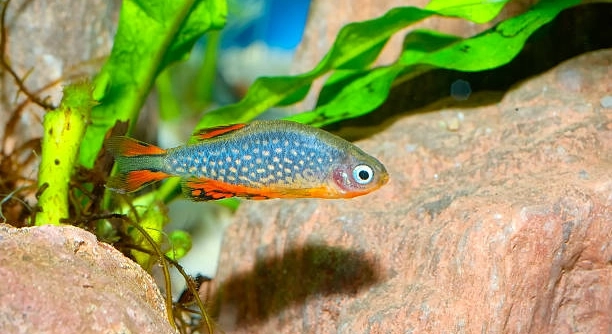
Danios are known for their vibrant colors that brighten any aquarium. Observing a sudden shift in their hues can be fascinating, as these small fish often respond visibly to changes in their environment or mood.
Danio coloration intensifies briefly due to a combination of factors including stress, excitement, mating behavior, environmental lighting, water quality, temperature fluctuations, and social interactions. Each factor triggers physiological changes in the fish, causing temporary enhancement of pigment cells.
Recognizing these moments can help you better understand your fish’s behavior and overall well-being in their aquatic home.
Environmental Changes
A sudden change in water conditions can cause danios to display brighter colors for short periods. Adjustments in temperature, pH, or water hardness can stress the fish slightly, triggering their natural pigments. Even small variations, like shifting the tank’s lighting or adding new decorations, can make their colors appear more vivid. Observing this, it’s clear that danios react quickly to environmental cues. These color changes are temporary, and the fish usually return to their normal hues once they acclimate. Maintaining stable water conditions helps reduce frequent stress-induced color shifts. Careful monitoring of water parameters and consistent maintenance routines can minimize sudden color intensifications. Danios are sensitive creatures, and their coloration serves as a visual indicator of how they are feeling in their environment.
Brief changes in lighting or water adjustments can instantly trigger brighter colors, showing how responsive danios are to their surroundings.
Tracking these shifts allows owners to anticipate stress or excitement. By noting patterns, you can better understand how minor environmental changes affect your fish’s appearance and behavior over time.
Social Interactions
Danios often intensify their colors when interacting with other fish in the tank. Presence of mates or competition among males can lead to brighter displays, signaling dominance or readiness to breed. Social dynamics are a key factor in short-term color intensification.
These interactions influence behavior, with dominant individuals often appearing the most vivid and active within the group.
Mating displays are one of the most striking causes of brief color changes. Male danios show enhanced pigmentation to attract females, while females may also display temporary intensity during courtship. Territorial disputes can produce similar effects, as fish attempt to assert themselves. The colors usually fade once the interaction ends. Understanding these social cues is valuable for maintaining a harmonious tank. Observing these behaviors provides insight into your danios’ communication methods, revealing their instincts and responses. Social context is essential when interpreting color shifts, and careful observation can improve both tank management and fish welfare.
Feeding Response
Danios often show brighter colors when food is introduced. Excitement and anticipation stimulate their pigments, making them appear more vibrant as they swim quickly toward the source of nourishment.
Feeding time triggers temporary physiological responses in danios. Their natural pigments react to excitement and hunger, causing a brief intensification of color. This is more noticeable when offering favorite foods or live prey, which sparks activity. The fish may dart around energetically, and their fins can appear slightly more translucent. Observing this response helps identify which foods your danios prefer. Repeated patterns during feeding sessions can indicate general health and well-being. Color intensification in these moments is harmless and a natural expression of their alertness.
In addition, the intensity can indicate overall vitality. Healthy danios display brighter, more noticeable colors, whereas duller hues may signal stress, illness, or nutritional deficiencies. Keeping a consistent feeding schedule helps maintain both coloration and health. By noting color changes during meals, it is easier to monitor the fish’s condition and ensure they remain active and well-nourished.
Temperature Fluctuations
Minor shifts in water temperature can make danios’ colors briefly more vivid. Warmer or cooler conditions than usual trigger physiological changes that affect pigmentation.
Temperature affects metabolism and circulation in danios, which directly influences how their colors appear. When water warms slightly, increased blood flow can enhance reds, oranges, and yellows in their scales. Cooler water may intensify certain blues and silvers. Sudden changes, however, can cause stress, so monitoring is important. Gradual adjustments minimize negative impacts while still allowing brief color intensification to occur naturally. Observing these shifts provides insight into their comfort levels. Maintaining stable conditions is key to overall health and consistent coloration.
Light Exposure
Danios’ colors often intensify under bright or direct light. Their pigments react quickly, making the fish appear more vivid as they move around the tank.
Shifts in lighting, such as turning on aquarium lights or natural sunlight, can temporarily enhance colors. The effect is harmless and usually short-lived.
Stress Responses
Stress can cause a brief intensification of danio colors. Factors like sudden movements, new tankmates, or water changes trigger this reaction.
Danios respond to perceived threats by activating pigment cells, making colors more pronounced. This heightened coloration is temporary and typically fades once the fish feels secure again.
Mating Displays
During mating behavior, danios’ colors become strikingly vivid. Males often show more intense pigmentation to attract females and signal readiness to breed.
Color changes during courtship serve as visual communication. Male danios display brighter hues along their body and fins, while females may also show temporary intensification to indicate receptiveness. These displays are brief and closely linked to reproductive cycles.
FAQ
Why do danios change color suddenly?
Danios change color briefly in response to various stimuli. Environmental changes, social interactions, feeding, stress, or mating can trigger pigment cells to react. These shifts are usually temporary and serve as natural signals of mood, excitement, or health status. Sudden color changes are a normal part of their behavior.
Is it harmful if my danio’s color intensifies?
Short-term color intensification is generally harmless. It indicates physiological or emotional responses rather than illness. However, prolonged or unusual color changes paired with lethargy, loss of appetite, or abnormal swimming may suggest health issues. Monitoring behavior alongside color shifts ensures the fish remain healthy.
Can tank lighting affect their colors?
Yes, lighting strongly influences danio coloration. Bright or direct light can enhance pigment visibility, making colors appear more vivid. Natural sunlight or aquarium lights trigger temporary intensification. Gradual light changes help maintain stability while allowing natural displays to occur safely.
Do water changes affect their pigmentation?
Water changes can briefly intensify color because of slight stress or environmental adjustment. Danios react to shifts in temperature, pH, or water chemistry by activating pigment cells. Gradual water changes minimize stress and prevent excessive or prolonged color alterations.
Does temperature play a role in color intensity?
Temperature fluctuations can affect metabolic rates and circulation, influencing pigment visibility. Slight increases may enhance reds and yellows, while cooler water can intensify blues or silvers. Sudden changes may stress the fish, so maintaining consistent temperature ensures healthy coloration and behavior.
Why do colors get brighter during feeding?
Feeding excites danios, stimulating pigment cells temporarily. Anticipation of food or the presence of favorite treats increases activity, making fins and body colors appear more vivid. Observing this response helps gauge appetite and overall vitality in the tank.
Can social interactions cause color changes?
Yes, interactions with other fish often trigger brief color intensification. Dominance, territorial displays, or mating behavior can make males or females appear more vivid. These visual signals communicate readiness to breed, assert dominance, or indicate stress levels among tankmates.
Do stress or threats influence their appearance?
Stressful situations, such as sudden movements, new fish, or disturbances, activate pigment cells. Colors intensify temporarily as a defensive or alert response. Once the fish feels secure, colors return to normal. Recognizing these signs helps identify stressors in the tank environment.
Are there permanent ways to enhance their colors?
Permanent color enhancement depends on genetics, diet, and tank conditions. A nutritious diet, stable water quality, and proper lighting support natural pigmentation. While temporary intensifications are normal, consistent care ensures vibrant and healthy colors over time.
How often should I monitor their color changes?
Regular observation is important to understand patterns and identify potential health concerns. Noting when and why colors intensify allows you to respond appropriately to environmental changes, social dynamics, or feeding habits. Tracking these shifts ensures your danios remain healthy and visually vibrant.
Do females and males show different color responses?
Males typically display more intense coloration during courtship or dominance displays. Females may also show temporary intensification during mating or heightened alertness. Understanding these differences helps interpret social behavior and reproductive readiness within the tank.
Can diet influence temporary color changes?
Certain foods can make colors appear brighter immediately after feeding due to excitement. Over time, a balanced diet rich in carotenoids and nutrients supports natural pigmentation. Observing short-term intensifications during meals helps gauge preferences and dietary impact.
Is color change a reliable health indicator?
Brief color intensifications alone are not usually a sign of illness. However, consistent dullness or unusual prolonged changes paired with behavioral shifts can indicate stress, poor water quality, or disease. Monitoring both color and behavior provides a more accurate assessment of fish health.
Do lighting schedules affect regular color patterns?
Consistent lighting schedules help maintain predictable coloration. Sudden changes in light intensity or timing can trigger temporary intensification or fading. Establishing a steady day-night cycle encourages natural pigment regulation and reduces stress-related shifts.
Can multiple factors influence color at the same time?
Yes, environmental, social, and physiological factors often interact. A sudden water change during feeding or mating activity can create overlapping responses, leading to very vivid but temporary color displays. Understanding these interactions allows better interpretation of your danios’ behavior.
How long do these intensifications usually last?
Temporary color intensifications typically last from a few seconds to several minutes, depending on the cause. Stress-related or excitement-induced changes fade once the stimulus ends. Observing patterns over time helps determine normal behavior versus potential health concerns.
Should I worry if colors fade quickly?
No, fading is natural once the triggering factor is gone. Short-lived intensifications indicate normal responses to environment, social interaction, or feeding rather than health problems. Regular care and observation ensure these temporary changes remain harmless.
Can new tankmates trigger color changes?
Introducing new fish can cause brief color intensification due to curiosity, excitement, or mild stress. Danios react to social hierarchy formation and environmental adjustments. Close observation ensures proper acclimation and prevents prolonged stress.
Do danios show different colors at night?
Colors often appear muted at night due to low light and decreased activity. This is normal and not a cause for concern. Pigment cells respond primarily to light, temperature, and activity, so nighttime dimming is part of their natural cycle.
Is it possible to predict when colors will intensify?
While exact timing cannot be predicted, patterns emerge based on feeding schedules, social interactions, and environmental changes. Observing daily routines helps anticipate brief intensifications and understand the factors that influence your danios’ visual displays.
Danios are small but expressive fish, and their brief color intensifications are a natural part of their behavior. Throughout the day, you may notice moments when their hues seem brighter, more vivid, or almost glowing. These changes are temporary and usually occur in response to a variety of factors, including environmental adjustments, social interactions, feeding, and mild stress. Observing these moments provides a window into how your fish are reacting to their surroundings. Water temperature, lighting, and even the presence of other fish in the tank can all influence their coloration. Understanding this helps in maintaining a healthy and balanced environment where your danios can thrive. While it can be surprising to see their colors shift so suddenly, these intensifications are usually harmless and indicate that the fish are alert and responsive. By keeping an eye on their behavior alongside these color changes, you can better ensure that their needs are being met and that they remain comfortable in their tank habitat.
Maintaining a stable environment is key to supporting natural color displays in danios. Regular water checks, consistent temperature, and gradual adjustments when necessary help reduce stress-induced color changes. Even small shifts in pH or hardness can trigger temporary pigment responses, so monitoring these factors is important. Feeding also plays a role, as danios tend to brighten when anticipating food or enjoying a favorite treat. Diets that include proper nutrients and carotenoids support healthy pigmentation over the long term, while poor nutrition may result in duller or inconsistent colors. Social dynamics among the fish should also be considered, as dominant males or mating behaviors often produce the most noticeable intensifications. Recognizing the link between these factors and temporary color changes can help you interpret your fish’s actions more accurately. By understanding the reasons behind these shifts, you can provide a stable, comfortable environment that allows natural behaviors and coloration to be expressed without unnecessary stress.
Ultimately, brief color intensifications in danios are an interesting and natural aspect of their behavior. These changes provide insight into how the fish are interacting with their environment, responding to others, and reacting to daily routines. Observing these moments can be both engaging and informative, as they reflect the fish’s overall health, energy levels, and social interactions. Paying attention to patterns in these intensifications allows you to anticipate how environmental changes, feeding, or tank adjustments may affect your fish. While these color shifts are fleeting, they are a sign that your danios are active, responsive, and alert. Maintaining consistent care, monitoring water quality, and understanding behavioral cues ensure that these bright moments remain safe and stress-free. Over time, this awareness helps create a harmonious tank environment where your danios can express their natural colors, engage in social interactions, and thrive in good health, making the experience of keeping them both enjoyable and rewarding.

Hello,
If you enjoy the content that we create, please consider saying a "Thank You!" by leaving a tip.
Every little bit helps us continue crafting quality advice that supports the health, happiness, and well-being of pets around the world, for pets of all shapes, sizes, and species.
We really appreciate the kindness and support that you show us!