
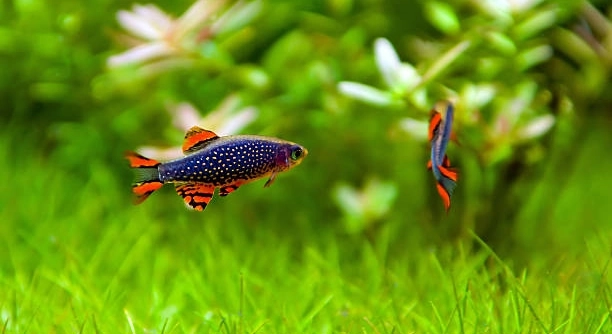
Have you ever noticed how young danios carry a certain charm in their tiny movements, giving them a special presence that sets them apart while they explore their surroundings with gentle energy each day today.
Juvenile danios display several distinctive traits that highlight their rapid development and active nature, including heightened schooling behavior, increased foraging patterns, and pronounced coloration shifts, which collectively reflect their early growth stages and contribute to understanding their broader behavioral profiles.
These early traits offer insight into their growth, creating a path for learning more about their behavior as they mature.
Heightened Schooling Behavior
Young danios tend to swim together in tight groups, creating a steady pattern that makes them easy to observe. This behavior begins early and becomes stronger as they grow, giving them a sense of structure in their tank. Their movements appear gentle but purposeful, and watching them can feel calming in a quiet way. When grouped closely, they react quickly to slight changes around them, shifting direction with simple coordination. This early schooling helps them learn how to stay aware of their surroundings, even in a controlled environment. It also supports their confidence as they adapt to feeding times and routine care. Over time, their ability to move as one becomes more refined, and their grouping style changes as their bodies develop. By paying attention to these early signs, you can better understand how their behavior might shift as they continue growing under steady conditions. This gives them steady support.
Their strong schooling behavior forms early and affects how they react to movement, light, and routine activity in the tank. It guides their comfort level, helping them stay coordinated and calm while they grow through their early stages as they adjust to changes within their environment each passing day gently.
As young danios refine their schooling habits, they start forming patterns that make their movements easier to interpret. These patterns can help you notice early signs of growth changes, feeding shifts, or slight stress responses. Their tight coordination may loosen as they mature, yet the early structure they build remains valuable for understanding their future tendencies. Observing these details in a steady manner can help you support their needs with simple adjustments. Their natural pace, combined with their awareness of each other, creates a foundation that shapes how they interact later in ways that feel steady and gentle for them.
Coloration Changes in Early Growth
Juvenile danios often display soft, shifting colors that become more defined as they grow. These early tones can show how well they are adapting, giving you a simple way to observe changes linked to health, comfort, and regular development in their tank during each small stage of their early growth.
Color development in young danios can shift steadily as their bodies mature, making these changes one of the most noticeable parts of their early growth. Their stripes and spots may appear faint at first, then strengthen over time as they gain structure and clarity. These gentle transitions can help you understand how well they are adjusting to feeding routines, tank size, lighting patterns, and overall care. When you watch these shifts closely, you can sometimes spot early signs of uneven growth or mild stress, allowing you to make simple adjustments that support their comfort. Their colors may brighten when they feel secure or soften slightly when they experience changes, giving you clues without needing complex observations. As their bodies lengthen and their fins gain shape, their patterns may become more organized, showing how their development moves forward day by day. Paying attention to these details offers a clearer understanding of what they need to continue thriving. By keeping their environment steady and predictable, you give them the support required for consistent color formation, allowing you to follow their growth in a calm and easy way. This steady attention helps maintain their comfort while encouraging stable progress throughout their early stages.
Increased Foraging Activity
Juvenile danios search for food with steady focus, showing quick movements when they notice small particles drifting nearby. Their active foraging helps them build confidence in their tank, making it easier for you to observe how they respond to simple feeding routines each day.
Young danios often explore every part of their space when searching for food, moving with light, sharp motions that show how aware they are of their surroundings. Their eagerness to investigate even the smallest crumbs helps reveal their comfort level in the tank. When their foraging becomes more organized, you may notice small patterns forming, such as preferred areas or specific times when they seem more alert. These early habits can tell you a lot about their health and how well they are adapting to the feeding schedule you provide.
As they continue growing, their foraging style becomes slightly more refined, showing smoother coordination and quicker responses. You may also see differences in how each individual approaches food, giving insight into their developing personalities. A consistent feeding plan helps them feel secure, allowing their behavior to stay predictable while still giving you room to adjust small details based on their reactions. Watching these simple patterns over time helps you understand how their early habits connect to their long-term growth, making their development easier to support in a steady way.
Rapid Fin Development
Fin growth in juvenile danios changes quickly, making it one of the clearer signs of early development. Their fins gain shape and strength as they grow, helping them move with greater balance while allowing you to notice subtle shifts that reflect their overall comfort and progress.
As their fins lengthen, young danios develop a more defined swimming style that helps them navigate their tank with better control. The increased movement range allows them to form smoother turns and quicker adjustments, which can show how secure they feel in their environment. When their fins begin to strengthen, their schooling patterns often appear more coordinated, reflecting their growing physical ability. By watching these gradual changes, you can better understand whether their space, diet, and lighting support healthy fin formation. Keeping these factors steady helps them maintain a consistent pace of development, giving you a clearer sense of how they are progressing during this early stage of growth.
Increased Sensitivity to Movement
Juvenile danios react quickly to slight movement around their tank, showing sharp shifts in direction when something catches their attention. Their awareness helps reveal how comfortable they feel, giving you simple clues about their stress levels and overall adjustment during early growth.
Their rapid responses often settle once they feel secure, and you may notice calmer movements as they adapt to routine activity. This sensitivity can guide you when adjusting lighting, tank placement, or feeding times, helping you maintain a steady environment that keeps them relaxed and responsive in a healthy way.
Developing Social Interactions
Young danios begin forming small social patterns that show how they relate to one another during early growth. Some may stay close to the group, while others explore short distances before returning. These simple interactions help you understand their comfort, allowing you to notice when their behavior remains steady or shifts slightly over time. Their developing social habits also show how well they adjust to tank size, population levels, and feeding routines, making it easier for you to support their growth by keeping their surroundings consistent and calm.
Early Growth Spurts
Growth spurts in young danios often appear suddenly, showing small but noticeable increases in size over short periods. These changes can help you track their nutrition needs, overall comfort, and early development, making it easier to provide support as they continue maturing.
FAQ
What makes juvenile danios behave differently from adults?
Young danios often display quicker reactions, tighter schooling, and more frequent foraging than adults. Their bodies and senses are still developing, so their actions tend to be sharper and more energetic. These early traits help them learn how to navigate their space and adapt to regular routines in a simple, steady way. As they mature, their movements usually become smoother and more controlled, but the habits they form early often influence how they act as adults. Paying attention to these signs can help you understand how they are progressing and whether their environment supports their growth.
How fast do juvenile danios grow in a healthy environment?
Their growth rate depends on feeding consistency, tank size, lighting, and water quality. When conditions remain stable, they usually grow at a reliable pace, showing small increases in size each week. Sudden growth spurts often appear during their first few months, especially when they receive steady nutrition. Watching their size changes over time helps you notice whether they are developing evenly or need slight adjustments in care. If growth seems slow, it may indicate that they need a more predictable feeding routine or a cleaner environment.
Why do young danios show stronger schooling behavior than adult danios?
Schooling helps them stay safe, feel secure, and understand movement cues from one another. Juveniles rely more on group behavior because it gives them structure while they adjust to new surroundings. As they grow, the tightness of their schooling may change, but the early habits often remain noticeable. When they feel comfortable, their schooling becomes smoother and more organized. If schooling becomes erratic, it may indicate stress or changes in their environment that need attention.
How can I tell if my juvenile danios are stressed?
Stress in young danios often appears through rapid darting, fading color, uneven schooling, or decreased appetite. Many of these signs are subtle, so steady observation helps you notice changes early. If they stay near the surface or hide more than usual, they may feel uneasy. Adjusting lighting, reducing sudden movement around the tank, and keeping feeding predictable can help them settle. When their colors brighten again and their swimming becomes smoother, they usually feel more at ease.
What should I feed juvenile danios for healthy development?
A mix of finely crushed flakes, small live foods, and gentle sinking options works well for young danios. They benefit from frequent small meals, which help support their rapid growth and constant movement. Keeping their diet simple and consistent helps them develop strong colors, steady energy, and balanced growth. Avoid overfeeding, since leftover food can affect water quality, which has a direct impact on their comfort and health.
Why do juvenile danios react so strongly to movement near the tank?
Their senses are developing quickly, making them highly responsive to motion, shadows, and shifting light. This alertness helps them stay aware of their surroundings, which is an important part of early survival behavior. Over time, they usually adapt to regular activity in the room and show calmer reactions. Keeping the tank in a stable location with soft lighting can help reduce sudden responses. As they become familiar with their routine, their movements often appear more controlled and steady.
Do juvenile danios show early signs of personality?
Yes, many young danios begin showing small differences in how they forage, explore, or interact with the group. Some stay close to the school, while others wander short distances before returning. These early traits can shift as they mature, but they often give you simple insight into their comfort levels. Watching their habits over time helps you understand what they need to feel secure and how they adapt to changes in their environment.
Final Thoughts
Observing juvenile danios as they grow offers a gentle look into how small changes shape their overall development in steady and meaningful ways. Their early traits give you a simple path to understand how they adjust to their tank, how they react to routine care, and how they respond to subtle shifts around them. When you watch their behavior closely, even the smallest details can help you notice how they are progressing from one stage to the next. Their movements, colors, and interactions shift gradually, and each stage reveals something new about their comfort, health, and growing confidence. Keeping their environment predictable helps them settle into these changes with ease, giving them room to grow at a steady pace without unnecessary stress. Over time, these observations become a helpful guide, allowing you to make small improvements that support their well being in a calm and consistent way.
Their growth is shaped by many simple factors that work together each day. Stable feeding routines, soft lighting, quiet surroundings, and clean water all play important roles in making sure they feel secure. Young danios depend on these steady conditions while their bodies and instincts develop, and maintaining that balance can help you prevent small issues before they grow into larger problems. Watching how they forage, school, or react to movement gives you clear clues about what they need. When their colors brighten, their swimming smooths out, or their schooling becomes more organized, it usually means they feel supported. These signs help you understand when conditions are right and when small adjustments may improve their comfort. Keeping this perspective helps you approach their care with patience, even when their behavior shifts from day to day.
As they mature, their early habits slowly settle into more defined patterns that reflect their growing physical and social abilities. Their schooling may loosen, their colors may strengthen, and their movements may appear calmer than before. These changes show how much progress they have made, and how the environment you provide shapes their development in simple yet meaningful ways. Understanding their early traits helps you stay aware of their long term needs and makes it easier to support their growth as they move from juvenile stages into adulthood. By paying attention to their behavior with a steady and gentle approach, you create a space where they can thrive. Their early traits may be small, but they offer valuable insight into how they grow, how they adapt, and how you can help them feel comfortable throughout each stage of their development.

Hello,
If you enjoy the content that we create, please consider saying a "Thank You!" by leaving a tip.
Every little bit helps us continue crafting quality advice that supports the health, happiness, and well-being of pets around the world, for pets of all shapes, sizes, and species.
We really appreciate the kindness and support that you show us!