
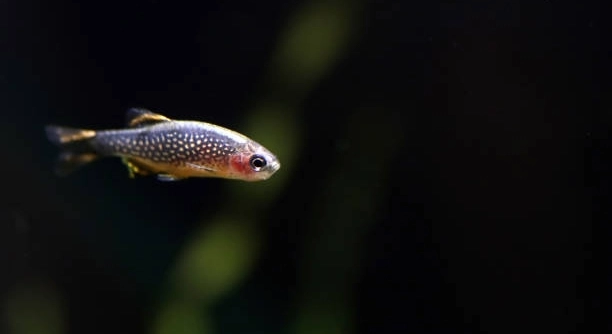
Do you ever find yourself wanting a lush aquarium but struggle with low-light conditions that limit plant choices? Many Danio owners face this challenge while trying to create a healthy and visually appealing tank environment.
Low-light plants such as Java fern, Anubias, Cryptocoryne, and mosses thrive in reduced lighting while providing shelter, oxygen, and natural enrichment for Danios. These plants are resilient, require minimal maintenance, and support the overall stability of freshwater aquariums.
Adding the right plants can transform your Danio tank, creating a more balanced and attractive underwater habitat for your fish.
Java Fern
Java fern is a hardy plant that thrives in low-light conditions, making it ideal for Danio tanks. Its broad leaves offer shelter and resting spots for fish while helping improve water quality by absorbing excess nutrients. This plant can attach to driftwood or rocks, which prevents it from being uprooted by active Danios. Unlike some plants, Java fern does not require substrate planting and can grow well in a variety of water conditions. Its slow growth makes it low-maintenance, reducing the need for constant trimming or care. It also helps control algae by competing for nutrients, creating a balanced tank environment.
Its resilience makes it suitable for both beginners and experienced aquarists looking to maintain a natural-looking tank.
By placing Java fern strategically, you can create shaded areas and vertical interest in your aquarium. Its leaves sway gently in the current, which Danios often enjoy swimming through. Over time, it forms dense clusters that can enhance tank aesthetics and provide hiding spots, reducing stress for fish. Java fern pairs well with other low-light plants like Anubias or mosses, creating diverse textures and a natural underwater landscape. Proper care involves occasional trimming of old leaves and ensuring water parameters remain stable.
Anubias
Anubias is a slow-growing, low-light plant suitable for Danio tanks. Its sturdy leaves resist damage from active fish.
This plant can attach to rocks or driftwood, and its thick leaves store nutrients, reducing frequent fertilization needs. Anubias tolerates a wide range of temperatures and water conditions, making it versatile. Its slow growth and low maintenance allow for stable aquascaping without constant trimming. Because it grows slowly, it is less likely to be overrun by algae, helping maintain a cleaner tank. Its roots do not require burying in substrate, so it is easy to reposition or rearrange. Pairing Anubias with other low-light plants creates depth and visual contrast, making the aquarium appear fuller. Regularly wiping off algae on its leaves keeps it looking healthy and vibrant, while providing shade and hiding spots for Danios. Over time, Anubias can develop a lush, green canopy that benefits fish behavior and improves the overall tank atmosphere.
Cryptocoryne
Cryptocoryne adapts well to low-light tanks and provides a natural hiding spot for Danios. Its roots anchor firmly in the substrate, preventing disruption from active swimming.
This plant grows slowly, producing rosettes of wavy leaves that range in color from green to brown. Its adaptability allows it to survive in varied water conditions, including slightly acidic or alkaline environments. Regular water changes and stable parameters help prevent leaf melting, a common stress response. Cryptocoryne pairs well with mosses and other low-light plants, creating layered textures in the aquarium. Its moderate size makes it suitable for both midground and background placement, enhancing the tank’s natural look.
Proper placement of Cryptocoryne ensures it receives enough nutrients from the substrate while maintaining its slow, steady growth. Overcrowding should be avoided to prevent competition with other plants. The leaves provide cover for shy Danios, reducing stress and encouraging natural behavior. By trimming older leaves, you maintain a healthy appearance and prevent decay that could affect water quality. Its resilience and low maintenance make it a reliable choice for creating a balanced, low-light Danio tank.
Java Moss
Java moss spreads easily in low-light conditions and attaches to rocks, driftwood, or decorations, giving Danios natural shelter.
It forms dense mats that provide breeding areas for fish and help absorb excess nutrients, contributing to water clarity. Java moss is highly adaptable and tolerates a wide range of temperatures and water chemistry, making it a durable option for various aquarium setups. Its growth rate can be managed by trimming, allowing aquarists to shape it as desired. The moss’s fine texture creates soft surfaces for fish to explore and encourages foraging behavior. Java moss also reduces stress by giving Danios a sense of security through covered spaces.
Over time, Java moss can fill gaps in the tank, creating a more natural and layered underwater landscape. Its dense structure traps debris, which can benefit microorganisms that fish feed on, enhancing the tank’s ecosystem. Placement in moderate to low current areas ensures it stays anchored and grows evenly. The moss is also visually appealing, adding a vibrant green tone that contrasts with harderscape elements. Regular maintenance like gentle trimming and occasional cleaning prevents overgrowth and maintains a healthy, visually balanced aquarium for Danios to thrive.
Anacharis
Anacharis grows quickly even in low-light conditions and provides ample cover for Danios. Its long stems offer vertical structure, giving fish places to swim through and hide.
This plant absorbs excess nutrients effectively, which helps reduce algae growth. Its fast growth may require occasional trimming to prevent overcrowding, but it contributes to a healthy, oxygen-rich tank environment for active Danios.
Vallisneria
Vallisneria produces tall, ribbon-like leaves that sway naturally in the current. It spreads through runners, quickly filling the background and creating a natural screen in the aquarium. Its adaptability to low-light conditions and minimal maintenance makes it a reliable choice for Danio tanks.
Moss Balls
Moss balls are small, round, and easy to care for. They move gently with water flow, adding soft texture to the tank.
FAQ
What is the best low-light plant for a Danio tank?
Java fern is often considered the best low-light plant for Danio tanks. It is hardy, attaches easily to rocks or driftwood, and does not require substrate planting. Its broad leaves provide cover and resting spots for Danios, while absorbing excess nutrients to support water quality.
Can Danios live with moss balls?
Yes, moss balls are safe for Danios. They provide soft surfaces for fish to explore and can reduce stress by offering gentle hiding spaces. Moss balls also help absorb nutrients and trap debris, supporting overall tank health. Their slow growth means minimal maintenance.
How often should low-light plants be trimmed?
Trimming frequency depends on the plant type and growth rate. Slow-growing plants like Anubias or Java fern need trimming only occasionally, while fast growers like Anacharis may require weekly maintenance. Removing dead or decaying leaves prevents water quality issues and encourages healthy new growth.
Do low-light plants need fertilizer?
Some low-light plants benefit from occasional fertilization, but most are hardy enough to thrive without frequent nutrient supplements. Java fern, Anubias, and mosses absorb nutrients from the water and do not require substrate fertilizers. Fertilization is mainly helpful for Cryptocoryne and Anacharis to support growth in nutrient-poor water.
Can low-light plants prevent algae in Danio tanks?
Yes, low-light plants compete with algae for nutrients, which helps control its growth. Fast-growing plants like Anacharis or dense mats of Java moss absorb excess nutrients, reducing algae proliferation. Maintaining stable water conditions and regular cleaning also complements plant-based algae control.
Are low-light plants suitable for small tanks?
Most low-light plants work well in small tanks, but placement and growth must be considered. Anubias and Java fern are compact and suitable for foreground or midground planting. Moss balls and Java moss add texture without taking up excessive space. Fast-growing plants should be monitored to avoid overcrowding.
Can Danios damage plants?
Danios are active swimmers, so they may nibble or uproot certain plants. Hardy species like Java fern, Anubias, and mosses resist damage better. Anchoring plants to rocks or driftwood helps prevent disruption, while fast-growing plants like Anacharis can tolerate occasional nibbling.
How do I create a natural look with low-light plants?
Combine different textures and heights. Place tall plants like Vallisneria at the back, medium plants like Cryptocoryne in the midground, and mosses or Anubias in the foreground. This layering provides visual depth, shaded areas, and hiding spots, creating a natural, balanced aquarium environment.
Do low-light plants need special lighting timers?
Low-light plants do not require intense lighting, but a consistent schedule helps growth. About 6–8 hours of light per day is sufficient. Using a timer ensures regularity and prevents overexposure, which can promote algae growth or stress plants and fish.
Can low-light plants survive without CO2 injection?
Yes, most low-light plants survive without CO2 injection. Species like Java fern, Anubias, mosses, and Cryptocoryne absorb CO2 naturally from the water. CO2 supplementation may enhance growth but is not necessary, making these plants ideal for simple, low-maintenance Danio tanks.
Is it necessary to plant multiple types in a Danio tank?
Planting a variety of species improves aesthetics and ecosystem balance. Different shapes, sizes, and textures offer hiding spots, reduce stress, and help nutrient absorption. Combining slow-growing and fast-growing plants also creates a visually appealing, resilient tank while supporting Danio activity and health.
Can low-light plants survive in fluctuating water conditions?
Many low-light plants are tolerant of moderate fluctuations. Java fern, Anubias, and mosses adapt well to minor changes in temperature or pH. However, stability is always preferred, as consistent water conditions encourage healthy growth and reduce stress for both plants and fish.
How do I prevent plants from decaying?
Remove dead or decaying leaves promptly and ensure proper water circulation. Avoid burying plants like Anubias and Java fern in substrate. Maintaining stable water parameters and moderate feeding also helps, as excess waste can contribute to plant decay.
Do low-light plants help oxygenate the tank?
Yes, even low-light plants release oxygen during photosynthesis, contributing to water quality and fish health. While their oxygen output is lower than high-light plants, they still enhance the tank environment and promote overall ecosystem stability.
Can low-light plants support breeding Danios?
Yes, dense plants like Java moss provide safe areas for Danio eggs and fry. They offer protection from adult fish, reduce stress, and create a natural environment that encourages natural breeding behavior. Proper plant coverage increases survival rates of fry in community tanks.
What is the easiest low-light plant for beginners?
Java fern and Anubias are among the easiest for beginners. They require minimal care, tolerate a range of conditions, and are resistant to algae and fish activity. Mosses are also beginner-friendly, providing flexible placement and gentle growth without demanding maintenance.
How do I clean low-light plants?
Gently rinse or wipe leaves to remove debris or algae. Avoid harsh scrubbing, which can damage delicate plants like moss or Cryptocoryne. Trimming old leaves and repositioning plants occasionally keeps them healthy and encourages growth while maintaining an attractive tank.
Can I propagate low-light plants?
Yes, many low-light plants propagate easily. Java fern grows via rhizome division, Anubias can be divided by leaves, and mosses form new clusters when trimmed. Anacharis spreads through cuttings, and Cryptocoryne produces runners. Propagation allows for expansion or sharing between tanks.
Do low-light plants affect water chemistry?
Most low-light plants help stabilize water chemistry by absorbing nitrates and other nutrients. They reduce algae growth and contribute to balanced conditions. Maintaining proper plant density and regular monitoring ensures water remains safe and stable for Danios.
Are low-light plants compatible with other fish?
Yes, low-light plants are compatible with many community fish. Their resilience allows them to coexist with active species, providing cover and shelter. However, aggressive or plant-eating fish may damage delicate leaves, so plant selection should consider the tank’s inhabitants.
How long do low-light plants live?
With proper care, many low-light plants can live for several years. Java fern, Anubias, and mosses are particularly long-lasting. Lifespan depends on water conditions, maintenance, and fish activity, but these species are known for their durability and slow, steady growth.
Final Thoughts
Choosing the right low-light plants for a Danio tank makes a big difference in both the appearance and the health of your aquarium. Plants like Java fern, Anubias, and Cryptocoryne are not only easy to care for but also provide shelter and resting areas for your fish. By using hardy species, you reduce the risk of plant decay and maintain a balanced environment. Low-light plants help absorb excess nutrients, which keeps algae growth under control and supports stable water conditions. For active fish like Danios, having plants that can withstand swimming activity is important, and these plants fit that need well.
Including a variety of low-light plants creates depth and texture in your aquarium. Tall plants like Vallisneria can form background coverage, while midground plants like Cryptocoryne and Anacharis provide hiding spots and vertical structure. Mosses and moss balls offer soft areas for exploration and can even serve as breeding spaces for fry. Combining different shapes, sizes, and textures helps make the tank visually interesting without overwhelming the space. These plants also encourage natural fish behavior, allowing Danios to swim freely while using leaves and stems for cover or rest. Layering plants in this way creates a natural-looking underwater environment that is both functional and pleasing to the eye.
Maintaining low-light plants is manageable, even for beginners. Most of these plants do not require fertilization or CO2 injections, making them suitable for low-maintenance setups. Regular trimming, cleaning, and monitoring water parameters ensure healthy growth. Fast-growing plants like Anacharis may need more frequent care, but slow growers like Java fern and Anubias can thrive with minimal attention. Over time, these plants will establish themselves and create a self-sustaining habitat that benefits both the fish and the overall ecosystem of the tank. Investing in low-light plants improves water quality, provides shelter, and adds visual appeal, making your Danio tank a healthier and more enjoyable environment for both you and your fish.

Hello,
If you enjoy the content that we create, please consider saying a "Thank You!" by leaving a tip.
Every little bit helps us continue crafting quality advice that supports the health, happiness, and well-being of pets around the world, for pets of all shapes, sizes, and species.
We really appreciate the kindness and support that you show us!