
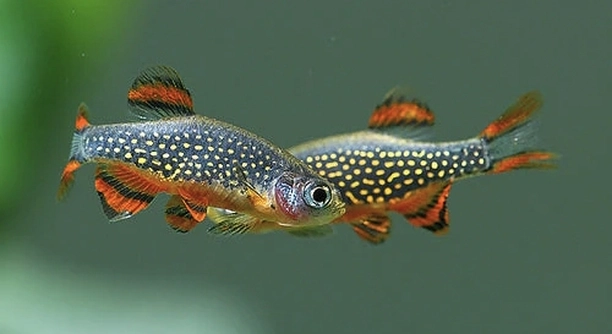
Are your danios showing signs of stress or behaving differently in their tank? Keeping these small, active fish healthy requires careful attention to their environment and routine care to maintain stability and comfort.
Several indicators can reveal that a danio setup needs adjusting. Poor water quality, incorrect temperature, overcrowding, insufficient hiding spots, improper lighting, irregular feeding, and lack of enrichment are common factors that can affect their health and overall wellbeing.
Noticing small changes early can prevent bigger problems and ensure your danios thrive in a balanced and safe aquatic environment.
Unusual Swimming Patterns
Danios are naturally active swimmers, often moving in coordinated groups across the tank. When their swimming changes noticeably, it can indicate stress or discomfort. Erratic darting, rubbing against objects, or floating near the surface can all be signs that water quality, temperature, or tank layout is affecting them. Observing their behavior daily helps identify issues early. Sometimes, slight adjustments to water flow or rearranging decorations can improve their swimming experience. Even small environmental changes can impact their activity levels. Overcrowding is another factor that can restrict movement, leading to irregular swimming. If multiple fish display these behaviors, it usually points to a systemic problem rather than an isolated one. Maintaining stable conditions is key to their health, as sudden changes in water parameters or feeding schedules can trigger stress responses. Ensuring proper tank size and structure allows them to swim freely and reduces conflict among tank mates.
Erratic swimming often signals a need for quick adjustments to water conditions or tank setup.
Consistency in water quality, temperature, and tank space is essential. Observing patterns can prevent long-term health problems for danios, keeping them active and happy.
Loss of Appetite
A sudden drop in feeding interest is noticeable quickly. Danios typically eat eagerly, so hesitation or refusal to feed indicates stress, illness, or poor water quality.
Loss of appetite can result from improper water temperature, fluctuating pH, or inadequate nutrition. Addressing these factors can restore feeding behavior.
When danios stop eating regularly, it is important to review tank conditions thoroughly. Check water temperature and chemistry first, as fluctuations can make them feel uncomfortable or unsafe. Inspect filtration and water flow, as stagnant or overly strong currents can discourage feeding. Evaluate the type of food provided to ensure it meets their dietary needs. Sometimes, illness or parasites can reduce appetite, so watch for physical signs like discoloration or lethargy. Feeding smaller, more frequent meals can encourage them to eat gradually. Keeping a log of feeding habits and water parameters helps detect trends and spot issues early. Proper care and attention to these factors can return appetite to normal levels and support overall health.
Would you like me to continue with the next headers in the same style and format?
Cloudy or Dirty Water
Cloudy water can quickly stress danios and affect their health. It usually indicates poor filtration, overfeeding, or bacterial growth, and needs immediate attention to restore a safe environment.
Maintaining clean water is essential. Performing regular water changes and monitoring filtration systems helps prevent buildup of waste and harmful chemicals. Overfeeding can lead to excess food decomposing in the tank, creating cloudy water and promoting bacterial blooms. Testing water parameters for ammonia, nitrite, and nitrate levels is important to ensure a balanced environment. Proper tank maintenance supports danios’ immune systems and reduces stress, allowing them to swim freely and display normal behavior.
Adjusting feeding routines, cleaning substrate, and keeping decorations free from buildup are practical steps. A consistent schedule for partial water changes maintains clarity. Adding live plants can also help absorb excess nutrients, stabilizing water conditions naturally. These small changes can significantly improve the tank’s quality and your danios’ overall wellbeing.
Excessive Hiding
Danios hiding more than usual often reflect discomfort or insecurity in their environment. It may indicate poor water quality, aggressive tank mates, or lack of cover.
Providing hiding spots and observing tank dynamics is important. Dense planting or decorative shelters can reduce stress and encourage natural behavior.
Frequent hiding can signal environmental imbalance or health concerns. Water parameters such as temperature, pH, and cleanliness directly affect comfort levels. Aggressive tank mates or overcrowding can also push danios to seek refuge, which reduces their activity and feeding. Monitoring their behavior helps pinpoint the cause. Proper placement of hiding areas ensures all fish have access, preventing territorial disputes. Adjusting tank layout, ensuring compatibility, and maintaining water quality fosters confidence, reduces stress, and supports normal swimming patterns. Over time, these measures help danios feel secure and thrive in their aquatic environment.
Faded Colors
Fading or dull colors in danios often signal stress, poor water quality, or inadequate nutrition. Healthy fish usually display vibrant, consistent coloration.
Improving water parameters and offering a balanced diet with high-quality flakes or frozen foods can restore natural colors and boost overall health.
Gasping at the Surface
Danios spending too much time near the surface may indicate low oxygen levels or high ammonia. Ensuring proper aeration and water circulation is critical.
Observing their behavior alongside testing water chemistry can help identify oxygen deficiencies or chemical imbalances before serious health issues develop.
Clamped Fins
Clamped fins, where the fins are held close to the body, indicate stress or illness. Monitoring water quality and tank conditions can help determine the underlying cause.
How often should I check the water parameters in my danio tank?
It is important to check water parameters at least once a week. Key measurements include ammonia, nitrite, nitrate, pH, and temperature. Regular testing helps catch issues before they affect your fish. Sudden changes in these parameters can stress danios and make them more susceptible to illness.
What is the ideal tank temperature for danios?
Danios thrive in temperatures between 64°F and 75°F (18°C to 24°C). Consistency is key, as sudden fluctuations can stress them and lead to disease. Using a reliable heater or thermometer helps maintain stable conditions. Avoid placing the tank near direct sunlight or drafts to prevent temperature swings.
How many danios can I keep in a tank?
A general guideline is one inch of fish per gallon of water, but danios are active swimmers, so more space is better. A 20-gallon tank comfortably houses 6–8 danios, providing room for movement and reducing stress caused by overcrowding. More fish in a small tank can lead to aggression and poor water quality.
What types of food are best for danios?
High-quality flake food, micro pellets, and frozen or live foods such as brine shrimp or daphnia provide a balanced diet. Varying their diet ensures they get essential nutrients, maintains color vibrancy, and encourages natural feeding behavior. Avoid overfeeding to prevent water quality issues.
How often should I perform water changes?
Partial water changes of 20–30% should be done weekly. This helps remove accumulated waste, reduces nitrate levels, and replenishes essential minerals. Cleaning the substrate and decorations during water changes can also prevent bacterial buildup. Maintaining a consistent schedule keeps the tank stable and supports danio health.
Why are my danios hiding more than usual?
Frequent hiding can be caused by poor water conditions, stress, or aggressive tank mates. Adding plants, caves, or decorations gives them secure areas to feel safe. Observing tank dynamics and ensuring compatible companions can reduce hiding and encourage normal activity.
What does cloudy water mean in a danio tank?
Cloudy water is often caused by bacterial blooms, overfeeding, or inadequate filtration. Regular water changes, proper feeding amounts, and cleaning the filter and substrate help restore clarity. Cloudy water can stress fish and affect oxygen levels, so addressing the cause promptly is important.
How do I know if my danios are stressed?
Signs of stress include clamped fins, faded colors, erratic swimming, hiding, or reduced appetite. Stress is often caused by poor water quality, overcrowding, or sudden environmental changes. Monitoring behavior daily and maintaining stable tank conditions minimizes stress and keeps your fish healthy.
Can danios live with other fish?
Yes, they are generally peaceful and can coexist with similarly sized, non-aggressive species. Avoid large or aggressive fish that may bully them. Providing sufficient space, hiding spots, and compatible tank mates ensures a harmonious environment for all fish.
How long do danios typically live?
Danios usually live 3–5 years with proper care. Lifespan depends on tank conditions, diet, and stress levels. Maintaining clean water, a balanced diet, and a stable environment supports longevity and keeps them active and healthy.
Is it normal for danios to dart around the tank?
Yes, active swimming is natural for danios. Sudden bursts of speed or group movement are normal behaviors. However, erratic or frantic swimming paired with other signs like hiding or clamped fins can indicate stress or poor water conditions.
What should I do if my danios stop eating?
Loss of appetite can result from stress, illness, or poor water quality. Check water parameters first and adjust temperature or cleanliness if needed. Offering varied foods in smaller portions may encourage feeding. Persistent refusal may require consultation with a vet or aquatic specialist.
How can I encourage natural behavior in my danios?
Provide open swimming areas, plants, and decorations for hiding. Feeding small portions multiple times a day mimics natural foraging. Observing their behavior and adjusting tank conditions helps ensure they display active and healthy patterns.
Are there signs of illness I should watch for?
Look for faded colors, clamped fins, abnormal swimming, or unusual spots. Early detection and correcting environmental issues or isolating sick fish can prevent disease from spreading and support recovery.
Keeping danios healthy and happy requires attention to detail and consistency. Observing their behavior daily can reveal subtle signs of stress or discomfort, from unusual swimming patterns to hiding more than usual. These small cues are often the first indicators that something in the tank may need adjusting. Maintaining clean water, stable temperature, and proper nutrition creates an environment where danios can thrive. Overcrowding or poor tank setup can cause stress, reduce activity, and even lead to illness. By addressing issues promptly, you can prevent problems from escalating and ensure your fish remain active and vibrant.
Water quality is one of the most critical aspects of a successful danio setup. Regular testing for ammonia, nitrite, nitrate, and pH levels helps catch issues before they affect your fish. Performing weekly partial water changes, cleaning the substrate, and checking the filtration system are simple steps that make a big difference. Proper aeration and water movement are also important, especially if you notice your danios gasping at the surface. Even minor improvements, like adding plants or rearranging decorations, can help stabilize the environment and reduce stress. Consistency in maintenance routines gives your fish a reliable and safe habitat.
Behavior and feeding habits are also important indicators of overall health. Faded colors, clamped fins, or loss of appetite often point to stress, poor water conditions, or illness. Providing a balanced diet with high-quality flake or frozen foods supports their nutrition and enhances natural coloration. Offering hiding spots and open swimming areas creates a comfortable environment where fish feel secure. Observing patterns over time allows you to notice changes early and make necessary adjustments. Paying attention to these factors ensures that your danios not only survive but thrive, maintaining their energy, vibrancy, and natural behavior in a well-balanced tank.

Hello,
If you enjoy the content that we create, please consider saying a "Thank You!" by leaving a tip.
Every little bit helps us continue crafting quality advice that supports the health, happiness, and well-being of pets around the world, for pets of all shapes, sizes, and species.
We really appreciate the kindness and support that you show us!