
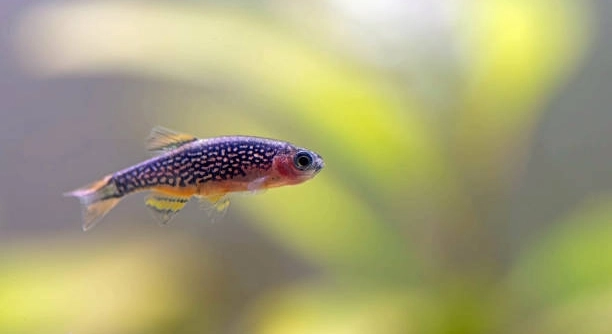
Danios are lively fish that often interact in their tanks. Watching them move around, chase, and defend spaces can be both fascinating and sometimes surprising to see. Their behavior shows a mix of energy and strategy.
During territory conflicts, danios display clear dominance hierarchies, chase rivals to assert space, flare fins to intimidate, and often use swift movements to control feeding areas. These behaviors are consistent across multiple observations and indicate structured social interactions.
Observing these interactions closely can reveal patterns that help you understand your danios better. Their small skirmishes often carry important signals about their social balance.
Signs of Early Territory Disputes
At first, the signs of a territory dispute among danios can be subtle. You may notice a few quick dashes toward a particular corner of the tank or a momentary chase that ends without injury. These small actions usually indicate that one fish is claiming a favorite spot. Colors may intensify slightly as fins flare, showing a mild warning rather than aggression. Sometimes, a dominant danio will swim over the top of another fish, pressing gently without contact, which is a way of asserting presence. Observing these behaviors closely helps identify the initial stages of conflict before they escalate. Tank decorations and hiding spots often influence where these early disputes occur, as fish naturally gravitate to spaces that feel safe or give better visibility. Understanding these early signs makes it easier to monitor the tank and ensure a balanced environment where no fish is constantly stressed.
Early warning behaviors often involve brief chases and fin flaring. Watching these carefully prevents serious fights.
Tracking these small actions over time allows you to notice patterns in dominance and preferred spots. Certain danios consistently guard specific areas, and recognizing these preferences helps prevent repeated stress. Adjusting the arrangement of plants, rocks, or decorations can reduce clashes, giving fish more space to claim their favorite corners without constant confrontation. Over time, these observations reveal which fish are naturally more assertive and which are more submissive. By paying attention to these early signs, you can intervene with minimal disruption. Changes like adding more hiding spaces or rearranging tank layout often stop repeated skirmishes. The goal is to maintain balance so every fish has access to food and shelter without feeling threatened. Recording these interactions can also help identify shifts in behavior that might signal illness or changes in social structure. Careful observation keeps the tank calmer and ensures healthier, happier danios.
Aggression During Feeding
Feeding times are when territorial behavior becomes most obvious. Chasing often intensifies, and dominant danios usually reach the food first.
During meals, competition is clear. Faster fish dart for flakes or pellets, while others wait or are pushed aside. These moments often show the established hierarchy vividly. Smaller or more timid danios may be kept away from favored spots, sometimes retreating to hiding places until the dominant fish finishes eating. Feeding can trigger short bursts of aggression that are normal but should be monitored. Over time, the dominant fish may consistently control access, which can affect growth and health of less assertive tank mates. It is important to ensure all fish get their share, sometimes by spreading food across different areas. Adjusting feeding strategies, like using multiple small portions or sinking foods, helps balance access. Understanding these feeding interactions gives insight into social ranking and reduces prolonged stress among danios, creating a calmer environment for everyone in the tank.
Flare and Chase Patterns
Flare displays and chases are the most visible signs of conflict. Danios spread their fins, swim quickly toward rivals, then retreat if met with resistance. These actions are short but frequent.
These flare and chase behaviors follow predictable patterns. A dominant danio often initiates the display by quickly swimming toward another fish, spreading fins and showing brighter colors. The other fish usually reacts by backing away or darting in a different direction. Sometimes both fish engage in a brief, fast chase around the tank, often near key hiding spots or feeding areas. Observing these repeated patterns helps identify which fish are asserting control and which are more submissive. These interactions rarely cause harm if the tank provides enough space, but repeated chasing can stress less dominant fish and affect their eating or resting habits. Understanding these behaviors helps maintain a calmer environment.
Tracking flare and chase patterns over time reveals the social hierarchy within the group. Some danios initiate more often, while others respond defensively. By mapping who chases whom and which areas are frequently contested, it becomes easier to predict conflicts before they escalate. Tank arrangements can be adjusted to give each fish a preferred spot, minimizing repeated confrontations. These observations also show how new fish introductions might affect the existing hierarchy. Paying attention to flare and chase cycles ensures that all danios get enough space, food, and calm moments, supporting their overall well-being and balanced social interactions.
Influence of Tank Layout
Tank decorations, plants, and hiding spots strongly influence territorial behavior. Fish often claim corners or dense plants as their own spaces.
The layout of the tank can either reduce or heighten conflicts. Danios naturally choose areas that feel secure, such as near tall plants or behind rocks. If these preferred spots are limited, dominant fish tend to guard them aggressively, chasing away others who enter. Spreading hiding places and visual barriers throughout the tank allows multiple fish to claim areas without constant conflict. This approach helps less dominant danios feel safe and reduces stress levels. Observing how fish interact with their environment can guide rearrangements that promote a more peaceful tank dynamic.
Adjusting the tank layout thoughtfully can create a balance where every fish has access to safe zones and open swimming space. Tall plants near the corners, rocks scattered across the tank, and floating décor can break lines of sight and prevent repeated confrontations. Open areas in the middle allow submissive fish to move freely without constant encounters. Monitoring how fish use each zone over several days shows which areas are highly contested and which remain calm. Making small adjustments, like adding a new plant or shifting a rock, can significantly reduce chasing and flare displays. Understanding the spatial preferences of each fish supports healthier social interactions and lowers overall stress in the tank.
Heightened Color Changes
Danios often show brighter colors when defending territory. This visual signal warns others without physical contact.
Color intensification usually accompanies flaring fins and quick movements. Dominant fish appear more vivid, while submissive ones may dull slightly to avoid confrontation.
Submissive Retreats
When threatened, some danios retreat to corners, behind plants, or into shaded areas. These retreats prevent injuries and reduce stress.
Repetition of Patterns
Territorial behaviors are often repeated daily. Observing the same chase routes, flare displays, and retreats helps identify consistent hierarchies among tank mates.
Feeding Area Conflicts
Conflicts frequently occur near feeding zones. Dominant fish often control the best spots, while others wait or eat in less contested areas.
How can I tell if my danios are stressed during territory conflicts?
Signs of stress in danios include hiding frequently, swimming erratically, or losing appetite. Color fading can also occur, and submissive fish may stay in corners for long periods. Observing these behaviors over a few days helps determine if stress is persistent or occasional.
What should I do if one danio is constantly chasing others?
If a single fish is dominating the tank, adding more hiding spaces or rearranging decorations can help. Multiple escape routes reduce repeated confrontations. You may also consider slightly increasing tank size if possible, which gives all fish more room to establish their own areas.
Do danios fight more in small tanks?
Yes, smaller tanks limit space and increase competition for preferred areas. Less space means more frequent encounters and chasing. Larger tanks allow fish to spread out, reducing direct conflicts and giving less dominant fish a chance to rest safely.
Are certain danios naturally more aggressive?
Some danios are naturally more assertive. Male danios often display more dominant behavior, especially in groups. Recognizing which fish are consistently initiating chases or flaring can help predict interactions and allow you to manage the tank layout accordingly.
Can rearranging tank decorations reduce conflicts?
Rearranging decorations breaks up sightlines and gives less dominant fish areas to escape. Placing tall plants, rocks, or other hiding spots strategically allows multiple fish to claim spaces without constant chases, reducing stress and preventing prolonged aggression.
Should I separate aggressive danios from the group?
Separation is usually a last resort. It may be necessary if one fish is causing injury or extreme stress. Temporary isolation can calm aggressive behavior, but improving tank layout and providing hiding spots often resolves most conflicts without permanent separation.
Do feeding times make conflicts worse?
Feeding can trigger brief aggression as fish compete for food. Spreading food across different areas, offering multiple small portions, or sinking flakes can help ensure all fish get their share and minimize fights during feeding.
How long do territory conflicts usually last?
Conflicts often settle within a few weeks as hierarchies become established. Initial chasing and flare displays are more frequent, then gradually reduce as dominant and submissive roles are recognized among the group.
Can adding more fish change the social hierarchy?
Yes, introducing new fish can disrupt established hierarchies. Newcomers may trigger temporary conflicts as roles are reassessed. Providing plenty of space and hiding spots helps reduce stress and allows fish to gradually integrate without serious aggression.
Are territorial behaviors harmful to danios?
Short, occasional chases and flares are normal and generally harmless. Problems arise only when one fish is consistently stressed or injured. Monitoring interactions and adjusting the environment ensures conflicts remain part of natural social behavior rather than harmful aggression.
How can I encourage calmer behavior in the tank?
Providing a spacious tank, multiple hiding spots, and a well-distributed feeding routine helps reduce aggression. Observing which fish are dominant and ensuring less dominant fish have safe spaces allows the group to coexist more peacefully over time.
Do all danios show the same level of aggression?
Aggression varies by individual, age, and sex. Some are naturally more assertive, while others are more submissive. Watching interactions and understanding individual tendencies helps manage tank dynamics effectively and ensures a balanced social environment.
Danios are lively and social fish, and watching them interact can be both fascinating and informative. Territorial behaviors are a natural part of their lives, helping them establish order and avoid constant conflict. Chasing, flaring fins, and subtle color changes are all normal ways they communicate dominance and submission. Observing these behaviors closely allows you to better understand each fish’s personality and role within the group. Even small actions, like a brief chase or a retreat to a hiding spot, carry important social meaning and show how fish negotiate space and resources in the tank.
Managing a tank with danios requires attention to their needs and behaviors. Providing enough space, multiple hiding spots, and a well-thought-out layout can make a big difference in how often conflicts occur. Less dominant fish need areas where they can rest and eat without being constantly stressed, while dominant fish benefit from having clear territories to patrol. Feeding routines also play a role, as spreading food across different locations and offering multiple portions helps reduce aggressive competition. Small adjustments, such as adding a plant or moving a rock, often have a noticeable effect on reducing repeated chases and flare displays. Monitoring these changes over time gives insight into how the fish adapt to their environment and interact with one another.
Understanding danio behavior helps maintain a calm and healthy tank environment. Repeated observation reveals patterns, such as which fish are more assertive, which areas are most contested, and how the social hierarchy develops over time. By recognizing these patterns, you can make informed decisions to improve the living conditions for all tank inhabitants. Paying attention to both subtle and obvious behaviors ensures that each fish has space to swim, eat, and rest comfortably. Over time, a well-managed tank allows danios to express natural behaviors without excessive stress or injury. Creating a balanced environment ultimately benefits the health and well-being of the fish, making the tank a more peaceful and enjoyable place to watch.

Hello,
If you enjoy the content that we create, please consider saying a "Thank You!" by leaving a tip.
Every little bit helps us continue crafting quality advice that supports the health, happiness, and well-being of pets around the world, for pets of all shapes, sizes, and species.
We really appreciate the kindness and support that you show us!