
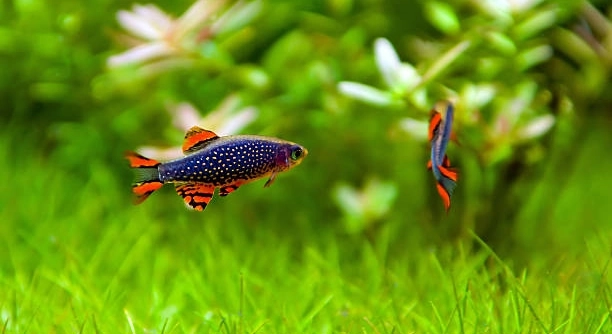
Have you ever noticed your Danio fry swimming around the tank but wondered what exactly they are doing during different times of the day? Observing their activity can reveal patterns you might not expect. Watching them can be quite rewarding.
The best times to observe Danio fry behavior are during feeding periods, early morning activity, late afternoon swimming, social interactions, hiding moments, resting phases, and occasional bursts of playful movement. These times offer the clearest insights into their natural behaviors.
Knowing when to watch your fry can make caring for them easier and more enjoyable. Observing these patterns helps improve their health and environment.
Early Morning Activity
In the early morning, Danio fry are often the most active. I usually notice them exploring the tank, moving through plants, and searching for food particles. The water tends to be calmer, and the lighting is softer, making their movements easier to observe. During this time, fry are more alert, and their natural swimming patterns are on full display. They may interact with each other, practicing chasing behaviors or establishing simple social hierarchies. Watching them at this time gives a clear idea of their normal activity levels. The early hours are also when their tiny digestive systems start working after a night of rest. Feeding them small portions now often leads to active swimming and displays of curiosity. Observing these interactions in the morning can help identify any fry that are lagging behind in growth or activity. Maintaining a consistent morning routine improves their health and behavior patterns.
Early mornings are ideal for observing Danio fry because they show high activity and natural swimming patterns that are otherwise less visible during the day.
The calm of the morning provides a chance to notice small details. I can see which fry are exploring boldly and which stay closer to cover. It also shows social behavior, like gentle chasing or brief gatherings in certain areas. This time is perfect to note how they interact with the environment.
Feeding Periods
Feeding periods are brief but revealing. Fry gather quickly and exhibit distinct behaviors around food. Observing them at this time provides insights into their energy levels and growth patterns.
During feeding, Danio fry show coordination, speed, and even competition. Each fry reacts differently to the food, and watching closely helps assess which ones are eating properly. Offering small portions reduces waste and prevents aggression. I often notice fry that usually hide becoming more confident and moving toward the feeding area. The way they chase or dart for food reflects their instinctual behavior, which is important for development. Over time, consistent observation during feeding helps detect changes in appetite or health issues early. Small adjustments to diet or tank conditions can be made based on these observations. Fry tend to disperse after eating, returning to hiding spots or plants, showing a clear rhythm between activity and rest. Feeding periods provide more than nutrition; they reveal the daily rhythm of your fry, showing which are thriving and which need extra attention.
Late Afternoon Swimming
Late afternoons often show fry in steady, calm swimming patterns. They explore the middle and upper areas of the tank more, moving gracefully and interacting gently with each other while the light starts softening.
During this time, I notice that Danio fry swim more purposefully compared to earlier bursts of energy. They cover more of the tank, weaving through plants and around decorations. It seems like a routine exploration period, where each fry tests boundaries and practices coordination. Watching closely, I can see subtle differences in size and speed, which helps me understand which fry are developing well. Some fry remain closer to cover, likely conserving energy, while others take the center space, showing boldness. This balance between cautious and adventurous fry gives a clear view of their natural behavior. Observing these patterns over multiple days helps identify trends and ensures the tank environment supports all levels of activity.
I often find late afternoon swimming soothing. It gives a chance to see which fry are most comfortable in open water. Their social interactions are calmer, and it’s easier to notice small details in their movement, like fin use and coordination.
Social Interactions
Social interactions among fry are usually brief but informative. Observing them shows dominance, play, and group behavior.
Watching closely, I see that Danio fry form small clusters, chasing each other or mimicking movements. These interactions teach them coordination and establish informal hierarchies. Sometimes one fry will dart quickly and others will follow, testing reactions. Social behavior also includes hiding when approached, signaling comfort levels and personality traits. Repeated observation helps track growth, energy, and confidence in different fry. Small gestures like nudging or circling others indicate both play and competition. These behaviors are essential for healthy development and learning survival instincts. Fry that avoid interaction or lag behind may need closer attention to ensure proper growth.
I notice that social interactions often coincide with feeding times or exploration periods. Fry that engage more frequently tend to be stronger and more confident swimmers. Observing these patterns over weeks helps me anticipate behavioral changes and ensure all fry remain healthy, balanced, and well-adjusted in the tank environment.
Hiding Moments
Hiding moments are common when fry feel cautious or the tank environment changes. I often notice them retreating into plants, behind decorations, or near tank edges, staying still until they feel safe. These moments are essential for stress management and survival instincts.
Hiding also allows fry to rest without disturbances. Some fry remain tucked away longer than others, showing different levels of confidence. I pay attention to which fry hide frequently, as it can indicate timid behavior or minor health concerns. Over time, I learn which areas of the tank provide comfort and security for the shyest fry.
Resting Phases
During resting phases, Danio fry reduce activity significantly. They may hover near the bottom, gently floating in place or lightly brushing against plants. I notice that their fins remain mostly still, and movement is minimal. Resting is crucial for growth and energy recovery, and these periods help maintain proper development.
Occasional Bursts of Play
Fry sometimes display sudden bursts of play, swimming rapidly in short spurts. These energetic moments show their vitality and coordination.
FAQ
Why do Danio fry hide so much?
Danio fry often hide when they feel insecure or when the tank environment changes. I notice they retreat into plants, behind decorations, or near tank edges, especially after feeding or sudden movements outside the tank. Hiding is a natural behavior that helps them stay safe and reduces stress. Fry also use hiding spots to rest quietly without disturbance. Some fry are naturally timid and may hide longer than others. Consistent observation allows me to identify which fry are adjusting well and which may need extra care, such as more cover or gentle handling.
How can I tell if my fry are healthy?
Healthy Danio fry are active, swim smoothly, and respond to food. I usually watch them during feeding periods and early morning activity to see their energy levels. They should have clear eyes, smooth scales, and no unusual spots or discoloration. Fry that consistently hide or swim erratically may need closer monitoring. Growth patterns are also a key indicator; fry developing at a steady pace and interacting normally with others tend to be healthy. Observing social behavior, such as gentle chasing or clustering, can also show their confidence and adaptability.
When is the best time to feed Danio fry?
Feeding small portions multiple times a day works best. I typically feed during early morning and late afternoon when fry are most active. Fry eat quickly, so offering too much can pollute the water and cause health problems. Watching their response helps determine if everyone is eating enough. It’s important to remove uneaten food promptly and adjust portions as they grow. Consistent feeding schedules support growth, energy, and normal activity patterns while minimizing aggression during mealtime.
What should I do if fry are not eating?
If fry avoid food, it may indicate stress, illness, or improper food size. I check water quality, tank temperature, and lighting, as these factors affect appetite. Offering smaller, softer food or live options often encourages feeding. Sometimes shy fry need more cover to feel safe while eating. Gradually introducing food in smaller amounts prevents waste and ensures all fry receive nutrition. Observing them during different times, especially feeding periods, allows me to identify which fry need extra attention and helps maintain overall tank health.
Why do fry swim in bursts and then stop suddenly?
Bursts of rapid swimming followed by rest are normal for Danio fry. I notice this during exploration or play periods, especially late afternoon. These bursts show energy, coordination, and curiosity. After expending energy, they pause to rest, hover near plants, or retreat to hiding spots. This behavior is part of their natural rhythm and helps them develop strength and reflexes. Tracking these bursts over time helps identify active and less active fry, allowing me to adjust tank conditions or feeding to support balanced growth.
How can I encourage shy fry to be more active?
Providing plants, decorations, and gentle lighting helps shy fry feel secure while exploring. I often place food near hiding spots initially to encourage movement. Over time, as they grow more confident, shy fry begin swimming in open areas and joining social interactions. Gradually increasing activity exposure while maintaining safe areas improves their comfort level and ensures healthier growth. Observing shy fry during feeding periods and late afternoon swimming is especially helpful to gauge progress.
Is it normal for some fry to be smaller or slower than others?
Yes, size and activity differences are common among Danio fry. I notice that some fry develop faster, swim more confidently, and eat quicker. Smaller or slower fry may simply need extra food or more secure hiding spots to grow at their own pace. Tracking growth and feeding regularly ensures all fry stay healthy. Observing interactions, hiding moments, and bursts of play helps me determine which fry need additional care without stressing them. Over time, most fry catch up, and natural variation balances out in the tank environment.
Can observing fry behavior help prevent health issues?
Absolutely. Watching behavior during feeding, swimming, hiding, and resting provides early signs of illness or stress. I notice changes in appetite, activity, or social interaction before visible symptoms appear. Early detection allows for water adjustments, dietary changes, or medical intervention. Consistent observation ensures a stable tank environment, reduces stress, and supports overall growth. Monitoring fry behavior also helps me fine-tune feeding schedules, tank decorations, and lighting, which contributes to long-term health and well-being for all fry.
How often should I monitor fry throughout the day?
Monitoring multiple times a day is ideal, especially during feeding periods, early morning, and late afternoon swimming. I usually check briefly between these times to note activity levels, social interactions, and hiding behavior. Frequent observation helps catch issues quickly, track growth patterns, and ensure all fry are eating and developing normally. Observing at different times provides a complete picture of their natural behavior, energy levels, and response to the environment. Balancing consistent checks with minimal disturbance keeps fry comfortable and thriving.
What are the signs that fry are ready for more open swimming areas?
Fry show confidence by leaving hiding spots, swimming in midwater, and joining social interactions. I notice these signs gradually, often during late afternoon exploration or playful bursts. Fry that actively chase food, explore the tank freely, and maintain stable swimming patterns are ready for more open space. Observing social behavior and resting patterns also helps gauge readiness. Providing open swimming areas gradually ensures they stay safe while developing strength, coordination, and confidence. Monitoring these transitions carefully reduces stress and supports healthy growth for the entire group.
Observing Danio fry behavior is a rewarding part of caring for them. Over time, I have noticed that paying attention to their daily routines makes a big difference in understanding their needs. Early morning activity, feeding periods, late afternoon swimming, social interactions, hiding moments, resting phases, and occasional bursts of play all provide unique insights into their health and development. By watching these behaviors regularly, it becomes easier to notice changes or patterns that indicate stress, illness, or growth differences. Fry are small and delicate, so even subtle changes in behavior can provide important clues. Observing them also helps ensure that all fry receive adequate nutrition and feel safe in the tank environment. Over the weeks, it becomes clear which fry are more confident, which ones are shy, and how they interact with others. This observation not only supports their physical development but also encourages natural behaviors that contribute to long-term health.
Consistency is key when monitoring Danio fry. I have learned that checking their activity at predictable times, like early morning or during feeding, provides the clearest view of their normal behavior. During these periods, their energy is higher, and social interactions are easier to track. Some fry may hide or move cautiously at first, but repeated observation helps them become accustomed to gentle attention. Noticing hiding spots and resting areas allows for adjustments to tank decorations or plant placement, making the environment more comfortable. Paying attention to bursts of play or sudden swimming patterns can also indicate which fry are most active or developing coordination faster. Feeding responses are another important factor; fry that eagerly approach food and compete slightly for it are generally strong and healthy, while those that remain distant may need additional care. Overall, monitoring behavior consistently creates a well-rounded understanding of the group and helps maintain a stable, healthy tank environment.
Taking time to observe Danio fry also deepens the appreciation for their small but complex behaviors. Even small movements, like hovering near plants or briefly darting toward others, reflect instincts and natural curiosity. I have noticed that providing a safe and structured environment encourages more confident swimming and exploration over time. Fry that initially hide for long periods eventually begin to interact with others, join social clusters, and explore open water when the environment feels secure. Observing these changes helps identify potential issues early, such as slow growth or lack of energy, and allows for corrective measures, including adjusting food, water conditions, or tank layout. Paying attention to their behavior also makes it easier to enjoy small moments of activity and play, highlighting how dynamic even tiny fry can be. Over weeks and months, careful observation not only supports their survival and growth but also creates a better understanding of their natural rhythms, personality differences, and social dynamics. By valuing and watching these behaviors, it becomes possible to provide a tank environment that nurtures healthy, active, and thriving Danio fry.

Hello,
If you enjoy the content that we create, please consider saying a "Thank You!" by leaving a tip.
Every little bit helps us continue crafting quality advice that supports the health, happiness, and well-being of pets around the world, for pets of all shapes, sizes, and species.
We really appreciate the kindness and support that you show us!