
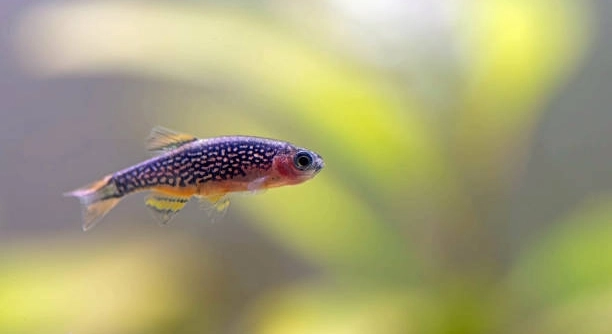
Many fishkeepers enjoy raising Celestial Pearl Danios, but often the fry do not survive. These tiny fish are delicate, and even minor mistakes in care can have serious consequences for their early development.
The primary reasons Celestial Pearl Danio fry fail to survive include poor water quality, inadequate nutrition, overcrowding, stress from handling, improper temperature, insufficient hiding spots, and disease susceptibility. Each factor significantly affects survival rates and fry health.
Learning about these factors will help improve your fry-rearing success. Proper care and attention can make a noticeable difference in raising healthy, thriving young fish.
Poor Water Quality
Poor water quality is the most common reason Celestial Pearl Danio fry do not survive. Even slight changes in ammonia, nitrite, or nitrate levels can be deadly to these tiny fish. Fry are extremely sensitive to toxins in the water because their immune systems are not fully developed. Tap water that is not properly conditioned, leftover food, and decaying plant matter can all contribute to dangerous water conditions. Frequent water changes, careful monitoring of chemical levels, and the use of a reliable water conditioner are essential. Maintaining stable pH and temperature also helps fry cope with their environment. Many beginners underestimate how quickly water conditions can deteriorate in small tanks. A few days of neglect can lead to stress, stunted growth, or death. Investing in a small test kit and performing gentle, consistent water changes will significantly improve survival rates for fry.
Monitoring water quality daily is key to keeping fry healthy and alive.
Consistency in water maintenance cannot be overstated. Even minor fluctuations can cause stress and weaken fry. Observing behavior, checking tank equipment, and avoiding overfeeding are simple ways to maintain stable conditions. Fry are particularly vulnerable to toxins, so prevention is far more effective than treating sickness after it occurs. Small tanks, where water can change rapidly, require extra vigilance. Keeping a dedicated schedule for partial water changes helps maintain clean water without shocking the fry. Using live plants can also support water quality by absorbing nitrates and providing hiding spots. Filtration should be gentle to avoid sucking in fry, but strong enough to reduce harmful substances. By prioritizing water quality, you create an environment where fry can grow steadily, reducing losses and making their early weeks safer. Proper care early on saves both time and stress later.
Inadequate Nutrition
Inadequate nutrition quickly affects Celestial Pearl Danio fry. Fry need frequent feedings with very small, high-quality food.
Providing proper nutrition is crucial because fry grow rapidly and need balanced food to develop correctly. Newly hatched fry can feed on infusoria or specialized liquid fry foods for the first few days. Afterward, finely crushed flake foods or baby brine shrimp can be introduced. Underfeeding slows growth, weakens immunity, and makes fry more susceptible to disease. Overfeeding, however, pollutes water and also harms them. Careful portioning and regular feeding schedules help fry thrive. Nutrient-rich foods promote healthy development and stronger resistance to stress. Watching the fry eat ensures that all get enough, as some may struggle to compete. Maintaining a clean feeding routine also helps preserve water quality, which is closely linked to nutrition and survival. By paying attention to diet, you support both growth and long-term health of the fry, giving them a better chance to reach adulthood.
Overcrowding
Overcrowding causes stress and reduces oxygen levels, which directly harms Celestial Pearl Danio fry. Too many fry in one tank can also lead to competition for food, slower growth, and higher risk of disease spreading quickly.
When fry are kept in cramped conditions, their movement is restricted, making them more prone to injuries and reducing their ability to find food. Crowded tanks also produce more waste, which deteriorates water quality faster and increases exposure to harmful chemicals like ammonia and nitrites. Fry stress easily, and constant stress weakens their immune system, leaving them vulnerable to infections. Providing enough space, even in small tanks, ensures they develop healthily and reduces fatalities.
Separating fry into smaller groups or using multiple tanks helps prevent overcrowding. It also allows for easier monitoring of water quality, feeding, and growth, giving each fry a better chance to thrive and reach maturity safely.
Temperature Fluctuations
Temperature fluctuations can shock Celestial Pearl Danio fry, causing stress or sudden death. Maintaining stable warmth is essential for their metabolism and immune system.
Fry rely on consistent water temperature to regulate their body functions. Sudden drops or rises, even by a few degrees, can slow digestion, reduce activity, or trigger fatal stress. Tanks without heaters or poorly insulated setups are particularly risky. Monitoring water with a reliable thermometer and using gentle, gradual adjustments is key. Temperature consistency also supports healthy growth, as fry are more vulnerable than adult fish and recover slowly from stress.
Using a small, adjustable heater ensures water remains within the safe range. Pairing this with regular temperature checks, avoiding cold drafts, and keeping the tank away from windows or heat sources minimizes fluctuations. Stable temperature improves feeding response, supports immune function, and increases overall fry survival rates.
Stress from Handling
Excessive handling of Celestial Pearl Danio fry can cause severe stress and even death. Fry are extremely delicate, and sudden movements or frequent transfers make them more vulnerable to illness and stunt their growth.
Stress weakens the fry’s immune system, making them more likely to succumb to infections. Minimizing contact and using gentle methods for tank maintenance or transfers improves survival.
Insufficient Hiding Spots
Fry need places to hide from stronger tankmates and reduce stress. Dense plants, moss, or small decorations give them a safe environment.
Providing hiding spots also prevents fry from being eaten or bullied. Without these shelters, fry spend more energy avoiding danger, which reduces growth and weakens their immunity.
Disease Susceptibility
Fry are highly vulnerable to disease because their immune systems are not fully developed. Even minor infections can spread rapidly and cause significant losses.
Maintaining clean water, avoiding overcrowding, and feeding properly reduces the chance of disease outbreaks. Observing fry regularly for unusual behavior or spots helps identify problems early, allowing timely intervention to protect their health.
Overfeeding
Overfeeding leads to water pollution, which can harm fry health. Uneaten food decays, increasing toxins and stressing the tank environment.
FAQ
How often should I change water for Celestial Pearl Danio fry?
Water changes should be frequent but gentle. Small, partial changes of 10–20% daily or every other day help maintain water quality without shocking fry. Using a siphon or turkey baster makes it easier to remove debris without disturbing the fry. Consistent water maintenance reduces toxins, supports growth, and lowers stress levels.
What is the best food for fry in their first week?
In the first week, fry are tiny and need microscopic food. Infusoria or liquid fry food provides nutrients they can digest easily. After a few days, you can introduce finely crushed flake food or baby brine shrimp. Frequent, small feedings every few hours ensure all fry get enough nutrition.
Can I keep fry with adult fish?
Adult fish often see fry as food. Separating fry into their own tank or using a breeding box is recommended. Even peaceful adult fish can outcompete fry for food, stress them, and reduce survival rates. Providing a safe environment significantly improves their chances of reaching maturity.
How can I prevent disease in fry?
Disease prevention starts with clean water, proper feeding, and avoiding overcrowding. Quarantining new fish or plants before adding them helps reduce pathogens. Observing fry for unusual behavior or spots allows early intervention. Healthy fry grow faster, stress less, and are better able to resist infections.
What is the ideal temperature for Celestial Pearl Danio fry?
Fry thrive in stable temperatures around 24–26°C (75–79°F). Sudden changes can cause stress or death. Using a small, adjustable heater and checking with a thermometer ensures consistency. Avoid placing tanks near windows, air vents, or direct sunlight to maintain a stable environment.
How much space do fry need?
Overcrowding is deadly for fry. Even small tanks can be sufficient if stocked lightly. A general guideline is no more than one fry per two liters of water. Providing plenty of swimming space, hiding spots, and proper filtration supports growth and reduces competition.
Can I use live plants for fry tanks?
Yes, live plants are highly beneficial. They provide hiding spots, improve water quality, and reduce stress. Moss, java fern, and floating plants work well. Plants also harbor microfauna that can serve as supplementary food for tiny fry. Regular maintenance keeps plants healthy and prevents decay.
What signs show fry are stressed?
Fry under stress may hide excessively, swim erratically, stop eating, or show slow growth. Stress often results from poor water quality, overcrowding, or temperature fluctuations. Identifying and correcting these issues promptly helps fry recover and grow strong.
Is it necessary to use a sponge filter?
A sponge filter is ideal for fry tanks. It provides gentle filtration, prevents fry from being sucked in, and supports beneficial bacteria growth. Avoid strong currents, which can tire fry and disturb feeding. Sponge filters create a safe and stable environment for early development.
How long until fry reach adult size?
Celestial Pearl Danio fry grow slowly. Under optimal conditions, they usually reach adult size in about 3–4 months. Growth depends on water quality, feeding, and stress levels. Maintaining consistent care throughout this period is essential for strong, healthy fish.
Can fry survive in tap water?
Tap water must be treated before adding fry. Chlorine or chloramine can be deadly. Using a water conditioner removes harmful chemicals, making it safe. Regular testing for ammonia, nitrites, and pH ensures the water remains suitable for delicate fry. Proper preparation prevents early losses.
What should I do if fry stop eating?
If fry stop eating, check water quality first. Poor conditions often reduce appetite. Ensure food is appropriately sized, and try live or newly hatched foods to stimulate feeding. Avoid overfeeding, as uneaten food worsens water quality and prolongs the problem. Observation and adjustment usually restore normal feeding behavior.
How do I know if fry are getting enough food?
Fry should be active and growing steadily. If some fry appear thin, sluggish, or fail to grow, they may be underfed. Frequent, small feedings and observation ensure all fry receive adequate nutrition. Adjust portion sizes based on consumption and tank size.
Can I mix different ages of fry?
Mixing ages is risky. Older fry can outcompete smaller ones for food and sometimes injure them. Keeping batches of fry separated by age ensures fair access to food and reduces stress, resulting in healthier growth for all.
What’s the best way to acclimate fry to a new tank?
Introduce fry gradually by floating the container or adding small amounts of new tank water over time. Sudden changes in temperature or water chemistry can shock them. Patience during acclimation reduces stress and increases survival rates.
Raising Celestial Pearl Danio fry can be a delicate process, but understanding the main challenges can make it much more manageable. These tiny fish are sensitive to changes in their environment, from water quality to temperature, feeding, and even the way they are handled. Paying attention to these factors early on is crucial for their survival. Many losses happen not because of one big mistake, but from several small issues accumulating. Poor water quality, overcrowding, stress, inadequate nutrition, and temperature fluctuations all play a role, and each must be addressed consistently. By maintaining a stable environment, ensuring proper feeding, and giving fry space to grow safely, you can significantly improve their chances of thriving. Observing the fry every day allows you to spot problems before they become serious, making care easier and more effective.
It is important to approach raising fry with patience and careful planning. Even with the best conditions, some losses are natural, but consistent care can minimize them. Small adjustments, such as using a gentle sponge filter, providing live plants, and creating hiding spots, make a noticeable difference in survival rates. Feeding should be frequent but controlled to avoid overfeeding, which pollutes water and stresses the fry. Temperature should remain stable, and handling should be minimized to reduce stress. By focusing on these practical measures, you create a safe, supportive environment where fry can grow steadily and healthily. Over time, attention to detail in these areas becomes routine, and you will notice that fry begin to grow stronger, more active, and less prone to illness. This approach also helps you become more confident in identifying potential problems and correcting them before they affect the entire group.
Ultimately, the key to successfully raising Celestial Pearl Danio fry is consistent care and observation. Small steps taken daily add up to a much higher survival rate and healthier fish. Understanding their needs and responding to environmental changes promptly ensures they develop properly and avoid common pitfalls. While it can be challenging, the rewards of watching fry grow into vibrant, active adult fish are worth the effort. Every measure you take to improve water quality, provide proper nutrition, reduce stress, and maintain a stable temperature contributes to their overall wellbeing. With patience, careful attention, and a structured approach, raising Celestial Pearl Danio fry becomes not only feasible but also satisfying, offering the chance to see them thrive and flourish in your tank.

Hello,
If you enjoy the content that we create, please consider saying a "Thank You!" by leaving a tip.
Every little bit helps us continue crafting quality advice that supports the health, happiness, and well-being of pets around the world, for pets of all shapes, sizes, and species.
We really appreciate the kindness and support that you show us!