
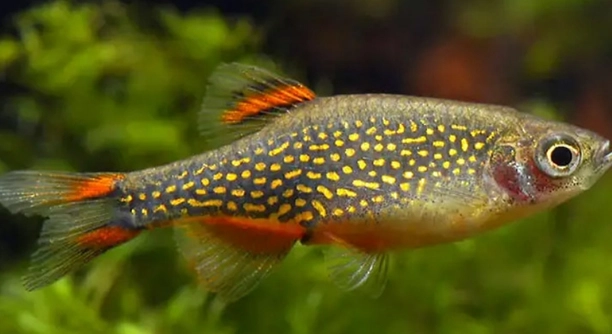
Do you ever notice your danios acting differently after a simple water change in their tank? Even small changes can cause a variety of behaviors that might surprise you or make you wonder about their well-being.
Danios exhibit several predictable reactions following a water change, including increased activity, cautious exploration, schooling behavior, temporary hiding, altered feeding patterns, color changes, and occasional jumping. These behaviors reflect their adaptation to shifts in water chemistry and environment.
Observing these behaviors can help you understand your fish better and maintain a healthy, balanced aquarium environment for them over time.
Increased Activity
After a water change, you may notice your danios swimming faster and more energetically than usual. This spike in activity is a natural response to fresh water, which often contains higher oxygen levels. The sudden difference in water chemistry can make them feel more alert and active. You might see them darting across the tank, exploring corners they usually avoid. This reaction can last for several hours, depending on how sensitive your fish are. Increased activity also helps them acclimate to the changes, adjusting their internal balance to match the new environment. While it can be exciting to watch, it is important to ensure the tank is safe, as overly energetic swimming can sometimes lead to minor injuries if they bump into decorations or tank walls. Monitoring their behavior during this period helps you ensure they remain healthy and stress-free while adapting.
This heightened activity is temporary and generally indicates healthy fish responding to improved water conditions.
Observing danios during this period can give insight into their natural behavior. You may notice subtle differences between individuals, with some exploring immediately while others stay closer to familiar spots. These reactions also provide clues about tank conditions, such as temperature and oxygen levels. Understanding these patterns allows you to manage their environment more effectively and prevent potential stress or injuries. Consistently monitoring changes after water adjustments ensures a stable, supportive habitat for your fish.
Cautious Exploration
Danios often begin exploring cautiously after a water change, moving slowly at first before resuming normal activity.
During this phase, they test the new water, gently probing corners and surfaces. Their cautious behavior helps them assess safety, detect shifts in water chemistry, and identify areas they can comfortably inhabit. Some may hide briefly before returning to normal routines. Observing these reactions helps ensure water parameters are stable and compatible with their needs, supporting a healthy tank environment for long-term care.
Schooling Behavior
Danios often group tightly after a water change, moving in unison across the tank. This schooling helps them feel safer and more confident in the altered environment.
Schooling behavior increases immediately following fresh water exposure. Fish rely on coordinated movement as a protective strategy, reducing stress and allowing them to adjust to changes in oxygen levels, temperature, and other water parameters. The formation of tight groups can vary depending on tank size, number of fish, and their individual temperaments. In smaller tanks, this behavior is more noticeable as the fish navigate limited space together. Observing how quickly they resume normal schooling can indicate how well they are adapting to the new conditions.
This behavior also helps maintain social bonds among the fish. Danios that return to normal schooling faster are typically less stressed, showing that their tank environment supports healthy interactions. Monitoring their patterns ensures the group remains balanced and reduces potential aggression or isolation.
Temporary Hiding
After a water change, some danios will seek cover, hiding behind plants or decorations for short periods. This is a normal response to sudden environmental changes.
Hiding behavior is common immediately after fresh water is introduced. Fish retreat to familiar areas to feel secure while their senses adjust to shifts in temperature, pH, and chemical balance. The duration varies; some may hide for only a few minutes, while others take longer to resume normal activity. Providing ample hiding spots is essential for reducing stress and allowing each fish to acclimate at its own pace. Observing how quickly they re-emerge can help gauge their comfort level and indicate whether further water adjustments are necessary.
This temporary hiding also reduces the risk of injury. Fish that retreat calmly are less likely to collide with tank structures or become targets of minor aggression, ensuring the group’s overall stability and health.
Altered Feeding Patterns
Danios may eat less or more immediately after a water change, adjusting to the new conditions. This temporary shift in appetite is common and usually resolves within a day or two.
Some danios may become more eager during feeding, while others might be hesitant. These changes reflect their need to acclimate to fresh water and altered chemical balances. Monitoring feeding behavior helps ensure all fish are receiving proper nutrition and allows you to detect stress early.
Color Changes
Fresh water can cause subtle color changes in danios, making them appear brighter or slightly faded. This is a natural response to improved water quality and oxygen levels, signaling their body is adapting to the new environment.
Occasional Jumping
After a water change, some danios may jump more frequently. This behavior often reflects heightened energy levels and alertness. Providing a secure lid or cover helps prevent accidental escapes and ensures the tank remains safe while they adjust.
FAQ
Why do my danios swim frantically after a water change?
Danios often swim more energetically following a water change due to the sudden shift in oxygen levels and water chemistry. This response is natural and helps them adjust to new conditions. Frantic swimming usually settles within a few hours as they acclimate to the environment. Monitoring their movement ensures they are not injuring themselves on decorations or tank walls.
Is it normal for danios to hide after a water change?
Yes, temporary hiding is common. Danios seek secure spaces to feel safe while adjusting to differences in temperature, pH, or chemical balance. Hiding usually lasts a short period, and fish gradually return to normal activity once they feel comfortable. Providing plants, rocks, or decorations allows them to retreat safely.
Why do my danios’ colors change after water changes?
Color changes occur as a response to fresh water, higher oxygen levels, and improved water quality. Brightened colors often indicate healthy fish adjusting well, while slight fading can signal stress or slower adaptation. Monitoring their coloration helps detect potential problems early and ensures the tank remains stable.
Should I worry if my danios skip meals after a water change?
A temporary change in feeding behavior is typical. Some fish may eat less or more as they acclimate. Consistent monitoring and offering small portions helps maintain proper nutrition. Avoid forcing them to eat, as stress from sudden water changes usually passes within one to two days.
Why do danios jump after a water change?
Jumping is linked to heightened energy and alertness from fresh water conditions. While generally harmless, it can increase the risk of escaping the tank. Using a secure lid or cover reduces accidents while letting them adjust safely to their environment.
How long does it take for danios to return to normal behavior after a water change?
Most reactions last from a few minutes to several hours. Increased activity, hiding, altered feeding, and schooling usually stabilize within one day. The exact duration depends on tank size, water quality, and individual fish temperament. Consistent observation ensures they are adapting well.
Can water changes harm my danios?
Water changes are necessary for healthy aquariums, but sudden shifts in temperature or chemistry can cause stress. Gradual adjustments, proper dechlorination, and maintaining stable parameters minimize harm. Frequent small water changes are safer than infrequent large changes, ensuring fish remain healthy and comfortable.
Do all danios react the same way to water changes?
Reactions vary by individual temperament, age, and prior experiences. Some may immediately explore or school, while others hide or eat less. Recognizing these differences helps manage the tank effectively and ensures each fish receives the care needed for smooth adaptation.
What can I do to reduce stress during water changes?
Maintaining stable temperature, pH, and water quality reduces stress. Gradual water changes, sufficient hiding spots, and careful observation minimize negative reactions. Avoid sudden large changes and monitor fish for unusual behaviors to ensure a safe and comfortable environment during and after water adjustments.
How often should I perform water changes for danios?
Regular water changes, typically 20-30% weekly, maintain optimal water quality without shocking the fish. Consistency helps danios adapt quickly, reducing stress and preventing long-term health issues. Smaller, frequent changes are preferable to occasional large changes for a stable, balanced tank.
Final Thoughts
Water changes are an essential part of keeping danios healthy, but they can trigger a range of noticeable reactions. Observing how your fish respond provides valuable insight into their well-being. Common behaviors include increased activity, cautious exploration, schooling, hiding, altered feeding, color changes, and occasional jumping. Each of these reactions is a normal part of how danios adapt to changes in their environment. Understanding these responses allows you to care for your fish more effectively and ensures that your tank remains a stable and safe habitat. Over time, you will begin to recognize patterns in your fish’s behavior, making it easier to identify when something is off or requires attention. Paying close attention during and after water changes can prevent minor stress from developing into more serious health issues.
It is important to remember that every fish is unique, and reactions can vary based on temperament, age, and previous experiences. Some danios will adjust quickly, returning to their normal routines within minutes or hours, while others may take longer to feel secure. Providing a well-structured tank with hiding spaces, plants, and decorations gives fish a sense of safety and allows them to acclimate at their own pace. Regularly monitoring water quality, temperature, and oxygen levels further reduces stress and promotes healthier behavior. Small, consistent water changes are generally better than large, infrequent ones because they prevent sudden shifts that can overwhelm your fish. By observing and responding to their behavior, you create an environment that supports both their physical health and natural instincts.
Finally, learning to interpret danio reactions after a water change builds confidence and skill as a fish keeper. Recognizing normal behaviors versus signs of distress helps you make informed decisions about tank management. While some reactions may seem dramatic, most are temporary and indicate that your fish are adjusting to improvements in water quality. Maintaining a routine, offering proper nutrition, and providing a comfortable environment allows your danios to thrive and exhibit their natural behaviors. Over time, you will find that understanding these subtle cues not only helps you maintain a balanced tank but also strengthens the connection between you and your fish. Consistent observation, gentle care, and attention to detail are the keys to creating a healthy and stable environment that allows your danios to flourish.

Hello,
If you enjoy the content that we create, please consider saying a "Thank You!" by leaving a tip.
Every little bit helps us continue crafting quality advice that supports the health, happiness, and well-being of pets around the world, for pets of all shapes, sizes, and species.
We really appreciate the kindness and support that you show us!