
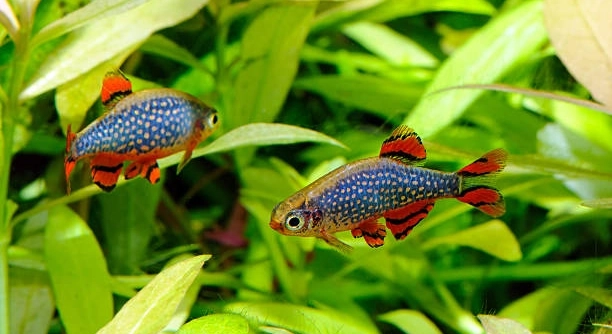
Are your danios acting a little restless in their tank, leaving you unsure about what they need to feel more at ease in their space each day, so you can enjoy a calmer aquarium environment.
Keeping danios calm depends on maintaining steady environmental conditions that limit stress. Balanced water parameters, reliable filtration, consistent lighting, and appropriate group sizes support stable behavior patterns while reducing fluctuations that may disrupt their natural rhythm within a aquarium setting.
As you explore simple adjustments for their tank, you will uncover steps that support calmer behavior and a peaceful environment.
Provide Stable Water Conditions
Keeping danios calm starts with a tank that stays steady from day to day. When the water shifts too often, these small fish react quickly, which can make them seem unsettled. I focus on maintaining clear, consistent conditions because it supports their natural behavior and prevents small issues from building up over time. Clean water, gentle flow, and a balanced setup help them move confidently through their space without sudden changes affecting their comfort. Even small adjustments, like keeping the temperature from dipping or rising too much, can make a noticeable difference. When danios sense that everything around them stays familiar, they glide through the tank with ease. This simple stability helps them feel secure, reduces their stress, and allows them to settle into a calm routine that benefits the entire aquarium.
Maintaining regular water changes and checking basic parameters keeps danios comfortable and prevents them from reacting to sudden shifts that disrupt their routine.
A dependable filter supports steady conditions by clearing waste, circulating oxygen, and keeping the tank from becoming stagnant. I make sure the flow stays gentle enough for them to swim without strain, but strong enough to keep the water fresh. Stable temperature also plays a big role, so I rely on a reliable heater that holds the warmth steady, preventing sudden dips that can startle these quick little swimmers. Watching them move more confidently after the tank feels balanced reminds me how much they rely on a predictable space.
Keep the Tank Lighting Consistent
Soft, predictable lighting helps danios relax by giving them a clear sense of day and night without abrupt changes that may startle them.
I keep the light on a fixed schedule so their internal rhythm stays steady, which seems to help them remain calm throughout the day. Bright lights that switch on suddenly can make them dart around, so I avoid harsh transitions and choose lighting that brightens gradually or at least stays gentle. Danios feel more settled when they know what to expect, and consistent lighting keeps their behavior stable while reducing unnecessary stress. A steady pattern gives them time to rest when the light fades and stay active when it returns. This small detail can lead to a peaceful tank where they swim comfortably, respond well to their surroundings, and maintain calmer behavior overall.
Add Plenty of Swimming Space
Giving danios enough room helps them stay relaxed and active without feeling crowded. A spacious tank reduces stress, supports natural movement, and keeps them from competing too much for space as they move in quick, gentle patterns throughout the water.
I focus on keeping the tank layout simple so they can glide without running into tight corners or clutter. Too many decorations can interrupt their movement, so I place items in a way that leaves long, open areas for swimming. When they have this space, they move more smoothly and settle into calmer routines. A tank that is too small or crowded often makes them appear restless, while a roomy setup supports steady activity. Watching them spread out and explore everything more peacefully makes the extra space feel worth it every time.
A wider swimming area also helps reduce tension within the group. Danios rely on quick motions to communicate and stay connected, so having more space allows them to interact without bumping into one another. This lowers their stress levels and supports natural schooling behavior. I avoid creating narrow paths that might funnel them too tightly, and instead aim for an open design that encourages calm, fluid movement. A spacious environment helps them stay comfortable, active, and at ease.
Include Hiding Spots When Needed
Providing hiding spots helps danios feel safe during moments when they want a break from activity or need a shaded area that feels secure. These small areas offer comfort and prevent them from feeling exposed, especially during busy or bright hours.
I use plants and simple decorations to create gentle cover without overcrowding the tank. Dense plants soften the space and give them a place to pause, while still leaving open areas for swimming. These hiding spots help balance their need for movement with their need for safety. When danios have access to both cover and open space, they stay calmer and show more stable behavior. I’ve noticed that even a few well-placed plants can make them settle more easily, reducing frantic swimming and keeping them comfortable throughout the day.
Maintain a Peaceful Tank Environment
A calm tank keeps danios from reacting to loud noises or sudden movement around the aquarium. I try to place the tank in a steady spot where daily activity stays gentle, which helps them feel more secure and keeps stress levels low throughout the day.
Limiting sharp vibrations also helps them stay relaxed. I avoid placing the tank near speakers or areas with constant movement, since these disruptions can make them dart quickly or appear unsettled. A peaceful setup supports steady behavior and keeps them comfortable.
Choose Compatible Tank Mates
Selecting calm, non-aggressive fish helps danios settle into smoother routines without feeling pressured or chased. I avoid species that move aggressively or nip, because danios do best around fish that let them swim freely without interruptions. A thoughtful mix prevents stress and keeps their group behavior balanced. When surrounded by peaceful tank mates, they maintain steady patterns, interact comfortably, and show more relaxed movement. This simple choice plays a big part in keeping the aquarium stable.
Offer a Consistent Feeding Routine
A steady feeding schedule helps danios feel secure, since they rely on predictable times to stay calm and active. Regular portions also prevent overeating and keep their energy balanced while supporting smooth behavior throughout the day.
FAQ
Why do danios become restless?
Danios often become restless when something in their tank feels unstable. Sudden changes in temperature, water quality, lighting, or noise can make them react quickly. I’ve noticed that even small shifts, like a slightly cooler tank or a louder room, can cause them to dart around. Restlessness also appears when the tank is too small or overcrowded, since they rely on steady space to move in smooth patterns. When conditions return to normal, they usually settle quickly. Keeping things predictable helps them feel safe and reduces their need to respond sharply to unexpected changes.
How many danios should be kept together?
Danios are schooling fish, so they need a group to feel secure. Keeping at least six helps them maintain natural behaviors and stay calm. Smaller groups often make them nervous, while larger groups help spread their energy evenly. When they swim together, they communicate through quick motions, and this reduces stress. I’ve seen that a well-sized group leads to smoother patterns, steadier activity, and fewer signs of anxiety. A proper school creates a familiar structure that helps them feel grounded in their space.
What tank size is best for keeping danios calm?
A longer tank gives them the space they need to swim freely. A capacity of at least 20 gallons supports their natural speed and keeps the group from feeling crowded. The shape matters just as much as the volume, since they use horizontal space more than vertical space. A cramped tank forces them to turn too sharply or stay close together, which can raise their stress levels. A wider layout lets them move with ease, stay active, and interact naturally without bumping into decorations or other fish. This helps them stay calm throughout the day.
How can I tell if my danios are stressed?
Stress shows up through fast, sharp movements, hiding more than usual, or swimming alone instead of with the group. They may also hover near the surface or stay at the bottom without interacting. I pay attention to any quick changes in behavior because danios normally move in smooth, steady patterns when comfortable. If something feels off, checking water conditions or looking for disruptions around the tank usually helps identify the cause. Once the stressor is removed, their behavior often returns to normal fairly quickly.
Does tank lighting affect danio behavior?
Yes, lighting plays a big role in their comfort. Harsh or sudden brightness can startle them, while soft and consistent lighting supports a calm rhythm. I keep a regular schedule so they always know when light will appear and fade. This keeps their internal rhythm steady and reduces sudden reactions. Brightness that stays too intense for too long can also make them uneasy, so gentle lighting helps maintain a peaceful environment where they can stay active without feeling pressured.
What types of tank mates help danios stay relaxed?
Danios do best with peaceful fish that match their energy without being aggressive. Calm species that respect their space help them feel secure and avoid unnecessary tension. Aggressive or nippy fish can make them dart around or break away from their group. I’ve found that choosing tank mates with steady, gentle movement leads to a smoother atmosphere where every species can settle comfortably. A calm mix supports healthy schooling and keeps the entire tank stable.
Does feeding time affect their stress levels?
A consistent feeding schedule helps danios stay calm because they rely on routine. Random feeding patterns can make them anticipate food too often, which leads to frantic behavior. I feed them small amounts at predictable times, and this keeps their energy balanced. It also prevents competition within the group, since they know food will come regularly. Routine supports stable behavior and reduces unnecessary excitement.
Why are hiding spots helpful for danios?
Hiding spots give them a place to settle when they feel overwhelmed. Even though danios are active fish, they still benefit from shaded areas where they can pause for a moment. Plants and simple decorations offer quiet corners without blocking swimming space. I’ve noticed that when they have both cover and open areas, they stay calmer overall.
Final Thoughts
Caring for danios becomes much easier when their needs are understood in a simple and steady way. These fish depend on consistency, and even small changes can affect how they behave each day. I’ve learned that creating a stable environment is the most important part of keeping them calm. Clean water, steady temperature, gentle lighting, and enough space all work together to support their natural rhythm. When these elements stay balanced, danios respond by moving in smooth patterns and showing their usual active but easygoing behavior. It becomes clear that they rely on predictable surroundings, and once you provide that, they begin to settle into a healthier routine. This kind of setup does not require anything complicated. It simply needs attention to the basic conditions they experience. Over time, these small choices build a peaceful space where they can thrive without reacting to sudden shifts around them.
I also find that paying attention to their social needs plays a huge role in maintaining their comfort. Danios are most at ease when they are part of a proper group, and keeping them in a school helps them feel secure. Their behavior becomes more coordinated, and they rely on one another for direction and stability. A tank that is too crowded or too empty often leads to restless movement or signs of unease. Choosing calm tank mates helps as well, because it prevents them from feeling pressured or chased. A peaceful community lets them swim freely without interruption. Adding open space for movement and a few hiding spots gives them a balanced environment where they can be active while still having places to pause. When these elements come together, their stress levels drop, and their overall behavior becomes more predictable. It is comforting to see how quickly they settle when their surroundings support the way they naturally interact and move.
Routine is another part of their well being that often gets overlooked, but it makes a noticeable difference. When feeding times are consistent, danios stay calmer because they know what to expect. Random feeding can make them overly excited or frantic, which disrupts their usual patterns. Gentle lighting on a schedule also helps them maintain a stable rhythm throughout the day. Even the placement of the tank matters, since loud sounds and sudden vibrations can startle them. Setting up the tank in a peaceful spot creates a sense of safety that carries through their behavior. Over time, these details work together to build an environment that supports their comfort. Keeping danios calm is not about making big changes, but about choosing small habits that stay reliable. With consistency, patience, and attention to the basics, their behavior becomes smoother, their movements become more confident, and the entire tank takes on a more peaceful feel.

Hello,
If you enjoy the content that we create, please consider saying a "Thank You!" by leaving a tip.
Every little bit helps us continue crafting quality advice that supports the health, happiness, and well-being of pets around the world, for pets of all shapes, sizes, and species.
We really appreciate the kindness and support that you show us!