
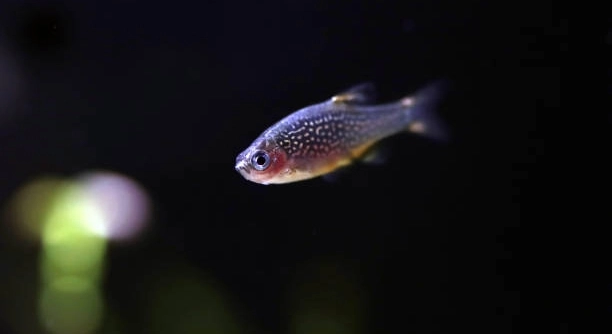
Do you ever find yourself watching your danios grow older and noticing gentle changes in the way they swim, interact, and settle into their environment over time as their daily rhythms shift in small ways.
Identifying key aging traits in danios involves observing gradual shifts in activity, coloration, appetite, social behavior, fin condition, response to stimuli, and overall vitality. These indicators help clarify developmental changes and support timely adjustments that promote stable health throughout stages.
As these subtle signs emerge, understanding their meaning can enrich your care routine and deepen your connection with your danios.
Activity Changes
As my danios grow older, I notice their activity shifting in quiet but meaningful ways. They still explore their space, but their movements feel slower and more deliberate than before. This natural change often becomes one of the first signs that they are entering a later stage of life. I try to pay close attention during feeding time, because their response can reveal how comfortable they feel and whether they still move with ease. Watching them cruise gently near the middle of the tank helps me understand their evolving needs and support their subtle shifts in daily life.
These changes remind me to monitor their comfort, adjust feeding routines, and make gentle environmental tweaks that match their slower pace while keeping stress low for every fish in the tank. I also keep an eye on their interactions because small shifts can reveal when they need extra calm support.
When danios slow down with age, it becomes important to provide a setup that feels stable and gentle for them. I try to reduce sudden changes in the tank because consistency helps them stay relaxed. A clean environment with steady lighting and predictable feedings keeps them from feeling overwhelmed. I also watch for signs that they prefer calmer areas, since this can guide how I arrange plants or decorations to give them comfortable resting spots. Their shifting habits may seem small, yet supporting these needs can help them maintain strength and ease as they move through this slower stage gently.
Color Fading Over Time
Color changes in aging danios often appear gradually, showing softer tones that reflect their slowing pace. I try to watch these shifts closely because they can signal when small adjustments in care might help keep their comfort level steady. These fades usually align with other signs that appear over time.
As danios age, their colors often soften, creating a muted appearance that reflects their slower rhythm. I try to watch these shifts with care because they can reveal much about their general comfort and health. When the bright shimmer fades, I look for any other subtle signs that might need attention, such as slower feeding or reduced response during routine tank activities. These changes help me understand how to adjust their environment so they feel supported. Clean water, steady lighting, and a balanced diet play roles in keeping them steady as they age. I also make sure the tank has calm corners where they can rest without disruption, since comfort becomes important during later stages of life.
Appetite Shifts
Appetite changes in aging danios often appear slowly, showing smaller bites or delayed interest during feeding. I try to watch these moments closely because they help me understand when gentle adjustments might support their comfort and overall stability.
When their appetite shifts, I focus on offering smaller portions they can handle with ease. I avoid crowding them during feeding because older danios sometimes move more slowly and need a little extra space. I also pay attention to leftovers, since they can signal that I need to change food amounts or timing. Keeping the water clean becomes even more important at this stage, because uneaten food can affect their comfort quickly. These small steps help me support them without causing stress.
As their feeding habits continue to change, I look for patterns in timing and behavior. Some older danios prefer calm feeding moments with minimal movement around them, so I adjust the routine to keep everything as smooth as possible. I also check their bellies and overall shape to ensure they stay nourished without appearing bloated. If they nibble slowly, I try softer foods that are easy to eat. These quiet observations help me understand what they need and allow me to support them with gentle consistency as they move through this stage.
Social Behavior Changes
Aging danios often shift their social habits gradually, spending more time in calmer areas or keeping a slight distance from faster companions. I watch these changes closely because they reveal how comfortable they feel and whether the group dynamic still supports their slower pace.
When I notice these subtle shifts in social behavior, I try to make the tank more comfortable by adding plants or decorations that create peaceful corners. These quiet spots help older danios rest without constant motion around them. I also observe schooling patterns, since aging fish sometimes fall slightly behind the group. This helps me understand when their energy is lower or when they simply prefer a gentler rhythm. Adjusting the environment to match their comfort keeps the group balanced and reduces stress. Over time, these small changes make the tank a calmer place where older danios can feel steady and supported.
Fin Condition Changes
Fin changes in aging danios tend to appear as slight fraying or softer edges. I try to watch these shifts early so I can support them with clean water and calm surroundings that help reduce extra stress during their slower stage of life.
I also avoid overcrowding and sharp decorations because aging fins can become more delicate. Smooth plants and gentle flow settings help them move comfortably without catching or tearing their fins. These small adjustments keep them steady as they continue aging.
Response to Stimuli
As danios grow older, their response to movement, light, and routine activities often becomes slower and more measured. I watch these changes closely because they can reveal how comfortable they feel in their environment. A softer reaction does not always signal a health issue, but it does tell me to keep things calm and predictable. Adjusting noise, tank movement, and light transitions helps reduce overstimulation. I also try to keep my feeding and maintenance schedule steady, since older danios often rely on gentle consistency to feel secure as their senses shift with age.
Overall Vitality
Older danios often show reduced stamina, moving with softer energy that reflects their slower pace. I try to support this stage by keeping the tank clean, stable, and calm so they can stay comfortable without extra strain on their aging bodies.
FAQ
How long do danios typically live when kept in a stable home aquarium?
Most danios live around three to five years, though some can reach six or seven with steady care. I try to keep their environment clean and predictable because stability helps them maintain strength as they age. When their space stays calm, they often show smoother aging signs and stay active for longer.
What signs tell me my danio is entering an older stage of life?
Age often becomes noticeable through slower swimming, softer colors, reduced appetite, and changes in how they respond to movement around the tank. I also watch for shifts in social habits, since older danios sometimes stay near calmer areas or move away from larger groups. These subtle changes help me understand when they need extra support.
Should I adjust feeding routines for older danios?
Yes, feeding routines sometimes need gentle changes. Older danios may eat more slowly, so I offer smaller amounts they can finish easily. I also try foods that are softer or sink gently, because these options seem easier for them to handle. Monitoring leftovers helps me avoid overfeeding, which can affect water quality and comfort.
Do older danios need a different tank setup?
They do not need a completely different setup, but small adjustments can make a big difference. I focus on smooth decorations, calm flow, and peaceful resting spaces. Stable lighting and clean water help them feel secure. These changes support their slower pace without overwhelming them.
Can aging danios still stay in a group with younger fish?
They can, as long as the group remains balanced and peaceful. I watch closely to make sure the young fish do not overwhelm the older ones with fast movement or constant activity. Adding plants or hideaways helps older danios rest when younger fish are too active.
Do danios become more sensitive to water conditions as they age?
Yes, older danios may react more strongly to shifts in temperature or water quality. I try to keep everything stable by doing gentle water changes and testing parameters regularly. When the tank stays steady, they seem more relaxed and show fewer signs of stress.
What should I do if an aging danio stops schooling with the others?
Sometimes older danios choose calmer areas because they cannot keep up with faster fish. If I see this happening, I check their fins, breathing, and appetite to rule out illness. If everything looks steady, I adjust the environment to give them soft spaces where they can rest comfortably.
Is it normal for older danios to sleep more or rest longer?
Yes, longer rest periods can be part of normal aging. I usually see them settling near plants or low-flow spots. As long as they still respond during feeding and show interest in their surroundings, this slower rhythm is expected and not a cause for concern.
How can I support an older danio showing reduced vitality?
I start by keeping the tank clean, reducing sudden changes, and maintaining a peaceful routine. I also offer easy foods and provide quiet areas where they can move gently without pressure from faster fish. These changes help them stay steady during later stages.
When should I worry about aging signs becoming health issues?
If symptoms appear suddenly or worsen quickly, I take a closer look. Trouble swimming, rapid breathing, refusal to eat, or darkened patches on the body can signal illness rather than aging. When signs escalate, separating the fish or seeking guidance can help protect both the older danio and the rest of the tank.
Final Thoughts
Caring for aging danios becomes easier when you understand how their needs shift over time. Their changes are often gentle, showing up little by little in the way they move, interact, and respond to the space around them. I try to focus on these slow shifts without rushing to conclusions, because aging is not an abrupt process for most danios. Instead, it is a calm progression that reveals itself through softer colors, quieter habits, and steadier rhythms. By noticing these signs early, I can adjust their care in ways that support their comfort while keeping stress low. Even small adjustments can help them settle into this stage smoothly, allowing them to feel relaxed in their familiar environment.
As they grow older, consistency becomes one of the most important parts of their care. A stable tank with predictable routines helps them stay comfortable, especially when their energy naturally slows down. I find that gentle lighting, clean water, and steady feeding times make a noticeable difference. These simple habits build a sense of safety that aging danios seem to rely on more than younger ones. When I keep the environment calm, they move with more ease and show fewer signs of strain. Watching their social behavior also helps, since older danios might drift toward calmer areas or rest away from busy groups. Creating peaceful spots with plants or smooth decorations allows them to take breaks when they need them. This balance between gentle activity and quiet resting spaces supports their changing pace in a way that feels natural.
Understanding their aging traits also helps deepen the connection I feel with them. Every small change offers a chance to support them with patience and care. From slower feeding to reduced stamina, these signs guide me toward choices that help keep them steady in their later stages of life. Aging does not diminish their presence in the tank; instead, it highlights the importance of meeting their needs with steady support. By responding to their changing habits, I help them stay comfortable, even if their movements are softer or their colors more muted than before. Caring for aging danios is not complicated, but it does require quiet attention and gentle adjustments. When I take the time to understand what they need, I can help them age with ease while keeping their environment calm, predictable, and comforting through every stage.

Hello,
If you enjoy the content that we create, please consider saying a "Thank You!" by leaving a tip.
Every little bit helps us continue crafting quality advice that supports the health, happiness, and well-being of pets around the world, for pets of all shapes, sizes, and species.
We really appreciate the kindness and support that you show us!