
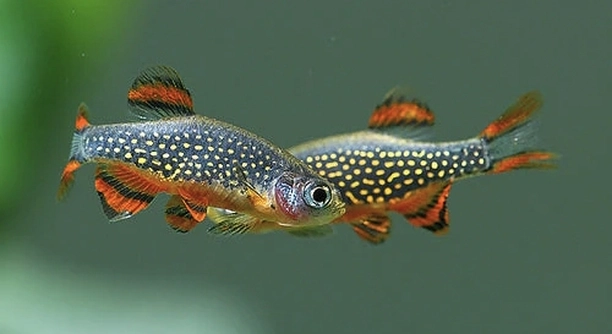
Male danios are known for their bright, shimmering colors, which can become even more vivid with proper care. Nutrition plays a key role in their appearance, and selecting the right foods helps maintain their natural brilliance and health.
Providing male danios with a diet rich in carotenoids, proteins, and natural pigments directly enhances their coloration. Specific foods containing astaxanthin and beta-carotene stimulate vibrant reds, oranges, and blues, resulting in more visually striking fish.
Knowing which foods amplify their colors can transform your aquarium, making your male danios look healthier and more eye-catching in their environment.
High-Quality Flake Foods
High-quality flake foods are an easy way to support your male danios’ colors. Look for flakes enriched with carotenoids and natural pigments, as these ingredients directly affect red, orange, and blue hues. Feeding a small amount twice daily ensures they receive enough nutrients without overfeeding. Rotating flakes with other food types prevents diet monotony and helps maintain overall health. Some flakes also contain spirulina, which is beneficial for enhancing green and blue tones. When selecting flake foods, choose brands known for using fresh, natural ingredients, avoiding artificial color additives that can stress your fish. Proper storage is essential too—keeping flakes sealed and away from humidity preserves nutrient quality. Feeding flake foods consistently, along with occasional protein-rich treats, will help your male danios reach their full color potential while staying energetic and healthy. Watching them swim with vivid patterns is a clear sign that their diet is working effectively.
Flakes should be fed in moderation, giving just enough for them to eat within a few minutes.
Rotating flake foods with frozen or live options adds variety and keeps your male danios engaged, supporting both coloration and overall vitality.
Live and Frozen Foods
Live and frozen foods are excellent for boosting male danio colors. Foods like brine shrimp, daphnia, and bloodworms provide protein and natural pigments that flakes alone cannot supply.
Providing live or frozen options three to four times a week ensures your fish get sufficient nutrients for strong colors and healthy growth. These foods also encourage natural hunting behavior, which keeps your danios active and reduces stress. Handling frozen foods properly is important; thaw them quickly in clean, dechlorinated water before feeding. Live foods should be sourced from reputable suppliers to avoid introducing parasites or contaminants. Incorporating a mix of live and frozen options with a regular flake diet creates a balanced nutritional plan that enhances all their color patterns. Over time, consistent feeding of high-quality live and frozen foods results in brighter fins, more defined stripes, and a generally healthier, more active fish. Observing these changes is rewarding, as your aquarium becomes a vibrant display of natural beauty.
Spirulina Supplements
Spirulina is a natural algae rich in pigments that enhance blue and green tones in male danios. Adding it to their diet a few times a week can noticeably brighten their fins and scales.
Spirulina supplements come in powder or flake form and are easy to incorporate into your fish’s regular feeding routine. The high concentration of carotenoids and chlorophyll in spirulina promotes vivid coloration and supports overall health. Using it consistently, even in small amounts, can make a visible difference in how your male danios appear. Many brands also include added vitamins that help strengthen the immune system and encourage active swimming. Avoid overfeeding, as excessive amounts may cloud the water or upset their digestive system. Combining spirulina with flakes or live foods maximizes its benefits, ensuring your fish receive a balanced diet that highlights their natural colors effectively.
Regular use of spirulina not only improves colors but also provides essential nutrients that support energy levels and long-term vitality.
Color-Enhancing Pellets
Color-enhancing pellets are designed to boost the natural pigments in male danios. They contain concentrated carotenoids that target red, orange, and yellow hues.
Feeding these pellets several times a week can make the stripes and fins of your male danios more vivid. Choose pellets that are small enough for your fish to consume easily and avoid those with artificial dyes, which may harm their health over time. Proper storage in a cool, dry place ensures that the nutrients remain effective. Mixing pellets with other high-quality foods, such as flakes or live options, creates a balanced diet that promotes vibrant coloration and overall wellness. Many aquarists notice a visible difference within a few weeks, with more pronounced fin colors and stronger patterns along the body. Consistency is key—regular feeding with these specially formulated pellets helps maintain brightness and supports healthy growth.
These pellets are an effective tool for anyone looking to enhance male danio colors while keeping their fish healthy and energetic.
Freeze-Dried Foods
Freeze-dried foods like bloodworms and brine shrimp are convenient options that provide concentrated nutrients to male danios. They retain most of their natural pigments, which help enhance red, orange, and blue tones when added to the diet regularly.
These foods are easy to store and serve, making them a practical supplement. Soaking them briefly in dechlorinated water before feeding can prevent digestive issues and ensure your fish can consume them easily. Incorporating freeze-dried foods a few times a week adds variety and supports both color development and overall health.
High-Protein Diets
A diet high in protein is essential for male danios to maintain vibrant colors. Protein supports muscle development, energy levels, and the production of natural pigments. Including small amounts of protein-rich foods like brine shrimp, daphnia, or finely chopped worms in their feeding schedule promotes brighter fins and more defined stripes. Balanced feeding ensures that protein intake is sufficient without overfeeding, which could lead to water quality issues or digestive problems. Regular observation of your fish’s activity and coloration helps determine if their diet is effective and if adjustments are needed. Consistent protein-rich feeding, combined with other pigment-boosting foods, results in healthier, more colorful male danios that display their full visual potential.
Vegetable Additions
Blanched vegetables like spinach or zucchini provide essential vitamins and natural pigments. Small amounts added to their diet help enhance coloration naturally.
FAQ
How often should I feed male danios to enhance their colors?
Feeding male danios two to three small meals per day is ideal. Frequent, moderate portions allow them to absorb nutrients efficiently without overloading their digestive systems. Overfeeding can lead to water quality issues, which may stress the fish and dull their colors. Including a mix of flakes, pellets, and live or frozen foods ensures they receive a balanced diet rich in proteins and pigments. Rotating foods regularly also keeps them engaged and supports consistent coloration. Observing their behavior and appearance can guide adjustments, ensuring their colors remain vibrant and their energy levels stable.
Are there specific foods that target red and orange tones?
Yes, foods high in carotenoids such as shrimp, bloodworms, and certain color-enhancing pellets directly influence red and orange coloration. These pigments accumulate in the skin and fins, intensifying the natural hues of male danios. Flakes enriched with astaxanthin also support red and orange tones. Providing these foods several times a week helps maintain vivid colors, while balancing them with protein-rich options supports overall health. Avoid over-reliance on artificially dyed foods, as natural sources produce more lasting results. Consistent inclusion in the diet, combined with a clean environment, ensures the male danios display bright and attractive patterns.
Can live foods really make a difference in coloration?
Live foods are particularly effective because they offer high protein content and natural pigments. Brine shrimp, daphnia, and small worms stimulate hunting behavior, which keeps male danios active and healthy. Activity levels and proper metabolism are closely linked to pigment expression. Live foods also contain vitamins and trace minerals that enhance overall fish vitality, which reflects in brighter colors. Including live foods two to four times a week complements flakes and pellets, creating a varied diet that maximizes color intensity. Fresh, high-quality live foods are crucial; poorly sourced options can introduce disease, so careful selection is necessary.
Is spirulina really necessary for male danios?
Spirulina is not strictly necessary but highly beneficial. It provides chlorophyll, carotenoids, and other nutrients that intensify blue and green hues. Even small, regular amounts added to flakes or pellets can make a visible difference in coloration. It also supports the immune system and overall health. Feeding spirulina two to three times per week complements other color-enhancing foods and ensures consistent brightness in male danios’ scales and fins. Overfeeding should be avoided, as it can cloud the water or cause digestive discomfort. When combined with a balanced diet, spirulina effectively enhances both color and vitality.
How long does it take to see results from color-enhancing foods?
Color changes typically become noticeable within two to four weeks of consistent feeding. The intensity of the change depends on the fish’s age, genetics, and overall health. Younger male danios may develop brighter colors faster, while older fish may show gradual improvements. Consistency in diet, variety of pigment-rich foods, and maintaining excellent water quality are all essential for optimal results. Sudden changes in appearance may indicate health issues, so observing fish regularly is important. A balanced approach combining flakes, pellets, live or frozen foods, and supplements like spirulina ensures steady and sustainable enhancement of natural colors.
Can overfeeding these foods harm my male danios?
Yes, overfeeding can harm your fish. Excess food can lead to poor water quality, digestive issues, and obesity, all of which negatively affect coloration. Feeding small, measured portions two to three times daily prevents these problems. A varied diet ensures they receive essential nutrients without overwhelming their system. Removing uneaten food promptly also helps maintain clean water. Paying attention to the fish’s behavior and appetite guides appropriate portion sizes. Maintaining proper feeding habits is crucial for long-term health, active behavior, and vibrant coloration. Overfeeding can undo the benefits of even the best color-enhancing foods, so moderation is key.
Are vegetables really useful for enhancing color?
Vegetables like spinach, zucchini, and peas provide vitamins, fiber, and natural pigments that subtly support coloration. While they do not produce the intense reds or blues that live or pellet foods offer, they contribute to overall health, digestion, and gradual color improvement. Blanching vegetables before feeding makes them easier to digest and reduces water contamination. Incorporating vegetables two to three times a week adds variety and essential nutrients, complementing protein-rich and pigment-rich foods. A balanced diet with both plant and animal sources ensures male danios stay healthy, active, and display their best colors over time.
Do water conditions affect color enhancement?
Absolutely. Even the best diet cannot fully enhance colors if water quality is poor. Clear, clean water with stable temperature and proper filtration reduces stress and allows pigments to show. Regular water changes and monitoring parameters like pH and ammonia are essential. Stress from poor water conditions can dull colors, making dietary efforts less effective. Maintaining optimal water quality enhances the impact of color-rich foods, promoting natural brilliance in male danios. Healthy fish in a clean environment will always display brighter, more vivid patterns than those in subpar conditions.
Can combining different types of color-enhancing foods improve results?
Yes, combining flakes, pellets, live or frozen foods, and supplements like spirulina provides a broader spectrum of nutrients and pigments. Each type of food contributes differently: flakes offer routine nutrition, pellets target specific pigments, live foods boost protein, and spirulina enhances blue and green hues. This variety ensures no nutrient is lacking, supports natural behavior, and maximizes overall coloration. Rotating foods prevents dietary monotony and encourages consistent appetite, which is crucial for steady color enhancement. Over time, a varied, balanced diet produces male danios with brighter fins, richer stripes, and a more striking overall appearance.
This FAQ provides practical guidance for maintaining vibrant male danio colors while supporting their health and activity.
Male danios are naturally vibrant fish, and their colors can be enhanced significantly through proper care and diet. Paying attention to what they eat is one of the simplest ways to bring out their best colors. Flakes and pellets enriched with carotenoids, along with live or frozen foods, provide essential pigments that intensify reds, blues, and greens. Even small additions like spirulina or blanched vegetables contribute to overall health while supporting color development. Consistent feeding of a balanced, varied diet ensures that male danios remain healthy, active, and visually striking in the aquarium. Over time, their fins and body patterns become more defined, making the aquarium a more lively and attractive space. Regular observation of their behavior and appearance can help track progress and make adjustments if needed, ensuring the fish are thriving while maintaining strong, natural colors.
Water quality also plays a crucial role in maintaining and enhancing coloration. Even the best diet cannot fully work if the environment is stressful or poor in quality. Clean, clear water with stable temperature and balanced chemical parameters allows pigments to display at their best. Regular water changes and proper filtration reduce stress and prevent the buildup of harmful substances that can dull colors. Stress from overcrowding, fluctuating water parameters, or inadequate filtration can make even well-fed male danios appear pale. By keeping the tank clean and stable, the benefits of a nutrient-rich diet are fully realized. A properly maintained aquarium also encourages natural activity, which contributes to overall health and vibrant appearance. The combination of diet, care, and environment is key to seeing noticeable improvements in color over time.
Feeding schedules, variety, and moderation are all important for long-term success. Small, frequent meals prevent overfeeding while providing enough nutrients for healthy growth and color development. Rotating between flakes, pellets, live, frozen, and vegetable additions ensures a broad spectrum of vitamins, minerals, proteins, and pigments. Moderation prevents digestive issues, obesity, and water quality problems, which can negatively affect color. Over weeks, consistent, well-planned feeding along with stable tank conditions results in male danios that are bright, active, and visually appealing. By focusing on these simple but essential aspects—nutrition, water quality, and careful observation—it is possible to maintain an aquarium where male danios display their natural brilliance while staying healthy and energetic for years.

Hello,
If you enjoy the content that we create, please consider saying a "Thank You!" by leaving a tip.
Every little bit helps us continue crafting quality advice that supports the health, happiness, and well-being of pets around the world, for pets of all shapes, sizes, and species.
We really appreciate the kindness and support that you show us!